For overseas businesses, sourcing injection molds for plastic parts from China remains a strategic move to balance quality, innovation, and cost-effectiveness. However, the landscape is evolving rapidly. As we approach 2026, successful procurement demands more than just finding a low price; it requires a sophisticated approach to partnership, technology, and quality assurance. This ultimate guide is designed to equip you with actionable, forward-looking strategies to navigate the Chinese mold manufacturing sector confidently, ensuring your project’s success from concept to production.
Mastering Supplier Verification and Selection
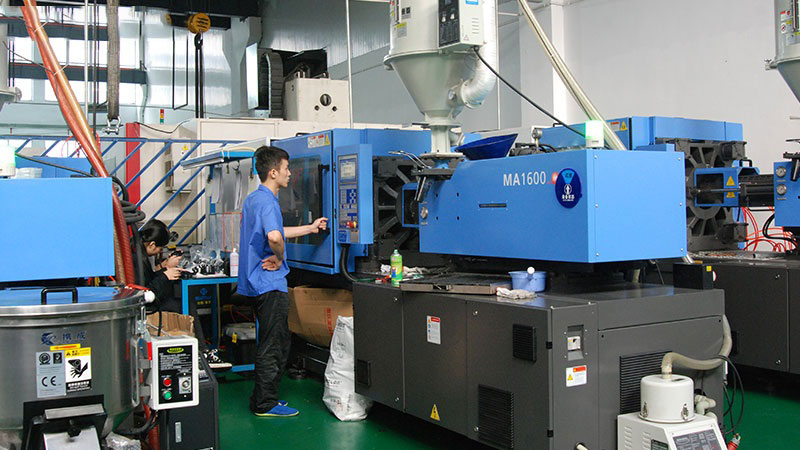
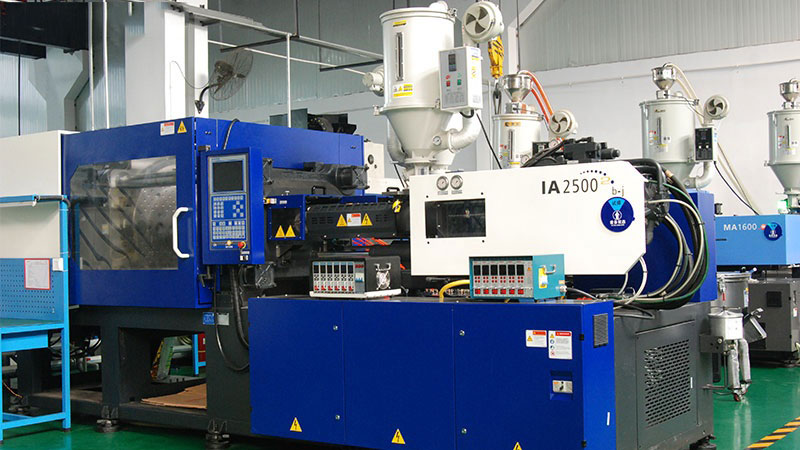
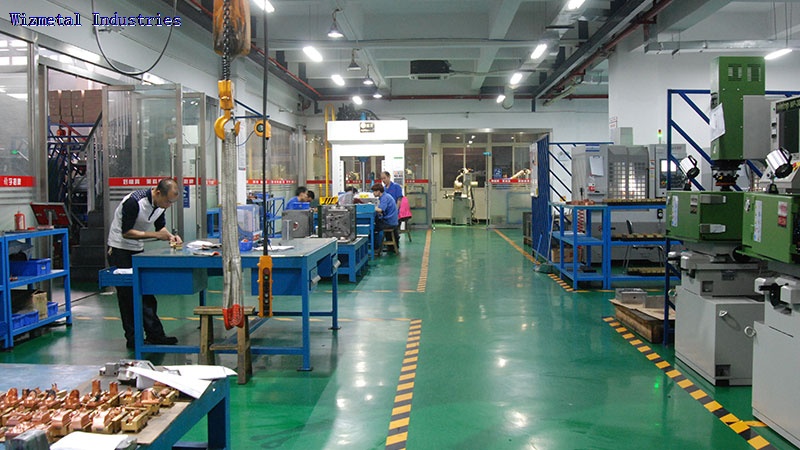
The foundation of a successful import project is a thoroughly vetted China mold factory. In 2026, due diligence goes beyond Alibaba profiles. Start with a deep technical review. Request detailed case studies of molds for parts similar to yours in material, complexity, and volume. Insist on a video conference facility tour; a reputable supplier will readily showcase their CNC machining centers, EDM equipment, and mold trial workshops. Crucially, verify their expertise in specific areas critical to your part: experience with high-precision tolerances, familiarity with your chosen polymer (especially newer engineering grades or bioplastics), and capabilities in mold flow analysis software. Engage in a technical dialogue early; present a 3D model and gauge their engineering feedback. This step filters out mere trading companies and identifies true manufacturing partners who can contribute valuable design-for-manufacturability (DFM) insights, potentially saving you significant cost and time.
Streamlining the Procurement and Communication Process
Clear, structured procurement protocols prevent costly misunderstandings. Begin with a comprehensive Request for Quotation (RFQ) package. This must include a detailed 3D part file (STEP or IGES), material specifications, anticipated annual volumes, critical-to-quality dimensions, and surface finish requirements. When evaluating quotes, look for a transparent breakdown: mold base cost, cavity and core machining, hot runner system (if needed), and mold trials. Beware of suspiciously low bids; they often signal corner-cutting on steel quality, precision, or post-sales support. Establish a single point of contact on both sides who is technically fluent in English. Implement a milestone-based payment schedule (e.g., 30% upon order, 40% after T1 sample approval, 30% before shipment) to align incentives. Utilize shared project management platforms for drawings, approvals, and action trackers to maintain a clear, documented communication trail.
Implementing Proactive Quality Control from Design to Shipment
Quality cannot be inspected into a mold; it must be built in. Your engagement in quality control must start at the design stage. Require and review the mold flow analysis report to predict and prevent filling issues, weld lines, and sink marks. Define a First Article Inspection (FAI) process for the initial sample parts (T1), using Coordinate Measuring Machine (CMM) reports against your provided GD&T drawings. For ongoing monitoring, consider a hybrid QC approach. While pre-shipment inspections are standard, for critical projects, engage a local third-party quality inspection firm specializing in molds. They can conduct in-process audits, check steel hardness, inspect cavity polish, and witness the final sample trials. Additionally, stipulate the delivery of a complete mold data pack: final 2D drawings, maintenance instructions, and a list of spare components. This proactive investment in quality control mitigates the risk of production delays and costly modifications at your facility.
Navigating Logistics, IP Protection, and Future-Proof Partnerships
The journey concludes successfully only when the mold is producing quality parts in your factory. Plan logistics early; injection molds are heavy, high-value items. Discuss Incoterms clearly (FOB is common) and ensure the China mold factory properly prepares the mold for shipping with adequate rust prevention and robust crating. Intellectual Property (IP) protection is a paramount concern. While Chinese IP law has strengthened, practical steps are essential. Sign a comprehensive NDA and mold ownership agreement before sharing any designs. Consider registering your design patents in China. For utmost security, some buyers split the mold manufacturing, having the high-precision cavities and cores made in one trusted factory and the standard mold base assembled elsewhere. Finally, view this not as a transaction but as a partnership. A reliable supplier is an asset for future projects, spare parts, and maintenance. Building a transparent, respectful, and long-term relationship is the ultimate strategy for sustainable success in importing injection molds for plastic parts.
Conclusion
Importing injection molds from China in 2026 is an exercise in strategic partnership and meticulous process management. The competitive advantage lies not in merely finding a manufacturer but in expertly verifying, collaborating with, and managing a specialized China mold factory. By implementing rigorous supplier verification, crystal-clear procurement practices, proactive quality control from the design phase, and robust plans for logistics and IP, you transform potential risks into a reliable, high-value supply chain. As technology and materials advance, your chosen partner should be a source of innovation and consistent quality. With this guide as your roadmap, you are now equipped to navigate the complexities of the market and secure the high-quality tooling that will drive your product’s success for years to come.
Work With Us
As a professional China mold manufacturer, we provide one-stop mold solution for overseas buyers.
📞 Phone: +86-18605944639
💬 WhatsApp: +8618605944639
🌐 Website: bestmoldworks.com
📧 Email: [email protected]