Blog

  • custom roto molding reviews: Ultimate Guide for Buyers 2026

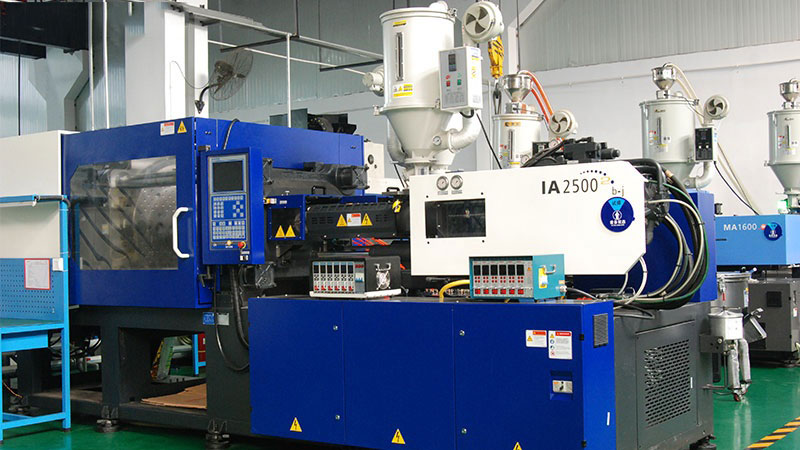
    For overseas buyers, the decision to import molds from China represents a significant opportunity for cost efficiency and manufacturing scalability. However, navigating the landscape of Chinese mold factories, especially for specialized processes like rotational molding, requires more than just a price comparison. This guide for 2026 moves beyond basic custom roto molding reviews to provide a strategic, actionable framework for procurement. Our goal is to equip you with the knowledge to verify suppliers, enforce quality control, and build a successful, long-term manufacturing partnership, ensuring your investment in a custom roto mold delivers exceptional value.

    Understanding the Supplier Ecosystem and Initial Verification

    Your journey begins long before you request a quote. The Chinese manufacturing market is vast, with factories ranging from highly specialized workshops to large, full-service facilities. For roto molding, seek out suppliers with demonstrable expertise in this specific niche, not just general plastic injection mold capabilities. Start with a multi-platform verification approach. Scrutinize business licenses (via platforms like Tianyancha), and insist on video tours of the factory floor. A legitimate supplier will readily showcase their rotomolding ovens, cooling stations, and CNC machines for mold fabrication. Pay close attention to their portfolio: do they have experience with products of similar size, complexity, and intended use (e.g., agricultural tanks, marine buoys, industrial containers) as yours? This initial deep dive is your first and most critical quality control checkpoint, filtering out unqualified players before technical discussions even begin.

    Decoding Technical Proposals and Communication Protocols

    Once you have a shortlist of potential partners, the next step is to evaluate their technical response. A professional China mold factory will not simply reply with a price. They will provide a detailed proposal covering mold design analysis, material recommendations (for both the mold and the final part), wall thickness strategy, and a clear production workflow. This is where your specifications must be ironclad. Provide comprehensive 3D drawings, material specifications (like PE crosslink grade), and desired physical properties. Assess their communication style: are they asking insightful, clarifying questions? Proactive communication at this stage is a strong indicator of their engineering prowess and commitment to preventing costly misunderstandings. Remember, a mold is a precision tool; its design is foundational to your product’s quality and production efficiency.

    Implementing Stage-Based Quality Control and Inspection

    Relying solely on final product inspection is a high-risk strategy for overseas buyers. The modern approach is to integrate quality control at every key milestone. Mandate a First Article Inspection (FAI) once the initial mold is produced and sample parts are manufactured. This involves a dimensional check against your CAD data, a review of surface finish, and an assessment of wall thickness consistency. For best results, engage a trusted third-party inspection service located near the factory to conduct these checks on your behalf. Furthermore, establish clear protocols for Pre-Shipment Inspections (PSI) for production runs. Define your Acceptable Quality Level (AQL) for defects. A supplier confident in their process will agree to these transparent checks. This layered QC approach transforms abstract assurances into documented, verifiable evidence of quality.

    Navigating Logistics, IP Protection, and Relationship Management

    Finalizing the mold is only part of the equation. Discuss logistics early—will the mold be shipped to you or remain at the factory for production runs? Mold design and fabrication constitute valuable intellectual property. Ensure your contract includes robust IP protection clauses, clearly stating that all design rights belong to you. A non-disclosure agreement (NDA) is a standard prerequisite. View this procurement not as a one-time transaction but as forging a strategic partnership. A reliable supplier becomes an extension of your team, capable of supporting mold maintenance, modifications, and future projects. Providing constructive feedback and fostering a collaborative relationship often yields better long-term results than purely adversarial price negotiations.

    Conclusion

    Sourcing custom roto molds from China in 2026 demands a blend of diligent verification, technical collaboration, and structured quality oversight. By moving beyond superficial custom roto molding reviews and implementing the proactive steps outlined—from rigorous supplier verification to stage-based inspections—you significantly de-risk the procurement process. The ultimate goal is to transform the complexity of international manufacturing into a competitive advantage, securing a high-quality mold from a Chinese partner that drives your product’s success for years to come. Let this guide be your blueprint for a confident and successful import journey.

    Work With Us

    As a professional China mold manufacturer, we provide one-stop mold solution for overseas buyers.
    📞 Phone: +86-18605944639
    💬 WhatsApp: +8618605944639
    🌐 Website: bestmoldworks.com
    📧 Email: [email protected]
  • mold tooling: Reliable Manufacturers Guide 2026 | China Mold Factory

    For overseas buyers, sourcing high-quality mold tooling from China represents a significant strategic advantage, offering access to advanced manufacturing capabilities at competitive costs. However, the path to a successful partnership with a China mold factory is often fraught with challenges, from supplier verification to consistent quality control. This guide is designed to cut through the noise and provide you with a practical, actionable framework for your procurement process in 2026 and beyond. We will focus on solving real problems, ensuring you can navigate the market with confidence and secure a reliable supply of precision injection molds.

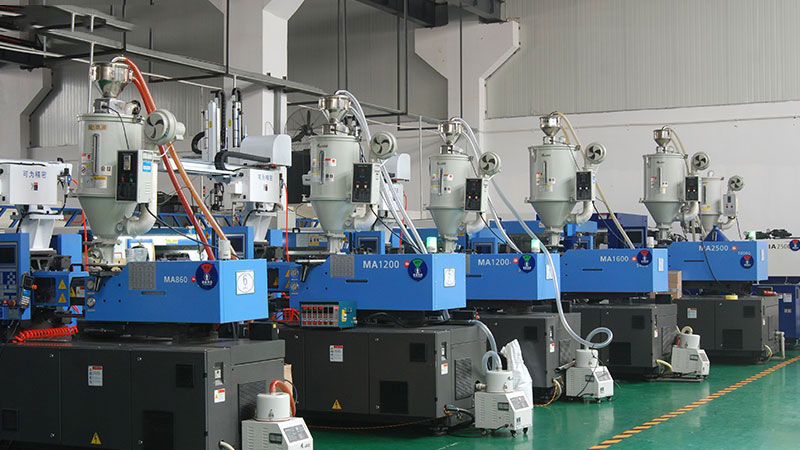
    The cornerstone of any successful import project is rigorous supplier verification. Moving beyond a simple website check or Alibaba storefront is non-negotiable. In 2026, due diligence must be multi-layered. Start by verifying the supplier’s business license and export credentials through official Chinese portals. Subsequently, request a detailed company profile that outlines their specific expertise, whether in automotive-grade injection molds, consumer electronics, or medical device tooling. The most critical step, however, is a virtual or in-person factory audit. Insist on a live video tour of their production floor. Observe their machinery—are they using modern CNC, EDM, and high-speed milling equipment? Assess the workshop organization and in-process inspection areas. This visual verification separates true manufacturers from trading companies and reveals the operational maturity of the China mold factory you are evaluating.

    Once a potential partner is identified, mastering the technical and commercial discussion is vital. Clear, unambiguous communication of your specifications prevents costly errors. Provide a comprehensive mold design file (DFM analysis is highly recommended) and a detailed request for quotation that includes material specifications (e.g., pre-hardened steel, stainless steel, aluminum), cavity life expectancy, tolerances, surface finish requirements, and expected cycle times. Discuss openly the mold trial process, sample approval procedure, and the protocol for engineering change orders. Furthermore, be explicit about intellectual property protection. A reputable manufacturer will willingly sign a Non-Disclosure Agreement and demonstrate how they segregate competitive projects. This stage is about aligning expectations and establishing a professional framework for the mold tooling project before any financial commitment is made.

    A robust quality control protocol is your primary defense against substandard deliverables. Do not assume quality; build it into the process contractually. Define key inspection milestones and insist on documented evidence at each stage. These typically include: material certification for the mold steel, first article inspection reports after critical machining operations, and a pre-shipment dimensional inspection report using CMM data. For injection molds, the mold sampling stage is irreplaceable. The agreement should stipulate that production-grade samples from the approved mold are shipped for your evaluation. This allows you to test form, fit, and function in real-world conditions. Consider engaging a trusted third-party quality inspection service in China for an impartial assessment at the factory before shipment. This proactive investment in quality control mitigates the immense risk of receiving a non-conforming mold that is expensive and time-consuming to rectify overseas.

    Understanding and negotiating the commercial terms with foresight will safeguard your investment. While unit price is important, the total cost of ownership is paramount. Scrutinize the payment terms; a common and balanced structure is 40% deposit, 50% upon approval of sample parts, and 10% before shipment. Ensure the quotation explicitly includes costs for mold design, sampling, standard mold base, and packaging for export. Clarify responsibilities for shipping, insurance, and import customs clearance. Most crucially, discuss the mold warranty and maintenance. A reliable China mold factory will offer a warranty against workmanship and material defects, often covering a specific number of shots or a period. Establish clear terms for future mold maintenance, repair, and modification, including cost structures and lead times. This long-term perspective transforms a transactional purchase into a sustainable partnership.

    The final step involves managing logistics and fostering a long-term partnership. Professional export packaging is essential to protect the precision mold tooling during transit. Ensure the factory uses a sturdy, waterproof wooden crate with proper internal bracing and desiccant to prevent rust. For the first order, consider using a freight forwarder experienced in handling industrial machinery. Once the mold is in production at your facility, maintain open communication with your supplier. Provide feedback on its performance. A dependable manufacturer views the successful launch of your mold as the beginning of the relationship, not the end. This collaborative approach positions them as a strategic partner for future projects, potentially leading to better pricing, priority scheduling, and joint development of new injection mold solutions.

    Successfully importing molds from China in 2026 demands a disciplined, process-oriented approach that prioritizes verification, clear communication, and embedded quality control. By moving beyond price-centric selection and investing time in finding a technically proficient and transparent China mold factory, you secure not just a tool, but a competitive advantage. The reliable manufacturers are those who welcome your scrutiny, communicate proactively, and demonstrate a commitment to partnership. Implement this guide to transform the complexity of overseas procurement into a streamlined, predictable, and highly rewarding component of your supply chain strategy.

    Work With Us

    As a professional China mold manufacturer, we provide one-stop mold solution for overseas buyers.
    📞 Phone: +86-18605944639
    💬 WhatsApp: +8618605944639
    🌐 Website: bestmoldworks.com
    📧 Email: [email protected]
  • injection molding china factory: Ultimate Guide for Buy 2026

    For global businesses, from ambitious startups to established OEMs, sourcing injection molds from China remains a powerful strategy for achieving cost efficiency and scaling production. However, the landscape is evolving rapidly. The journey from a digital handshake to a perfect mold landing on your production floor is fraught with potential complexities. This 2026 guide is designed to cut through the noise and provide overseas buyers with a professional, actionable framework for successfully navigating the procurement process with an injection molding China factory. We move beyond generic advice to solve the real, pressing problems you face in supplier verification, communication, quality control, and logistics.

    Mastering Supplier Verification and Selection

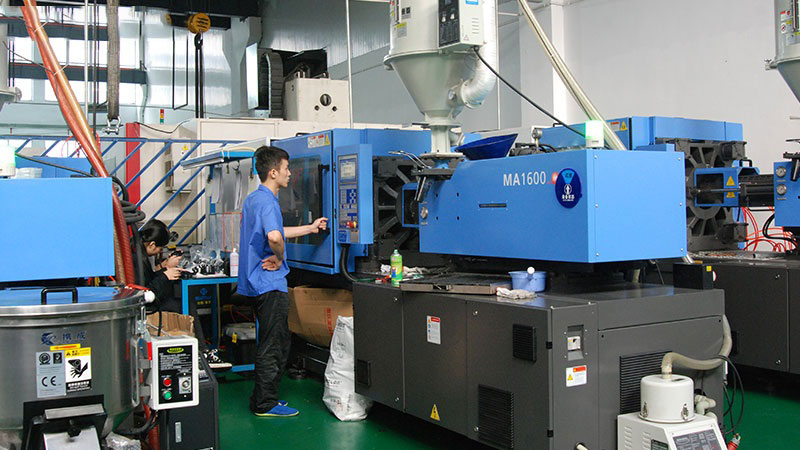
    The foundation of a successful import project is a reliable partner. The term “China mold factory” encompasses a vast spectrum, from rudimentary workshops to highly automated, technologically advanced facilities. Your first critical task is effective verification. Begin with a multi-layered due diligence process. Utilize B2B platforms but treat them as a starting point, not a final verdict. Scrutinize factory audit reports (like SGS or Bureau Veritas), but insist on recent ones. In 2026, a credible supplier should readily provide virtual facility tours via video call. Pay close attention to their machinery—modern electric or hybrid injection molding machines and high-speed CNC centers are indicators of capability and commitment to precision. Crucially, request and contact references from past overseas clients with similar project scopes. Ask specific questions about communication, problem-solving, and adherence to timelines. This step moves you from a list of potential suppliers to a shortlist of validated partners.

    Strategic Communication and Technical Alignment

    Misalignment in technical specifications is the primary cause of mold rework, delays, and cost overruns. Overcoming this requires a proactive and detailed approach to communication. Before requesting a quote, invest time in creating a comprehensive RFQ (Request for Quotation) package. This should include not just a 3D CAD model (STEP or IGS format), but also a detailed technical specification sheet covering material grade (e.g., POM, PC/ABS), critical tolerances, surface finish requirements (SPI standards), mold steel type (such as S136 or NAK80), and expected lifecycle. During discussions, clarify all aspects of the mold design—gating, ejection, cooling channel layout, and venting. Utilize collaborative tools; mark up drawings and ask the engineering team to explain their design choices. Establishing a single point of contact who is technically fluent in English on the supplier side is invaluable. This phase is not about finding the cheapest price, but about ensuring the injection mold factory fully understands your intent and has the technical prowess to execute it.

    Implementing Rigorous Quality Control Protocols

    Quality cannot be inspected into a product; it must be built into the process. Relying solely on a final pre-shipment inspection is a high-risk strategy for mold procurement. Instead, integrate quality control checkpoints throughout the manufacturing journey. Mandate a First Article Inspection (FAI) report based on dimensional measurements of the first shots from the mold, comparing them directly to your CAD data. For critical projects, engage a trusted third-party quality inspection firm in China to conduct in-process audits. These audits should witness key stages: steel material certification, core/cavity machining, mold assembly, and initial trial runs. The inspection should verify hardness testing of the mold steel, the accuracy of critical dimensions, and the functionality of all moving parts. Clear, agreed-upon acceptance criteria, documented in a Quality Control Plan signed by both parties, eliminate ambiguity. This proactive approach to quality control transforms you from a passive recipient to an active manager of your product’s integrity.

    Navigating Logistics, IP Protection, and Total Cost

    The final hurdle involves the practicalities of bringing your asset home. Understand the full cost structure beyond the mold price. Quotes should clearly break down costs for mold design, materials, machining, trials, and any required certifications. Discuss Incoterms 2020 explicitly—FOB (Free On Board) is common, but clarify responsibilities for domestic freight, port charges, and export documentation. For intellectual property protection, a robust Non-Disclosure Agreement (NDA) is essential, but its enforceability is strengthened when paired with practical steps. Consider compartmentalizing the mold design; have different factories produce core and cavity if the design is highly sensitive. Register your design patents in China where possible. Finally, plan for mold maintenance and repair. Discuss with your supplier the availability of spare components and the potential for a maintenance agreement. A reliable injection molding China factory will see this as part of a long-term partnership, not just a one-time transaction.

    Conclusion

    Importing injection molds from China in 2026 demands a blend of traditional procurement acumen and modern, tech-enabled diligence. The competitive advantage lies not in simply finding a low-cost producer, but in systematically identifying and partnering with a capable, transparent, and quality-driven injection molding China factory. By mastering supplier verification, enforcing precise technical communication, implementing staged quality control, and understanding the total cost of ownership, you transform a complex international endeavor into a streamlined, predictable, and highly successful component of your supply chain. The ultimate goal is a partnership that delivers not just a tool, but a foundation for manufacturing excellence and market success for years to come.

    Work With Us

    As a professional China mold manufacturer, we provide one-stop mold solution for overseas buyers.
    📞 Phone: +86-18605944639
    💬 WhatsApp: +8618605944639
    🌐 Website: bestmoldworks.com
    📧 Email: [email protected]
  • custom plastic mold Manufacturerturer near me: Reliabl 2026

    For overseas buyers, the search for a “custom plastic mold manufacturer near me” often leads to a critical realization: the most competitive solutions in terms of expertise, scalability, and cost are frequently found not locally, but across the globe in China. The Chinese manufacturing ecosystem for precision tooling is vast and sophisticated, offering unparalleled value. However, navigating this landscape from afar presents unique challenges in supplier verification, communication, and quality assurance. This guide for 2026 is designed to move beyond simple directory listings and provide you with a strategic, actionable framework for reliably sourcing high-quality injection molds from China, turning geographical distance into a competitive advantage.

    The core challenge in your search for a custom plastic mold manufacturer is redefining “near me.” In the context of global supply chains, proximity is less about physical distance and more about logistical integration, communication efficiency, and relational closeness. A reliable China mold factory can feel closer than a domestic supplier if they excel in digital communication, transparent processes, and understand the needs of international clients. Your goal is not merely to find a manufacturer but to architect a seamless, transparent, and trustworthy procurement channel that bridges the overseas gap.

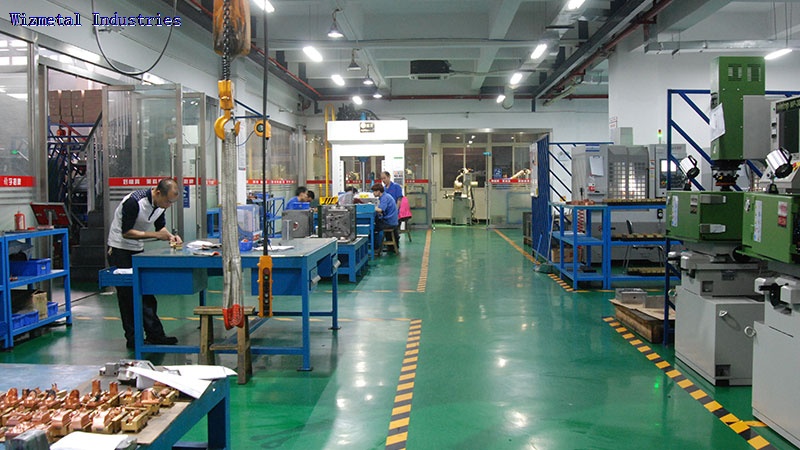
    Your first and most critical step is rigorous supplier verification. This goes far beyond checking a company website. Begin with a deep-dive into their technical portfolio. Examine case studies for projects similar in complexity, material, and volume to yours. A proficient manufacturer for consumer electronics molds may not be the best fit for automotive components. Utilize video calls to conduct virtual factory tours; insist on seeing their machining centers (EDM, CNC), mold trial workshops, and quality control labs. Verify certifications like ISO 9001, but also inquire about industry-specific standards relevant to your market. Crucially, check their export experience. A supplier with a proven track record of serving European or North American clients will be more adept at handling documentation, standards compliance, and the expectations of overseas buyers.

    Once a potential partner is identified, mastering the quotation and development phase is vital. Be exceptionally clear and detailed in your Request for Quotation (RFQ). Provide not just a 3D file (STEP or IGS), but a comprehensive specification document covering material (e.g., POM, ABS, PP), expected annual volumes, cavity requirements, surface finish (SPI standards), tolerance levels, and part lifecycle expectations. Analyze the quotation breakdown carefully. A professional China mold factory will detail costs for mold base, cavity/core inserts, hot runner system (if applicable), and trials. Beware of suspiciously low bids; they often signal corner-cutting on steel quality, machining precision, or future support. This phase is where you establish the technical and commercial blueprint for the entire project.

    Proactive and structured quality control is non-negotiable. Do not treat QC as a final inspection before shipment. Implement a staged inspection protocol (IPQC). Key inspection points include: first article inspection after the mold trial, where you receive sample parts and a detailed trial report with process parameters; dimensional inspection reports using CMM data; and pre-shipment audits of the finished mold. Consider engaging a reputable third-party inspection service located near the factory for critical milestones. This provides an objective, professional assessment and mitigates risk. Clear communication about your acceptance criteria for both the mold and the produced parts must be documented and agreed upon before manufacturing begins, ensuring there are no surprises.

    Finally, view this as building a strategic partnership, not a one-time transaction. A reliable custom plastic mold manufacturer near me, in the global sense, is a long-term partner for your product lifecycle. Discuss post-sales support upfront. What is their policy on mold modifications or repairs? How is wear and tear handled? Ensure they commit to storing your mold design and manufacturing data securely for future orders. Establishing strong communication rhythms—using tools like shared project management platforms—fosters transparency. A partner invested in your success will offer insights on design for manufacturability (DFM), potentially saving you cost and improving part performance, adding immense value beyond the initial procurement.

    In conclusion, the search for a reliable custom plastic mold manufacturer in 2026 for overseas buyers is a deliberate process of building a bridge, not just finding a vendor. By redefining proximity through digital integration, executing thorough supplier verification, managing the technical procurement with clarity, enforcing rigorous staged quality control, and fostering a partnership mindset, you can confidently source injection molds from China. This approach transforms the perceived complexity of overseas manufacturing into a reliable, streamlined, and highly competitive pillar of your supply chain, ensuring that the manufacturer you choose, though geographically distant, operates as a dependable and integral extension of your own operations.

    Work With Us

    As a professional China mold manufacturer, we provide one-stop mold solution for overseas buyers.
    📞 Phone: +86-18605944639
    💬 WhatsApp: +8618605944639
    🌐 Website: bestmoldworks.com
    📧 Email: [email protected]
  • custom plastic mold maker: Complete Procurement Guide 2026

    For overseas buyers, partnering with a skilled custom plastic mold maker in China remains one of the most strategic decisions to achieve competitive advantage. The potential for significant cost savings, rapid prototyping, and access to advanced manufacturing capabilities is immense. However, the path to a successful partnership is fraught with complexities, from supplier verification to consistent quality control. This 2026 procurement guide is designed to cut through the noise, providing you with a professional, actionable framework to navigate the Chinese manufacturing landscape confidently and secure a reliable supply chain for your injection mold projects.

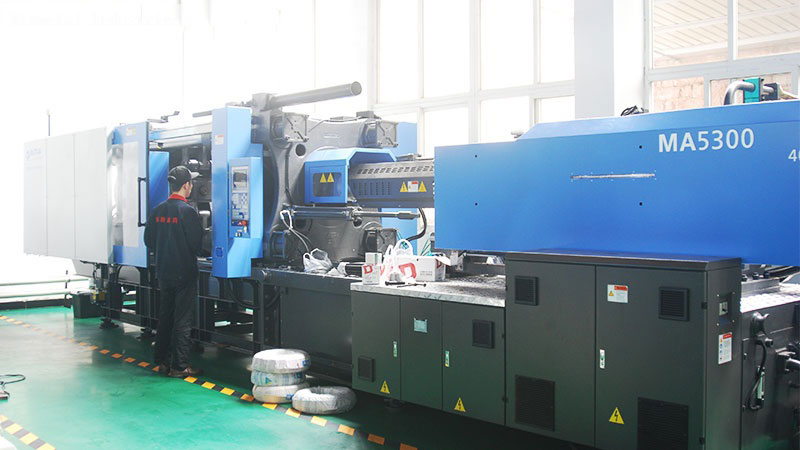
    The cornerstone of any successful import venture is thorough supplier verification. In 2026, due diligence goes far beyond checking a company website or Alibaba storefront. Begin with a multi-layered verification process. First, confirm the legal and business credentials through official Chinese platforms like the National Enterprise Credit Information Publicity System. This validates the China mold factory’s registration, capital, and legal standing. Next, conduct a deep-dive into their technical portfolio. A professional custom plastic mold maker will have a documented history of projects similar to your needs in complexity, material, and industry. Request detailed case studies, not just glossy photos. Finally, leverage video technology. Insist on a real-time virtual factory tour. This allows you to assess their machinery, workshop organization, and engineering team directly, providing tangible proof of their capabilities and operational scale that brochures cannot.

    Once a potential partner is verified, mastering the technical and commercial negotiation phase is critical. Clear, unambiguous communication of your specifications is non-negotiable. Provide comprehensive 3D drawings, material specifications, expected tolerances, and lifecycle requirements. For injection mold projects, discuss core technologies upfront: mold flow analysis plans, cooling channel design, and the type of steel to be used. In 2026, leading manufacturers utilize these as standard tools for risk mitigation. On the commercial side, understand the cost breakdown. A transparent quote should detail mold base cost, cavity and core machining, labor, and any ancillary charges. Be wary of quotes that seem abnormally low; they often signal corner-cutting on materials or processes. Instead, negotiate from a position of value, focusing on the total cost of ownership which includes mold longevity, maintenance, and the quality of the final production parts.

    Proactive quality control, integrated from the very first step, is what separates successful procurements from costly failures. Do not treat QC as a final inspection step. Implement a staged inspection protocol with defined milestones. The first article inspection after the T1 sample is paramount. This is where you verify the mold’s functionality and the part’s conformity to your critical dimensions. Partner with a third-party quality inspection firm based in China for impartial assessments at this and subsequent stages. Furthermore, insist on a detailed process qualification report from the China mold factory. This document should include data from their mold trials, such as process parameters, cavity pressure analysis, and part measurement reports. This data-driven approach shifts quality assurance from a subjective check to an objective, repeatable standard, ensuring the injection mold performs consistently in production.

    The journey does not end when the mold is shipped. Planning for post-delivery support and long-term partnership is essential for sustainable operations. A reputable custom plastic mold maker will offer clear terms for warranty and maintenance. Typically, a 12-18 month warranty against manufacturing defects is standard. Clarify responsibilities for wear and tear repairs and the availability of spare components. Establish a protocol for technical support; can their engineers assist with troubleshooting production issues remotely? In your procurement strategy for 2026, view the initial mold purchase as the beginning of a relationship. A reliable partner will be invested in your production success, as it often leads to ongoing orders for production parts or future mold projects. Building this collaborative relationship fosters continuous improvement and can provide you with a significant strategic edge.

    Importing molds from China in 2026 demands a blend of rigorous verification, technical clarity, embedded quality control, and strategic partnership thinking. The landscape is advanced and competitive, favoring buyers who are prepared and professional. By methodically applying this guide—from deep supplier vetting to data-driven quality gates—you transform the inherent challenges of overseas procurement into a structured, manageable process. The goal is to move beyond finding just a manufacturer to cultivating a true manufacturing partner, a China mold factory that aligns with your standards and drives your product’s success in the global market for years to come.

    Work With Us

    As a professional China mold manufacturer, we provide one-stop mold solution for overseas buyers.
    📞 Phone: +86-18605944639
    💬 WhatsApp: +8618605944639
    🌐 Website: bestmoldworks.com
    📧 Email: [email protected]
  • custom molded products: Professional Buying Guide 2026

    The global manufacturing landscape continues to evolve, and for overseas businesses, sourcing custom molded products from China remains a strategic move for competitiveness, innovation, and cost efficiency. However, the path from concept to finished product is fraught with complexities that can erode anticipated benefits. This Professional Buying Guide for 2026 is designed to cut through the noise, offering a clear, actionable framework for international procurement managers, startups, and entrepreneurs. We move beyond generic advice to address the real-world challenges of supplier verification, technical alignment, and quality assurance, ensuring your next project with a China mold factory is a resounding success.

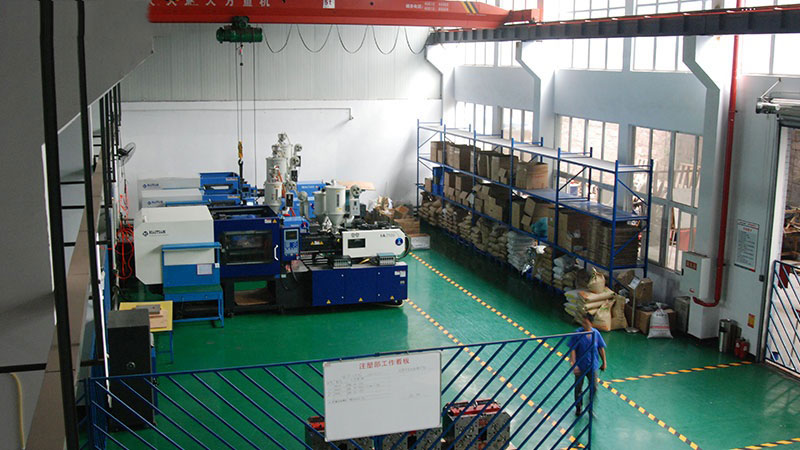
    The journey begins long before a request for quotation is sent. Comprehensive supplier verification is your most critical risk mitigation step. In 2026, due diligence extends far beyond checking a company’s website. Start with a deep dive into digital footprints: analyze their professional social media activity on platforms like LinkedIn, scrutinize detailed case studies, and seek out video content of their facility and processes. Utilize international inspection services for preliminary factory audits to verify operational scale and basic compliance. Crucially, insist on direct video calls with both sales and engineering teams. This not only confirms their communication capabilities but also allows you to assess their technical responsiveness. Ask for and contact references from clients in your region or industry. A reliable partner for your custom molded products will be transparent and proud of their client relationships, viewing this due diligence as a sign of your professional seriousness.

    Once a potential partner is identified, achieving perfect technical synchronization is paramount. The most common point of failure is ambiguous or incomplete design communication. To solve this, invest in creating a comprehensive product development specification. This document should include not just CAD files, but also material specifications (including approved resin grades), critical dimensions and tolerances (GD&T), surface finish requirements (SPI standards), and intended part function. Engage in detailed discussions about the injection mold design itself. A professional China mold factory will provide mold flow analysis, propose gate and ejector pin locations, and discuss mold steel selection (such as pre-hardened steel, stainless, or hardened steels like H13) based on your production volume. Clarify all ownership and logistics terms upfront: Who owns the mold design? Where will the mold be stored? What are the costs associated with mold modification? Aligning on these technical and commercial details prevents costly misunderstandings during production.

    Procurement from overseas inherently involves staged financial commitments and quality checkpoints. Structuring these effectively protects your investment. Negotiate a payment schedule that is tied to clear milestones—for example, 30% upon order, 40% after First Article Inspection (FAI) approval, and 30% upon shipment. Never make the final payment before you have received and approved inspection reports. Implement a rigorous quality control protocol from the outset. This should include a pre-production sample for design validation, a First Article Inspection Report with full dimensional layout, and in-process inspections during initial production runs. For high-volume or critical components, consider engaging a local third-party quality control firm to conduct on-site inspections during production and pre-shipment audits. This independent verification provides an objective layer of oversight, ensuring the bulk order matches the approved sample in terms of dimensions, material, color, and assembly.

    The final phase—logistics and long-term partnership management—determines the sustainability of your supply chain. Work with your supplier to understand Incoterms 2026 thoroughly; FOB is common, but you may explore EXW for more control or CIF for simplicity. Ensure proper mold and part packaging is specified to prevent damage during ocean freight. For the molds, discuss maintenance schedules and responsibility. A professional supplier will offer mold maintenance services to ensure longevity and consistent part quality. Furthermore, view this relationship as a strategic partnership. Provide constructive feedback, discuss future projects, and explore value-engineering opportunities they might suggest. A collaborative approach transforms a transactional supplier into a true extension of your product development team, capable of innovating and optimizing future runs of your custom molded products.

    Successfully importing injection molds and molded components from China in 2026 demands a blend of rigorous process, technical clarity, and relationship management. By methodically verifying your China mold factory, mastering technical communication, enforcing structured quality control, and planning for the long term, you transform a complex international procurement challenge into a reliable competitive advantage. The landscape rewards the prepared and the professional. Let this guide be your blueprint for building a robust, efficient, and high-quality supply chain for all your custom molding needs, ensuring your products meet the market with precision, reliability, and optimal cost-efficiency.

    Work With Us

    As a professional China mold manufacturer, we provide one-stop mold solution for overseas buyers.
    📞 Phone: +86-18605944639
    💬 WhatsApp: +8618605944639
    🌐 Website: bestmoldworks.com
    📧 Email: [email protected]
  • custom molding: Reliable Manufacturers Guide 2026 | China Mold Factory

    For overseas buyers, the decision to import molds from China represents a significant strategic advantage, offering unparalleled cost efficiency and manufacturing scale. However, navigating the vast landscape of suppliers to find a truly reliable partner for custom molding can be daunting. The risks of miscommunication, substandard quality, and project delays are real concerns that can undermine the value proposition. This guide is designed to cut through the noise and provide you with a practical, actionable framework for 2026. We will focus on systematic supplier verification and robust quality control protocols to ensure your next project with a China mold factory is a success.

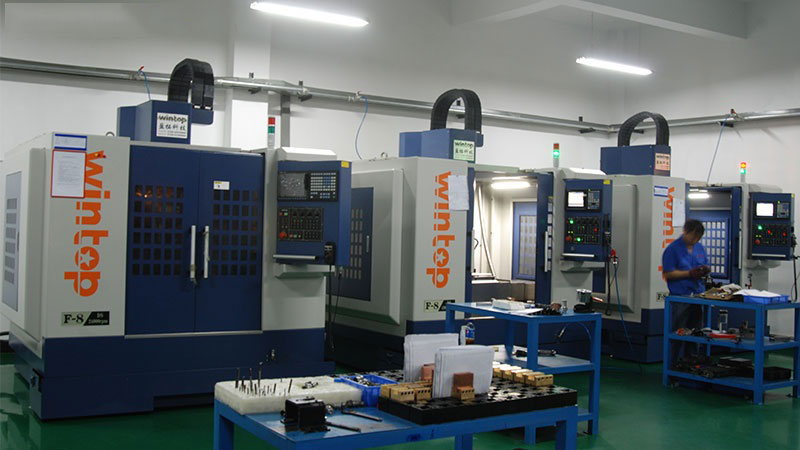
    The foundation of a successful import project is rigorous supplier verification. Moving beyond a simple Alibaba search is crucial. Begin by shortlisting manufacturers with a proven track record in your specific industry, whether it’s automotive components, medical devices, or consumer electronics. A legitimate China mold factory should readily provide a detailed company profile, business licenses, and evidence of export experience. Utilize video calls to conduct virtual factory tours; insist on seeing their machining centers, EDM equipment, and mold trial workshops. Furthermore, request and actually contact references from their existing overseas clients. In 2026, transparency is non-negotiable. Verify their expertise in the specific type of tool you need, be it a complex multi-cavity injection mold or a large-scale structural foam mold. This due diligence phase is your primary defense against unreliable partners.

    Once a potential partner is identified, mastering the technical and commercial quotation process is your next critical step. A professional manufacturer will not provide a bottom-line price immediately. Instead, they will request comprehensive design files (DFM feedback is a positive sign) and ask detailed questions about material selection, expected annual volumes, and part lifecycle. Be wary of quotes that seem abnormally low; they often signal the use of inferior steels, outdated machinery, or hidden costs. A detailed quotation should break down costs for mold design, mold base and cavity steel, standard components, labor, and trial shots. For injection mold projects, clarity on who covers the cost of mold modifications after the first trial is essential. Clearly define payment terms—staggered payments linked to project milestones (e.g., 30% upon order, 40% after mold trial, 30% before shipment) are standard and protect both parties.

    The heart of quality assurance lies in a proactive, documented quality control plan. Do not adopt a “wait-and-see” approach until shipment. Agree on key inspection milestones before production begins. For a custom molding project, these typically include a pre-production meeting to review design for manufacturability (DFM) reports, a first article inspection (FAI) after initial samples are produced, and a final random inspection before shipment. Partner with a reputable third-party quality inspection service in China to conduct these checks objectively. They can verify critical dimensions using CMM, check mold flow analysis results, assess surface finish (SPI/VDI standards), and perform part functionality tests. For injection molds, the mold trial report is a vital document; it should include data on process parameters, part dimensions, and images of the sampled parts. Insist on receiving this report and sample pieces for your own evaluation.

    Effective communication and project management are the glue that holds the international procurement process together. Establish a single point of contact on the supplier’s side who is technically fluent and has strong English skills. Use clear, visual communication: mark-up drawings, share annotated photos, and use screen sharing during calls. Implement a regular update schedule, such as a weekly report with photos of machining progress. Utilize project management tools or simple shared spreadsheets to track open actions and deadlines. Understanding cultural nuances is also part of professional procurement. Be explicit about your requirements and expectations, as assumptions can lead to misunderstandings. A reliable manufacturer will appreciate clear directives and proactive communication, as it demonstrates your seriousness and helps ensure the project stays on track.

    Finally, view the initial mold procurement as the start of a long-term partnership. A well-built mold from a trustworthy China mold factory is a capital asset that will produce for years. Discuss post-sales support upfront. What is their policy on mold maintenance and repair? Will they store the mold for future production runs? How do they handle the need for future modifications or spare components? Establishing these terms early prevents future complications. Building a relationship based on mutual success and clear communication transforms a transactional supplier into a strategic extension of your manufacturing capability. This partnership approach is what ultimately delivers the consistent quality and reliability that makes importing molds from China a sustainable competitive advantage.

    In conclusion, successfully importing custom molding solutions from China in 2026 demands a structured, vigilant approach centered on verification, clear communication, and embedded quality control. By meticulously vetting your China mold factory, managing the technical procurement process with clarity, implementing staged inspections, and fostering professional collaboration, you mitigate the inherent risks of overseas sourcing. The goal is to move beyond finding just a supplier to cultivating a manufacturing partner who is invested in the longevity and success of your product. With this guide as your framework, you are equipped to navigate the market confidently and secure the high-quality, reliable tooling that your production requires.

    Work With Us

    As a professional China mold manufacturer, we provide one-stop mold solution for overseas buyers.
    📞 Phone: +86-18605944639
    💬 WhatsApp: +8618605944639
    🌐 Website: bestmoldworks.com
    📧 Email: [email protected]

  • Custom silicone molds for resin: Complete Procurement 2026

    For artisans, small businesses, and large manufacturers, the ability to create unique, detailed resin products is a powerful competitive edge. At the heart of this capability lies the tooling: the custom silicone molds for resin that define the quality, consistency, and creativity of your final pieces. As we look toward 2026, sourcing these molds directly from China remains the most strategic move for balancing cost, quality, and scalability. However, the procurement landscape is evolving. This guide is a practical, no-fluff roadmap for overseas buyers to navigate the complexities of importing high-quality custom silicone molds from China, ensuring your 2026 projects are built on a foundation of reliable supply chain partnerships.

    The journey begins long before a request for quotation is sent. Precise definition of your requirements is the single most important step in avoiding costly misunderstandings. For resin applications, you must specify the type of silicone required. Platinum-cure silicone offers superior detail reproduction, non-yellowing properties, and is ideal for intricate designs and clear resins, while tin-cure silicone is a more economical choice for simpler shapes. Provide your potential China mold factory with detailed 3D files (preferably in STEP or IGS format), clearly indicate desired mold hardness (Shore A scale), expected number of casts (cure cycles), and any critical tolerances. Including photos of similar molds or desired outcomes can bridge language gaps. This upfront clarity not only yields accurate quotes but also immediately identifies suppliers with the technical expertise to ask the right questions about your resin type, de-molding process, and production volume.

    Finding a manufacturer is easy; verifying a competent and reliable partner is the real challenge. In 2026, supplier verification goes beyond browsing Alibaba storefronts. Start with a deep dive into a supplier’s specialization. A factory proficient in large-scale injection mold production for plastics may not excel at the hand-crafted, precision-oriented process of master pattern creation and silicone pouring for artisan molds. Scrutinize their portfolio for projects similar to yours. Utilize video call requests for virtual factory tours; observe their workshop organization, the care in handling master models, and their quality control stations. Third-party verification platforms can provide background checks. Crucially, request and contact references from past overseas buyers, specifically those who purchased custom silicone molds for resin. Inquire about communication responsiveness, problem-solving attitude, and adherence to timelines. This due diligence phase is an investment that filters out intermediaries and aligns you with true manufacturing experts.

    Negotiating terms and managing production require a professional and transparent approach. A detailed proforma invoice (PI) should be your contract cornerstone. It must itemize costs: master model creation (if needed), mold fabrication, per-unit pricing for multiple copies, packaging, and all Incoterms 2026-defined shipping costs (e.g., FOB Shenzhen, CIF Los Angeles). For prototype or low-volume orders, be prepared for higher unit costs, as the value is in the design and tooling. For ongoing procurement, discuss scalability options. Payment terms are a key negotiation point; a secure escrow service or a staged payment plan (e.g., 30% deposit, 40% after mold sample approval, 30% before shipment) protects both parties. Never compromise on the requirement for a pre-shipment sample. This physical sample, cast from the finished mold using a resin you specify or approve, is the only way to verify dimensional accuracy, detail fidelity, and de-molding functionality before full payment and shipment.

    Implementing rigorous quality control (QC) is non-negotiable. For custom silicone molds, QC cannot be an afterthought. Define clear, measurable acceptance criteria with your supplier before production begins. This includes dimensional checks against your drawings, visual inspection for bubbles, imperfections, or seam lines, and a performance test—the factory should provide video evidence of a successful cast and de-molding. For larger orders, hiring a third-party QC inspector based in China to conduct an on-site inspection during sampling is highly cost-effective. They can verify material certifications for the silicone compound, assess workmanship, and perform the first-article inspection. This layer of oversight mitigates the risk of receiving a bulk order of substandard molds that could derail your production schedule. Remember, quality control in mold procurement is fundamentally about risk management and protecting your brand’s reputation.

    Logistics and long-term partnership strategy finalize a successful procurement cycle. Work with your supplier to ensure molds are packaged securely to prevent deformation during transit, often using rigid boxing and custom foam inserts. Understand the lead times realistically, factoring in design finalization, sample revisions, production, and shipping. A reliable supplier should provide regular updates without prompting. Upon successful completion of your first order, view this as the beginning of a partnership. A trustworthy China mold factory becomes an extension of your R&D team. They can provide valuable insights on design for manufacturability, suggest material improvements for longer mold life, and become your go-to source for efficient scaling or new product development. This strategic relationship is the ultimate goal of the 2026 procurement process, turning a transactional purchase into a sustained competitive advantage.

    Procuring custom silicone molds for resin from China in 2026 demands a blend of technical clarity, diligent verification, and strategic relationship management. By moving beyond price-centric searches to focus on specialized expertise, enforcing stringent quality control protocols, and fostering transparent communication, overseas buyers can unlock exceptional value and innovation. The complete procurement journey, from digital file to physical mold in your workshop, is a systematic process that, when executed with professional rigor, provides the reliable, high-quality tooling necessary to thrive in the dynamic resin art and manufacturing markets. Start your next project with this comprehensive framework to build a supply chain that is as resilient and creative as the products you aim to produce.

    Work With Us

    As a professional China mold manufacturer, we provide one-stop mold solution for overseas buyers.
    📞 Phone: +86-18605944639
    💬 WhatsApp: +8618605944639
    🌐 Website: bestmoldworks.com
    📧 Email: [email protected]

  • custom plastic molding services near me: Expert Tips & 2026

    For businesses and engineers worldwide, the search for “custom plastic molding services near me” often evolves into a strategic global procurement decision. While local suppliers offer proximity, the combination of advanced engineering, cost efficiency, and scalable production found in China presents an undeniable advantage for custom plastic injection molding. However, navigating this overseas landscape requires a methodical approach to transform potential risks into a reliable, value-driven supply chain. This guide provides expert, actionable tips for 2026, focusing on how to effectively partner with a China mold factory to secure high-quality injection molds and finished parts.

    The initial and most critical step is moving beyond basic online directories to a targeted supplier verification process. In 2026, a manufacturer’s digital footprint is a key indicator of their capability and professionalism. Scrutinize detailed websites for engineering case studies, technical data, and certifications like IATF 16949 or ISO 9001. Utilize video conferencing for virtual factory tours; a reputable supplier will readily showcase their shop floor, molding machines, and quality control labs. Crucially, request and contact past overseas clients. A confident China mold factory will provide references, allowing you to verify their experience with international communication, shipping, and after-sales support. This due diligence replaces geographical proximity with verified operational transparency.

    Once a shortlist is established, mastering the technical and commercial dialogue is paramount. The cornerstone of a successful project is a highly detailed Request for Quotation (RFQ). For your custom plastic injection molding project, this must include not just part drawings (preferably 3D STEP files) but also material specifications, expected annual volumes, cosmetic requirements, and critical tolerances. Be prepared for an iterative discussion. Expert Chinese engineers often provide Design for Manufacturability (DFM) feedback to optimize part design for moldability, cost, and longevity. View this collaboration not as a correction but as a value-add that leverages their specialized expertise. Clearly negotiate terms covering prototyping stages, payment milestones (avoid large upfront sums), and intellectual property protection in the contract.

    The phrase “custom plastic molding services near me” implies a need for hands-on quality oversight, which you must replicate remotely. Proactive quality control is non-negotiable. Mandate a First Article Inspection (FAI) report with full dimensional results against your drawing. For ongoing production, define a statistically-based sampling plan (like AQL) and insist on regular inspection reports with photographic evidence. Consider engaging a third-party quality inspection firm located near the factory for pre-shipment audits. Furthermore, discuss the supplier’s internal process control: do they use process capability studies (Cp/Cpk) for critical dimensions? How are the injection mold and production process validated before full-run production? Their answers will separate commodity workshops from true partners.

    The logistics of procurement from China have become more streamlined but require careful planning. Work with your supplier to understand Incoterms 2020—typically FOB or EXW—to clarify responsibilities and costs. For the injection mold itself, consider tooling insurance, especially for high-value molds. For part production, plan packaging requirements to prevent damage during ocean freight. A strategic partner will have experience exporting to your region and can advise on customs documentation, including harmonized system codes. Building a buffer into your timeline for shipping and customs clearance is a simple yet often overlooked tip that prevents production line disruptions.

    Looking ahead to 2026, the most successful import partnerships will leverage technology and strategic relationship building. Utilize digital collaboration tools for real-time project management and issue tracking. Explore the feasibility of small batch production or on-demand manufacturing services offered by forward-thinking Chinese mold suppliers to reduce inventory risk. Ultimately, view your chosen supplier not as a one-time vendor but as a technical extension of your team. Investing in clear communication, mutual respect, and fair contracts fosters loyalty and often results in priority service, continuous improvement suggestions, and better pricing on future projects.

    In conclusion, the modern search for reliable custom plastic molding services is a global endeavor. By systematically executing thorough supplier verification, engaging in deep technical collaboration, implementing rigorous remote quality control protocols, and mastering international logistics, you can confidently import injection molds from China. This approach mitigates the perceived risks of distance and transforms a China mold factory into a competitive advantage, delivering the high-quality, cost-effective custom plastic components essential for success in 2026 and beyond. The expertise you seek is readily available; it is now a matter of connecting with it strategically.

    Work With Us

    As a professional China mold manufacturer, we provide one-stop mold solution for overseas buyers.
    📞 Phone: +86-18605944639
    💬 WhatsApp: +8618605944639
    🌐 Website: bestmoldworks.com
    📧 Email: [email protected]

  • custom molds for aluminum: Best Suppliers & Quality C 2026

    For overseas buyers, sourcing custom molds for aluminum represents a critical investment that directly impacts product quality, production timelines, and overall cost efficiency. China remains the global epicenter for mold manufacturing, offering unparalleled expertise and competitive pricing. However, navigating this vast market to secure a reliable partner requires a strategic approach. This guide provides actionable insights for international procurement professionals seeking to import high-quality custom aluminum molds from China in 2026, focusing on supplier verification and robust quality control protocols.

    The journey begins long before a request for quotation is sent. Precise technical definition is your strongest leverage. Develop comprehensive specifications for your custom molds for aluminum, including detailed 3D part drawings, material grades (e.g., A380, ADC12), expected annual volumes, critical tolerances, and surface finish requirements. Furthermore, define the mold steel standard (such as H13, S136, or 8407), required hardness, and cooling line schematics. This clarity not only ensures accurate pricing but also immediately filters out suppliers incapable of meeting your technical demands. Presenting a professional package signals to serious China mold factories that you are a knowledgeable buyer, setting the stage for a partnership based on technical merit rather than just price negotiation.

    Identifying potential suppliers is the next critical step. Move beyond generic B2B platforms. Utilize industry-specific directories, attend international trade shows like Chinaplas, and seek referrals from your network. In 2026, a supplier’s digital footprint is also a key indicator. Analyze their website for technical blogs, case studies, and detailed process descriptions. Focus on factories that specialize in aluminum injection mold manufacturing, as the requirements differ significantly from plastic injection molds due to higher temperatures and pressures. Create a longlist of candidates, then initiate a verification process. This must include checking business licenses, requesting factory audit reports (like ISO 9001), and, most importantly, conducting a virtual or in-person factory tour. Observe their workshop organization, machinery (look for high-speed CNC, EDM, and deep-hole drilling equipment), and quality inspection tools. Supplier verification is your primary defense against future complications.

    The cornerstone of a successful import project is a transparent and enforceable quality control plan. Agree on staged inspection milestones with your chosen China mold factory. Key stages typically include a First Article Inspection (FAI) after the mold is manufactured, a Trial Run Report with sample parts, and a Final Random Inspection before shipment. Insist on documented evidence at each stage: dimension reports, material certificates, hardness test results, and high-resolution photos or videos of the trial run. For aluminum injection molds, pay special attention to the cooling system performance and the integrity of the venting design, as these are crucial for cycle time and part quality. Consider engaging a reputable third-party quality inspection service based in China for the critical pre-shipment inspection. Their unbiased report provides an essential layer of assurance and aligns expectations before the mold leaves the factory.

    Clear contractual terms are non-negotiable. Your purchase agreement should explicitly cover intellectual property rights, stating that all mold design and manufacturing details remain your sole property. Define warranty periods (typically 12-24 months for custom molds for aluminum), outlining what is covered, such as repairs for wear and tear or manufacturing defects. Specify responsibilities and costs for mold modifications. Establish a protocol for communication, including primary contacts and regular update schedules. Furthermore, clarify incoterms and logistics responsibilities. Using terms like FOB Shanghai gives you control over shipping and insurance, often leading to better rates and visibility. A professional contract protects your investment and provides a clear framework for resolving any potential disputes.

    Successful procurement extends beyond the initial delivery. Foster a long-term relationship with your supplier by providing constructive feedback and discussing future projects. A reliable China mold factory that understands your quality standards becomes a strategic asset. Plan for ongoing maintenance; discuss the availability of spare components like ejector pins and cores. In 2026, leading suppliers may also offer digital services like remote monitoring support or access to mold data for predictive maintenance. By treating the supplier as a partner, you secure not just a mold but a resilient supply chain for your aluminum component production.

    Importing custom aluminum molds from China in 2026 offers a significant competitive advantage when executed with diligence. The process hinges on meticulous preparation, rigorous supplier verification, and an unwavering commitment to quality control throughout the manufacturing cycle. By defining specifications clearly, vetting manufacturers thoroughly, implementing staged inspections, and solidifying agreements with robust contracts, overseas buyers can confidently navigate the market. The result is a successful partnership with a top-tier China mold factory, ensuring you receive high-performance, durable injection molds that meet your precise requirements and drive your production success for years to come.

    Work With Us

    As a professional China mold manufacturer, we provide one-stop mold solution for overseas buyers.
    📞 Phone: +86-18605944639
    💬 WhatsApp: +8618605944639
    🌐 Website: bestmoldworks.com
    📧 Email: [email protected]