For overseas buyers, the search for a reliable “mold supplier near me” often leads to a global marketplace, with China standing as the undisputed hub for precision tooling and competitive manufacturing. However, the geographical and cultural distance can transform procurement into a complex challenge. This guide for 2026 moves beyond simple directories to provide expert, actionable strategies for identifying, vetting, and partnering with top-tier Chinese mold factories. Our focus is on solving the real problems of communication, quality assurance, and logistical control to turn your import project into a streamlined success.
Redefining “Near Me” in a Globalized Supply Chain
The first mindset shift for 2024 is to redefine proximity. For mold procurement, “near me” is less about physical distance and more about operational closeness. A supplier’s ability to respond promptly, communicate transparently in your language, and align with your quality standards creates effective proximity. Therefore, your search should prioritize suppliers who have established robust systems for international collaboration. Look for a China mold factory with dedicated export departments, engineers who can discuss technical drawings in clear English, and project managers in your time zone. This digital and operational accessibility is the new benchmark for a reliable partner, making them feel “near” regardless of location.
Strategic Supplier Verification Beyond Alibaba
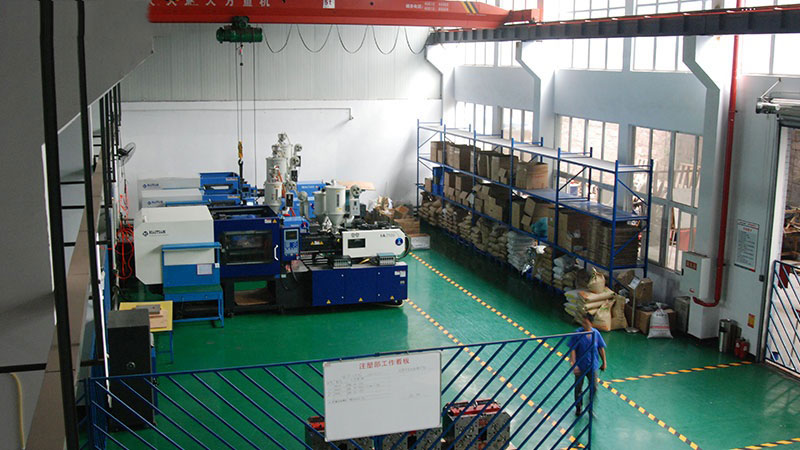
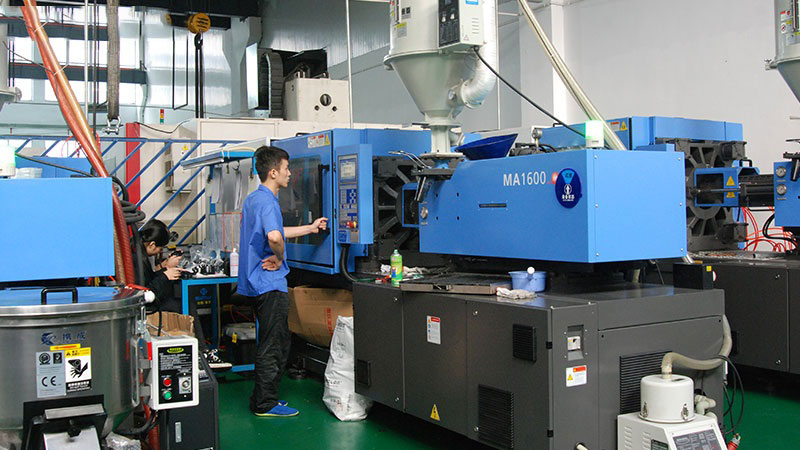
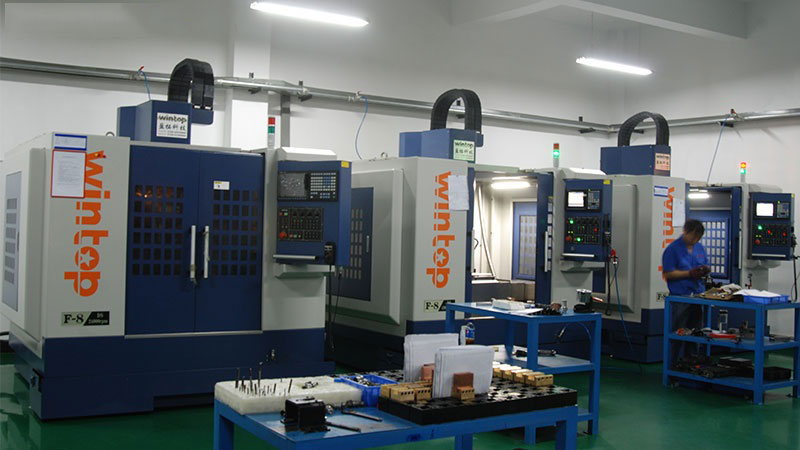
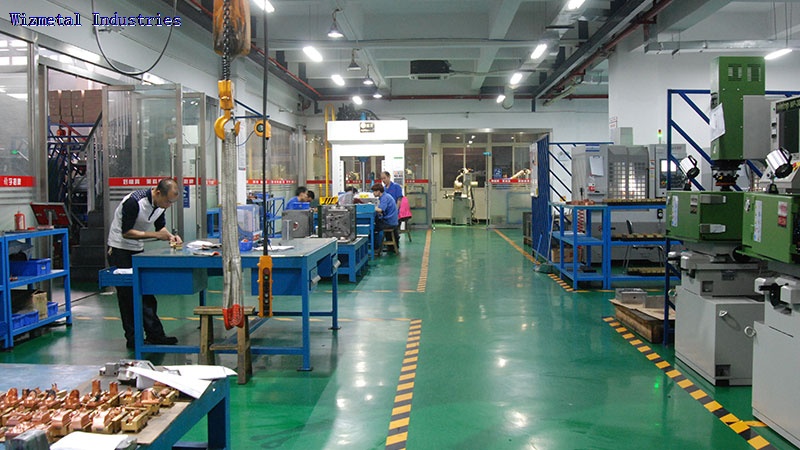
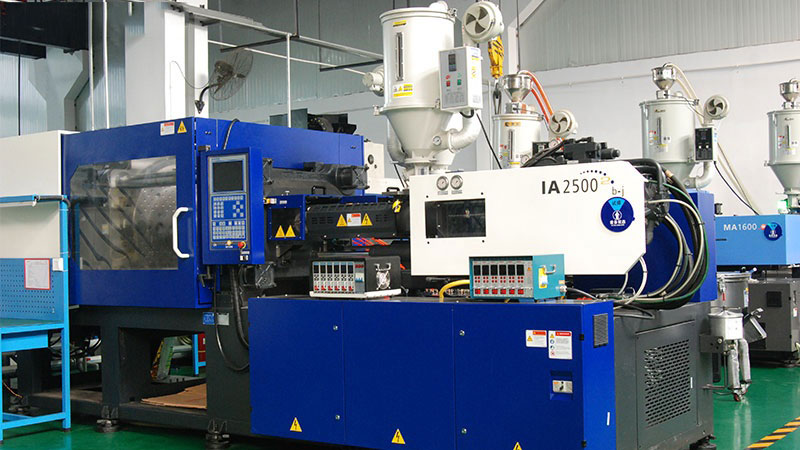
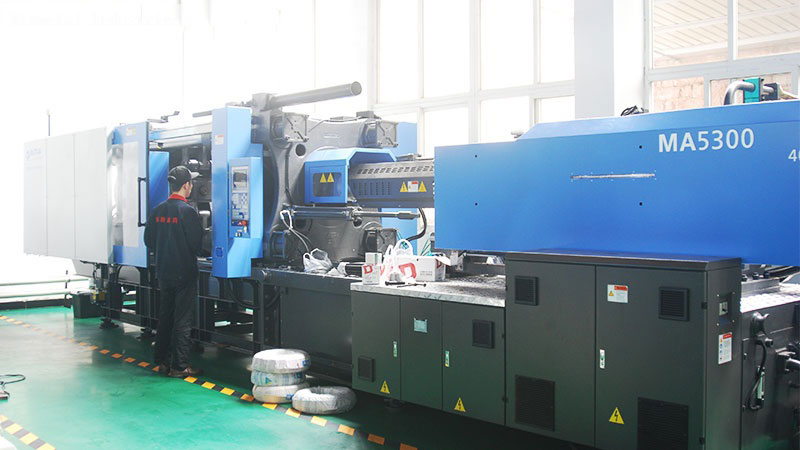
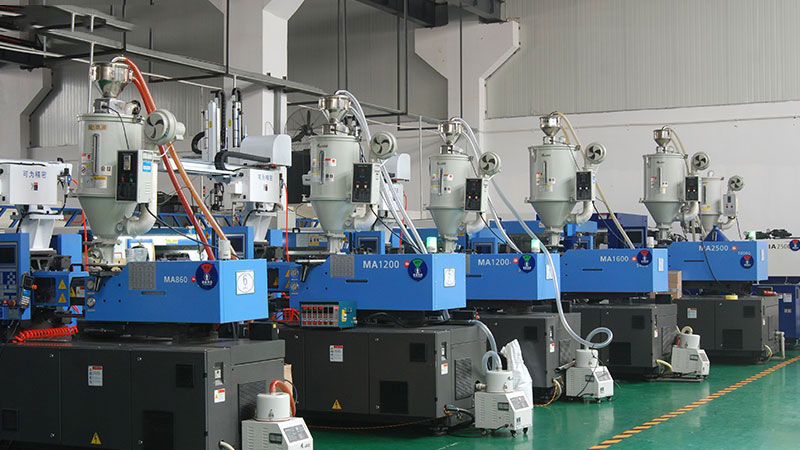
Platforms like Alibaba are starting points, not conclusions. Comprehensive supplier verification is your most critical step. Begin with a deep-dive into the supplier’s specialization. Does their portfolio showcase experience with your specific industry, material, or mold type, such as high-precision medical injection molds or large automotive fixtures? Request and meticulously review live project case studies. Subsequently, insist on a live video audit of their facility. In 2026, this is non-negotiable. A real-time walkthrough allows you to assess machinery (e.g., CNC, EDM), workshop organization, and in-house quality control labs. Verify certifications like ISO 9001, but also inquire about process-specific certifications relevant to your field. This multi-layered verification filters out traders and identifies genuine, capable manufacturers.
Mastering Technical Communication and DFM Analysis
Miscommunication in technical specifications is the primary cause of mold defects and project delays. To solve this, professional Chinese mold factories offer Design for Manufacturability (DFM) analysis. Do not simply send your CAD file and request a quote. Engage potential partners in a DFM review. A competent supplier will provide annotated feedback on draft angles, wall thickness, gate locations, and material selection to optimize the mold for production and longevity. This collaborative process tests their engineering expertise and prevents costly revisions later. Clearly define all communication protocols: who your single point of contact is, the format for design changes (e.g., marked-up PDFs), and scheduled update meetings. Precise communication bridges the geographical gap.
Implementing Tiered Quality Control Milestones
Passive hope is not a quality strategy. You must implement an active, tiered QC plan integrated into the contract. This should include critical inspection milestones: First Article Inspection (FAI) after the mold is manufactured, and pre-shipment inspection during trial runs. For high-value tools, consider hiring a third-party inspection agency in China for the initial sample approval. The contract must specify quality standards, measurement tolerances, and the process for handling non-conformities. Discuss the supplier’s internal QC process for critical stages like mold flow analysis, hardness testing, and cavity polishing. A professional partner will welcome this structured approach, as it demonstrates your seriousness and reduces disputes. Proactive quality control is your financial safeguard.
Navigating Logistics, IP Protection, and Long-Term Partnership
Finalizing the mold is only part of the journey. Secure clear terms for logistics and intellectual property. Determine incoterms (FOB Shanghai is common) and understand who arranges shipping and handles customs clearance. For IP protection, a well-drafted Non-Disclosure Agreement (NDA) and Product Confidentiality Agreement are essential before sharing any designs. While Chinese IP law has strengthened, practical protection lies in working with reputable factories with their own R&D to value innovation. View successful procurement as the foundation for a long-term partnership. A reliable mold supplier near your operational needs, even if based in China, becomes an extension of your team, offering better pricing and priority service for future projects and maintenance.
Conclusion
Sourcing injection molds from China in 2026 demands a strategic, hands-on approach that replaces geographical convenience with verified reliability and operational excellence. By redefining supplier proximity, conducting thorough verification, enforcing collaborative DFM and staged quality control, and securing logistical and IP terms, you transform the inherent challenges of overseas procurement into a competitive advantage. The goal is not merely to find a vendor but to integrate a competent China mold factory into your supply chain—a partner that ensures quality, controls costs, and drives your product’s success in the global market.
Work With Us
As a professional China mold manufacturer, we provide one-stop mold solution for overseas buyers.
📞 Phone: +86-18605944639
💬 WhatsApp: +8618605944639
🌐 Website: bestmoldworks.com
📧 Email: [email protected]