For overseas buyers, sourcing injection molds from China represents a significant strategic advantage, offering unparalleled cost efficiency and manufacturing scalability. However, navigating this complex landscape requires more than just finding the lowest quote. The true challenge lies in transforming this potential into a reliable, high-quality supply chain asset. This definitive guide for 2026 cuts through the noise, providing a professional, actionable framework for procurement success. We will move beyond basic advice and delve into the critical processes of supplier verification, technical alignment, and systematic quality control that define profitable, long-term partnerships with a China mold factory.
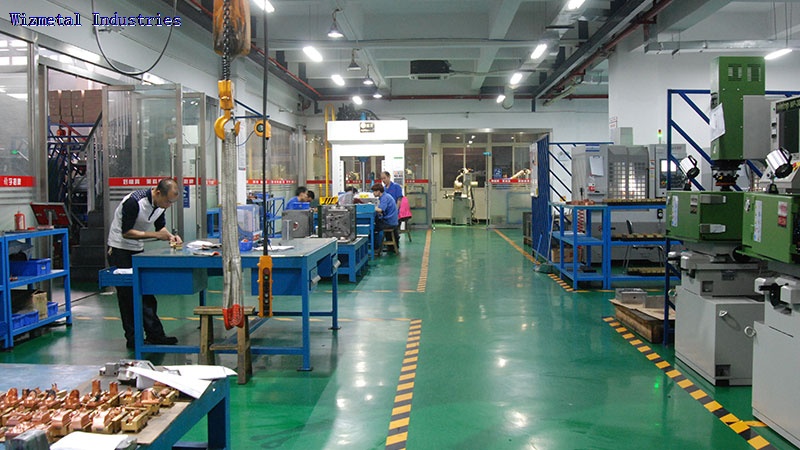
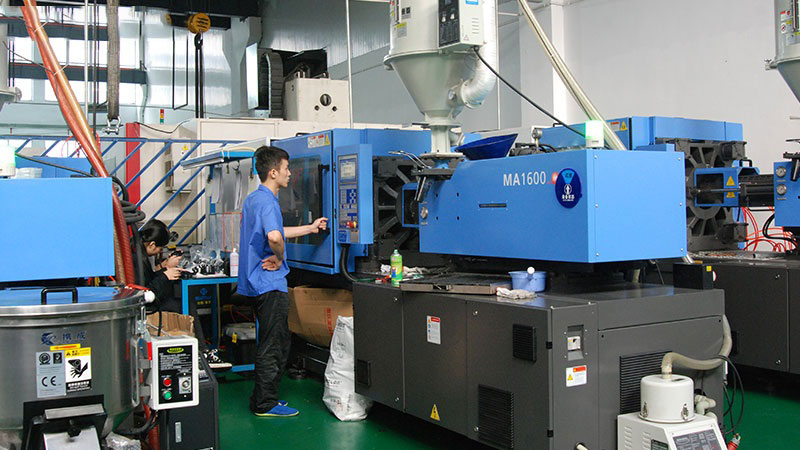
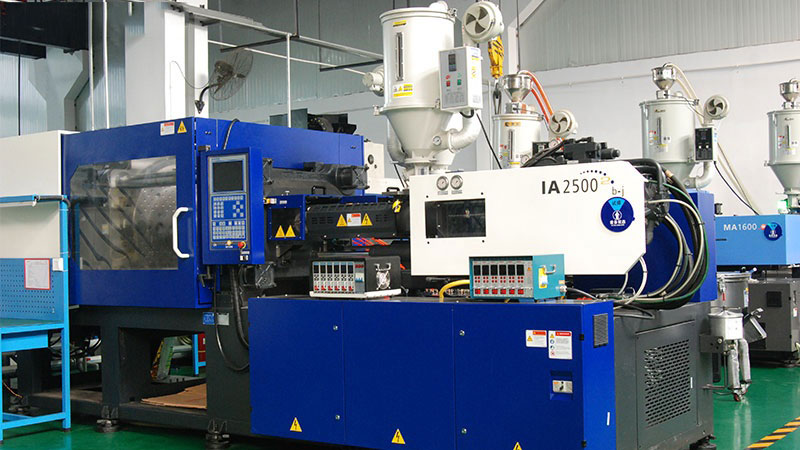
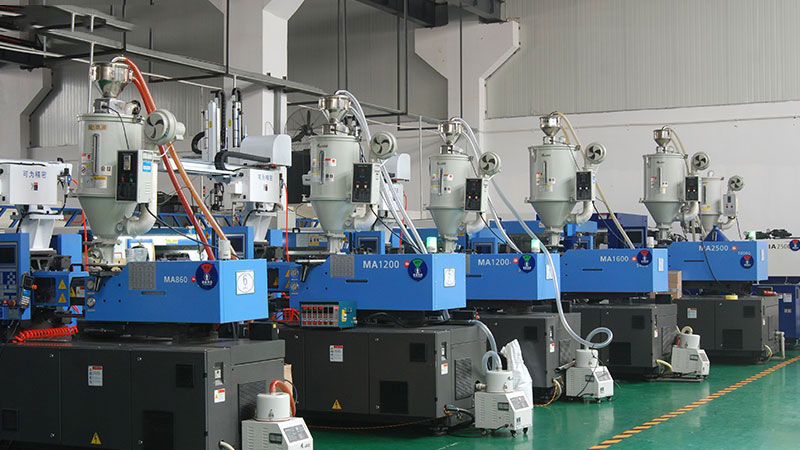
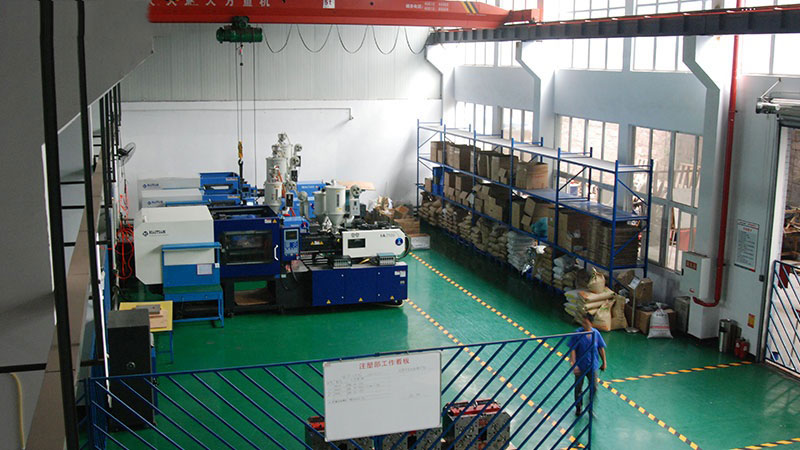
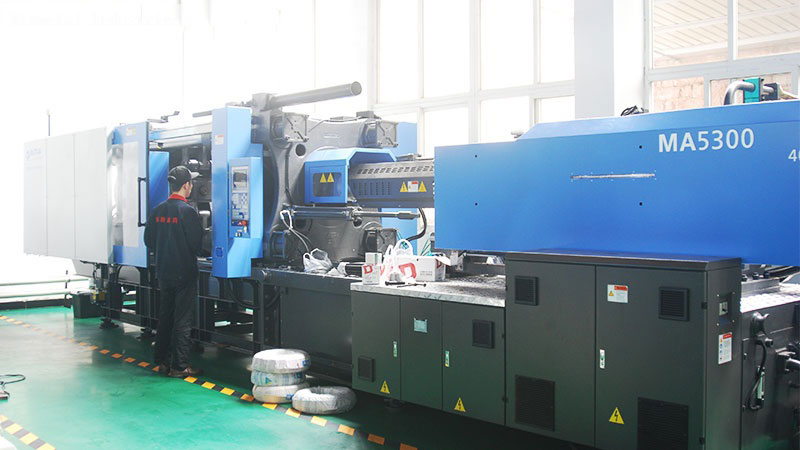
The cornerstone of any successful import project is rigorous supplier verification. In 2026, due diligence must be deeper than a website review. Start by verifying business licenses and export credentials through official channels. However, the real insight comes from evaluating manufacturing capability, not just sales pitches. Request and scrutinize a detailed company profile that lists specific machinery—tonnage of injection molding machines, CNC models, EDM equipment, and CMM for quality inspection. Crucially, ask for at least five case studies of projects similar in size, complexity, and industry to yours. A competent supplier should provide these with client references you can contact. Utilize video call factory tours to observe shop floor organization, technology in use, and safety standards in real-time. This step filters out trading companies masquerading as factories and identifies partners with the tangible capacity to deliver your specific injection mold.
With a verified shortlist, the next phase is technical procurement and precise communication. The single most important document is a comprehensive, collaboratively developed Request for Quotation (RFQ) and technical specification packet. This must include not only part drawings (with GD&T where applicable) but also clear material specifications (grade and supplier of steel or aluminum for the mold, and the intended resin for production), expected cycle times, cavitation requirements, and lifetime expectations. Explicitly define all quality standards, such as SPI, MISUMI, HASCO, or DME, for mold bases and components. During discussions, probe the supplier’s design-for-manufacturability (DFM) process. A reputable China mold factory will always provide a formal DFM report, suggesting improvements to part geometry, gate locations, or cooling channels to enhance moldability and part quality. This collaborative technical dialogue ensures both parties are aligned, preventing costly misunderstandings and change orders later.
Implementing staged quality control is non-negotiable. A proactive, evidence-based QC strategy replaces hope with verification. Insist on a milestone-based inspection protocol tied to payments. Key inspection points typically include: a First Article Inspection (FAI) after the mold design is finalized, critical dimension checks during steel cutting and cavity polishing, and a pre-shipment Trial Run Report. The trial run is paramount. The contract should stipulate that the supplier must produce a sample batch using production-intent materials on video. They must provide a detailed report with data—including process parameters, dimensional measurement results, and photos of finished parts. For high-value or high-volume projects, engaging a local third-party quality inspection service for an on-site audit during the Trial Run is a wise investment. This layered approach to quality control provides objective evidence at each stage, mitigating the risk of receiving a non-conforming injection mold.
Finally, mastering logistics and fostering partnership transforms a transaction into a strategic advantage. Understand the full Incoterms 2020 implications of your agreement; FOB Shenzhen is common, but clarify responsibilities for inland freight, export customs, and loading. Discuss post-sales support upfront: what is the warranty period for workmanship and materials? What are the terms for mold modification? How will they support troubleshooting during your initial production runs? Establishing clear communication protocols, including a single point of technical contact and scheduled update meetings, is essential. View your chosen China mold factory not as a vendor, but as a technical partner. Their expertise in injection molding can be a continuous resource for future projects, cost-saving design iterations, and maintenance. Building this relationship on transparency, documented processes, and mutual respect is the ultimate safeguard and value driver.
In conclusion, importing injection molds from China in 2026 demands a disciplined, informed approach centered on verification, clarity, and control. The landscape rewards buyers who invest time in thorough supplier vetting, who prioritize detailed technical communication, who implement structured quality checkpoints, and who plan for long-term collaboration. By following this professional framework, you move beyond price-centric sourcing to establish a resilient, quality-driven supply chain. The goal is not merely to purchase a tool, but to secure a reliable manufacturing partnership that delivers consistent value, part after part, and project after project.
Work With Us
As a professional China mold manufacturer, we provide one-stop mold solution for overseas buyers.
📞 Phone: +86-18605944639
💬 WhatsApp: +8618605944639
🌐 Website: bestmoldworks.com
📧 Email: [email protected]