Blog

  • silicone mold factory china: Professional Buying Guide 2026

    For overseas buyers, the decision to import molds from China represents a significant strategic advantage, offering unparalleled cost efficiency and manufacturing scalability. However, navigating the vast landscape of suppliers to identify a truly reliable **silicone mold factory china** can be a complex undertaking fraught with potential pitfalls. This professional buying guide for 2026 is designed to cut through the noise, providing you with actionable, real-world strategies to streamline your procurement process, mitigate risks, and secure a partnership that delivers consistent quality and value. We move beyond simple directory listings to solve the core problems faced by international procurement teams.

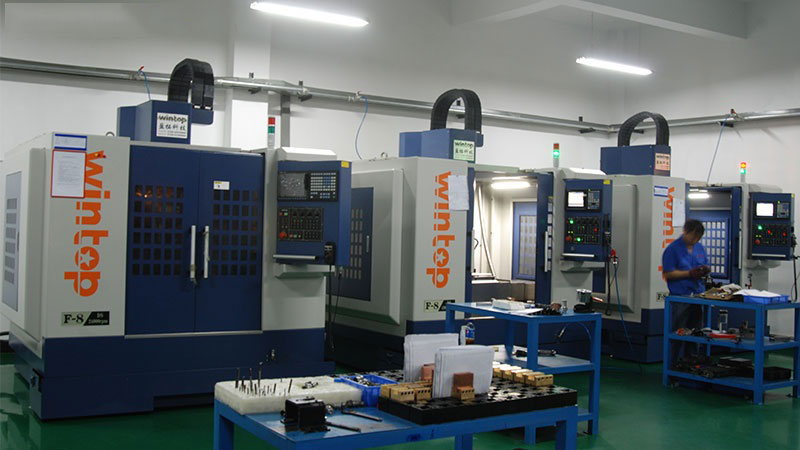
    The cornerstone of any successful import venture is rigorous supplier verification. In 2026, due diligence must extend far beyond a factory’s website or Alibaba storefront. Begin with a multi-faceted verification approach. First, insist on official business licenses and export records to confirm legitimacy. Second, leverage video conferencing tools to conduct live virtual factory tours; this allows you to assess workshop organization, machinery, and working conditions in real-time. Third, scrutinize their portfolio with a critical eye, requesting detailed case studies of projects similar to yours, particularly for overseas clients. Ask for specific references and, where possible, contact them. Finally, verify their expertise in your required process, whether it’s liquid silicone rubber (LSR) molding, compression molding, or intricate multi-cavity designs. A professional **China mold factory** will be transparent and proactive in providing this information.

    Once a potential partner is identified, mastering the technical and commercial discussion is paramount. Clear communication of your specifications is non-negotiable. Provide comprehensive 3D drawings (STEP or IGS files are preferred) with explicit tolerance levels, material specifications (e.g., FDA-grade, high-temperature resistant silicone), and expected production volumes. Discuss the mold flow analysis they will perform to prevent defects—this is a key indicator of technical proficiency. On the commercial side, understand the cost breakdown. The quotation should detail mold steel grade (such as 718 or NAK80), cavity life expectancy, lead time for both mold making and sample production, and payment terms. Remember, the cheapest **injection mold** quote often carries hidden costs in the form of poor durability, extended delays, or subpar part quality. Focus on total cost of ownership over the mold’s lifespan.

    Implementing a robust quality control protocol from the outset is what separates successful importers from those facing costly rejections. Your agreement must define clear Quality Inspection standards, referencing international norms like ISO or specific ASTM standards for silicone. The First Article Inspection (FAI) report upon sample completion is your most critical checkpoint. It should include full-dimensional inspection data, material certification, and functional test results. For ongoing production, specify the frequency of In-Process Quality Control (IPQC) and the AQL (Acceptable Quality Level) for final random inspections. Many buyers engage a trusted third-party quality inspection service within China to conduct pre-shipment inspections, providing an unbiased assessment before the molds or initial production batches are dispatched. This layer of oversight is invaluable.

    Building a sustainable partnership requires foresight beyond the initial order. Discuss post-sales support and long-term considerations upfront. A professional **silicone mold factory china** will offer a clear mold warranty period, typically covering workmanship and material defects for a set number of shots or duration. Understand their policy on mold maintenance, repair, and storage if production is cyclical. Furthermore, with increasing global emphasis on sustainability, inquire about material traceability and compliance with regulations such as REACH or RoHS, which is crucial for markets in the EU and North America. Establishing a relationship based on continuous improvement and open communication will yield better pricing, priority scheduling, and collaborative problem-solving for future projects, turning a transactional supplier into a strategic extension of your manufacturing capability.

    In conclusion, importing molds from China in 2026 demands a blend of meticulous verification, technical clarity, and proactive quality management. The landscape is competitive, but by applying this structured approach—from deep supplier vetting to enforcing stringent QC measures—you can confidently navigate the **procurement** journey. The goal is not merely to find a vendor but to partner with a **China mold factory** that demonstrates transparency, technical expertise, and a commitment to aligning with your quality and business objectives. By investing time in these foundational steps, you secure not just a product, but a reliable supply chain asset that will drive your product’s success for years to come.

    Work With Us

    As a professional China mold manufacturer, we provide one-stop mold solution for overseas buyers.
    📞 Phone: +86-18605944639
    💬 WhatsApp: +8618605944639
    🌐 Website: bestmoldworks.com
    📧 Email: [email protected]
  • injection mould manufacturers in china: Reliable Manu 2026

    For overseas buyers, sourcing injection molds from China remains a strategic decision to balance cost, capability, and speed to market. However, the landscape is vast and navigating it to find truly reliable partners can be daunting. As we look toward 2026, the criteria for a dependable China mold factory are evolving beyond just price. This guide cuts through the noise to provide actionable, professional advice for importers seeking to build successful, long-term partnerships with injection mould manufacturers in china. We will focus on practical steps for supplier verification, clear communication, and robust quality control to ensure your procurement process is efficient and your project outcomes are predictable.

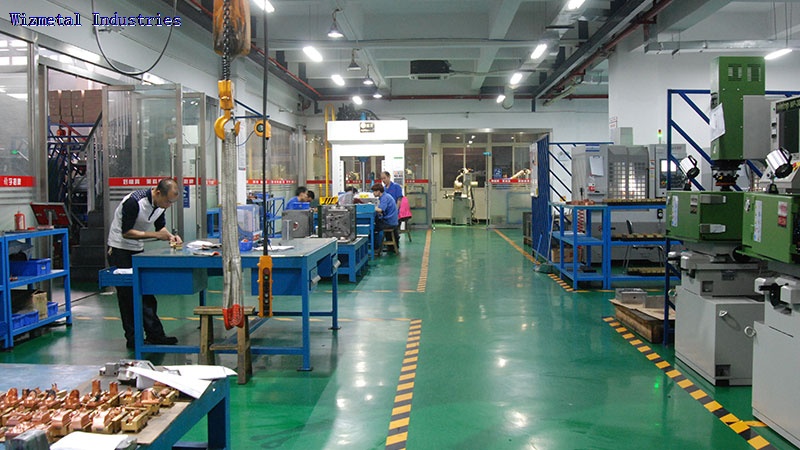
    The foundation of any successful import project is rigorous supplier verification. In 2026, a manufacturer’s digital footprint is as critical as their physical one. Start by moving beyond Alibaba listings. Examine their professional website for detailed case studies, technical blogs, and equipment lists. A reliable injection mold supplier will transparently showcase their machining centers, EDM equipment, and CMM machines. Utilize third-party verification services to check business licenses and export credentials. Crucially, request and actually contact past overseas clients. A video call factory audit is non-negotiable; it allows you to assess workshop organization, technician skill, and quality culture in real-time. Pay close attention to their project management structure—a dedicated English-speaking project engineer is a strong indicator of professionalism and their experience in handling overseas procurement cycles.

    Once a potential partner is identified, mastering technical communication is your next hurdle. Ambiguity in drawings and specifications is the primary cause of mold defects and delays. Develop a comprehensive technical data pack that includes not just 3D CAD files and 2D drawings, but also a detailed specification sheet. This document should explicitly state critical factors: mold steel grade and hardness, surface finish requirements, tolerance standards, cavity pressure data, and expected cycle times. Discuss and agree upon the mold flow analysis report before steel is cut; a competent manufacturer will proactively provide this to predict and prevent filling issues. Establish a single point of contact for technical queries and insist on regular, scheduled update meetings. This structured approach ensures both parties share a unified vision for the injection mold, minimizing costly revisions.

    Implementing a staged quality control protocol is what separates successful imports from problematic ones. Do not wait until the final inspection to check the mold. Insist on critical stage inspections. The first should be after the mold design is finalized, before manufacturing begins. The second, a First Article Inspection (FAI), should occur after the initial mold trial, with samples measured against your CAD data. Use these sample parts for functional testing in your own facility. For high-volume or precision molds, consider engaging a local third-party quality inspection firm to conduct these checks on your behalf. Clearly define the acceptance criteria, including the number of successful trial shots required and the permissible part dimensions. A reliable China mold factory will not resist this transparent QC process but will embrace it as a sign of a serious, professional partnership.

    Understanding and negotiating the commercial terms clearly is vital for a smooth partnership. The quotation from injection mould manufacturers in china can vary significantly based on what is included. Scrutinize whether the price covers design, mold flow analysis, trial shots, standard mold base, or special components like hot runners. Clarify payment terms; a common and balanced structure is 30-40% deposit, 40-50% after initial trial, and the balance before shipment. Discuss intellectual property protection explicitly—a reputable manufacturer will sign an NDA and may even have their own IP protection protocols. Finally, factor in logistics and after-sales support. Who handles shipping and customs clearance? What is the warranty period for workmanship and materials? How are repair requests or future mold modifications handled and priced? Addressing these points contractually prevents disputes and ensures long-term reliability.

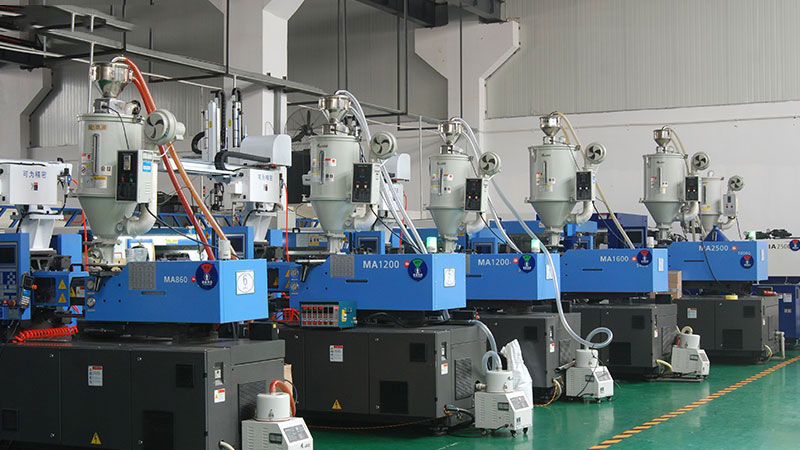
    The journey does not end when the mold is shipped. Reliable manufacturing in 2026 is defined by consistent part production, not just a one-time mold delivery. Discuss your ongoing production needs upfront. Will the same China mold factory handle mass production, or will the mold be transferred? If they are to be your production partner, audit their injection molding floor with the same rigor as their mold shop. Evaluate their material handling, process control, and post-production capabilities. If the mold is to be used elsewhere, ensure you receive complete documentation: final drawings, maintenance manuals, and a list of spare components. Building a relationship based on continuous improvement, where feedback from production informs future designs, turns a single transaction into a valuable strategic alliance.

    Conclusion

    Sourcing from injection mold manufacturers in China in 2026 demands a blend of due diligence, technical clarity, and proactive partnership management. The most reliable partners are those who welcome transparency, invest in advanced technology, and view your success as integral to their own. By implementing stringent supplier verification, mastering technical communication, enforcing staged quality control, and negotiating clear commercial terms, overseas buyers can significantly mitigate risk. The goal is to move beyond finding a simple supplier to cultivating a collaborative engineering relationship. This professional approach unlocks the full potential of Chinese manufacturing, delivering not just cost savings, but also innovation, quality, and a competitive edge in your market.

    Work With Us

    As a professional China mold manufacturer, we provide one-stop mold solution for overseas buyers.
    📞 Phone: +86-18605944639
    💬 WhatsApp: +8618605944639
    🌐 Website: bestmoldworks.com
    📧 Email: [email protected]
  • custom injection mold: Expert Tips & Solutions 2026

    For overseas buyers, procuring a custom injection mold from China represents a significant opportunity to achieve substantial cost savings and access world-class manufacturing capabilities. However, the journey from concept to a high-quality, production-ready mold involves navigating a complex landscape. The process extends far beyond simply finding a low quote. Success hinges on strategic planning, meticulous supplier verification, and robust quality control protocols. This guide provides expert tips and forward-looking solutions for 2026, designed to help you mitigate risks, ensure value, and build a productive partnership with a China mold factory.

    The foundation of a successful project is a comprehensive and unambiguous Request for Quotation (RFQ). Many misunderstandings and cost overruns stem from incomplete initial specifications. Do not merely send a 3D model of your final part. Your RFQ package must include detailed mold specifications: the required material (e.g., POM, ABS, PP), annual production volume, expected cycle time targets, and cosmetic finish requirements (e.g., SPI standard). Crucially, specify the mold steel grade (such as 718H, S136, or NAK80) and the expected mold life (e.g., 500,000 cycles). Clearly state all part tolerances and identify critical dimensions. Providing a fully annotated 2D drawing alongside the 3D file is a professional practice that eliminates guesswork for the supplier and allows for accurate, comparable quotations, forming a solid basis for your custom injection mold procurement.

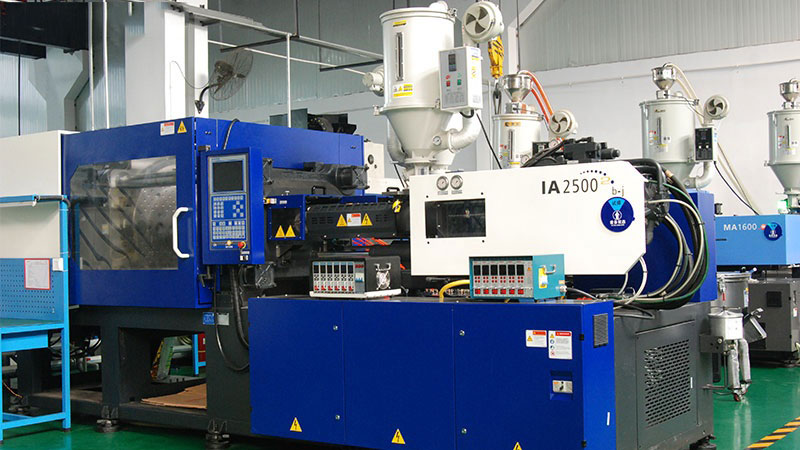
    Supplier verification is the single most critical step in your procurement process. In 2026, due diligence must go deeper than a website review and a few video calls. Begin by verifying the supplier’s business license and export credentials. Insist on a virtual factory tour via live video feed, not pre-recorded videos, to assess their actual shop floor, machinery (look for brands like DMG Mori, Sodick, or Haitian injection molding machines), and 5S organization. Request and contact references from their existing overseas clients, specifically those with similar project complexity. Examine their in-house engineering capability; a strong China mold factory will have a dedicated team that can offer Design for Manufacturability (DFM) feedback to optimize your part for molding, potentially saving cost and improving quality. Third-party verification platforms and onsite audits conducted by trusted local agents remain invaluable investments for high-value projects.

    A clear and legally sound contractual framework is non-negotiable. Your purchase agreement must transcend a simple price and delivery date. It should explicitly detail all technical specifications from the RFQ, payment terms (e.g., 50% deposit, 40% after T1 sample approval, 10% after shipment), and the milestone-based approval process. Crucially, define the sample approval procedure: how many trial shots (T1, T2) are included, who pays for sample material, and the process for submitting and approving sample inspection reports. Include intellectual property (IP) protection clauses that confirm your ownership of all part and mold designs. Specify the protocol for handling design changes after the order is placed, including cost and timeline impact. A professional contract aligns expectations and provides a clear recourse mechanism, protecting both parties.

    Proactive quality control cannot be an afterthought; it must be integrated throughout the mold manufacturing lifecycle. Do not wait until the final sample to inspect. Implement staged inspections at critical milestones: after mold design review, after rough machining, after heat treatment (request certification reports), and after electrical discharge machining (EDM) and polishing. For overseas buyers, partnering with a third-party quality inspection firm in China for these Pre-Shipment Inspections (PSI) is a highly effective solution. During the Trial Run (T1), the focus should be on the mold itself, not just the parts. Request a detailed trial report with photos and videos of the mold in operation, pressure curves, and data from cavity pressure sensors if available. Measure critical part dimensions yourself or via your agent, using the First Article Inspection (FAI) report to verify conformity.

    Effective communication and project management are the glue that holds the entire process together. Recognize the time zone and cultural differences. Assign a dedicated project manager on your side to serve as the single point of contact. Use collaborative project management tools that allow for transparent tracking of tasks, file versions, and feedback. Schedule regular, structured update meetings—weekly is often ideal—requiring the supplier to share progress photos and videos. Cultivate a partnership mindset; view your China mold factory as a technical collaborator. Encourage open dialogue, listen to their engineering suggestions, and address issues promptly and collaboratively. This approach fosters trust and often leads to a superior technical outcome for your custom injection mold.

    Importing a custom injection mold from China in 2026 demands a blend of technical rigor, diligent verification, and strategic partnership management. The lowest initial cost can become the most expensive if it leads to poor quality, delays, and mold failure. By investing time in creating a detailed RFQ, conducting thorough supplier verification, establishing a solid contract, implementing staged quality control, and maintaining professional communication, you transform a complex procurement challenge into a competitive advantage. The goal is not just to buy a mold, but to secure a reliable manufacturing asset and a capable long-term partner for your injection molding needs, ensuring quality and consistency in your final production parts for years to come.

    Work With Us

    As a professional China mold manufacturer, we provide one-stop mold solution for overseas buyers.
    📞 Phone: +86-18605944639
    💬 WhatsApp: +8618605944639
    🌐 Website: bestmoldworks.com
    📧 Email: [email protected]
  • mold tooling: Professional Buying Guide 2026 | China Mold Factory

    For overseas buyers, sourcing mold tooling from China remains a strategic decision to balance cost, capability, and speed to market. However, navigating the vast landscape of China mold factory options can be daunting, with risks ranging from miscommunication to substandard quality. This professional guide for 2026 cuts through the noise, offering actionable, real-world strategies to streamline your procurement process and secure a reliable partnership for your injection mold and tooling needs.

    Mastering the Pre-Procurement Specification Phase

    The foundation of a successful mold tooling project is laid long before you request a quote. Ambiguity is your greatest enemy. Begin with comprehensive, unambiguous technical specifications. This includes detailed 3D CAD models (STEP or IGES preferred), 2D drawings with critical tolerances, GD&T callouts, and material specifications (both for the mold steel, like P20, H13, or S136, and the intended production plastic). Clearly define part volumes, expected cycle times, and cosmetic requirements (e.g., SPI finish standards). Furthermore, specify secondary operations: will the China mold factory handle texturing, hot runner system integration, or provide mold flow analysis? Providing a detailed RFQ package not only elicits more accurate comparable quotes but also immediately filters out suppliers incapable of handling complex projects, setting the stage for a professional engagement.

    Conducting Rigorous Supplier Verification and Vetting

    In 2026, due diligence goes beyond checking a website and a price list. Start with a multi-faceted verification approach. Legitimacy checks involve verifying business licenses and export records. Technical capability assessment is crucial: request portfolios of similar projects, ask for videos of tool trials, and insist on a virtual or in-person factory tour to assess their CNC, EDM, and CMM equipment. Critically, investigate their project management structure. Who will be your single point of contact? Is there a dedicated project manager who speaks technical English? A key question is their approach to design for manufacturability (DFM). A proficient China mold factory will always provide a formal DFM report, suggesting improvements to part design that enhance moldability, reduce cost, and improve longevity. This step transforms the relationship from a simple vendor transaction to a technical collaboration.

    Structuring Contracts and Communication for Clarity

    A clear contract is your primary risk mitigation tool. Move beyond simple price and delivery terms. The contract should explicitly itemize costs for the mold base, cavities, cores, components, and any ancillary services. Define the payment schedule meticulously—a common structure is 30-50% deposit, 40-50% before shipment, and 10% retention after sample approval. Crucially, incorporate milestones with deliverables: DFM report approval, T1 sample submission with CMM reports, and final pre-shipment inspection (PSI). Establish a formal communication protocol: weekly update reports with photos/videos, scheduled video conference calls after each milestone, and the use of shared cloud platforms for document exchange. This structured approach prevents “black box” periods where you have no visibility into your investment’s progress.

    Implementing Proactive Quality Control Throughout the Process

    Quality cannot be inspected into a finished mold; it must be built in. Relying solely on final inspection is a high-risk strategy. Instead, implement layered quality control checkpoints. Require material certificates for the mold steel upon purchase. Insist on in-process photos and inspection reports for key stages: mold base machining, cavity/core finishing, and assembly. The First Article Inspection (FAI) is non-negotiable. Upon receiving T1 samples, you should also receive a complete dimensional report from the China mold factory’s CMM, verifying the part against your original drawings. For critical projects, consider engaging a local third-party quality inspection agency to conduct an Initial Production Check (IPC) during the tool trial or a Pre-Shipment Inspection. This independent verification adds a final layer of assurance before the mold tooling is crated and shipped.

    Navigating Logistics, IP Protection, and Long-Term Partnership

    The final hurdle involves securing your asset and planning for the future. Discuss Incoterms (typically FOB or EXW) explicitly to clarify responsibilities and costs for shipping and insurance. Ensure proper mold packaging—soft jaws, rust prevention, and sturdy crating—to prevent transit damage. Regarding Intellectual Property (IP), a robust NDA is essential, but for ultimate security, consider splitting the mold manufacturing between two suppliers for sensitive components. Finally, view successful mold tooling procurement as the start of a partnership. A reliable China mold factory becomes an extension of your engineering team, crucial for future modifications, maintenance, and repairs. Document all agreed-upon processes and build a relationship based on transparency and achieved results.

    Conclusion

    Successfully importing mold tooling from China in 2026 demands a disciplined, process-oriented approach that prioritizes clarity, verification, and proactive management. By investing time in meticulous specifications, conducting thorough supplier vetting, structuring clear contracts with staged payments, enforcing rigorous quality control checkpoints, and securing your logistics and IP, you transform a potentially risky venture into a competitive advantage. The goal is to move beyond finding the lowest cost to identifying the highest-value partner—a professional China mold factory capable of delivering precision, reliability, and a seamless collaboration that supports your product’s success for years to come.

    Work With Us

    As a professional China mold manufacturer, we provide one-stop mold solution for overseas buyers.
    📞 Phone: +86-18605944639
    💬 WhatsApp: +8618605944639
    🌐 Website: bestmoldworks.com
    📧 Email: [email protected]
  • china plastic injection mold manufacturer: Profession 2026

    For overseas businesses, sourcing from a China plastic injection mold manufacturer remains one of the most potent strategies for achieving cost efficiency and scaling production. However, the landscape in 2026 is not about finding the cheapest supplier; it’s about identifying the most professionally capable partner. The profession of mold manufacturing in China has evolved dramatically, with leading factories now integrating advanced engineering, digital project management, and stringent quality systems to rival global standards. This guide cuts through the noise to provide you with actionable, professional insights for a successful procurement journey, ensuring your project leverages China’s manufacturing prowess without the common pitfalls.

    The cornerstone of a successful import project is rigorous supplier verification. Moving beyond Alibaba listings and basic websites is non-negotiable in 2026. Start by scrutinizing the manufacturer’s engineering capabilities. Do they have in-house design and simulation software (like Moldflow) to validate mold designs before steel is cut? Request detailed case studies of projects similar in complexity, material, and volume to yours. A professional China mold factory will readily provide these and arrange a live video tour of their facility. This allows you to verify their machinery (e.g., high-speed CNC, EDM, CMM measuring machines) and workshop organization. Furthermore, insist on speaking directly with the project engineer assigned to your account, not just a sales representative. This step filters out trading companies and identifies true manufacturing partners with technical depth.

    Once a partner is selected, defining and agreeing upon a comprehensive quality control protocol is critical. The most common point of failure is ambiguous expectations. A professional manufacturer expects and respects detailed specifications. Provide a fully dimensioned 3D product file (STEP or IGS) and a 2D drawing with critical tolerances, surface finish requirements (SPI standards), and part material specifications. Discuss and document the quality control milestones: First Article Inspection (FAI) with a dimensional report, T1 sample approval process, and the final pre-shipment audit. For high-volume or critical molds, plan for an independent third-party inspection during the T1 sample stage. This proactive investment mitigates the risk of mass-producing defective parts later. Clear QC protocols align both parties and transform quality from a hopeful expectation into a managed, verifiable process.

    Effective procurement in 2026 hinges on mastering project management and communication. The time zone and language differences are manageable with structure. Insist on a single point of contact—a project manager who is fluent in English and technical jargon. Establish a regular update schedule (e.g., weekly video calls with shared screens) using platforms like Zoom or Teams. A professional china plastic injection mold manufacturer will use a cloud-based project management system to share real-time progress: design reviews, machining photos, and test reports. Be explicit about your approval requirements at each stage. Additionally, understand the payment terms standard for the industry (e.g., 50% deposit, 40% before shipment, 10% after approval) and ensure they are linked to clear deliverables. Transparent, documented communication prevents misunderstandings and builds a trustworthy partnership.

    Finally, view your mold not as a one-time purchase but as the first step in a long-term production cycle. Discuss post-sales support and maintenance upfront. A reliable supplier will offer a clear mold warranty period (typically 12-24 months against manufacturing defects) and provide spare parts like ejector pins and wear plates. Inquire about their capacity for future production runs and their ability to store your mold securely. For businesses planning sustained production, building a relationship with a manufacturer that also offers injection molding services can streamline the entire supply chain, from prototype to mass production. This integrated approach, offered by forward-thinking suppliers, reduces logistical complexity and ensures consistency in your final plastic parts.

    In conclusion, partnering with a Chinese injection mold manufacturer in 2026 is a profession defined by strategic collaboration, not just transactional buying. The competitive edge is no longer solely in cost but in accessing a mature ecosystem of engineering expertise, digital integration, and quality consciousness. By implementing rigorous supplier verification, establishing crystal-clear quality control benchmarks, enforcing structured communication, and planning for the full product lifecycle, overseas buyers can confidently navigate the market. The goal is to transform the geographical distance into a strategic advantage, leveraging the deep specialization of China’s manufacturing sector to bring high-quality, cost-effective products to your market. Your success lies in choosing a partner whose professional standards match your own.

    Work With Us

    As a professional China mold manufacturer, we provide one-stop mold solution for overseas buyers.
    📞 Phone: +86-18605944639
    💬 WhatsApp: +8618605944639
    🌐 Website: bestmoldworks.com
    📧 Email: [email protected]
  • mold Manufacturerturers near me: Expert Tips & Soluti 2026

    For overseas buyers, the search for “mold manufacturers near me” often leads to a critical realization: the most competitive expertise, technology, and value for injection mold manufacturing are frequently found not locally, but across the globe in China. The geographical distance, however, introduces a layer of complexity to procurement. Successfully navigating this landscape requires a strategic approach built on verification, communication, and rigorous quality control. This guide provides actionable, professional solutions for importers aiming to build profitable and reliable supply chains with Chinese mold factories in 2026 and beyond.

    The initial challenge in shifting your search from “mold manufacturers near me” to identifying top-tier partners in China is effective supplier verification. In 2026, due diligence goes far beyond a simple website check. Start by leveraging professional B2B platforms like Alibaba, Made-in-China, or Global Sources, but use them as a starting point for deeper investigation. Scrutinize supplier profiles for authentic business licenses, factory location, and years in operation. The most critical step is to request and analyze a comprehensive portfolio. A professional China mold factory will readily share case studies, 3D drawings, and videos of previous projects, especially those for international clients. Look for experience with products similar to yours in material, complexity, and industry. Third-party verification services can also be invaluable for confirming operational scale and reputation.

    Once a shortlist is established, mastering technical and commercial communication becomes paramount. The goal is to eliminate ambiguity. When requesting a quotation, provide an exceptionally detailed RFQ (Request for Quotation). This should include not just part drawings (STEP, IGS, or X_T files are preferred), but also material specifications, expected annual volumes, cavity requirements, surface finish standards (e.g., SPI standards), and tolerance expectations. Discuss and agree upon the mold lifecycle—will the supplier maintain the mold? What are the terms for future repairs or modifications? Clearly outline payment terms, typically a staggered structure (e.g., 30-50% deposit, 40% before shipment, 10% after approval). Using detailed proforma invoices and purchase orders protects both parties and sets a professional tone for the entire project.

    The core of a successful import strategy lies in implementing a robust, multi-stage quality control protocol. For injection molds, quality cannot be inspected into the product at the end; it must be built into the process. Insist on a structured Design for Manufacturability (DFM) review before steel is cut. A competent manufacturer will provide feedback on your design to improve moldability and durability. During manufacturing, mandate regular progress reports with photos and videos. Key milestones for inspection include: material certification for the mold steel, T1 sample approval from the actual mold (not just a 3D print), and a final pre-shipment inspection that checks every detail against the agreed specifications. Consider hiring a local third-party quality inspection firm for the critical T1 sample stage to provide an unbiased, expert assessment before the mold leaves the factory.

    Logistics, intellectual property protection, and post-sales support are the pillars that secure long-term value. Understand Incoterms 2020 thoroughly; FOB is common, but you may consider EXW for more control or CIF for simplicity. Ensure the China mold factory provides a complete mold manual, including maintenance instructions, spare parts list, and assembly drawings. Protecting your IP is non-negotiable. A formal Non-Disclosure Agreement (NDA) must be signed before sharing sensitive designs. For critical projects, consider registering your design in China. Finally, evaluate the supplier’s post-sales support. How will they handle troubleshooting? What is their policy on warranty for workmanship and materials? A reliable partner views the mold delivery as the beginning of a relationship, not the end of a transaction.

    In conclusion, while the query “mold manufacturers near me” offers convenience, the strategic pivot to specialized Chinese manufacturers unlocks unparalleled value, scalability, and technical capability. The procurement journey, from meticulous supplier verification and crystal-clear communication to rigorous in-process quality control and solid logistical planning, demands a professional and proactive approach. By adopting these expert solutions, overseas buyers can transform the perceived challenges of distance into a formidable competitive advantage. In 2026, the most successful importers will be those who build bridges of transparency and quality with their Chinese partners, ensuring not just a successful first mold but a foundation for years of efficient production.

    Work With Us

    As a professional China mold manufacturer, we provide one-stop mold solution for overseas buyers.
    📞 Phone: +86-18605944639
    💬 WhatsApp: +8618605944639
    🌐 Website: bestmoldworks.com
    📧 Email: [email protected]

  • how much does a custom plastic mold cost: Professional 2026

    For any overseas buyer looking to manufacture plastic parts, understanding the investment in tooling is the critical first step. The question, “how much does a custom plastic mold cost,” is deceptively simple, as the answer spans a range from a few thousand to several hundred thousand dollars. In 2026, with advancements in manufacturing technology and a more mature global supply chain, procuring injection molds from China remains a highly strategic move for cost-effectiveness and scale. However, navigating this landscape requires professional insight to transform a significant upfront investment into a long-term asset. This guide cuts through the ambiguity, providing a clear framework for budgeting and actionable strategies for successful procurement from a China mold factory.

    The primary determinant of cost is mold complexity, which is directly tied to your part design. A simple, single-cavity mold for a flat, featureless component will reside at the lower end of the spectrum. Costs escalate with the addition of undercuts (requiring side-actions or lifters), intricate core geometries, tight tolerances (often below ±0.05mm), and fine surface finishes (such as SPI-A1 mirror polish). Furthermore, the choice of mold material is a pivotal cost driver. Pre-hardened steels like P20 are standard for medium runs, while hardened steels like H13 or stainless steels are essential for high-volume production or corrosive plastics, adding 30-50% or more to the base cost. A professional China mold factory will always request a detailed 3D part file to conduct a Design for Manufacturability (DFM) analysis, which is an indispensable step for accurate quoting and avoiding costly redesigns later.

    Beyond the physical mold, your production requirements fundamentally shape the price. The number of cavities in the injection mold directly multiplies the cost; an 8-cavity mold is not simply double the price of a 4-cavity one, but the increase is substantial. Expected production volume dictates the required robustness and steel quality. For a prototype or short run of 10,000 parts, an aluminum mold might be a cost-effective choice. For a million-part order, a high-grade steel mold with superior cooling and wear resistance is non-negotiable. Additionally, consider ancillary costs: mold flow analysis (a wise upfront investment to prevent filling issues), required certifications (like ISO 9001), and the level of post-mold services, such as sampling and initial production runs. A transparent supplier will break down these elements in their quotation.

    The single most critical factor in ensuring you receive value for your investment is rigorous supplier verification. The variance in quotes from different Chinese manufacturers can be staggering, and the lowest bid often carries hidden risks. Professional procurement mandates moving beyond Alibaba listings. Conduct video meetings to tour the facility virtually; a reputable China mold factory will readily showcase their CNC, EDM, and quality control labs. Request and physically inspect mold samples from previous clients, paying close attention to finish and precision. Verify their experience with similar materials and industries. This due diligence process filters out trading companies and subpar workshops, connecting you with engineering partners capable of delivering a reliable, durable tool. Remember, the true cost of a mold failure during production far exceeds any initial savings.

    Once a partner is selected, implementing a structured quality control protocol is paramount. A clear, technical agreement should define all specifications: steel grade certificates, mold life expectancy, cavity surface finish, tolerance standards, and approval procedures. Insist on staged payments linked to milestones: deposit, design approval, steel purchase, first trial (T1) sample shipment. The T1 sample is your first tangible deliverable; measure it against your master sample or CAD model. Many buyers engage third-party inspection services in China for critical checkpoints, such as pre-shipment inspections (PSI) after final assembly. This independent verification provides an objective assessment of workmanship and ensures the injection mold meets all agreed criteria before it leaves the factory, preventing costly disputes and delays.

    In conclusion, while providing a single figure for how much a custom plastic mold costs is impossible, a professional approach in 2026 empowers you to budget accurately and procure successfully. The final price is a synthesis of part design, material science, production needs, and most importantly, the competency of your chosen partner. By investing time in thorough supplier verification and enforcing rigorous quality control from DFM to final inspection, you transform the mold procurement process from a daunting expense into a strategic foundation for your product’s success. The goal is not merely to purchase a tool, but to establish a partnership with a China mold factory that delivers quality, consistency, and value for years of production to come.

    Work With Us

    As a professional China mold manufacturer, we provide one-stop mold solution for overseas buyers.
    📞 Phone: +86-18605944639
    💬 WhatsApp: +8618605944639
    🌐 Website: bestmoldworks.com
    📧 Email: [email protected]

  • plastic injection molding factory near me: Expert Tips 2026

    For overseas buyers, the search for a “plastic injection molding factory near me” often concludes with a strategic pivot towards China, the global epicenter of mold manufacturing. While proximity is ideal, the unparalleled combination of technical expertise, advanced capabilities, and cost efficiency offered by Chinese mold factories makes them an indispensable part of the international supply chain. However, navigating this landscape from afar presents unique challenges. This guide provides expert, actionable tips for 2026, designed to help you procure high-quality injection molds from China with confidence, turning geographical distance into a competitive advantage.

    **Redefining “Near Me” Through Strategic Supplier Verification**

    In 2026, “near me” is less about physical distance and more about logistical and communicative proximity. Your first critical step is rigorous supplier verification. Moving beyond Alibaba storefronts, leverage professional B2B platforms like Global Sources or Made-in-China for initial longlists. The true verification, however, happens through due diligence. Request and scrutinize business licenses (营业执照), and use third-party verification services to confirm factory existence and scale. Insist on a video tour of the production floor; a reputable China mold factory will readily conduct a live walkthrough, showcasing their CNC machines, EDM equipment, and quality control lab. This virtual presence bridges the distance, allowing you to “visit” the facility from your office and verify their claimed capabilities firsthand, ensuring they are a genuine manufacturer and not a trading intermediary.

    **Mastering Technical Communication and Digital Prototyping**

    Clear technical communication is the bedrock of successful injection mold procurement. In 2026, expertise means providing impeccable design-for-manufacturability (DFM) feedback. Before requesting quotes, prepare a comprehensive package: detailed 3D drawings (STEP or IGES files), 2D drawings with critical tolerances and surface finish specifications (SPI standards), and a clear material selection. The most reliable partners will proactively provide DFM analysis, suggesting draft angles, wall thickness optimization, and gate locations to improve moldability and reduce cost. Utilize digital collaboration tools. Platforms that allow real-time annotation on drawings and shared project management spaces are invaluable. This process filters out suppliers who simply quote from drawings from those who offer true engineering partnership, minimizing costly revisions later.

    **Implementing Tiered Quality Control from Design to Shipment**

    Quality control cannot be an afterthought; it must be a phased, integrated process. For your injection mold project, define clear QC milestones with your chosen supplier. First, approve a mold flow analysis report to predict filling patterns and potential defects. Second, require and inspect first-article inspection (FAI) reports from the initial sample shots, comparing critical dimensions against your CAD data. For high-stakes projects, engage a local third-party inspection company to conduct an Initial Sample Inspection (ISI) during the T1 sample stage. Finally, implement a Pre-Shipment Inspection (PSI) where inspectors check the final production samples and the physical mold itself for workmanship. This tiered approach shifts quality control from a final gatekeeping step to a continuous monitoring process, ensuring issues are caught and resolved when they are least expensive to fix.

    **Structuring Contracts and Logistics for Risk Mitigation**

    A professional contract is your ultimate risk mitigation tool. Beyond unit price, your agreement must explicitly detail payment terms (e.g., 30-50% deposit, balance before shipment), a clear project timeline with milestones, ownership of mold intellectual property (ensuring the mold is returned or destroyed at contract end), and protocols for handling delays or non-conformance. For logistics, “Incoterms 2026” are crucial. For molds, FOB (Free On Board) is standard, giving you control over the shipping line and insurance once the mold leaves the Chinese port. Partner with a freight forwarder experienced in handling delicate, high-value模具 (molds). They can manage customs clearance and advise on proper crating requirements to prevent damage in transit, effectively making the journey from the Chinese factory to your doorstep as seamless as if you were sourcing locally.

    **Building a Partnership Beyond a Transaction**

    The most successful import strategies in 2026 view the China mold factory as a long-term development partner, not just a vendor. Start with a smaller, less critical project to evaluate performance, communication, and problem-solving attitude. A partner invested in your success will provide transparent updates, offer cost-saving suggestions for future projects, and maintain meticulous mold records for maintenance and repair. This relationship transforms the dynamic. When you have a trusted partner, the question of “plastic injection molding factory near me” evolves. You gain a reliable extension of your manufacturing capabilities, where geographical distance is mitigated by trust, proven processes, and shared goals for quality and efficiency.

    **Conclusion**

    Importing molds from China remains one of the most effective strategies for achieving high quality at a competitive cost. The expertise required for 2026 centers on digital verification, precise communication, embedded quality control, and strategic partnership building. By implementing these expert tips, you systematically de-risk the procurement process. You move from searching for a vague “plastic injection molding factory near me” to strategically selecting and managing a verified, capable, and collaborative China mold factory. This disciplined approach turns the complexity of international sourcing into a reliable, scalable, and superior foundation for your plastic part production.

    Work With Us

    As a professional China mold manufacturer, we provide one-stop mold solution for overseas buyers.
    📞 Phone: +86-18605944639
    💬 WhatsApp: +8618605944639
    🌐 Website: bestmoldworks.com
    📧 Email: [email protected]

  • custom silicone mold maker: Reliable Manufacturers Gu 2026

    For overseas buyers, sourcing custom silicone molds from China represents a significant opportunity for cost efficiency, scalability, and access to specialized manufacturing expertise. However, the journey from concept to a high-quality, durable mold in your hands is fraught with potential pitfalls. The landscape in 2026 demands a more sophisticated approach to procurement than ever before. This guide is designed to cut through the noise and provide actionable, professional strategies for identifying and partnering with reliable custom silicone mold makers in China, ensuring your project’s success in the coming year and beyond.

    The core challenge in 2024 and moving into 2025 is not finding a manufacturer, but verifying a capable and trustworthy partner. The market is saturated with options, from highly automated China mold factories to smaller specialized workshops. Your goal is to navigate this complexity with a systematic process that prioritizes clear communication, rigorous verification, and ironclad quality control protocols. The following practical solutions are framed for the discerning buyer who understands that true value lies in reliability and precision, not just the lowest initial quote.

    Conducting Meticulous Supplier Verification and Capability Assessment

    The first and most critical step is thorough supplier verification. Move beyond Alibaba storefronts and glossy brochures. For a custom silicone mold maker, you must assess specific capabilities. Request and scrutinize detailed case studies or portfolios of previous silicone mold projects, paying close attention to complexity similar to yours. Insist on a live video tour of their production facility. This allows you to see their workshop environment, machinery, and workflow firsthand. Verify business licenses and export credentials. Utilize third-party inspection services for an initial background check. Furthermore, directly ask about their experience with secondary processes often required for finished products, such as the integration of inserts for plastic injection mold components that will be used with the silicone mold. A professional factory will be transparent and proud to showcase their operations.

    Mastering Technical Communication and Prototyping Phases

    Ambiguity is the enemy of custom manufacturing. To secure a perfect mold, you must provide impeccable technical data. This includes not just 3D CAD files (in a universal format like STEP or IGS) but also a comprehensive technical specification sheet. Detail the intended material (e.g., platinum-cure vs. tin-cure silicone, Shore hardness), expected production volume, tolerances, surface finish requirements, and part usage. A reliable manufacturer will engage in a technical review, asking clarifying questions. Embrace and budget for a prototyping phase. A 3D-printed or soft aluminum prototype mold is an invaluable investment. It allows for functional testing of the mold design and the resulting cast parts before committing to the high cost of the final, hardened steel mold. This step prevents catastrophic errors and builds a shared understanding between you and your supplier.

    Implementing a Robust Quality Control Framework from DFM to Shipment

    Quality cannot be inspected into a product; it must be built into the process. Your agreement with the China mold factory must outline a clear, staged quality control plan. This begins with a Design for Manufacturability (DFM) report, where the manufacturer suggests optimizations for durability and ease of production. Define the Critical-to-Quality (CTQ) dimensions and inspection points. Require First Article Inspection (FAI) reports with dimensional results from coordinate measuring machines (CMM) or laser scanners for the finished mold. For silicone molds, also stipulate test shots using the actual silicone material you plan to use, with samples shipped to you for approval before mass production. Consider engaging a local third-party quality inspector for pre-shipment inspections to verify workmanship and packaging. This layered QC approach de-risks the entire procurement cycle.

    Navigating Logistics, IP Protection, and Building Partnership

    The responsibilities of a buyer extend beyond the factory gate. Clearly define Incoterms 2026 with your chosen custom silicone mold maker to avoid hidden costs and confusion over shipping and insurance. For valuable molds, ensure proper crating and insurance are included. Intellectual Property (IP) protection is a valid concern. Work with a legal professional to draft a solid Non-Disclosure Agreement (NDA) and consider registering your design in China where possible. However, the strongest protection often lies in building a genuine, long-term partnership with a reputable supplier. Fair negotiation, prompt payment, and respectful communication foster loyalty and a vested interest in your success. View your manufacturer as a strategic extension of your operations, not just a vendor.

    Conclusion

    Importing custom silicone molds from China in 2026 is a strategic endeavor that rewards diligence and a professional approach. The pathway to success is built on systematic supplier verification, unambiguous technical communication, a non-negotiable commitment to quality control, and a mindset geared toward partnership. By implementing these actionable strategies, you transform the complex global procurement process into a reliable, streamlined pipeline for acquiring high-precision tooling. The right custom silicone mold maker in China is not just a supplier but a critical ally in bringing your innovative products to market with efficiency, quality, and competitive advantage. Start your 2026 sourcing journey with these principles, and you will be well-positioned to secure a manufacturing partnership that delivers consistent excellence.

    Work With Us

    As a professional China mold manufacturer, we provide one-stop mold solution for overseas buyers.
    📞 Phone: +86-18605944639
    💬 WhatsApp: +8618605944639
    🌐 Website: bestmoldworks.com
    📧 Email: [email protected]

  • mold factory near me: Ultimate Guide for Buyers 2026

    For overseas buyers, the search for a reliable “mold factory near me” often concludes with a strategic pivot towards the global manufacturing hub: China. The phrase, while geographically specific, underscores a universal need—proximity to expertise, communication, and trust. In 2026, importing molds from China remains a dominant strategy for achieving unparalleled cost-effectiveness and technical capability. However, the real challenge lies not in finding thousands of suppliers, but in pinpointing the one that acts as a true partner. This guide moves beyond basic directories to provide a structured, actionable framework for procurement, ensuring your search for a China mold factory translates into a successful, long-term partnership.

    **Redefining “Near Me”: The Digital and Strategic Proximity Framework**

    In today’s interconnected landscape, “near me” is less about physical distance and more about operational and communicative closeness. Your ideal China mold factory is one that bridges the geographical gap through digital transparency and structured processes. Begin your search by leveraging B2B platforms like Alibaba and Made-in-China, but use advanced filters: focus on suppliers with “Gold Supplier” status, assessed reports, and, crucially, those who offer live factory tours via video. Participate in specialized industry expos such as Chinaplas or the Dongguan International Mold & Metal Exhibition, often accessible virtually. This approach shifts your paradigm from seeking a factory simply near your location to cultivating a partner that feels proximate through reliable, verifiable, and transparent engagement.

    **The Critical Step of Supplier Verification and Capability Assessment**

    Once a shortlist is created, rigorous supplier verification becomes your most important task. Move beyond glossy brochures and request concrete evidence. Demand a detailed company profile including business licenses, export history, and client testimonials, preferably from companies in your region. Scrutinize their technical portfolio: do they have proven experience with your specific type of injection mold, material, and industry? Request and review CAD/CAM software capabilities and ask for sample mold flow analysis reports. A pivotal action is to conduct a virtual audit. A reputable China mold factory will readily arrange a video walkthrough, showcasing their workshop, machinery, quality control stations, and team. This step filters out trading companies and reveals the true manufacturers, aligning your procurement with proven technical competence.

    **Mastering Technical Communication and Prototyping**

    Clear technical communication is the bedrock of a successful mold project. To mitigate risks, invest time in creating a comprehensive and unambiguous Request for Quotation. This should include not just part drawings, but detailed specifications: intended material, annual volumes, cavity requirements, surface finish, tolerance standards, and expected mold lifecycle. Emphasize the importance of Design for Manufacturability feedback; a competent partner will suggest optimizations for cost and performance. Before committing to full production, insist on a prototyping phase. Techniques like 3D printing or a soft-tooled prototype can validate design and function. For injection molds, a T1 sample review is non-negotiable. This stage allows for collaborative refinement, ensuring the final mold meets all specifications before mass production begins, saving substantial cost and time in rework.

    **Implementing Rigorous Quality Control and Logistics Planning**

    Quality control cannot be an afterthought; it must be integrated into the procurement contract. Define clear QC protocols with your chosen China mold factory. Specify which international standards apply and mandate pre-shipment inspections. For critical projects, engage a third-party inspection service in China to conduct checks during key milestones: first article inspection, dimensional report verification, and pre-shipment audit. Discuss and agree upon the logistics framework early. Understand Incoterms thoroughly—FOB, EXW, CIF—and choose the one that gives you optimal control and cost. Plan for mold transportation, which requires specialized handling to prevent damage. A reliable supplier will have experience in exporting molds and can guide you on crating, insurance, and customs documentation, ensuring your asset arrives at your facility ready for production.

    **Building a Partnership for Long-Term Success**

    View your engagement not as a transactional purchase but as a partnership establishment. The goal is to find a mold factory that can support your product lifecycle from initial concept through future iterations. Discuss their capacity for mold maintenance, repair, and storage. A forward-thinking partner will be interested in your long-term roadmap and may offer better terms for ongoing business. Establish clear communication channels and primary points of contact for technical and commercial discussions. Regular, scheduled updates foster trust and preempt problems. This partnership mindset transforms your supplier from a distant vendor into a seamless extension of your own operations, effectively making your trusted China mold factory feel like the most reliable “mold factory near me” in a strategic sense.

    **Conclusion**

    The journey to import high-quality molds from China in 2026 demands a methodical, informed approach. By redefining proximity through digital verification, conducting thorough supplier audits, mastering technical dialogue, enforcing stringent quality control, and fostering a partnership ethos, overseas buyers can navigate the complexities of the market with confidence. The ultimate solution to finding a “mold factory near me” lies in leveraging China’s manufacturing strengths while implementing a robust procurement framework that eliminates distance through professionalism and process. Your success hinges on diligent preparation and choosing a partner whose commitment to quality and communication mirrors your own, ensuring your investment delivers value for years to come.

    Work With Us

    As a professional China mold manufacturer, we provide one-stop mold solution for overseas buyers.
    📞 Phone: +86-18605944639
    💬 WhatsApp: +8618605944639
    🌐 Website: bestmoldworks.com
    📧 Email: [email protected]