Author: moldcustomization

  • precision mold: Complete Procurement Guide 2026 | China Mold Factory

    For overseas buyers, the decision to import a precision mold from China represents a significant strategic move to leverage world-class manufacturing capabilities and cost efficiency. However, the path from concept to a flawless, high-volume production tool is fraught with potential complexities. Navigating the vast landscape of China mold factory options requires a methodical, informed approach. This complete procurement guide for 2026 is designed to cut through the noise, providing you with a professional, actionable framework to secure a reliable partner and a high-quality precision injection mold that meets your exact specifications, timeline, and budgetary requirements.

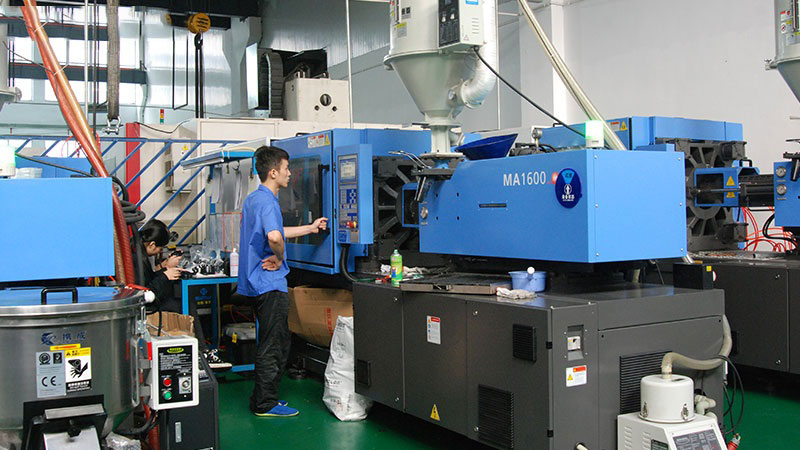
    The cornerstone of a successful procurement project lies in the initial supplier verification process. In 2026, due diligence extends far beyond a simple website review and price comparison. Begin by scrutinizing the factory’s core competencies. A true specialist in precision mold making will openly showcase their portfolio, emphasizing complex parts with tight tolerances, fine surface finishes, and experience with engineering-grade materials. Utilize video conferencing tools to request live, unscheduled virtual tours of their facility. Focus on the condition and calibration of their CNC machining centers, EDM equipment, and CMM inspection tools. Furthermore, verify their business credentials through third-party platforms and insist on contacting at least two existing overseas clients. This step moves you from a list of potential vendors to a shortlist of credible partners capable of delivering the precision you require.

    Once a qualified supplier is identified, the transition to technical specification and quotation is critical. The most common point of failure here is ambiguous communication. To procure a precision mold effectively, you must provide a comprehensive Request for Quotation package. This should include not only 3D CAD models and 2D drawings with unequivocally marked critical dimensions and tolerances but also a detailed specification sheet. This sheet must cover the mold base standard, steel grade and hardness for each component, surface texture requirements, cooling channel design, ejection mechanism, and expected lifecycle. For injection molds, clearly state the resin material, expected annual volumes, and part quality standards. A professional China mold factory will respond with a detailed breakdown, not just a bottom-line price, highlighting their understanding of your needs and potentially offering value-engineering suggestions.

    The procurement journey enters its most decisive phase during the pre-production engineering review and the implementation of staged quality control. Before steel is cut, insist on a formal Design for Manufacturability review. A reputable supplier will provide mold flow analysis reports for injection molds, identifying potential weld lines, air traps, and shrinkage issues, allowing for corrective design adjustments at the lowest cost. Establish clear, milestone-based inspection points tied to payments. Key stages typically include a material certificate review, cavity and core inspection after rough machining, a first article inspection report from the finished mold, and finally, a sample approval process using the mold in their own or a partnered injection molding facility. This proactive, evidence-based quality control strategy is your primary defense against non-conforming tools and project delays.

    Managing logistics, intellectual property, and the commercial agreement forms the final pillar of a secure procurement process. Ensure your commercial terms are explicitly detailed in a proforma invoice and subsequent contract. Use secure payment methods that balance risk, such as a split payment structure. For a precision mold, consider the shipping method carefully; air freight is faster for prototypes, while sea freight is economical for large, heavy molds. Crucially, address intellectual property protection directly. A professional partner will understand this concern. Sign a Non-Disclosure Agreement and consider clauses in your contract that affirm your ownership of all design and tooling. While legal enforcement has its challenges, working with established, reputation-conscious factories significantly mitigates IP risk.

    In conclusion, importing a precision mold from China in 2026 is a highly viable and advantageous strategy for overseas buyers, provided it is executed with rigorous methodology. The process demands moving beyond price as the sole criterion to a holistic evaluation of technical capability, communication clarity, and quality assurance systems. By meticulously verifying your China mold factory, defining specifications with laser precision, enforcing staged quality control checkpoints, and securing clear commercial terms, you transform procurement from a transactional cost-saving exercise into a strategic partnership. This disciplined approach not only secures a high-quality injection mold but also builds a foundational supplier relationship that can deliver competitive advantage for years to come, turning the complexity of global sourcing into one of your business’s greatest strengths.

    Work With Us

    As a professional China mold manufacturer, we provide one-stop mold solution for overseas buyers.
    📞 Phone: +86-18605944639
    💬 WhatsApp: +8618605944639
    🌐 Website: bestmoldworks.com
    📧 Email: [email protected]
  • injection mold factory near me: Complete Procurement Gu 2026

    For overseas buyers, the search for an “injection mold factory near me” often evolves into a global procurement strategy, with China remaining the dominant hub for precision tooling. However, the geographical distance and cultural differences can transform cost savings into complex challenges. This 2026 guide is designed not just to find a supplier, but to architect a reliable, transparent, and quality-driven procurement process. We move beyond simple directory listings to provide a framework for verifying, collaborating with, and managing your chosen China mold factory, ensuring your injection mold investment delivers long-term value.

    Redefining “Near Me” in a Globalized Market

    The instinct to source locally is rooted in the desire for control, easier communication, and logistical simplicity. Yet, for injection molds, where expertise and cost-efficiency are paramount, limiting your search geographically can be a significant strategic disadvantage. In 2026, “near me” should be redefined as “strategically accessible.” This means identifying a China mold factory that operates with the transparency and responsiveness of a local partner, leveraging digital tools to bridge the physical gap. Your goal is to create a virtual proximity through established protocols, making a reputable Chinese manufacturer feel as accessible and accountable as a domestic one. The initial phase of procurement must therefore focus on creating a shortlist of suppliers who demonstrate this capability from the outset.

    Strategic Supplier Verification: Beyond the Website

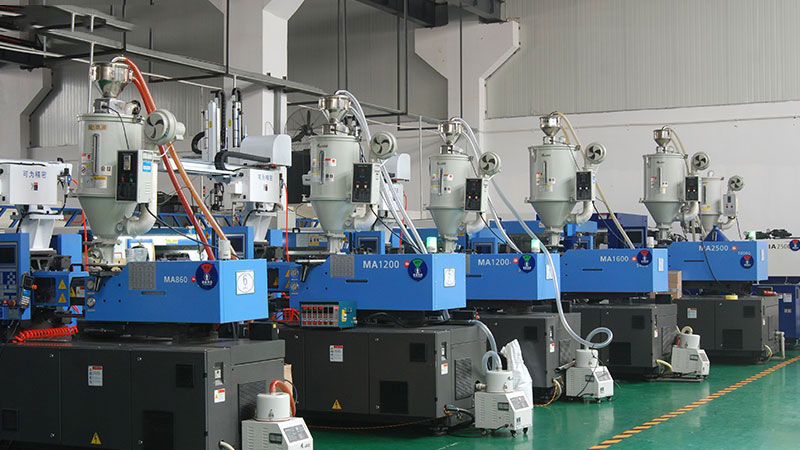
    Finding potential suppliers is easy; verifying their capability and integrity is the critical step. A polished website or Alibaba storefront is merely a starting point. In-depth verification in 2026 involves a multi-layered approach. First, conduct a thorough audit of their technical portfolio: do they have proven experience with your specific material (e.g., engineering plastics, LSR) and product complexity? Request and review case studies or sample molds. Second, insist on a live video tour of their facility. This is non-negotiable. A reputable injection mold factory will readily showcase their CNC machining centers, EDM equipment, CMM inspection rooms, and mold trial presses. Third, utilize third-party verification services for a background check on business licenses, export history, and any legal disputes. Finally, ask for and actually contact 2-3 of their existing overseas clients. This due diligence is your primary shield against risk.

    Engineering Collaboration and DFM as a Cornerstone

    The most successful mold imports are founded on early and deep engineering collaboration. Once you have a verified shortlist, engage them in a Design for Manufacturability (DFM) review before finalizing your design or issuing a purchase order. A professional China mold factory will provide a detailed DFM report, highlighting potential issues in wall thickness, gate locations, ejection, and cooling that could affect cost, cycle time, and part quality. This stage tests their technical expertise and proactive communication. In 2026, leading factories use collaborative platforms where 3D models can be marked up, revisions tracked, and feedback integrated seamlessly. Treat this phase as a paid consultancy; investing in a comprehensive DFM review with your chosen injection mold supplier will prevent exponentially higher costs and delays during production.

    Implementing Tiered Quality Control Milestones

    Quality cannot be inspected into a mold; it must be built into every step. Your procurement contract must define clear, tiered Quality Control (QC) milestones with documented evidence. Key checkpoints include: 1) **Material Certification:** Verification of the steel grade (e.g., 718H, S136) with mill certificates. 2) **First Article Inspection (FAI):** Comprehensive CMM reports on the finished mold cavity and core, comparing actual dimensions to the 3D model. 3) **T1 Sample Approval:** The most critical milestone. Upon the first trial shot, you must receive not only sample parts but also a full mold trial report detailing process parameters, cavity pressure data (if available), and high-resolution photos/videos of the samples. Many buyers now employ third-party QC agencies in China to conduct pre-shipment inspections at the factory, providing an unbiased assessment. Structuring payments linked to these milestones aligns incentives and ensures transparency.

    Logistics, IP Protection, and Long-Term Partnership

    Finalizing the procurement involves safeguarding your asset and planning for the future. Ensure your contract includes clear terms for intellectual property (IP) protection, stating that the mold design and tooling are your exclusive property. Physically, molds should be stamped with your company logo and a unique asset number. For logistics, decide on Incoterms carefully (FOB is common), and work with a freight forwarder experienced in shipping heavy, high-value machinery. Consider mold maintenance: discuss with your supplier the availability of spare parts (like lifters, cylinders) and their policy for repair and maintenance support. A reliable partner will view the initial mold build as the start of a long-term relationship, offering support for production lifespan issues. This forward-thinking approach turns a transactional purchase into a strategic supply chain asset.

    Conclusion

    Procuring an injection mold from China in 2026 is a deliberate process of building a bridge, not just making a purchase. By redefining proximity through digital transparency, conducting rigorous supplier verification, embracing collaborative DFM, enforcing staged quality control, and securing your IP and logistics, you effectively bring your chosen **injection mold factory near me** in operational terms. The ultimate goal is to transform geographical distance into a competitive advantage, securing not only a high-quality tool but also a reliable, expert partner for your manufacturing needs. This structured approach mitigates risk and ensures that your search for a cost-effective **injection mold factory near me** culminates in a successful, long-term investment in quality and innovation.

    Work With Us

    As a professional China mold manufacturer, we provide one-stop mold solution for overseas buyers.
    📞 Phone: +86-18605944639
    💬 WhatsApp: +8618605944639
    🌐 Website: bestmoldworks.com
    📧 Email: [email protected]
  • injection mould manufacturers in china: Best Suppliers 2026

    For overseas buyers, the decision to import molds from China represents a significant strategic advantage, offering unparalleled cost efficiency and manufacturing scalability. However, navigating the vast landscape of injection mould manufacturers in China can be daunting. The market is densely populated with options ranging from world-class operations to small workshops, making supplier identification and verification a critical challenge. This guide is designed to cut through the noise and provide a clear, actionable roadmap for procurement professionals and business owners aiming to secure partnerships with the best injection mold suppliers in 2026. We will focus on practical steps to mitigate risk, ensure quality, and build a reliable supply chain for your injection mold projects.

    Conducting Thorough Supplier Verification Beyond the Website

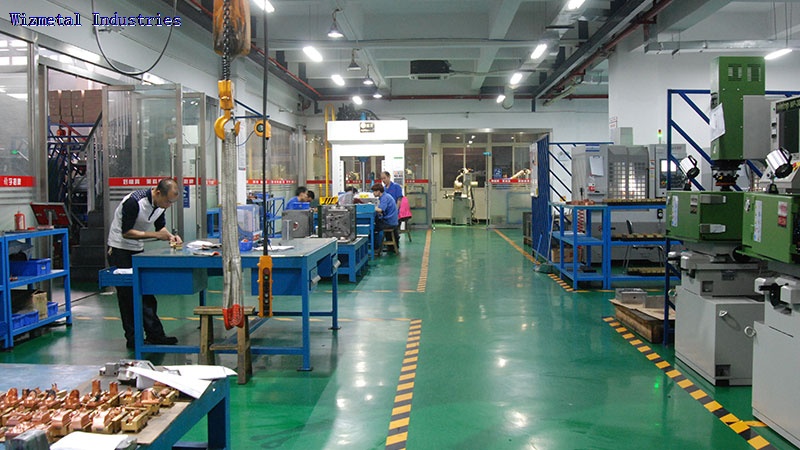
    The first and most crucial step is moving beyond a simple online search. A polished website and fluent English sales representative are baseline expectations, not indicators of reliability. True verification requires a multi-layered approach. Begin by checking business licenses and official registrations. For a deeper dive, insist on a virtual or, ideally, an in-person factory audit conducted by a trusted third-party agent. This audit should scrutinize the workshop’s machinery—are they using modern CNC, EDM, and high-speed milling equipment relevant to your mold’s complexity? Assess their engineering team’s structure and project management process. Furthermore, request and actually contact references from past overseas clients, specifically those in your region or industry. A reputable China mold factory will be transparent and willing to provide this information, viewing it as a step toward a serious partnership.

    Defining Specifications and Emphasizing DFM Collaboration

    A common pitfall in overseas procurement is providing incomplete or rigid specifications and expecting a perfect result. The most successful projects treat the initial phase as a collaborative Design for Manufacturability (DFM) exercise. When you request a quote, provide comprehensive data: 3D CAD files (STEP or IGS), material specifications, expected annual volumes, cycle time targets, and cosmetic requirements. The response from potential injection mould manufacturers in China should not be just a price, but a detailed DFM report. This document demonstrates their engineering capability by highlighting potential issues like undercuts, wall thickness inconsistencies, or gate locations that could affect quality or cost. A supplier who proactively engages in DFM is investing in the project’s success, reducing the risk of costly revisions later. This collaborative approach transforms the supplier from a mere fabricator into a technical partner.

    Implementing a Phased Payment and Quality Control Milestone Plan

    Financial terms and quality assurance are intrinsically linked. A standard 50% deposit and 50% before shipment model offers you little leverage. Instead, negotiate a payment schedule tied to tangible quality control milestones. A structured plan might include: 30% upon order confirmation, 40% upon approval of the first article inspection (FAI) report and sample parts from the mold trial, and the final 30% after final inspection before shipment. This structure aligns the supplier’s cash flow with your quality gates. Crucially, it funds the most important stage—the mold trial and sampling. You must plan to evaluate actual injection-molded samples from the production mold, not just the steel itself. This non-negotiable step verifies part dimensions, function, and surface finish against your approved master sample.

    Building the Relationship with Clear Communication and On-Site Presence

    The transactional model of “send order, receive mold” is high-risk. Building a sustainable relationship is key to long-term success. This starts with clear, documented communication. Use detailed purchase orders, technical agreements, and signed-off samples to eliminate ambiguity. Assign a single point of contact on both sides, but ensure backup channels exist. For critical projects, budgeting for an initial visit or hiring a local sourcing agent for key inspections (like the initial trial run) pays immense dividends. It demonstrates your serious commitment, allows for real-time problem-solving, and provides an unfiltered view of the China mold factory’s operations and culture. This relationship-building fosters trust, leading to better priority treatment and more collaborative problem-solving when unforeseen challenges inevitably arise.

    Planning for the Long-Term: Maintenance, Repairs, and Future Projects

    Your engagement with an injection mold supplier should not end at shipment. Discuss and agree upon post-sale support terms before the order is placed. Reliable suppliers will offer a warranty period (typically 12-24 months) against manufacturing defects in workmanship and materials. Clarify the process for mold repairs and maintenance: Will they store your mold design files for future duplication? What are the costs and lead times for repairing damaged cores or cavities? Establishing a framework for ongoing support turns a one-time procurement into a lasting asset. A successful first mold builds a foundation of trust, streamlining the process for future projects and potentially leading to better pricing and priority as you become a valued, long-term client.

    Conclusion

    Importing injection molds from China in 2026 remains a highly viable strategy for achieving competitive advantage. The journey to finding the best suppliers hinges on a disciplined, proactive approach that prioritizes verification, collaboration, and structured quality control. By moving beyond price as the sole criterion and investing time in thorough supplier vetting, clear technical communication, and relationship building, you can unlock the full potential of Chinese manufacturing. The goal is to transform the complex process of overseas procurement into a streamlined partnership with a capable and reliable China mold factory. By implementing these actionable strategies, you position your business not just to receive a quality injection mold, but to establish a robust and responsive supply chain for years to come.

    Work With Us

    As a professional China mold manufacturer, we provide one-stop mold solution for overseas buyers.
    📞 Phone: +86-18605944639
    💬 WhatsApp: +8618605944639
    🌐 Website: bestmoldworks.com
    📧 Email: [email protected]
  • custom mold: Expert Tips & Solutions 2026 | China Mold Factory

    For overseas buyers, sourcing a custom mold from China represents a significant strategic advantage, offering unparalleled cost efficiency and manufacturing scale. However, the path to a successful procurement journey is often paved with complexities, from supplier verification to final quality assurance. As a leading China mold factory, we understand these challenges intimately. This professional guide for 2026 distills expert insights into actionable solutions, empowering you to navigate the procurement process with confidence and secure a high-quality injection mold that meets your exact specifications.

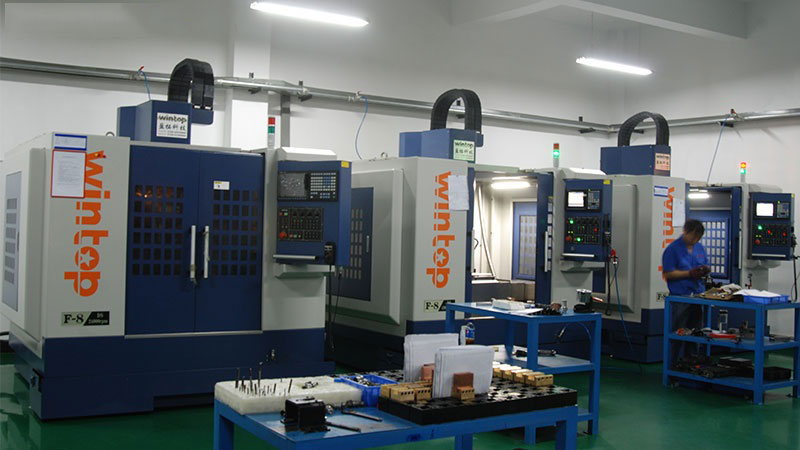
    The cornerstone of a successful import project is rigorous supplier verification. Moving beyond simple online directories is crucial. Begin by shortlisting manufacturers with proven expertise in your specific industry, whether automotive, medical, consumer electronics, or packaging. A professional China mold factory will readily provide detailed case studies and client references. Utilize video conferencing to conduct virtual factory tours, paying close attention to their machinery, workshop organization, and engineering team. Crucially, verify their certifications; ISO 9001 is a baseline, while industry-specific certifications like IATF 16949 for automotive are strong indicators of a mature quality management system. This due diligence phase filters out trading companies and unqualified workshops, ensuring you partner with a capable manufacturer from the outset.

    Once a potential partner is identified, mastering the technical communication and quotation phase is your next critical step. The clarity of your Request for Quotation directly impacts the accuracy and competitiveness of the proposal. Provide comprehensive 3D drawings, material specifications, expected annual volumes, and detailed technical requirements including surface finish, tolerances, and part lifecycle expectations. For an injection mold, discuss mold flow analysis upfront; a reputable supplier will use this simulation to optimize gate location and cooling, preventing costly defects later. Analyze quotations meticulously. Be wary of prices that seem too good to be true, as they often reflect compromises in steel quality, component standards, or engineering rigor. A professional quote should transparently break down costs for design, materials, machining, trials, and post-processing.

    Implementing a staged quality control protocol is non-negotiable for mitigating risk. Do not wait until the final inspection to assess your custom mold. Insist on a defined Quality Control Plan with inspection points at critical milestones. This typically includes a First Article Inspection report for the mold base and core/cavity blocks, and a pre-shipment sample inspection using parts produced from the T1 trial. Partner with a reliable third-party inspection service in China for an impartial assessment at the factory before shipment. They can verify dimensions, material hardness, surface finish, and part functionality against your provided samples and drawings. This proactive approach identifies issues while the mold is still with the manufacturer, making corrections faster, cheaper, and less disruptive than after international shipment.

    Understanding and planning for the mold trial and approval process will prevent project delays. The T1 trial is a collaborative review, not a final sign-off. Expect to provide feedback on part dimensions, appearance, and functionality. A professional China mold factory will document all trial parameters and suggested modifications. Establish a clear sample approval procedure: specify how many trial cycles are included in the initial price, the process for submitting your feedback, and the timeline for implementing changes. Discuss post-sales support explicitly, including warranty terms for workmanship and the availability of spare components like ejector pins and heaters. Securing the mold design and drawing files as part of the contract is also essential for future maintenance or duplication.

    Finally, streamline logistics and protect your intellectual property. Work with your supplier to determine the optimal shipping method—air freight for urgency or sea freight for cost-effectiveness on large molds. Ensure the mold is properly crated and protected against humidity and corrosion during transit. Regarding IP, a trustworthy partner respects confidentiality. Formalize this with a robust Non-Disclosure Agreement. For added security, consider compartmentalizing your design; one factory makes the cavity, another the core, and a third handles final assembly. While more complex, this safeguards your most critical design elements. Clear contractual terms covering IP ownership, payment milestones, liability, and dispute resolution are your ultimate safeguard.

    In conclusion, importing a high-quality custom mold from China in 2026 demands a strategic blend of thorough verification, precise communication, and proactive quality management. By treating your supplier as a strategic partner and implementing these expert tips—from deep-dive supplier audits to staged inspections and clear trial protocols—you transform potential procurement pitfalls into a streamlined, successful collaboration. The goal is not merely to purchase an injection mold but to establish a reliable supply chain asset that delivers consistent, high-quality parts for years to come. With diligent planning and the insights outlined here, your venture with a China mold factory can be a definitive competitive advantage for your business.

    Work With Us

    As a professional China mold manufacturer, we provide one-stop mold solution for overseas buyers.
    📞 Phone: +86-18605944639
    💬 WhatsApp: +8618605944639
    🌐 Website: bestmoldworks.com
    📧 Email: [email protected]
  • china plastic injection mold manufacturer: Complete Pr 2026

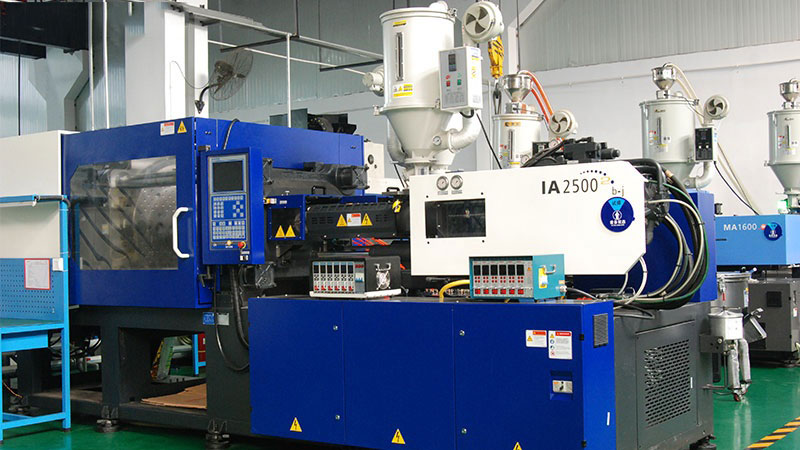
    For overseas buyers, sourcing a reliable china plastic injection mold manufacturer represents one of the most impactful decisions for your product development and manufacturing strategy. The advantages are clear: significant cost savings, extensive manufacturing capabilities, and rapid scalability. However, navigating this complex landscape, especially from afar, presents real challenges in supplier verification, quality assurance, and project management. This guide is designed to cut through the noise and provide a practical, actionable framework for your procurement process in 2026, ensuring you partner with a competent China mold factory that delivers precision, value, and reliability.

    Conducting Deep Supplier Verification Beyond the Surface

    The initial search will yield hundreds of potential suppliers, making rigorous verification non-negotiable. Move beyond glossy websites and Alibaba storefronts. First, insist on a live video tour of the injection mold manufacturing facility. A reputable china plastic injection mold manufacturer will readily showcase their workshop, machinery (look for CNC, EDM, and CMMS brands like DMG Mori, Makino, or Zeiss), and ongoing projects. Second, demand client references, specifically from companies in your region or within your industry. Contact these references directly to inquire about communication, problem-solving, and post-sales support. Third, utilize third-party verification services for a detailed audit of business licenses, export history, and factory operational capacity. This due diligence is your first and most critical filter.

    Mastering the Technical and Commercial Quotation Process

    A clear and comprehensive Request for Quotation (RFQ) is the blueprint for success. Vague inquiries will result in inaccurate quotes and future conflicts. Your RFQ must include: detailed 3D part files (STEP or IGS) and 2D drawings with GD&T; specified mold material (e.g., pre-hardened steel 718H, hardened steel S136, or stainless steel for medical use); expected cavitation (number of cavities); target cycle time; and production volume. For the injection mold itself, stipulate requirements for surface finish (SPI standards), cooling line design, and ejection mechanisms. Explicitly state all quality control protocols, such as first article inspection reports and mold trial video documentation. This clarity allows for apples-to-apples comparisons and reveals which suppliers are technically attentive.

    Implementing a Phased Payment and Quality Control Milestone System

    A transparent payment schedule tied to objective milestones protects both parties and ensures project alignment. Avoid large upfront payments. A structured 2026 approach should be: 30-40% upon order confirmation, 30-40% upon approval of mold trial samples and inspection reports, and the balance after final acceptance and before shipment. Crucially, integrate quality control checkpoints at each phase. After design approval, demand a Design for Manufacturability (DFM) report. During manufacturing, request progress photos of key stages like core and cavity machining. The most critical phase is the Trial Run Report (T1), where you must receive sampled parts, full-dimensional inspection data, and a high-definition video of the mold in operation. This evidence-based process minimizes financial risk and quality surprises.

    Planning for Logistics, IP Protection, and Long-Term Partnership

    Finalizing the mold is only part of the journey. Discuss Incoterms 2020 explicitly—FOB is commonly recommended for overseas buyers as it transfers control of shipping to you upon port loading. Ensure the China mold factory provides a complete mold qualification dossier, including final drawings, maintenance manuals, and a list of spare components. For Intellectual Property (IP) protection, while a strong NDA and contract are essential, practical control is paramount. Work with manufacturers who respect IP as part of their business model and consider compartmentalizing the production of critical components. View successful procurement not as a single transaction but as forging a long-term partnership. A reliable partner will support you with mold modifications, maintenance, and future projects, becoming an integral extension of your supply chain.

    Conclusion

    Importing injection molds from China in 2026 demands a strategic, informed, and meticulous approach. The landscape is competitive, and the opportunities for value creation are immense for buyers who move beyond price-centric sourcing. By implementing a rigorous supplier verification process, mastering the technical quotation, enforcing milestone-based payments with embedded quality control, and strategically managing logistics and IP, you can confidently navigate the market. The goal is to transform a complex international procurement challenge into a streamlined, predictable, and highly rewarding partnership with a professional china plastic injection mold manufacturer. This disciplined framework is your essential guide to securing not just a tool, but a foundation for manufacturing excellence and market success.

    Work With Us

    As a professional China mold manufacturer, we provide one-stop mold solution for overseas buyers.
    📞 Phone: +86-18605944639
    💬 WhatsApp: +8618605944639
    🌐 Website: bestmoldworks.com
    📧 Email: [email protected]
  • customized plastic mould manufacturer in China: Best 2026

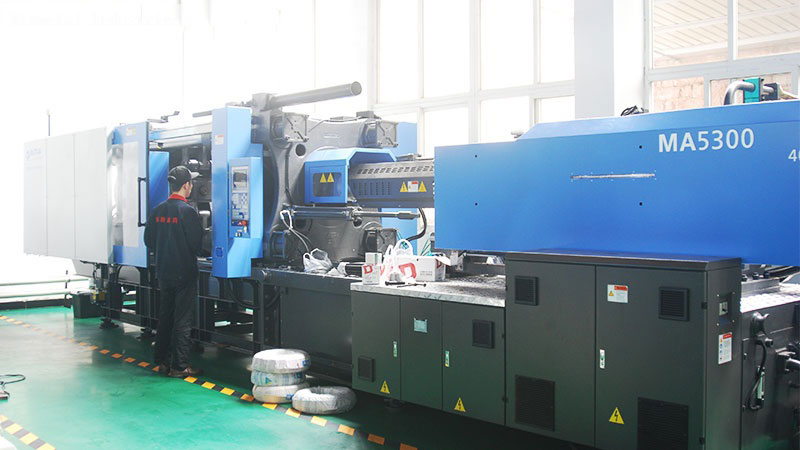
    For overseas businesses, sourcing a reliable customized plastic mould manufacturer in China remains one of the most impactful decisions for product development, cost efficiency, and supply chain resilience. As we look toward 2026, the landscape is not just about finding the lowest cost, but about forging strategic partnerships with technically proficient, quality-driven, and transparent suppliers. This guide cuts through the noise to provide actionable, professional insights for your procurement journey, helping you solve real problems and mitigate the inherent risks of international manufacturing.

    The core challenge is no longer a lack of options, but an overabundance. The real task is systematic supplier verification to separate competent partners from the rest. Begin by moving beyond Alibaba listings. Utilize professional B2B platforms like Global Sources or Made-in-China, which often feature more established factories. Crucially, verify business licenses and export credentials. A legitimate China mold factory should readily provide its official “Business License” and a record of past export experience. Demand to see a portfolio of past projects, specifically looking for molds similar in complexity, size, and industry to your own. This initial desk research is your first filter, designed to eliminate unqualified contenders before you invest significant time.

    Once you have a shortlist, technical communication becomes the critical phase. The ability to discuss your project in precise engineering terms is paramount. Prepare comprehensive and clear technical documents, including 3D CAD files (STEP or IGS format), 2D drawings with critical dimensions and tolerances clearly marked, and a detailed specification covering material type, expected cavitation, surface finish requirements, and lifetime expectations. Evaluate how potential suppliers respond. Do they ask insightful questions about gate locations, ejection, or cooling channel design? A proficient partner will provide a Design for Manufacturability (DFM) report, highlighting potential issues and suggesting optimizations before steel is cut. This collaborative approach is a hallmark of a true specialist, not just a workshop.

    Quality control is not a single inspection at the end; it is a process integrated from the start. Before order placement, agree on a detailed Quality Control Plan. This should define stage-gate inspections: First Article Inspection (FAI) after mold trial, using pre-agreed sample parts measured against your drawings with a Coordinate Measuring Machine (CMM) report. Critical is the pre-shipment inspection, where the final injection mold is checked for workmanship, functionality, and the quality of production samples. For high-value or high-volume projects, consider engaging a trusted third-party quality inspection service in China to conduct these checks on your behalf. Clearly define acceptable quality levels (AQL) for sample parts. This structured approach transforms quality from a hopeful expectation into a verifiable, managed procedure.

    Managing the total cost of ownership, not just the initial quotation, is essential for long-term success. While price is a factor, be wary of bids that are significantly lower than the market average; this often signals corner-cutting on steel quality, components, or craftsmanship. A professional quotation should be transparently itemized, breaking down costs for mold design, materials (specifying steel grade like P20, 718, or S136), standard components (like HASCO or DME), machining, trials, and after-sales support. Discuss payment terms strategically; a common and balanced structure is 30-40% deposit, 40-50% after T1 sample approval, and the balance before shipment. This aligns incentives and ensures the supplier remains motivated to complete the project to your satisfaction. Remember, a well-built mold from a reputable customized plastic mould manufacturer in China reduces per-part cost and downtime, offering far greater value over its lifespan.

    Finally, view this as building a partnership for 2026 and beyond. The most successful import relationships are those built on clear communication and mutual respect. Establish a single point of contact on both sides who is technically fluent. Utilize communication tools like WeChat or Zoom for regular updates, including photo and video reports from the shop floor. Discuss intellectual property protection upfront; a trustworthy supplier will sign a Non-Disclosure Agreement (NDA) and can often arrange for mold cavity numbering or other discreet markings. Plan for after-sales support—understand their policy on mold modification, repair, and warranty for workmanship and materials. A partner invested in your success will support you through design changes and maintenance needs.

    In conclusion, securing the right partnership with a Chinese mold supplier in 2026 is a deliberate process of verification, technical collaboration, and process control. It requires moving from a transactional mindset to a strategic one. By rigorously vetting suppliers, mastering technical dialogue, implementing staged quality control, understanding true cost drivers, and fostering transparent communication, you significantly de-risk your procurement. The goal is to identify a China mold factory that acts as an extension of your own engineering team—a capable, reliable, and quality-focused partner dedicated to turning your product vision into a manufacturable, profitable reality. This disciplined approach is what will define successful import strategies in the years to come.

    Work With Us

    As a professional China mold manufacturer, we provide one-stop mold solution for overseas buyers.
    📞 Phone: +86-18605944639
    💬 WhatsApp: +8618605944639
    🌐 Website: bestmoldworks.com
    📧 Email: [email protected]

  • Mold customization online: Best Suppliers & Quality C 2026

    For overseas buyers, the prospect of importing molds from China represents a significant opportunity for cost efficiency and advanced manufacturing capability. However, transitioning from a concept to a high-quality, production-ready mold in your hands involves navigating a complex digital landscape. The promise of **mold customization online** is compelling, but it demands a strategic approach to supplier selection and quality assurance. As we look toward 2026, the market is more accessible than ever, yet discerning the best partners requires updated knowledge and rigorous processes. This guide provides actionable insights to help you confidently procure precision tooling from China, ensuring your project’s success from the first online inquiry to final delivery.

    The foundation of a successful import project is selecting the right China mold factory. The online space is saturated with suppliers, making verification paramount. Start by moving beyond basic directory websites. Utilize professional platforms like Made-in-China.com or industry-specific B2B portals, but prioritize suppliers with detailed process documentation, engineering team profiles, and client case studies. A critical step in supplier verification is to request and scrutinize a Design for Manufacturability (DFM) report. A competent factory will provide a free, detailed DFM analysis, highlighting potential issues in your part design, suggesting material optimizations, and outlining mold flow. Their responsiveness and technical depth at this pre-order stage are strong indicators of their professionalism and engineering prowess. Always initiate a video call to tour their facility virtually; a reputable injection mold manufacturer will readily showcase their CNC, EDM, and quality control equipment.

    Once a potential partner is identified, mastering the procurement communication protocol is essential. Clear, unambiguous technical documentation is non-negotiable. Prepare a comprehensive package including 3D part files (STEP or IGS), 2D drawings with GD&T tolerances, material specifications, and expected production volume. When discussing your project, be specific about mold life expectancy (e.g., 500,000 shots) and cavitation. For **mold customization online**, the quotation phase is a test. Request a breakdown that includes mold base steel grade (such as P20, 718, or S136), core and cavity steel, surface finish requirements (SPI standards), and a clear timeline for each milestone: design approval, mold fabrication, Trial Run Report (TWR), and shipping. A transparent quote avoids hidden costs and sets clear expectations, forming the basis of a professional partnership.

    The most significant concern for any overseas buyer is maintaining rigorous quality control from a distance. Proactive measures are your best defense. First, insist on a structured milestone payment plan tied to verified deliverables: a deposit upon order, a payment after mold design approval, another after TWR approval, and the balance before shipment. Second, mandate a First Article Inspection (FAI) and a comprehensive TWR. The TWR should include photos and videos of the molded parts, dimensional inspection reports using CMM data, and documentation of any issues and solutions. For critical projects, invest in hiring a local third-party quality inspection agency to conduct an on-site inspection during the TWR. This step, while an added cost, provides an objective assessment of the mold and part quality, mitigating risk before the tool leaves the factory.

    Looking ahead to 2026, the leading Chinese mold suppliers are integrating smarter technologies and services. The best partners now offer digital project management portals where you can track mold progress in real-time, access design revisions, and view inspection reports. Furthermore, consider suppliers who demonstrate expertise in emerging areas like rapid tooling for prototyping or specialized applications such as micro-injection or two-shot molding. Post-sales support is another critical differentiator. Discuss terms for mold warranty, repair, and maintenance. A reliable supplier will stand behind their work, offering a standard 12-24 month warranty against manufacturing defects and providing support for future mold modifications. This long-term perspective transforms a transactional **mold customization online** experience into a strategic supply chain partnership.

    Successfully importing molds from China in the current digital era is a disciplined process of verification, communication, and control. It requires moving from being a passive online shopper to an engaged, informed project manager. By meticulously verifying your China mold factory, enforcing clear procurement protocols, implementing remote quality control measures, and partnering with forward-thinking suppliers, you can unlock the immense value of the Chinese mold-making industry. As the market evolves toward 2026, the winners will be those buyers who blend technological access with old-fashioned due diligence, ensuring that quality and reliability are never compromised for cost. Your journey to finding the best suppliers and achieving impeccable quality control starts with a strategic, informed approach to every online interaction.

    Work With Us

    As a professional China mold manufacturer, we provide one-stop mold solution for overseas buyers.
    📞 Phone: +86-18605944639
    💬 WhatsApp: +8618605944639
    🌐 Website: bestmoldworks.com
    📧 Email: [email protected]

  • plastic injection mold: Professional Buying Guide 2026

    For overseas buyers, sourcing a plastic injection mold from China remains a strategic decision to balance cost, capability, and speed to market. The landscape, however, is constantly evolving. What worked in 2020 may not be optimal in 2026. This guide cuts through the noise to provide a professional, actionable framework for your procurement journey, focusing on solving real problems faced by international importers. Success hinges not on finding the cheapest option, but on identifying and partnering with a capable, transparent, and reliable China mold factory. This 2026 guide is structured to help you do exactly that.

    The foundation of a successful import project is thorough supplier verification. The era of selecting a vendor based solely on an Alibaba storefront is over. In 2026, due diligence must be multi-layered. Start with a deep dive into the supplier’s technical portfolio. Request case studies for molds similar in size, complexity, and industry to yours. Verify business licenses and export credentials. Crucially, initiate a video conference for a virtual factory tour; observe their machine park, measuring equipment, and workshop organization. Pay specific attention to their engineering team. A competent supplier will ask detailed questions about your part design, material selection, and end-use application. This phase is about moving from a transactional relationship to a technical partnership, ensuring the injection mold provider has the fundamental capability to execute your project.

    Once a potential partner is identified, mastering the quotation and technical clarification stage is critical. A professional China mold factory will provide a detailed breakdown, not a single lump sum. Scrutinize quotes for mold base steel grade, cavity and core material, surface finish specifications, and the number of included revisions. Clearly define all deliverables: are 3D mold design approvals, DFM reports, and full inspection data included? This is the stage to align on expectations. Discuss and document key technical aspects upfront: gate type and location, cooling channel design, ejection method, and tolerance standards. Ambiguity here is the root cause of most disputes. A precise, collaboratively developed specification sheet attached to the purchase order is your primary contractual tool for quality control later in the process.

    Implementing a structured quality control protocol is non-negotiable for overseas buyers. You cannot afford to wait until the finished mold arrives at your door to discover issues. A proactive, phased approach is essential. Insist on milestone inspections. The first should be after mold design completion, where you review and approve the 3D assembly and 2D drawings. The second critical checkpoint is the T1 sample stage. Reputable suppliers will send you first-shot samples along with a dimensional inspection report. Do not just visually assess the parts; coordinate with a third-party inspection service in China to perform a comprehensive check against your CAD data and critical dimension list. This step, often overlooked, allows for corrections while the mold is still with the manufacturer, saving immense cost and time compared to rework after shipment.

    Navigating logistics, payment, and intellectual property protection requires a clear strategy. For logistics, discuss Incoterms explicitly; FOB is common, but understand all responsibilities and costs. For the mold itself, consider insurance for high-value shipments. Payment terms should reflect the project’s progress. A standard secure structure might be 30-40% deposit, 50-60% after sample approval, and the balance before shipment. Never pay 100% upfront. Regarding intellectual property, a well-drafted Non-Disclosure Agreement is a starting point. For added security, consider stipulating that the mold base be engraved with your company name and a unique serial number. While absolute guarantees are complex, working with established suppliers who value long-term relationships significantly mitigates IP risk, as their business model relies on reputation, not replicating your design.

    The final phase focuses on ensuring a smooth transition to production. A professional procurement process includes planning for mold maintenance and production support. Discuss and agree on spare part lists—what wear components will be provided with the mold? Ensure you receive complete mold maintenance manuals and, if possible, arrange for training for your production team, either via detailed videos or an on-site engineer visit during commissioning. Establish clear communication channels for ongoing technical support. Will the supplier be available to troubleshoot molding issues that may arise? Defining this post-sale support scope solidifies the partnership and protects your investment, turning a one-time purchase into a reliable supply chain asset for years to come.

    In conclusion, importing a plastic injection mold from China in 2026 demands a professional, process-oriented approach that prioritizes verification, clarity, and proactive quality management. The goal is to transform geographical distance from a liability into an advantage by leveraging specialized expertise and advanced manufacturing capabilities. By meticulously vetting your China mold factory, defining specifications with precision, enforcing staged inspections, structuring secure agreements, and planning for long-term mold life, you secure far more than a tool—you secure a competitive edge. This disciplined procurement framework minimizes risk and builds a foundation for successful, high-quality plastic part manufacturing, ensuring your project meets its technical and commercial objectives now and into the future.

    Work With Us

    As a professional China mold manufacturer, we provide one-stop mold solution for overseas buyers.
    📞 Phone: +86-18605944639
    💬 WhatsApp: +8618605944639
    🌐 Website: bestmoldworks.com
    📧 Email: [email protected]

  • custom molded plastic parts: Complete Procurement Guide 2026

    Navigating the procurement of custom molded plastic parts from China presents a significant opportunity for cost-efficiency and scalability, yet it introduces distinct challenges in supplier verification, quality assurance, and project management. For overseas buyers, the landscape in 2026 is defined by advanced manufacturing capabilities and heightened competition, making a strategic, informed approach more critical than ever. This guide is designed to cut through the complexity, offering a professional, actionable framework to secure high-quality injection molds and finished parts from reliable Chinese partners. We focus on solving real procurement problems, from initial sourcing to final shipment, ensuring your project’s success in a dynamic market.

    The foundation of a successful procurement journey lies in meticulous supplier identification and verification. Moving beyond simple Alibaba listings is paramount. Begin by targeting established China mold factories with proven expertise in your specific industry, whether automotive, medical, consumer electronics, or packaging. Scrutinize their technical portfolios for projects of similar complexity to yours. In 2026, verification must be multi-layered: insist on video facility tours to assess machinery (e.g., CNC, EDM, injection molding presses) and workshop organization. Demand audited documentation, including business licenses, ISO 9001 certification, and past client references from your region. Utilize third-party verification services for due diligence on financial and operational stability. This rigorous vetting process filters out trading companies masquerading as manufacturers and identifies partners with the technical depth to deliver precision custom molded plastic parts.

    Once a shortlist of potential suppliers is established, mastering the technical and commercial quotation phase is your next critical step. A professional China mold factory will not provide a credible price based solely on a 3D file. They will conduct a Design for Manufacturability (DFM) analysis. Expect and encourage this. A thorough DFM report will suggest modifications to part geometry, wall thickness, gate locations, and draft angles to optimize moldability, reduce cost, and enhance part strength. When reviewing quotations, demand complete transparency. The quote should clearly separate injection mold cost (steel type, cavity count, lifespan, surface finish) from part price (material resin, cycle time, secondary operations). Understand payment terms; a common and balanced structure is 50% deposit to commence mold manufacturing, 40% upon approval of first article inspection samples, and 10% before shipment. Never opt for the cheapest quote without a detailed breakdown, as hidden costs and corner-cutting on mold steel will lead to exponential problems later.

    The manufacturing phase requires proactive engagement, not passive waiting. Implementing a staged quality control protocol is non-negotiable. The first critical checkpoint is the First Article Inspection (FAI). Upon mold completion and sampling, your supplier must provide comprehensive FAI reports including dimensional inspection sheets (using CMM data), material certification, and appearance samples. For high-tolerance parts, engage a local third-party quality control agency in the supplier’s region to conduct an on-site inspection during this stage. The second checkpoint is the Pre-Shipment Inspection (PSI) during mass production. This verifies that bulk-produced custom molded plastic parts consistently match the approved sample in dimensions, function, and visual standards. Clearly define Acceptable Quality Limits (AQL) for critical, major, and minor defects in your purchase order. Modern suppliers should provide real-time production updates, including photos and videos, fostering transparency. This hands-on oversight mitigates the risk of receiving non-conforming bulk shipments.

    Finalizing the project successfully hinges on precise logistics and a forward-looking partnership strategy. Incoterms 2020 must be explicitly agreed upon to delineate responsibilities and costs for shipping, insurance, and customs clearance. For molds, sea freight is standard, but for urgent low-volume part orders, air freight may be justified. Ensure all technical documentation—mold design drawings, maintenance manuals, material safety data sheets (MSDS), and certificates of conformity—are included. For the injection mold itself, discuss ownership and storage terms. A professional procurement strategy views the initial project not as a transaction but as the start of a long-term collaboration. A reliable China mold factory becomes a strategic asset, offering value engineering for future parts, efficient mold modifications, and scalable production. Establish clear communication protocols and periodic review meetings to continuously align on quality, cost, and innovation objectives for 2026 and beyond.

    Procuring injection molds and custom molded plastic parts from China in 2026 demands a blend of rigorous process and strategic partnership. By systematically executing deep supplier verification, collaborating on DFM, enforcing staged quality control, and clarifying logistical frameworks, overseas buyers can transform perceived risks into a formidable competitive advantage. The goal is to move beyond being just an international client to becoming a valued partner to a capable China mold factory. This comprehensive approach ensures not only the success of your immediate project but also builds a resilient, cost-effective, and quality-driven supply chain for the future. Embrace this guide as your roadmap to confident and successful procurement.

    Work With Us

    As a professional China mold manufacturer, we provide one-stop mold solution for overseas buyers.
    📞 Phone: +86-18605944639
    💬 WhatsApp: +8618605944639
    🌐 Website: bestmoldworks.com
    📧 Email: [email protected]

  • import mold from China: Professional Buying Guide 2026

    For overseas buyers, the decision to import mold from China represents a significant strategic advantage, offering unparalleled cost efficiency and advanced manufacturing capabilities. However, navigating this complex landscape requires more than just finding the lowest price. It demands a systematic, professional approach to mitigate risks and ensure a successful partnership. This 2026 guide is designed to cut through the noise and provide you with actionable, real-world strategies for a seamless procurement journey. We will move beyond generic advice to focus on the critical steps that separate successful imports from costly mistakes.

    The cornerstone of a successful project is selecting the right China mold factory. The initial search can be overwhelming, with countless suppliers claiming superiority. Begin by moving past generic platforms and utilize industry-specific B2B portals and technical associations. Verification is non-negotiable. Always insist on a video tour of the manufacturing facility; a reputable supplier will readily showcase their CNC machining centers, EDM equipment, and mold trial workshops. Scrutinize their portfolio for projects similar in complexity, material, and industry to yours. Furthermore, request and actually contact past overseas clients. A credible supplier will provide these references, offering you invaluable insight into their communication, reliability, and after-sales service from a buyer’s perspective.

    Once a potential partner is identified, rigorous supplier verification becomes the critical next phase. Due diligence in 2026 extends far beyond a business license check. Verify their export experience and familiarity with Incoterms, which will govern shipping and liability. Assess their internal project management structure: who will be your direct point of contact, and do they have English-speaking project engineers? It is essential to confirm their understanding of international standards, whether it’s for an injection mold destined for automotive use or a precision component for medical devices. A professional factory will proactively discuss material traceability, certification requirements, and their internal quality management processes during these initial discussions.

    The technical and commercial negotiation stage is where clarity prevents future conflict. Your Request for Quotation must be exceptionally detailed. For an injection mold, this includes not just part drawings but specifications for mold steel grade, cavity surface finish, cooling channel layout, expected cycle time, and lifetime expectations. Clearly define all deliverables: are 3D mold design files, mold flow analysis reports, and spare parts included? Payment terms should be staged and linked to clear milestones—a common structure is 30-40% deposit, 40-50% after first article inspection, and the balance before shipment. Never release final payment before approving a sample from the actual production mold.

    Implementing a robust quality control protocol is your primary risk management tool. Do not rely solely on the supplier’s final inspection. For significant investments, engage a reputable third-party inspection agency within China to conduct critical checks. These include a Data Dimension Verification on the finished mold and, most importantly, a Trial Run Inspection. During the trial, the inspector will oversee the production of samples using your specified material, checking for defects, measuring critical dimensions, and verifying the cycle time. This step allows for corrections before the mold leaves the factory. Ensure all quality standards, measurement methods, and acceptable defect levels are defined and agreed upon in the purchase contract.

    Effective logistics and post-sales support finalize the import process. Understand the full implications of your chosen Incoterm. If you are responsible for shipping, work with a freight forwarder experienced in handling delicate and high-value模具 (molds). Proper crating and insurance are mandatory. Upon receipt, conduct an immediate inspection for any shipping damage. The relationship with your China mold factory should not end at shipment. Discuss and agree upon post-sales terms upfront, including warranty duration for workmanship and repairs, the process for ordering spare components like cores and cavities, and their support for future mold modifications. A reliable partner views this as a long-term collaboration.

    To import mold from China successfully in 2026, the process must be viewed as a professional partnership built on verification, clear communication, and proactive quality management. By methodically selecting your China mold factory, conducting thorough due diligence, defining precise technical requirements, enforcing stringent quality control, and planning for logistics and long-term support, you transform a complex international procurement into a reliable and competitive advantage for your business. The goal is not merely to purchase a tool, but to secure a critical asset that will drive your production quality and profitability for years to come.

    Work With Us

    As a professional China mold manufacturer, we provide one-stop mold solution for overseas buyers.
    📞 Phone: +86-18605944639
    💬 WhatsApp: +8618605944639
    🌐 Website: bestmoldworks.com
    📧 Email: [email protected]