Author: moldcustomization

  • injection molds for plastic part: Ultimate Guide for 2026

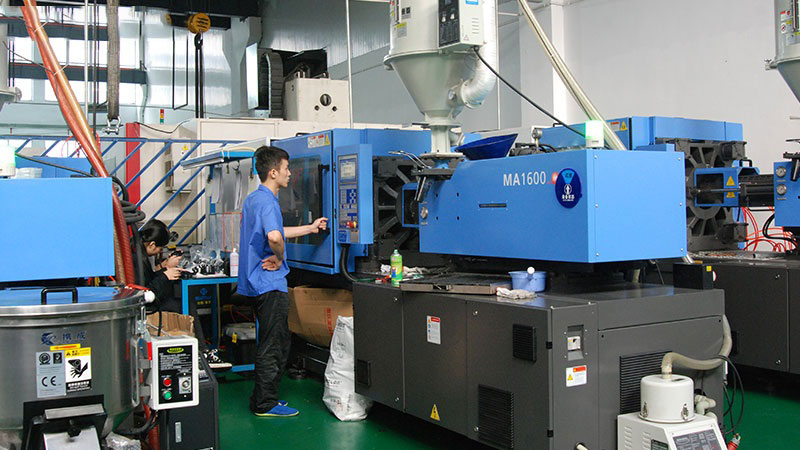
    For global businesses, from ambitious startups to established OEMs, sourcing injection molds for plastic parts from China remains a cornerstone strategy for achieving competitive advantage. The potential for significant cost savings, coupled with rapidly advancing technical capabilities, is compelling. However, the landscape is evolving. As we look toward 2026, success hinges on a more sophisticated, informed approach that moves beyond simple price comparison. This ultimate guide is designed to equip overseas buyers with actionable, professional strategies to navigate the complexities of procurement, mitigate risks, and secure high-quality injection molds that deliver long-term value.

    Mastering the Initial Specification and RFQ Process

    The foundation of a successful project is laid before you even contact a single China mold factory. Ambiguity in specifications is the primary source of cost overruns, delays, and quality disputes. Begin with comprehensive, unambiguous documentation. Your technical package must include detailed 3D CAD models (STEP or IGES files), fully dimensioned 2D drawings with critical tolerances explicitly called out, and a thorough material specification listing the intended plastic resin and its grade. Furthermore, define your expectations for mold life (e.g., 500,000 shots) and the required cycle time, as these directly influence steel selection and cooling channel design. When issuing your Request for Quotation (RFQ), provide this complete package to at least three to five pre-vetted suppliers. Analyze the quotes not just on bottom-line price, but on their breakdown: steel brand and hardness, cavity material, cooling design, ejection mechanism, and included services like sample parts and mold modification cycles. A professional quote that details these elements signals a transparent and technically competent partner.

    Executing Rigorous Supplier Verification and Selection

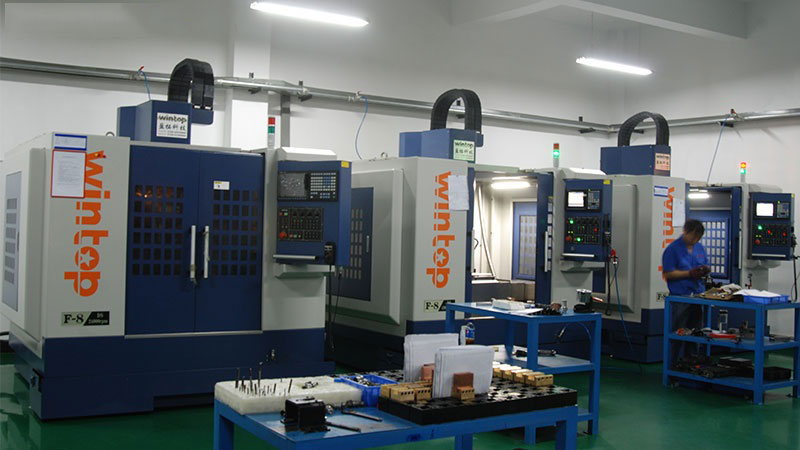
    The term “China mold factory” encompasses a vast spectrum, from rudimentary workshops to world-class manufacturing facilities. Supplier verification is your most critical risk management step. Start with a deep due diligence process. Request business licenses, audit reports, and certificates like IATF 16949 for automotive or ISO 9001 for general quality management. However, documentation is just the start. Insist on a live video audit of the production floor. During this virtual tour, assess the machinery (look for brands like DMG Mori, Makino, or Sodick for high-end CNC and EDM), workshop organization, and in-house capabilities like design, machining, and quality inspection. Crucially, request and contact references from past overseas clients, specifically those in your region or industry. Ask about their experience with communication, problem-solving, and post-sales support. In 2026, partnering with a supplier who has proven experience exporting to your market and navigating its logistics and standards is non-negotiable.

    Implementing Proactive and Structured Quality Control

    Passive hope is not a quality strategy. Proactive, structured quality control must be integrated into every project phase. Define clear Inspection and Test Plans (ITP) with your chosen supplier, agreeing on critical checkpoints. These typically include a Design for Manufacturability review, a first article inspection report for the mold steel blocks, and pre-shipment inspections. The most vital stage is the Trial Run Report (TTR) or Sample Approval Process. Never approve a mold for shipment without receiving, inspecting, and testing sample parts produced from it at the supplier’s facility. These samples should be measured against your CAD data using a Coordinate Measuring Machine report, and undergo functional testing. Employing a trusted third-party quality inspection service within China for the final pre-shipment audit provides an unbiased assessment and prevents costly surprises upon arrival. This layered QC approach ensures the injection mold itself is built to spec and, more importantly, that it produces plastic parts that meet your exact requirements.

    Navigating Logistics, IP Protection, and Post-Sales Support

    Finalizing the mold design and build is only part of the journey. Protecting your intellectual property is paramount. Ensure a robust Non-Disclosure Agreement is signed before sharing any technical data. For critical molds, consider registering your design patents in China. Discuss and contractually agree on ownership of the mold design and physical tooling. Logistics require careful planning. Determine incoterms clearly—FOB Shanghai is common—and decide on shipping method. Air freight is faster for prototypes; sea freight is economical for production molds. Ensure the China mold factory properly prepares the mold for shipping with anti-corrosion treatment and secure, wooden crate packaging. Finally, solidify the terms for post-sales support. A reliable supplier will offer a clear warranty period covering workmanship and materials defects. Establish protocols for handling wear and tear, and for ordering spare components like ejector pins or heater cartridges. Understanding these operational and legal frameworks upfront prevents disputes and ensures a smooth, ongoing production partnership.

    Conclusion

    Importing injection molds for plastic parts from China in 2026 represents a significant opportunity, but it demands a professional and meticulous approach. The journey from concept to mass-produced part is complex, involving precise specification, rigorous supplier verification, proactive quality control, and careful management of logistics and intellectual property. By treating your mold supplier as a strategic partner rather than a commodity vendor, and by implementing the structured processes outlined in this guide, you can unlock the full potential of Chinese manufacturing. The goal is to secure not just a cost-effective tool, but a reliable, high-quality injection mold that becomes a durable asset for your production, driving your product’s success in the global marketplace for years to come.

    Work With Us

    As a professional China mold manufacturer, we provide one-stop mold solution for overseas buyers.
    📞 Phone: +86-18605944639
    💬 WhatsApp: +8618605944639
    🌐 Website: bestmoldworks.com
    📧 Email: [email protected]
  • Custom silicone molds for resin: Complete Procurement 2026

    For artisans, small businesses, and established manufacturers worldwide, the demand for unique, high-quality resin products continues to surge. At the heart of this creativity lies a critical tool: the custom silicone mold. While domestic sourcing is an option, China remains the global epicenter for cost-effective, scalable, and high-precision mold manufacturing. However, navigating this complex landscape requires updated knowledge and strategic planning. This complete procurement guide for 2026 is designed to equip overseas buyers with actionable, professional insights to streamline the process of importing custom silicone molds for resin from China, mitigating risks and ensuring a successful partnership.

    The foundation of a successful import venture is selecting the right China mold factory. The market is vast, with capabilities ranging from backyard workshops to ISO-certified facilities with advanced R&D departments. Your first step is rigorous supplier verification. Move beyond Alibaba storefronts. Demand verifiable business licenses, request virtual factory tours via video call to inspect cleanliness and organization—critical for silicone molding—and ask for detailed portfolios of past work, specifically with resin-compatible silicone molds. In 2026, a reputable supplier should transparently discuss their silicone material grades, including platinum-cure versus tin-cure options, and their shrinkage rates. Prioritize factories that ask informed questions about your resin type, intended use, desired demolding frequency, and whether you need a master model created. This dialogue is a key indicator of professionalism and technical expertise.

    Once a potential partner is identified, mastering the prototyping and design communication phase is non-negotiable. Ambiguity here leads to costly errors. Provide technical drawings with all critical dimensions, draft angles, and surface finish specifications clearly marked. If you lack a 3D file, a reliable China mold factory should offer design services. For custom silicone molds for resin, discuss the prototype mold option—a smaller, single-cavity version to test form, function, and resin compatibility before committing to full-scale production tooling. This step, though an initial investment, saves substantial resources by preventing large-batch defects. Utilize collaborative tools: shared cloud folders for drawings, regular video conferences to review progress, and clear written summaries after each discussion. Precise communication regarding the master pattern material is also vital, as it directly affects the final mold’s accuracy and surface detail.

    The core of your procurement strategy must be a robust, multi-stage quality control protocol. Do not assume quality; inspect it. For silicone molds, key checks include dimensional accuracy against your drawings, Shore hardness testing to ensure the silicone meets the specified durability, and visual inspection for bubbles, imperfections, or seams that could transfer to your resin casts. Insist on pre-shipment samples from the actual production batch. For larger orders, consider hiring a third-party quality inspection service based in the industrial region where your supplier is located. These inspectors can conduct on-site tests, including trial pours with a sample resin to check for proper release and detail capture. This layer of independent verification is a powerful tool for enforcing agreed-upon standards and protects your investment before the molds ever leave the factory floor.

    Understanding the total cost structure and logistics is what separates savvy importers from those facing unexpected challenges. The quotation for your custom silicone molds should be broken down clearly: mold design, master pattern cost, silicone material cost per kilogram, labor, and any hardening treatments. Beware of quotes that seem abnormally low; they often indicate inferior silicone that may tear quickly or inhibit resin curing. For shipping, work with your supplier to choose the optimal Incoterm (e.g., FOB or EXW). For delicate silicone molds, proper packaging is crucial—they should be suspended or packed to prevent deformation during transit. Factor in import duties, VAT, and the services of a reliable freight forwarder experienced in handling industrial goods. In 2026, building a contingency for potential supply chain delays into your project timeline remains a prudent practice.

    Finally, view your procurement as building a long-term partnership, not a one-off transaction. A trustworthy Chinese mold supplier is an asset for your growing business. Discuss future needs, such as the potential for creating multi-cavity production molds or using your initial mold as a master for future injection mold tooling if you scale into plastic parts. A good partner will provide care instructions for extending the lifespan of your silicone molds and be available for technical support. Establish clear agreements on intellectual property, ensuring your designs remain confidential and are not replicated for other clients. This relationship, built on transparency and mutual success, is the ultimate goal of a complete procurement strategy.

    In conclusion, importing custom silicone molds for resin from China in 2026 presents a significant opportunity for businesses aiming to innovate and compete. The process, while detailed, is highly manageable with a disciplined approach focused on thorough supplier verification, impeccable design communication, unwavering quality control, and clear logistical planning. By treating your chosen China mold factory as a strategic partner and adhering to these professional procurement principles, you secure more than just a tool—you gain a competitive edge in the dynamic world of resin artistry and manufacturing. The journey from concept to a perfect resin cast begins with a meticulously sourced mold, and with this guide, you are well-equipped to navigate that journey successfully.

    Work With Us

    As a professional China mold manufacturer, we provide one-stop mold solution for overseas buyers.
    📞 Phone: +86-18605944639
    💬 WhatsApp: +8618605944639
    🌐 Website: bestmoldworks.com
    📧 Email: [email protected]
  • cheap injection mold: Expert Tips & Solutions 2026

    For overseas buyers, the prospect of sourcing a cheap injection mold from China presents a compelling opportunity to reduce upfront tooling costs and enhance product competitiveness. However, the journey from initial inquiry to receiving a high-quality, durable mold is fraught with potential pitfalls. The true objective is not merely to find the lowest price, but to secure reliable, cost-effective tooling that performs consistently in production. This guide provides actionable, expert strategies for 2026, designed to help you navigate the Chinese manufacturing landscape with confidence, mitigate risks, and build successful partnerships with reputable suppliers.

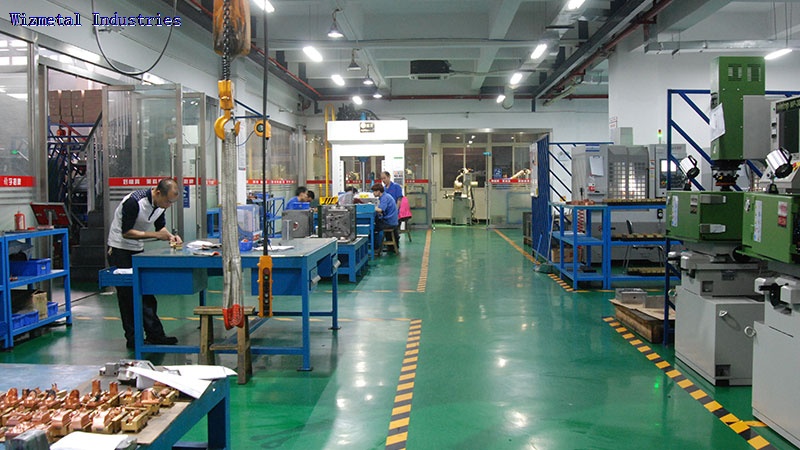
    The foundational step in securing a truly valuable cheap injection mold is rigorous supplier verification. Moving beyond Alibaba listings and website claims is non-negotiable. Begin by conducting a thorough background check: verify the China mold factory’s business license, physical address, and years in operation. Request a detailed company profile and client list. The most critical action, however, is a virtual or in-person factory audit. Insist on a live video tour of their facility. Observe their machinery (brands and condition of CNC, EDM, and milling centers), their workshop organization, and their engineering team. Ask to see examples of previous molds, particularly those for export markets similar to yours. This due diligence filters out trading companies masquerading as manufacturers and identifies partners with genuine capability, turning a search for an inexpensive solution into a quest for verified competence.

    Once a potential partner is verified, mastering the quotation and specification phase is where significant value is protected. A surprisingly low quote for an injection mold often signals omitted essentials or substandard materials. To avoid this, provide an exceptionally detailed Request for Quotation (RFQ). Your RFQ must include a fully reviewed 3D product model (STEP or IGS format), desired material (e.g., P20, H13, Stainless 420), cavity surface finish (SPI standards), expected lifetime (number of shots), and all critical tolerances. Explicitly state requirements for mold flow analysis before manufacturing begins, as this upfront simulation prevents costly design flaws. Clarify what is included: number of cavities, hot runner system (brand preference), cooling line design, and base materials. Demand a breakdown of costs for mold, trial shots, and post-processing. This precision ensures all bidders are quoting on the exact same scope, allowing you to compare true value rather than just price tags.

    Proactive quality control integrated throughout the manufacturing lifecycle is the single most effective strategy to ensure your investment is sound. Do not adopt a “wait and see” approach until shipment. Implement staged inspection points. Key milestones include a First Article Inspection (FAI) after the mold base is procured, a Dimensional Inspection after core and cavity machining, and a comprehensive Trial Run Report with sample parts. Partner with a reliable third-party quality inspection firm based in China to conduct these inspections on your behalf. They can verify steel hardness, critical dimensions, and the performance of the mold during trial shots. Review the T1 sample parts meticulously, measuring them against your specifications. This process identifies issues while the mold is still at the factory, where corrections are affordable and timely. This layer of oversight transforms the procurement of a cheap injection mold from a gamble into a managed, low-risk project.

    Clear contractual agreements and managed logistics are the final safeguards. A professional proforma invoice (PI) or contract should detail every agreed specification, payment terms (e.g., 30% deposit, 40% after T1 approval, 30% before shipment), warranty period (typically 12-18 months against workmanship and material defects), and protocols for handling non-conformities. Specify Incoterms 2026 clearly—FOB Shanghai is common, placing responsibility for shipping and insurance on you after the mold leaves the Chinese port. For a cheap injection mold, sea freight is the most economical choice, but ensure proper crating and waterproofing are stipulated to prevent transit damage. Consider insuring the shipment. Having these terms documented prevents disputes and ensures both parties have aligned expectations for the entire process, from the factory floor to your production line.

    In conclusion, sourcing a cheap injection mold from China in 2026 demands a strategy built on verification, specification, inspection, and clear agreement. The goal is intelligent cost-saving, not reckless cost-cutting. By investing time in vetting your China mold factory, providing exhaustive specifications, enforcing staged quality control, and securing a detailed contract, you transform the inherent risks of overseas procurement into a structured, predictable pathway to success. This professional approach enables you to leverage China’s manufacturing strengths to obtain durable, high-performance tooling that delivers genuine long-term value, fueling your product’s success in the global marketplace.

    Work With Us

    As a professional China mold manufacturer, we provide one-stop mold solution for overseas buyers.
    📞 Phone: +86-18605944639
    💬 WhatsApp: +8618605944639
    🌐 Website: bestmoldworks.com
    📧 Email: [email protected]
  • injection mold china manufacturers: Best Suppliers & 2026

    For overseas buyers, sourcing injection molds from China remains a compelling strategy to achieve significant cost savings, access advanced manufacturing capabilities, and accelerate product development cycles. However, the journey from identifying a potential partner to receiving a flawless mold is fraught with challenges, including supplier verification, communication gaps, and quality assurance. This professional guide is designed to cut through the noise and provide actionable, real-world strategies for partnering with reliable injection mold China manufacturers, with a forward-looking perspective on trends shaping 2026.

    The core appeal of working with a China mold factory is undeniable. Yet, the market’s vastness and variability mean that a successful procurement outcome hinges on a systematic and informed approach. Moving beyond simple price comparisons to evaluate technical expertise, project management processes, and quality control systems is what separates successful importers from those facing costly delays and reworks. This blog will serve as your strategic framework for navigating this complex landscape, ensuring your investment in tooling is secure and your supply chain is robust.

    Conducting Rigorous Supplier Verification Beyond Alibaba

    The initial search often begins on B2B platforms, but true supplier verification must go much deeper. A professional website and polished sales presentation are merely the starting point. For serious procurement, you must validate the manufacturer’s claims. Start by requesting a detailed company profile that includes the year of establishment, number of employees, engineering staff qualifications, and a list of key machinery. Crucially, ask for case studies or portfolios specific to your industry—whether automotive, medical, consumer electronics, or packaging. A reputable injection mold manufacturer should readily provide these.

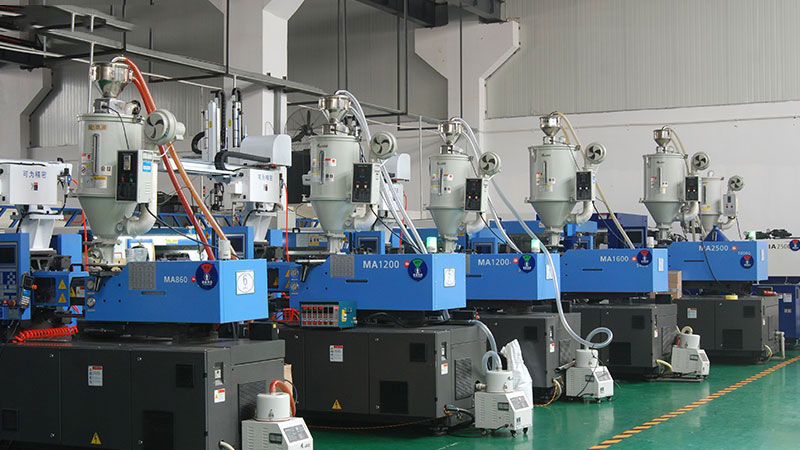
    The most critical step is a virtual or, ideally, in-person factory audit. In 2026, the expectation for transparency through digital factory tours will be standard. Request a live video walkthrough of the production floor. Look for organization, maintenance of CNC, EDM, and mold polishing stations, and the presence of a dedicated quality control area with CMMs and other measuring equipment. Verify their mold trial process—do they have in-house injection molding machines for testing? Furthermore, ask for and contact references from their existing overseas clients. Direct feedback on communication, problem-solving, and after-sales service is invaluable data that no brochure can provide.

    Mastering Technical Communication and DFM Analysis

    A leading cause of mold failure is miscommunication of technical requirements. To mitigate this, your technical data package must be impeccable. Beyond providing a 3D CAD model, include a comprehensive specification document. This should cover material type, expected annual volumes, cosmetic requirements, tolerance standards, gate and ejector pin location preferences, and any critical fit or function areas. Clearly state the mold steel grade and any required certifications.

    Emphasize the importance of a collaborative Design for Manufacturability analysis. The best China mold factories will not simply quote on your provided design; their engineering team should proactively offer DFM feedback to optimize the part for molding, reduce complexity, and lower overall cost. Their willingness and ability to engage in this technical dialogue is a key indicator of a partner versus a simple job shop. Ensure all agreed-upon changes are documented in an updated drawing that is signed off by both parties before steel is cut. This formalizes the agreement and prevents “scope creep” or misunderstandings later.

    Implementing a Proactive Quality Control Protocol

    Quality control cannot be an afterthought; it must be integrated into every stage of the mold manufacturing process. Relying solely on a final inspection is a high-risk strategy. Instead, establish a milestone-based inspection protocol with your chosen injection mold supplier. Key inspection points typically include: material certification for the mold steel, review of the mold design drawings, inspection of the mold base and core/cavity blocks after machining, and a pre-shipment sample trial.

    The mold trial is the most critical QC event. Insist on a detailed mold trial report with video evidence. The report should document process parameters, part measurements, and high-resolution photos of the sampled parts. For critical dimensions, request CMM reports overlaying your CAD model. Many professional buyers engage a third-party quality inspection firm in China to conduct the final pre-shipment audit. This provides an unbiased assessment and ensures the mold meets all agreed specifications before it leaves the factory, saving immense cost and hassle from discovering issues upon arrival overseas.

    Navigating Logistics, IP Protection, and the 2026 Landscape

    Finalizing the commercial terms requires careful attention. Use a detailed proforma invoice that itemizes costs: mold cost, sample cost, and any testing fees. Clarify payment terms; a common and balanced structure is 50% deposit, 40% after successful sample approval, and 10% before shipment. For Intellectual Property protection, while a strong NDA is essential, practical protection lies in working with established manufacturers who value long-term relationships over short-term gains. Conducting due diligence on their reputation is your first line of defense.

    As we look toward 2026, the leading injection mold China manufacturers are increasingly differentiating themselves through digital integration and sustainability. Expect top suppliers to offer more seamless project management portals for tracking progress, accessing documents, and communicating. Furthermore, environmental considerations are becoming a procurement factor. Inquire about a factory’s energy efficiency practices and their ability to work with recycled or bio-based polymers, as this will align with the evolving regulatory and consumer demands in many overseas markets.

    Conclusion

    Successfully importing injection molds from China is a systematic process built on verification, clear communication, and controlled quality. By moving beyond price as the sole criterion and investing time in vetting your China mold factory, engaging deeply in the technical DFM process, and implementing a staged QC protocol, you transform a risky procurement into a strategic advantage. The landscape is evolving, and by 2026, the partnerships that will thrive are those built on transparency, digital collaboration, and mutual technical respect. By applying these actionable strategies, you position yourself to not only find a supplier but to build a reliable, long-term manufacturing partnership that delivers consistent quality and drives your product’s success in the global marketplace.

    Work With Us

    As a professional China mold manufacturer, we provide one-stop mold solution for overseas buyers.
    📞 Phone: +86-18605944639
    💬 WhatsApp: +8618605944639
    🌐 Website: bestmoldworks.com
    📧 Email: [email protected]
  • china mold supplier: Professional Buying Guide 2026

    Navigating the landscape of manufacturing in China presents a significant opportunity for cost efficiency and scalability, particularly for custom tooling. For overseas buyers, importing molds from China is a strategic decision that can dramatically enhance product development cycles and reduce per-unit costs. However, the journey from identifying a potential partner to receiving a flawless mold is fraught with complexities. This professional guide for 2026 is designed to cut through the noise, offering actionable, real-world strategies to help you secure a reliable **china mold supplier** and execute a successful procurement project. We move beyond generic advice to solve the tangible problems faced by international procurement teams.

    The cornerstone of any successful import project is rigorous supplier verification. In 2026, due diligence goes far beyond checking a company website. Start with a multi-faceted verification approach. Utilize professional platforms like Made-in-China.com or Global Sources, but treat them as a starting point for discovery, not validation. The critical step is to conduct a formal business license check using official Chinese registries to confirm legal entity status and registered capital. Next, insist on a virtual factory tour via live video call; a reputable **China mold factory** will readily showcase their shop floor, machinery brand (e.g., DMG Mori, Sodick), and ongoing projects. Furthermore, request and contact 2-3 references from past international clients. Ask specific questions about communication, problem-solving, and post-sales support. This triangulation of data—legal, visual, and testimonial—forms a robust foundation for trust.

    With a shortlist of verified suppliers, defining your project with crystal clarity becomes the most critical phase to prevent cost overruns and delays. The request for quotation document is your primary tool. For an **injection mold**, it must detail material specifications (steel grade like P20, H13, or stainless, including certification requirements), cavity life expectancy (e.g., 500,000 shots), and part design with fully dimensioned 3D files (STEP or IGS) and 2D drawings with critical tolerances and surface finish callouts (SPI standards). Explicitly state all deliverables: are sample parts, mold flow analysis reports, and full mold design drawings included? Clarify payment terms; a 2026 best practice is a staggered schedule like 40% deposit, 50% after initial sample approval, and 10% after shipment. This precision eliminates ambiguity and allows for accurate, comparable quotations.

    Proactive quality control integrated throughout the manufacturing lifecycle is non-negotiable. Do not rely on a final inspection alone. Mandate milestone inspections conducted by a third-party or your appointed agent. The first inspection should occur after mold design completion, reviewing drawings before steel is cut. The second is a critical first article inspection (FAI) when initial sample parts are produced from the finished mold. These parts should be measured against your CAD data with a CMM report provided. For ongoing production, define a statistical process control plan. Discuss with your **china mold supplier** their internal QC procedures and equipment. Ensuring they have in-house CMM, profilometers, and optical comparators demonstrates a commitment to quality. This layered QC approach transforms quality from a hoped-for outcome into a managed, verifiable process.

    The logistical and commercial framework of your order safeguards your investment. Incoterms 2020 must be clearly understood and agreed upon. For mold procurement, FOB (Free On Board) is common, giving you control over shipping and insurance once the mold leaves the Chinese port. Ensure all shipping marks, packaging requirements (often wooden crates for heavy molds), and documentation (commercial invoice, packing list, certificate of origin) are confirmed. A professional mold supplier will handle export declarations seamlessly. Legally, a detailed proforma invoice and purchase contract that includes specifications, payment terms, delivery timeline, warranty period (typically for workmanship and material defects), and intellectual property confidentiality clauses are essential. This formal documentation protects both parties and provides clear recourse if disputes arise.

    Finally, view your supplier relationship as a strategic partnership, not a transactional purchase. Effective, structured communication is vital. Establish a single point of contact on both sides who is technically proficient. Use collaborative tools for project management and mark-up drawings. Be mindful of time zones but expect professional suppliers to have flexible communication windows. Discuss their engineering capability early on; a supplier that offers constructive design for manufacturability feedback is invaluable for optimizing your part and mold for cost and performance. This collaborative mindset, built on the verification and processes outlined above, turns a competent **China mold factory** into a long-term extension of your engineering and production team.

    Successfully importing molds from China in 2026 demands a methodical, informed approach that prioritizes verification, clarity, and proactive management. By implementing this guide—from deep-dive supplier vetting and meticulous RFQ creation to staged quality control and solid contractual agreements—you transform inherent risks into a controlled, predictable process. The goal is to leverage China’s manufacturing prowess not as a cost-saving gamble, but as a competitive, reliable pillar of your supply chain. The right partner, selected and managed with professional rigor, will deliver not just a high-quality mold, but a foundation for product innovation and market success for years to come.

    Work With Us

    As a professional China mold manufacturer, we provide one-stop mold solution for overseas buyers.
    📞 Phone: +86-18605944639
    💬 WhatsApp: +8618605944639
    🌐 Website: bestmoldworks.com
    📧 Email: [email protected]
  • OEM mold: Best Suppliers & Quality Control 2026 | China Mold Factory

    For overseas buyers, sourcing an OEM mold from China represents a significant strategic advantage, offering unparalleled cost efficiency and manufacturing scalability. However, the path to a successful procurement journey is often paved with challenges: identifying a truly capable partner amidst a sea of options, ensuring rigorous quality standards, and managing a complex process across languages and time zones. This guide is designed to cut through the noise and provide you with actionable, professional strategies to secure a high-quality OEM mold from a reliable China mold factory in 2026 and beyond. We will focus on practical solutions for supplier verification and robust quality control protocols to de-risk your investment.

    The foundation of a successful mold import project lies in meticulous supplier verification. Moving beyond basic Alibaba listings is crucial. Start by defining your technical requirements clearly for the injection mold, including material specifications, cavitation, expected cycle times, and part volume. Use this specification sheet to screen potential partners. A competent China mold factory will respond with detailed questions and a preliminary DFM (Design for Manufacturability) analysis, not just a bottom-line price. Scrutinize their portfolio for projects of similar complexity and for clients in your region, as this indicates experience with international standards and communication. Third-party verification platforms and, where feasible, an in-person or virtual live audit of the facility are non-negotiable steps. Look for evidence of modern CNC equipment, EDM machines, and a clean, organized workshop, as these are tangible indicators of their capability to deliver a precision OEM mold.

    Once a potential supplier is shortlisted, a structured and transparent Request for Quotation (RFQ) process is your next control point. Be wary of quotes that are significantly lower than the market average; this often signals corner-cutting on materials, machining time, or engineering expertise. A professional quote should be itemized, detailing costs for mold design, mold base steel grade (e.g., P20, H13, S136), core and cavity machining, hot runner system brand (if applicable), and trial shots. It must also outline a clear project timeline with milestones for design approval, T1 sample delivery, and final acceptance. This stage is also the time to negotiate and confirm key commercial terms, including payment schedule (avoid 100% upfront), intellectual property protection agreements, and terms for handling mold modifications and repairs. Clear agreements here prevent major disputes later.

    Implementing a phased quality control protocol is what separates successful importers from those facing costly rework. Quality cannot be inspected into a mold at the final stage; it must be engineered and verified throughout the process. Insist on regular digital updates from your China mold factory, including photos and videos of key stages: steel material certificates, finished mold base, CNC machining, EDM texturing, and assembly. For critical injection molds, consider engaging a local third-party quality inspection agency to conduct pre-shipment inspections (PSI) or, even better, during production inspections (DUPRO) at pivotal milestones. The most important phase is the Trial Run and Sample Approval. Require a formal T1 sample report with data on process parameters, part dimensions (with CMM reports), and visuals. Test these samples in your own facility or assembly line if possible. Do not authorize mass production until the samples meet all your functional and aesthetic standards.

    Effective project management and communication are the glue that holds the entire procurement process together. Establish a single point of contact on both sides who is technically proficient. Utilize collaborative tools for drawing markups and issue tracking. Schedule regular video conference calls during key phases to address questions in real-time and build a working relationship. Understand and respect the cultural approach to business, which emphasizes long-term partnership. Clearly communicating your expectations and being responsive to reasonable requests for information from the factory will significantly smooth the process. Remember, you are not just buying a tool; you are building a partnership for potential future projects. A well-managed project fosters trust and ensures your OEM mold is produced to exact specifications.

    In conclusion, importing a high-quality mold from China in 2026 demands a disciplined, informed approach that prioritizes verification and proactive quality control. The landscape is competitive, and the best suppliers are those who welcome transparency and collaboration. By investing time in thorough supplier vetting, structuring clear contracts, implementing staged quality checks, and managing communication effectively, you can mitigate risks and unlock the immense value offered by Chinese mold manufacturing. The goal is to transform your procurement from a transactional cost-saving exercise into a strategic partnership that delivers reliable, precision injection molds, driving your product’s success in the global market.

    Work With Us

    As a professional China mold manufacturer, we provide one-stop mold solution for overseas buyers.
    📞 Phone: +86-18605944639
    💬 WhatsApp: +8618605944639
    🌐 Website: bestmoldworks.com
    📧 Email: [email protected]

  • injection mold factory: Complete Procurement Guide 2026

    For overseas buyers, sourcing precision tooling from an injection mold factory in China remains one of the most strategic decisions to optimize production costs and accelerate time-to-market. However, the landscape is evolving rapidly. The China mold factory sector in 2026 is characterized by increased automation, a sharper focus on high-value engineering, and a more pronounced division between high-volume producers and niche specialists. This guide cuts through the noise to provide a current, actionable framework for procurement. It is designed to solve the real problems of supplier verification, communication, quality assurance, and logistics, ensuring your project’s success from the first quotation to final production.

    Mastering Supplier Verification and Selection in the Digital Age

    The initial search can be overwhelming. Moving beyond basic directories like Alibaba is crucial in 2026. Begin by defining your project’s non-negotiable technical requirements: mold life expectancy (e.g., 500k vs. 1 million cycles), material expertise (e.g., engineering plastics, LSR), part complexity, and required certifications (e.g., ISO 9001:2015, IATF 16949 for automotive). Use these specs to filter potential partners. A professional injection mold factory will have a detailed website showcasing engineering case studies, not just product catalogs. Leverage professional networks like LinkedIn to assess key staff profiles. Crucially, initiate contact with a Request for Quotation (RFQ) package that includes a comprehensive 3D part file (STEP or IGES), material specification, expected annual volumes, and a draft technical data sheet. The responsiveness, depth of questions, and clarity of the quotation you receive will immediately separate serious contenders from brokers.

    Implementing a Robust Pre-Production Quality Gate System

    Awarding a project based solely on price and a polished sales presentation is a common and costly mistake. Your procurement process must include a mandatory pre-production quality gate. This involves a detailed Design for Manufacturability (DFM) report and a formal mold flow analysis. A competent China mold factory will provide these as standard, demonstrating how they plan to address potential issues like weld lines, sink marks, and gas traps before steel is cut. Insist on reviewing the full mold design—including the cooling channel layout, ejection system, and steel grade selection—and formally approve it before manufacturing commences. This stage is also the time to agree on a First Article Inspection (FAI) protocol, defining which dimensions are critical and how they will be measured. Investing time here prevents 80% of future problems.

    Navigating Communication, IP Protection, and Contract Essentials

    Clear communication is your most powerful tool. Establish a single point of contact on both sides, preferably someone with engineering proficiency. Use shared project management platforms (e.g., Trello, Asana) or regular structured email updates with action items to track progress. Regarding Intellectual Property (IP), a legitimate injection mold factory understands international concerns. Your contract must explicitly state that the mold design and all associated tooling are your property. Consider a separate Non-Disclosure Agreement (NDA) before sharing sensitive data. The commercial contract should detail payment terms (e.g., 40% deposit, 50% before shipment, 10% after sample approval), a project timeline with milestones, penalties for delays, warranty terms (typically 1-2 years for workmanship and materials), and the protocol for handling design changes. Do not proceed without this legal framework in place.

    Executing In-Process and Final Quality Control Inspections

    You cannot manage what you do not measure. For significant investments, planning for in-process inspections is non-negotiable. This typically involves hiring a reputable third-party quality inspection company in China to conduct critical stage checks. Key inspection points include: a pre-shipment inspection of the finished mold (checking steel hardness, cavity dimensions, surface finish, and functionality), and a thorough inspection of the first shot samples from the mold using the agreed FAI report. The sample inspection should verify dimensions (with CMM reports if required), material certification, and visual quality. Many buyers now also request a short video of the mold in operation, showing cycling and part ejection. This proactive approach identifies issues while the supplier is still responsible for corrections, avoiding costly rework after the mold has been shipped overseas.

    Managing Logistics, Customs, and Post-Sales Support

    The final hurdle is getting your asset safely to your production line. Clarify incoterms explicitly. FOB Shanghai is common, meaning the supplier is responsible for delivering the mold to the port and loading it on your chosen vessel. You must handle international shipping, insurance, and import customs clearance. Ensure the factory provides a detailed packing list, commercial invoice, and a harmonized system (HS) code for the mold. Discuss packaging—molds should be crated, protected from moisture with desiccant, and critical components secured. Finally, confirm the post-sales support structure. How will they handle warranty claims? What is the process for ordering spare components like ejector pins or heaters? A reliable partner will offer ongoing support, recognizing that a successful mold is the start of a long-term business relationship.

    Conclusion

    Procuring an injection mold from China in 2026 demands a blend of technical diligence, structured process management, and clear communication. The potential for cost savings and accessing world-class manufacturing expertise is immense, but it is unlocked through a meticulous approach. By focusing on verified engineering capability over the lowest bid, enforcing pre-production quality gates, securing your IP legally, insisting on transparent inspections, and planning the logistics chain, you transform procurement from a risky venture into a strategic advantage. The right China mold factory is not just a vendor but a technical partner crucial to your product’s quality and market success. This guide provides the blueprint to find and collaborate with them effectively.

    Work With Us

    As a professional China mold manufacturer, we provide one-stop mold solution for overseas buyers.
    📞 Phone: +86-18605944639
    💬 WhatsApp: +8618605944639
    🌐 Website: bestmoldworks.com
    📧 Email: [email protected]

  • Custom molds for chocolate: Professional Buying Guide 2026

    For chocolatiers, confectionery brands, and food entrepreneurs worldwide, the ability to create unique, branded shapes is a powerful competitive edge. This drives a significant demand for high-quality, custom molds for chocolate. However, the journey from a sketch to a perfect, food-safe mold produced overseas can be complex. Sourcing directly from a China mold factory offers immense value in terms of cost and capability, but it requires a strategic, informed approach to mitigate risks. This professional buying guide for 2026 is designed to equip overseas buyers with actionable, real-world strategies to navigate the procurement process successfully, ensuring you secure not just a mold, but a reliable manufacturing partnership.

    The cornerstone of a successful import project is thorough supplier verification. In 2026, due diligence goes beyond a simple website check. Start by identifying factories with demonstrable expertise in food-grade molds, specifically for chocolate. This requires materials like polycarbonate (PC) or food-safe ABS, and an understanding of draft angles, surface finish (a high polish is critical for chocolate release), and thermal conductivity. Request and verify certifications such as ISO 9001 for quality management and, crucially, FDA or EU food contact material compliance reports for their raw materials. Utilize video calls to conduct virtual factory tours; insist on seeing their clean production area and quality control lab. Ask for references from past overseas clients in the food industry and actually contact them. A professional China mold factory will be transparent and proactive in providing this evidence, separating them from trading companies or less capable workshops.

    Once a credible supplier is shortlisted, the technical specification and prototyping phase becomes critical. Chocolate mold procurement is fundamentally about precision. Provide your potential partner with extremely detailed requirements: 3D CAD files (STEP or IGS format are standard), desired material specifications, cavity count, and exact dimensions. Discuss the manufacturing process—typically, injection mold manufacturing is used for high-volume, durable custom molds for chocolate. Inquire about their mold flow analysis capability; this simulation software predicts how the liquid plastic will fill the mold cavity, helping to avoid defects like air traps or weak spots before steel is even cut. For new shapes, insist on a prototype mold (often from aluminum or a soft steel) to test with real chocolate before committing to the final, hardened steel production mold. This step, though an initial investment, saves substantial cost and time by validating the design, chocolate release, and final product aesthetics.

    A dedicated section on quality control (QC) protocols is non-negotiable. Your agreement must explicitly define QC milestones and inspection rights. For injection molds, key checkpoints include: First Article Inspection (FAI) of the finished mold cavity using a Coordinate Measuring Machine (CMM) to verify dimensions against your CAD data, and a sample shot report using the actual food-grade material. You must receive physical samples from the production mold for your approval. Consider engaging a local third-party inspection service in China for a Pre-Shipment Inspection (PSI). They will check for critical issues: surface polish (no microscopic pits that trap chocolate), sharpness of detail, proper venting, alignment of mold halves, and functionality of any ejector pins. Clearly define the acceptable quality level (AQL) for any multi-cavity molds. A professional supplier will have their own QC checklist and welcome your structured oversight.

    Navigating logistics, payment, and intellectual property (IP) protection forms the final practical hurdle. Use secure, milestone-based payment terms (e.g., 30% deposit, 40% after sample approval, 30% before shipment). This aligns incentives and reduces risk. For Incoterms, FOB (Free On Board) is standard, giving you control over your shipping logistics and insurance once the molds leave the Chinese port. Ensure all food-grade material certifications are physically shipped with the goods for customs clearance in your country. Regarding IP, have a clear Non-Disclosure Agreement (NDA) and a contract that states you own the design and the mold. Some buyers opt for a “mold ownership clause” where the physical mold is stored at the factory but legally owned by you, preventing its use for other clients. In 2026, protecting your unique chocolate designs is as important as their creation.

    In conclusion, importing custom molds for chocolate from China in 2026 is a highly viable strategy for achieving exceptional quality and innovation at a competitive price point. The process, however, demands a professional methodology centered on rigorous supplier verification, precise technical communication, unwavering commitment to quality control, and clear commercial terms. By moving beyond a simple price-focused procurement mindset and investing time in building a partnership with a reputable China mold factory, you transform the sourcing journey from a transactional risk into a strategic advantage. Your ultimate success is measured not just by the flawless injection mold you receive, but by the enduring capability to consistently produce stunning, market-differentiating chocolates that captivate your customers.

    Work With Us

    As a professional China mold manufacturer, we provide one-stop mold solution for overseas buyers.
    📞 Phone: +86-18605944639
    💬 WhatsApp: +8618605944639
    🌐 Website: bestmoldworks.com
    📧 Email: [email protected]

  • mold factory china: Ultimate Guide for Buyers 2026

    For global businesses, from ambitious startups to established OEMs, partnering with a mold factory in China remains a strategic move to achieve significant cost savings and access formidable manufacturing expertise. However, the path to a successful partnership is often paved with questions about quality, communication, and reliability. This guide is crafted for the discerning overseas buyer in 2026, cutting through the noise to provide a professional, actionable framework for your injection mold procurement. We will move beyond simple supplier lists to focus on verification processes, quality control integration, and strategic partnership building to solve the real challenges you face.

    The cornerstone of any successful import project is rigorous supplier verification. In 2026, due diligence goes far beyond a website and a price quote. Begin by scrutinizing the technical capabilities of a China mold factory. Do they have specific experience with your industry’s materials, such as engineering-grade plastics for automotive components or food-grade resins? Request detailed case studies or, even better, arrange a virtual live tour of their facility. This allows you to assess their machinery—look for modern CNC, EDM, and mold testing presses—and their workshop organization. Crucially, verify their export experience. A proven track record of shipping molds to your region indicates familiarity with export documentation, international logistics, and the standards you expect. This initial verification phase filters out unqualified workshops and aligns you with partners capable of executing your specific project.

    Once potential partners are identified, mastering the technical and commercial discussion is vital. Your request for quotation (RFQ) package must be impeccably detailed to avoid costly misunderstandings. Include not just 3D part files (STEP or IGS) and 2D drawings with critical tolerances, but also specify the intended material, expected annual production volume, and cosmetic requirements (e.g., SPI finish standards). For injection mold procurement, clarity on mold lifecycle expectations is essential. Discuss steel grade selection (such as P20, H13, or S136 for corrosion resistance) and hardening processes directly. In 2026, leading factories utilize mold flow analysis software; insist on seeing this simulation report. It predicts filling issues, weld lines, and warpage before steel is cut, saving weeks of troubleshooting. Transparent communication on these technical fronts establishes a foundation of professionalism and ensures the quotation you receive is accurate and comparable.

    The most critical phase, where many projects falter, is proactive quality control integration. Do not treat QC as a final inspection before shipment; it must be a staged process woven into the manufacturing timeline. Agree on defined inspection and reporting milestones with your chosen China mold factory. These typically include: a First Article Inspection (FAI) after core and cavity machining, using CMM reports to verify critical dimensions; a T1 sample trial with video evidence of the molding process and samples shipped for your evaluation; and a final pre-shipment audit. For high-value molds, engaging a local third-party quality inspection firm for the T1 trial and final audit is a highly recommended investment. They act as your eyes on the ground, verifying craftsmanship, material conformity, and assembly. This layered QC approach mitigates risk and prevents the arrival of a non-conforming tool, a situation far more expensive to rectify after export.

    Navigating logistics, payment, and intellectual property protection requires strategic foresight. For logistics, Incoterms 2020 are non-negotiable. Most buyers find CFR or DAP terms optimal, where the supplier handles main freight to your port, giving you control over import clearance and final delivery. Payment terms should reflect the project’s progression. A secure structure might be 30-40% deposit, 40-50% upon approval of T1 samples, and the balance before shipment. This aligns incentives and ensures commitment at key stages. Intellectual Property protection, while a common concern, is effectively managed through a combination of a well-drafted Non-Disclosure Agreement (NDA) and, more practically, by choosing an established factory with its own reputable brand to protect. Your technical drawings should also be shared in a controlled format. A trustworthy partner values long-term business over the short-term gain of copying a single design.

    The ultimate goal transcends a single transaction; it is to build a reliable manufacturing partnership. The most successful overseas buyers in 2026 view their mold factory in China as a strategic extension of their production team. Foster this by communicating clearly, providing constructive feedback, and respecting cultural differences in business communication. Consider starting with a smaller, less complex mold to evaluate performance before committing to larger projects. A reliable partner will not only deliver your first mold but will also provide exceptional support for maintenance, modifications, and future projects, becoming a cornerstone of your supply chain resilience and competitive advantage.

    In conclusion, importing molds from China in 2026 is a process best navigated with a systematic and informed approach. By implementing stringent supplier verification, mastering technical procurement discussions, integrating staged quality control, and structuring secure commercial terms, you transform perceived risks into manageable, standard business procedures. The landscape is competitive, and the factories that thrive are those that demonstrate transparency, technical prowess, and a commitment to partnership. By applying this guide, you position yourself to identify and collaborate with these top-tier manufacturers, securing not just a cost-effective tool, but a foundation for quality production and long-term market success.

    Work With Us

    As a professional China mold manufacturer, we provide one-stop mold solution for overseas buyers.
    📞 Phone: +86-18605944639
    💬 WhatsApp: +8618605944639
    🌐 Website: bestmoldworks.com
    📧 Email: [email protected]

  • custom injection molding cost: Complete Procurement Gu 2026

    Navigating the landscape of custom injection molding cost is the pivotal first step for any overseas buyer looking to manufacture in China. While the initial price tag of a mold is a significant factor, true procurement success hinges on understanding the total cost of ownership and establishing a partnership with a capable China mold factory. This guide for 2026 cuts through the noise to provide a strategic, actionable framework for your procurement journey, ensuring you secure not just a competitive price, but also reliable quality and long-term value.

    Begin with Comprehensive Supplier Verification and Deep Technical Exchange

    The foundation of controlling your custom injection molding cost is laid long before a quote is issued. It begins with rigorous supplier verification. Move beyond basic Alibaba checks. For serious projects, insist on video audits of the factory floor. Look for organized production cells, modern CNC and EDM equipment, and a clean, disciplined environment. Verify their expertise in your specific material (e.g., PP, ABS, engineering plastics) and product type.

    Crucially, initiate a deep technical exchange. Provide not just a 3D file, but a comprehensive design for manufacturability (DFM) review request. A professional China mold factory will analyze your part design, suggest modifications to reduce mold complexity, improve material flow, and enhance durability—all factors that directly influence the injection mold cost and performance. This collaborative upfront effort prevents costly redesigns and mold modifications later, making it the most effective step to optimize your overall expenditure.

    Decipher the Quotation to Understand True Cost Drivers

    A professional quotation should be transparent, breaking down costs rather than offering a single, vague figure. Scrutinize it. The mold base cost, core and cavity materials (e.g., P20, H13, stainless steel), and the number of cavities are primary drivers. Complexity, such as undercuts requiring sliders or lifters, and surface finish requirements (texture, polish) add significantly.

    Do not overlook the per-part price for injection molding. This is where long-term costs are defined. Understand the cycle time estimation, material cost per shot, and the factory’s overhead margin. A slightly higher initial mold investment from a supplier with advanced processes can yield a faster cycle time, resulting in a lower per-part cost and substantial savings over high-volume production. Always analyze the quote for the total project lifecycle, not just the tooling invoice.

    Implement Proactive and Structured Quality Control Protocols

    Quality failures are the fastest way to inflate your effective custom injection molding cost. Passive hope is not a strategy. You must implement structured QC protocols from the start. Define and agree upon critical part dimensions (with GD&T if applicable), appearance standards, and material certifications before mold fabrication begins.

    Key inspection milestones are non-negotiable. First, the pre-production sample from the finished mold must be rigorously measured against your 2D drawings. Second, during mass production, you must have a plan for initial production inspection (IPI) and during-production inspection (DPI). For high-value orders, consider hiring a local third-party quality inspection firm to conduct these checks on your behalf. This provides an objective layer of oversight and prevents costly bulk shipments of defective parts. Clear, agreed-upon quality standards protect your investment and ensure the injection mold produces parts to specification consistently.

    Plan for Logistics, Communication, and Long-Term Partnership

    The lowest quoted price can evaporate with hidden logistical and operational costs. Discuss incoterms explicitly—FOB Shenzhen is standard, but understand what it includes. Who handles export declarations? How is the mold packaged for ocean freight to prevent rust and damage? Factor in shipping, insurance, and potential import duties into your total budget.

    Furthermore, assess the supplier’s project management and communication capabilities. A dedicated English-speaking project manager is invaluable. Time zone differences require proactive communication; establish regular update schedules. View this procurement as initiating a long-term partnership. A reliable supplier becomes an extension of your team, facilitating future projects, mold maintenance, and production scaling. This relationship stability is a critical, though often unquantified, element of cost control and supply chain resilience.

    Conclusion

    Successfully importing molds from China in 2026 requires a shift from a purely price-focused mindset to a value-driven procurement strategy. By investing time in thorough supplier verification, engaging in technical collaboration, understanding the nuances of the quotation, enforcing rigorous quality control, and building a communicative partnership, you master the true levers of custom injection molding cost. This comprehensive approach minimizes risk, prevents unexpected expenses, and secures a competitive advantage, turning the complexity of overseas procurement into a reliable pillar of your manufacturing success.

    Work With Us

    As a professional China mold manufacturer, we provide one-stop mold solution for overseas buyers.
    📞 Phone: +86-18605944639
    💬 WhatsApp: +8618605944639
    🌐 Website: bestmoldworks.com
    📧 Email: [email protected]