For overseas buyers, the decision to import molds from China represents a significant opportunity for cost efficiency and manufacturing scalability. However, navigating the landscape of Chinese mold factories, especially for specialized processes like rotational molding, requires more than just a price comparison. This guide for 2026 moves beyond basic custom roto molding reviews to provide a strategic, actionable framework for procurement. Our goal is to equip you with the knowledge to verify suppliers, enforce quality control, and build a successful, long-term manufacturing partnership, ensuring your investment in a custom roto mold delivers exceptional value.
Understanding the Supplier Ecosystem and Initial Verification
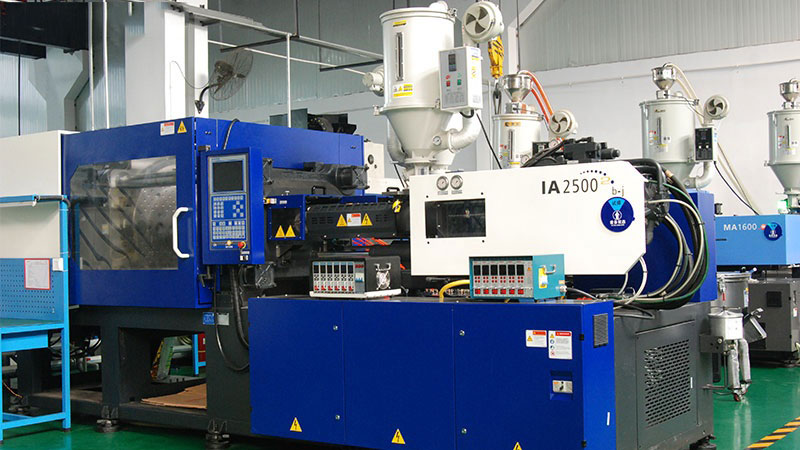
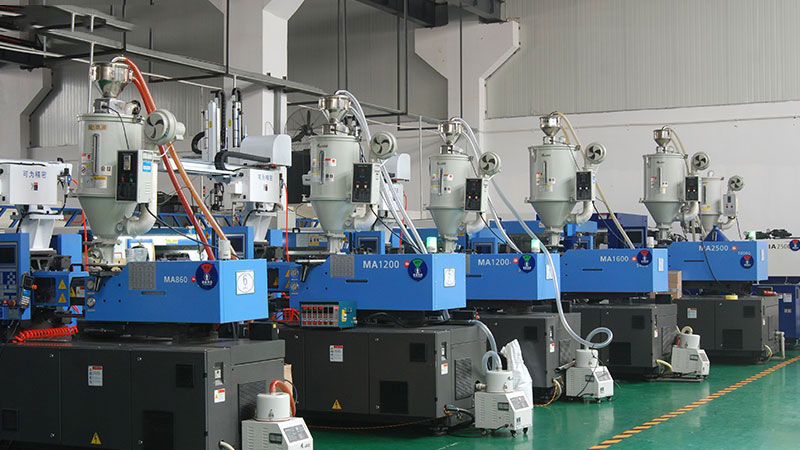
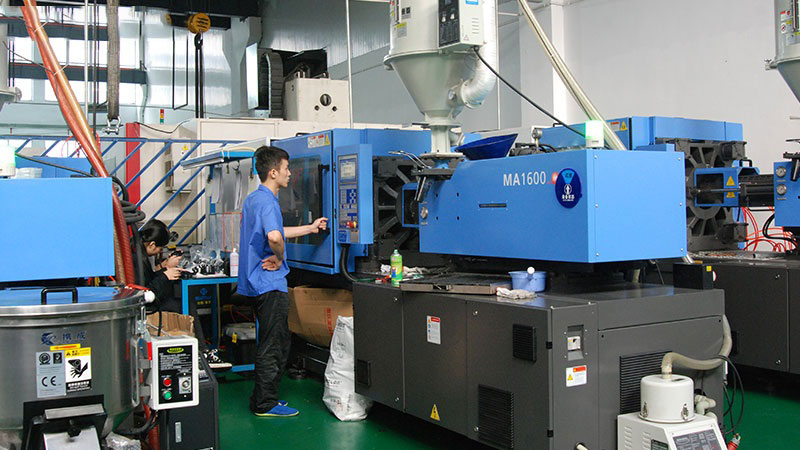
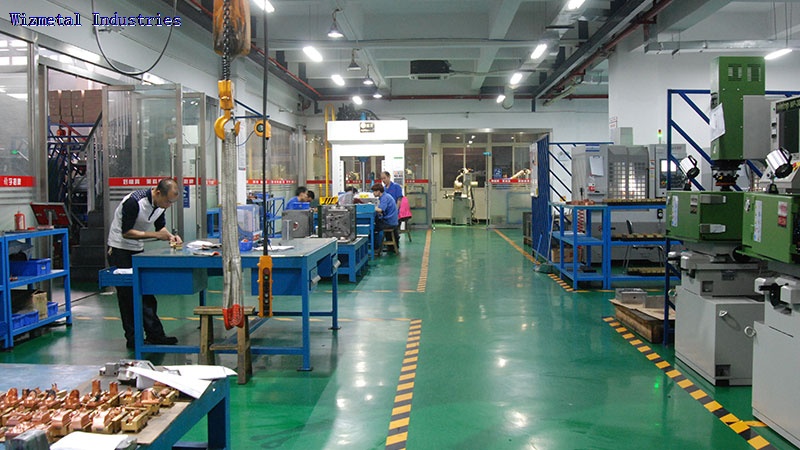
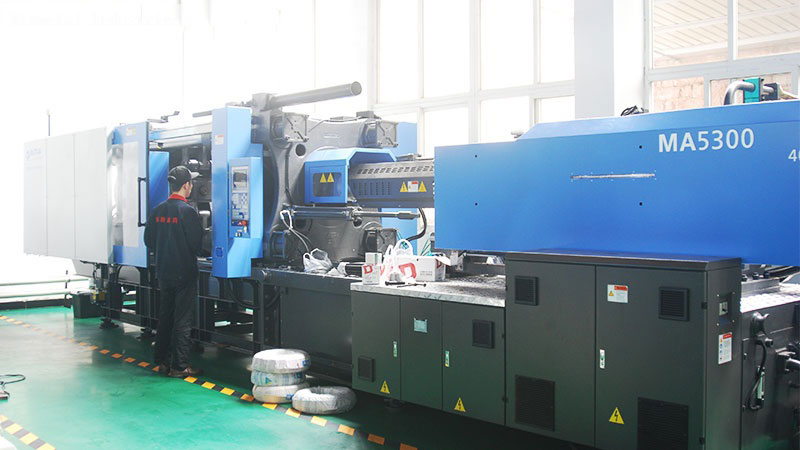
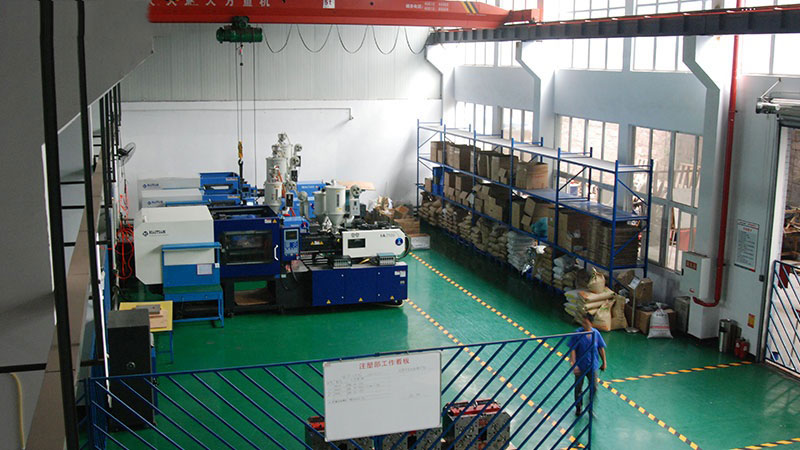
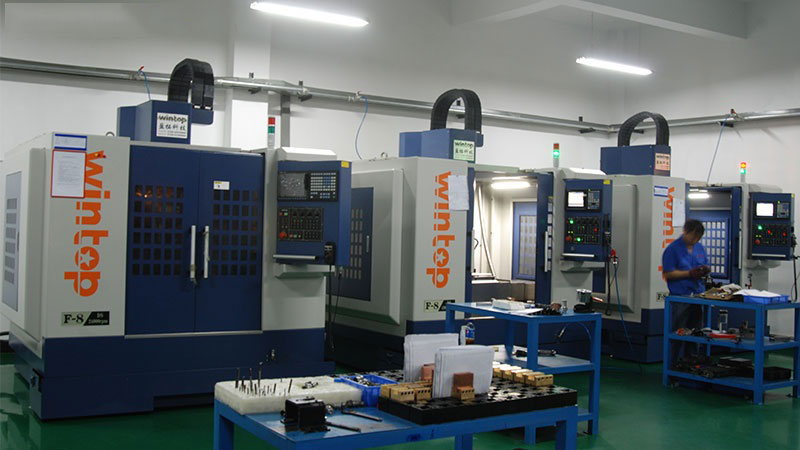
Your journey begins long before you request a quote. The Chinese manufacturing market is vast, with factories ranging from highly specialized workshops to large, full-service facilities. For roto molding, seek out suppliers with demonstrable expertise in this specific niche, not just general plastic injection mold capabilities. Start with a multi-platform verification approach. Scrutinize business licenses (via platforms like Tianyancha), and insist on video tours of the factory floor. A legitimate supplier will readily showcase their rotomolding ovens, cooling stations, and CNC machines for mold fabrication. Pay close attention to their portfolio: do they have experience with products of similar size, complexity, and intended use (e.g., agricultural tanks, marine buoys, industrial containers) as yours? This initial deep dive is your first and most critical quality control checkpoint, filtering out unqualified players before technical discussions even begin.
Decoding Technical Proposals and Communication Protocols
Once you have a shortlist of potential partners, the next step is to evaluate their technical response. A professional China mold factory will not simply reply with a price. They will provide a detailed proposal covering mold design analysis, material recommendations (for both the mold and the final part), wall thickness strategy, and a clear production workflow. This is where your specifications must be ironclad. Provide comprehensive 3D drawings, material specifications (like PE crosslink grade), and desired physical properties. Assess their communication style: are they asking insightful, clarifying questions? Proactive communication at this stage is a strong indicator of their engineering prowess and commitment to preventing costly misunderstandings. Remember, a mold is a precision tool; its design is foundational to your product’s quality and production efficiency.
Implementing Stage-Based Quality Control and Inspection
Relying solely on final product inspection is a high-risk strategy for overseas buyers. The modern approach is to integrate quality control at every key milestone. Mandate a First Article Inspection (FAI) once the initial mold is produced and sample parts are manufactured. This involves a dimensional check against your CAD data, a review of surface finish, and an assessment of wall thickness consistency. For best results, engage a trusted third-party inspection service located near the factory to conduct these checks on your behalf. Furthermore, establish clear protocols for Pre-Shipment Inspections (PSI) for production runs. Define your Acceptable Quality Level (AQL) for defects. A supplier confident in their process will agree to these transparent checks. This layered QC approach transforms abstract assurances into documented, verifiable evidence of quality.
Navigating Logistics, IP Protection, and Relationship Management
Finalizing the mold is only part of the equation. Discuss logistics early—will the mold be shipped to you or remain at the factory for production runs? Mold design and fabrication constitute valuable intellectual property. Ensure your contract includes robust IP protection clauses, clearly stating that all design rights belong to you. A non-disclosure agreement (NDA) is a standard prerequisite. View this procurement not as a one-time transaction but as forging a strategic partnership. A reliable supplier becomes an extension of your team, capable of supporting mold maintenance, modifications, and future projects. Providing constructive feedback and fostering a collaborative relationship often yields better long-term results than purely adversarial price negotiations.
Conclusion
Sourcing custom roto molds from China in 2026 demands a blend of diligent verification, technical collaboration, and structured quality oversight. By moving beyond superficial custom roto molding reviews and implementing the proactive steps outlined—from rigorous supplier verification to stage-based inspections—you significantly de-risk the procurement process. The ultimate goal is to transform the complexity of international manufacturing into a competitive advantage, securing a high-quality mold from a Chinese partner that drives your product’s success for years to come. Let this guide be your blueprint for a confident and successful import journey.
Work With Us
As a professional China mold manufacturer, we provide one-stop mold solution for overseas buyers.
📞 Phone: +86-18605944639
💬 WhatsApp: +8618605944639
🌐 Website: bestmoldworks.com
📧 Email: [email protected]