For overseas buyers, the decision to create custom molds in China represents a significant strategic advantage, offering unparalleled cost efficiency and manufacturing scalability. However, navigating this complex landscape requires more than just finding the lowest quote. The year 2026 brings evolved challenges and opportunities, demanding a professional, systematic approach to procurement. This guide is designed to cut through the noise and provide you with actionable, real-world strategies to secure high-quality tooling, mitigate risks, and build a successful, long-term partnership with a Chinese mold factory.
The foundation of a successful project lies in meticulous preparation before you even contact a single supplier. Begin by developing comprehensive and unambiguous technical specifications. This package should extend beyond basic CAD drawings to include a detailed Design for Manufacturability (DFM) analysis, preferred material grades (e.g., specific steel types like P20, H13, or S136 for your injection mold), expected cycle times, part volume projections, and clear surface finish requirements (SPI standards). Furthermore, define your critical-to-quality dimensions and tolerance expectations explicitly. This level of detail not only ensures you receive comparable and accurate quotations but also immediately identifies factories with the technical competency to engage in a substantive dialogue. It positions you as a knowledgeable buyer, setting a professional tone for all subsequent interactions.
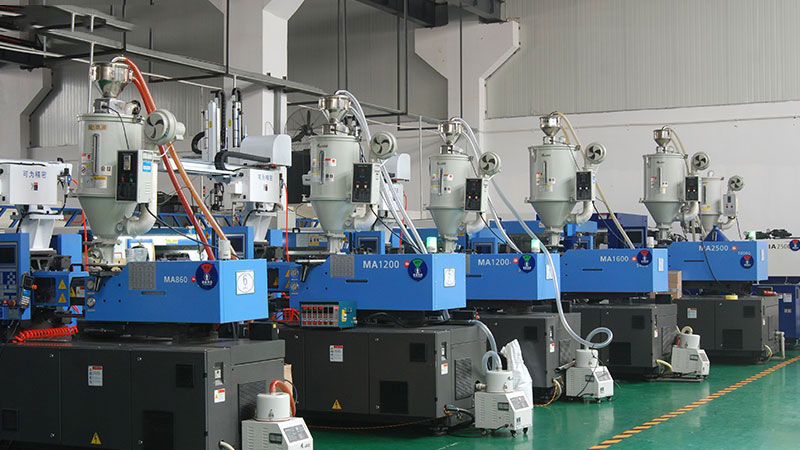
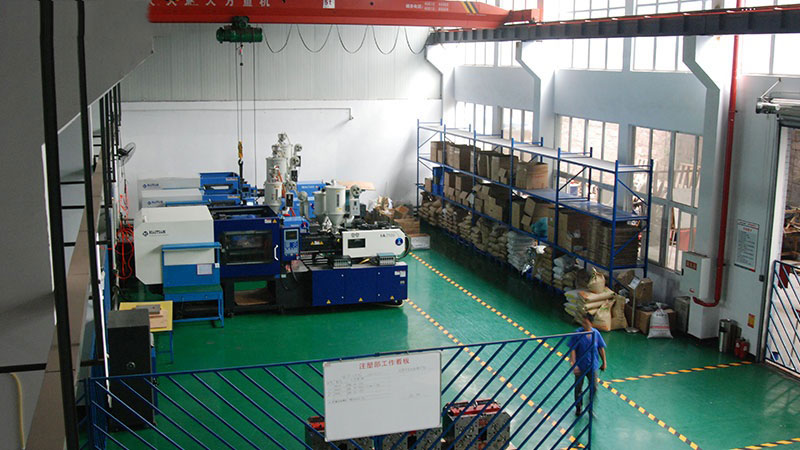
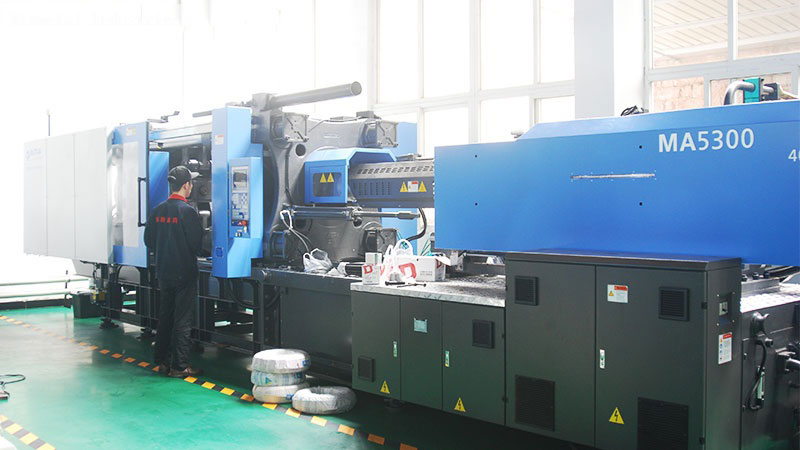
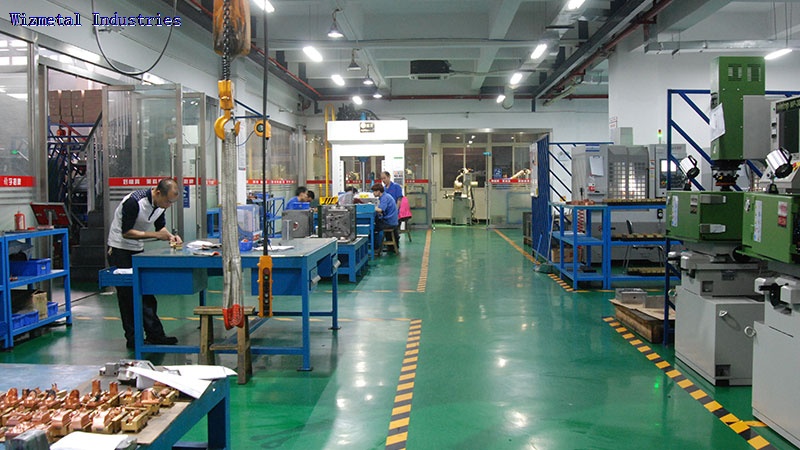
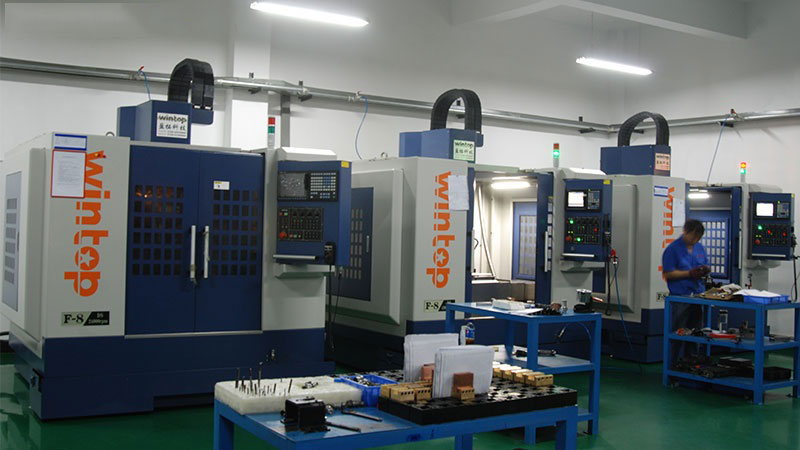
With your specifications ready, the critical phase of supplier verification begins. In 2026, a factory’s digital footprint is a key verification tool, but it must be scrutinized. Move beyond a basic website visit. Utilize professional platforms like Made-in-China.com or Global Sources to check credentials, but prioritize in-depth due diligence. Insist on a live video audit of the production floor. A credible China mold factory will readily showcase their CNC machining centers, EDM equipment, and mold trial areas. Specifically ask to see examples of previous work that are similar in complexity and size to your project. Crucially, verify their quality control infrastructure; ask for calibration certificates for their CMM machines and details on their first article inspection process. This step is non-negotiable for separating marketing from manufacturing capability.
The procurement process itself must be managed with clear commercial and technical governance. When evaluating quotations, be wary of prices that seem excessively low, as they often signal compromises in material quality, machining time, or engineering expertise. Instead, focus on value. A professional breakdown should itemize steel cost, machining hours, heat treatment, and trial run expenses. Negotiate payment terms that protect both parties; a common and balanced structure is 40% deposit, 50% upon pre-shipment approval of trial samples, and 10% after final delivery. Always use a detailed proforma invoice (PI) and a legally vetted purchase contract that specifies intellectual property ownership, confidentiality, warranty periods (typically 12-18 months), and liability clauses. This formalizes the agreement and provides clear recourse.
Active quality control throughout the manufacturing lifecycle is your primary risk mitigation tool. Do not adopt a “black box” approach. Require your supplier to provide milestone updates with photographic evidence—such as material certification for the mold steel, completed rough machining, and finished cavity and core blocks. The most critical phase is the Tool Trial Report (TTR). Upon completion of the mold, insist on a formal sampling run. The factory should send you video of the trial and multiple physical samples from the initial shots. You must subject these samples to your own dimensional and functional tests. A comprehensive TTR, including process parameters used during the trial, allows you to approve the tool for mass production or request necessary adjustments before final payment and shipment. This proactive involvement is essential to create custom molds that meet your exact standards.
Finally, view your engagement as a partnership for future growth. A reliable mold supplier is a strategic asset. After successful completion of the first project, discuss their capacity for ongoing maintenance, repair, and potential design modifications. A forward-thinking partner will offer to store your mold design files securely for future iterations. This long-term perspective transforms a transactional purchase into a streamlined supply chain advantage, enabling you to respond quickly to market demands and product improvements. The goal is to build a relationship where the China mold factory becomes a true extension of your own engineering and production team.
In conclusion, successfully importing custom tooling from China in 2026 is a disciplined process of preparation, verification, and active management. By investing time in detailed specifications, conducting rigorous supplier verification, governing the procurement with clear contracts, enforcing stringent quality control at every milestone, and fostering a long-term partnership, you transform a complex international transaction into a reliable competitive edge. This professional approach empowers you to confidently create custom molds that deliver consistent quality, optimize your production costs, and ultimately bring your product visions to market with precision and efficiency.
Work With Us
As a professional China mold manufacturer, we provide one-stop mold solution for overseas buyers.
📞 Phone: +86-18605944639
💬 WhatsApp: +8618605944639
🌐 Website: bestmoldworks.com
📧 Email: [email protected]