Category: Custom molds for resin

  • where can i get a custom plastic mold made: Expert Tips 2026

    For overseas buyers and product developers, the question “where can i get a custom plastic mold made” is a critical first step in bringing a plastic component to life. The global manufacturing landscape offers numerous answers, but for an optimal blend of cost-effectiveness, technical capability, and scalability, China remains the predominant destination. However, navigating this vast market requires a strategic approach to transform a promising idea into a high-quality, production-ready injection mold. This guide provides actionable, expert-level tips for 2026, designed to help you procure with confidence and build successful partnerships with a China mold factory.

    The most reliable starting point is a targeted online search combined with industry-specific platforms. While generic search engines can yield results, your procurement strategy should prioritize professional B2B manufacturing marketplaces such as Alibaba.com, Made-in-China.com, and Global Sources. These platforms allow for filtered searches based on capabilities like mold size, tonnage, and materials processed. Crucially, look for suppliers with verified badges, on-site check reports, and a portfolio rich in projects similar to your envisioned injection mold. Beyond these, attending international trade shows like Chinaplas or the Canton Fair, either in person or via their virtual editions, provides unparalleled opportunity to assess a manufacturer’s expertise face-to-face and inspect sample quality firsthand. This initial vetting phase is about creating a longlist of potential partners with the stated technical capacity to meet your project’s demands.

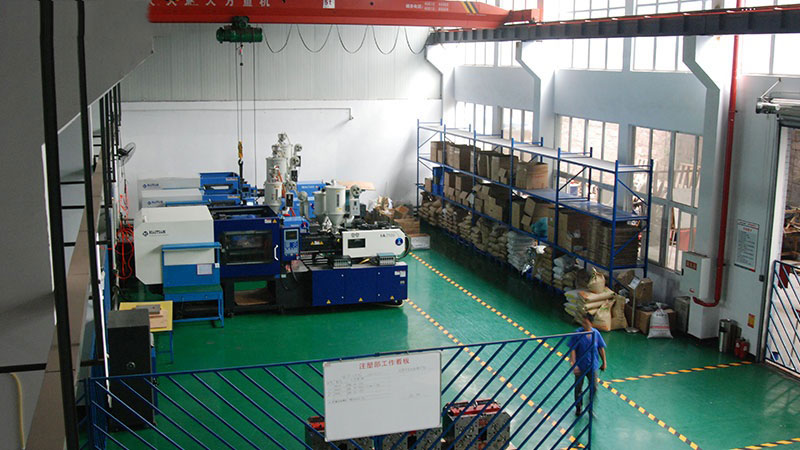
    Once you have a longlist, the process shifts to rigorous supplier verification. This is the single most important step in answering “where can i get a custom plastic mold made” with a reliable partner. Begin by scrutinizing the company’s background: how long have they been in business, and what is their core focus? A factory specializing in precision medical molds may not be the best fit for large automotive panels. Request a detailed company profile and business licenses. Next, insist on a virtual factory tour via video call; a reputable China mold factory will readily showcase their workshop, machinery (look for modern CNC, EDM, and CMM equipment), and quality control stations. Demand and contact references from past overseas clients, specifically those in your region or industry. This due diligence separates marketing claims from operational reality and is fundamental to mitigating procurement risk.

    After narrowing down to a few strong candidates, precise technical communication becomes the focus. The success of your custom plastic injection mold hinges on the clarity and completeness of your request for quotation (RFQ). Provide more than just a 3D CAD file (typically in STEP or IGS format). Include a comprehensive specification document detailing the plastic material intended for production, expected annual volumes, critical tolerances, surface finish requirements (e.g., SPI standards), and part lifecycle expectations. Discuss mold design standards—whether you require DME, HASCO, or local standard mold bases. A professional manufacturer will engage in a design for manufacturability (DFM) review, offering suggestions to simplify geometry, improve mold flow, and reduce cost without compromising function. This collaborative engineering phase is where a good supplier adds immense value, preventing costly revisions later.

    Securing a fair contract with explicit quality control protocols is non-negotiable. Your purchase agreement should go beyond price and delivery time. It must detail the milestone-based payment schedule (e.g., 30% deposit, 40% after T1 sample approval, 30% before shipment), ownership of design files, and warranty terms for the mold. Crucially, embed a structured quality control plan. Specify that you require regular progress photos and inspection reports at key stages: material certification for the mold steel, first article inspection (FAI) reports from the T1 sample, and dimensional reports using CMM measurements. For high-value projects, hiring an independent third-party inspection company to conduct a pre-shipment inspection (PSI) is a wise investment. This objective verification ensures the injection mold meets all agreed specifications before it leaves the factory, protecting your capital and project timeline.

    Effective procurement does not end with the mold shipment; planning for production and long-term partnership is key. Discuss with your supplier their capacity for molding initial production batches. Many Chinese mold makers offer low-volume injection molding services, which is ideal for validating the mold and producing market-testing quantities. Establish clear protocols for sample approval, defining what constitutes an acceptable T1 sample and the process for implementing minor tweaks. Furthermore, address post-sales support: who is responsible for mold maintenance, and what are the costs and lead times for repair or modification? Building a transparent, communicative relationship with your chosen China mold factory transforms a transactional purchase into a strategic supply chain asset, enabling you to iterate products and scale production efficiently for years to come.

    In conclusion, the journey to procure a custom plastic injection mold in China is a structured process of research, verification, communication, and control. By leveraging professional platforms, conducting thorough supplier verification, engaging in detailed technical discussions, enforcing rigorous quality control, and planning for the full product lifecycle, overseas buyers can confidently secure high-quality tooling. The answer to where you can get a custom plastic mold made effectively lies in selecting a partner whose expertise, transparency, and processes align with your project’s critical requirements. Implementing these expert tips for 2026 will position you to not only find a manufacturer but to forge a partnership that drives your product’s success in the global marketplace.

    Work With Us

    As a professional China mold manufacturer, we provide one-stop mold solution for overseas buyers.
    📞 Phone: +86-18605944639
    💬 WhatsApp: +8618605944639
    🌐 Website: bestmoldworks.com
    📧 Email: [email protected]
  • injection molding: Reliable Manufacturers Guide 2026

    For overseas businesses, sourcing injection molds from China remains a strategic move to achieve significant cost savings and access advanced manufacturing capabilities. However, the landscape is evolving rapidly. The challenge in 2026 is no longer just about finding a low-cost provider, but about identifying a truly reliable partner capable of delivering precision, consistency, and seamless communication. This guide cuts through the noise to provide actionable, up-to-date strategies for your procurement success, ensuring your project leverages the best of Chinese manufacturing while mitigating common risks.

    Mastering Supplier Verification in the Digital Age

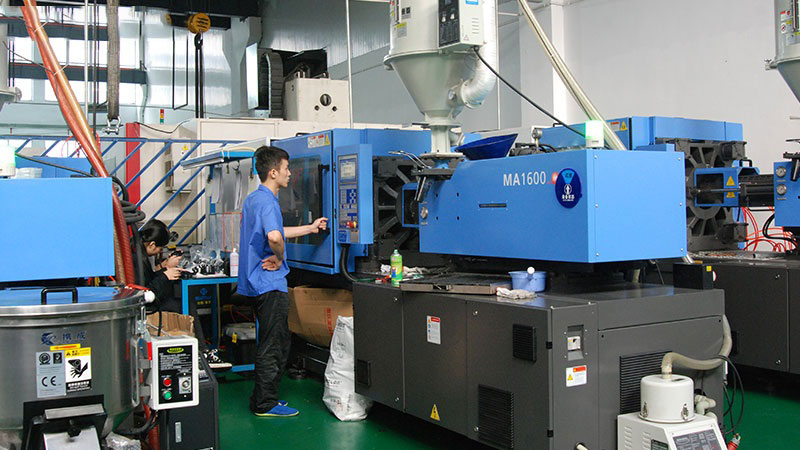
    The initial search and verification phase is critical. Moving beyond simple Alibaba listings, a multi-layered approach is now essential. Start with a deep-dive into a potential China mold factory’s digital footprint. Scrutinize their professional website for detailed case studies, technical blogs, and equipment lists—look for modern CNC, EDM, and CMM machines. Utilize platforms like LinkedIn to assess employee profiles and company activity. Crucially, in 2024, a virtual factory audit has become a non-negotiable first step. Reputable suppliers expect this and can facilitate a live video tour, showcasing their shop floor, quality control stations, and ongoing projects. This real-time view is invaluable for assessing organization, technology, and scale before you commit any resources.

    Technical Communication and Prototyping Clarity

    A leading cause of project failure is ambiguous technical communication. To secure a high-quality injection mold, you must provide impeccable design data. Ensure your 3D CAD files (STEP or IGS) are final and validated, with clear 2D drawings specifying critical tolerances, surface finishes (SPI/VDI standards), material grades, and expected cavitation. Do not assume standards; explicitly state them. Discuss and agree on a prototyping process upfront. Will the supplier provide 3D-printed prototype parts for form and fit? Will they produce initial samples from the actual steel mold (T1 samples) for functional testing? A reliable partner will guide you through this cycle, document all design for manufacturability (DFM) feedback formally, and never proceed without your signed approval on key milestones.

    Implementing Tiered Quality Control Gates

    Passive hope is not a quality strategy. You must build active quality control checkpoints into your agreement. This goes beyond a final inspection. Structure your payments to align with these QC gates: a percentage after mold design approval, after mold completion (pre-shipment inspection), and after successful sample approval. Insist on documented evidence at each stage. This should include mold flow analysis reports, photographs of the finished mold with precision gauges, and dimensional reports from the first shot samples using their CMM data. For critical projects, consider engaging a local third-party inspection service to conduct an on-site audit during the T1 sample stage. This proactive investment prevents costly rework and delays after the mold has shipped.

    Navigating Logistics and Intellectual Property Protection

    The journey is not complete when the mold is finished. Logistics and IP require forethought. Clearly define shipping terms (Incoterms 2020) with your supplier. For high-value injection molds, FOB is often preferred, giving you control over the main freight and insurance. Ensure the supplier provides professional packaging—proper crating with desiccant for ocean freight to prevent rust. Regarding Intellectual Property, a robust NDA is your first defense, but it must be enforceable. Work with legal counsel to draft an agreement that specifies jurisdiction. While Chinese law has strengthened IP protections, practical steps like splitting mold manufacturing and final part production between different, non-affiliated factories can add a layer of security. A trustworthy partner will understand these concerns and cooperate transparently.

    Building a Partnership Beyond a Single Transaction

    The most successful importers view their China mold factory not as a vendor, but as a long-term technical partner. This mindset shift is crucial for 2026 and beyond. After a successful first project, involve your supplier in early-stage design consultations for new products. Their expertise in injection molding can lead to design optimizations that save cost and improve yield. Schedule regular performance reviews and consider discussing framework agreements for future work. A partner invested in your success will provide better support for mold maintenance, troubleshooting, and future modifications. This relationship becomes a significant competitive advantage, ensuring consistent quality and innovation in your supply chain.

    Conclusion

    Importing injection molds from China in 2026 demands a sophisticated, diligent approach centered on verification, clear communication, and controlled processes. By implementing the strategies outlined—from digital-age supplier vetting and explicit technical protocols to tiered quality gates and partnership building—you transform procurement from a risky endeavor into a reliable pillar of your business strategy. The goal is to move beyond price alone and select a manufacturer whose capabilities, transparency, and commitment to quality align with your standards. With this guide, you are equipped to navigate the market confidently, securing not just a tool, but a foundation for manufacturing excellence.

    Work With Us

    As a professional China mold manufacturer, we provide one-stop mold solution for overseas buyers.
    📞 Phone: +86-18605944639
    💬 WhatsApp: +8618605944639
    🌐 Website: bestmoldworks.com
    📧 Email: [email protected]
  • custom molds: Reliable Manufacturers Guide 2026 | China Mold Factory

    For overseas buyers, the decision to import custom molds from China represents a significant strategic advantage, offering unparalleled cost efficiency and manufacturing scalability. However, the path to a successful partnership with a China mold factory is fraught with potential pitfalls, from communication gaps to inconsistent quality. This guide is designed to cut through the noise and provide you with a clear, actionable framework for your procurement journey in 2026. We will focus on practical steps for supplier verification, stringent quality control, and building a partnership that ensures your injection mold project meets exact specifications, on time and on budget.

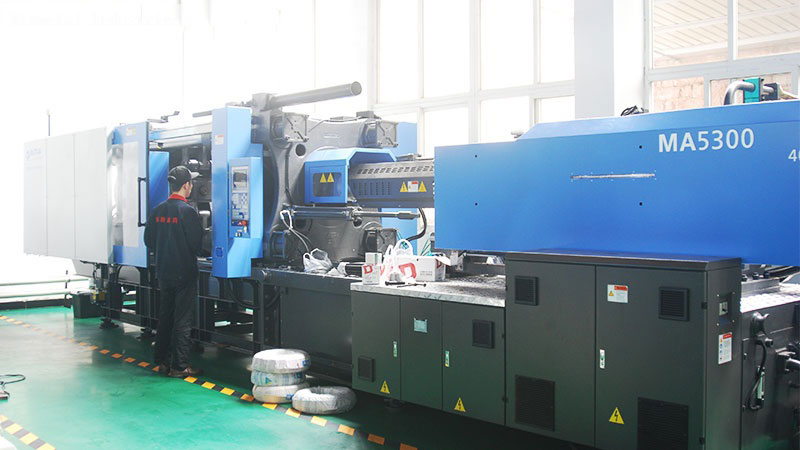
    The foundation of any successful import project is rigorous supplier verification. In 2026, due diligence goes beyond a simple website check. Start by verifying the manufacturer’s business license via official Chinese platforms and cross-referencing their factory address using satellite imagery tools. Prioritize suppliers with a documented portfolio of projects similar to your needs, particularly in your industry sector. During initial discussions, request detailed case studies and contact information for past international clients. A reliable partner for your custom molds will be transparent and eager to provide these references. Furthermore, assess their engineering capability by presenting a preliminary design challenge; their questions and proposed solutions will reveal their technical depth and proactive approach.

    Once a potential partner is shortlisted, mastering the technical and commercial quotation process is critical. A professional China mold factory will provide a breakdown that separates mold cost from part price. For your injection mold, scrutinize the steel grade (e.g., P20, H13, S136), mold life expectancy (number of shots), and the inclusion of all standard components (hot runners, sliders, lifters). Be explicit about your expectations for T1 sample timing and the number of included revisions. In 2026, leveraging digital collaboration is non-negotiable. Utilize shared cloud platforms for 3D file exchange (STEP, IGS) and insist on using detailed RFQ templates that list every specification. This eliminates ambiguity and ensures you are comparing quotations on a like-for-like basis, a cornerstone of effective procurement.

    Implementing a multi-stage quality control protocol is what separates successful imports from costly failures. Your agreement must define clear Inspection and Test Points (ITPs). Typically, these include a First Article Inspection (FAI) after the T1 samples are produced, a Dimensional Inspection Report (DIR) using CMM data, and a Pre-Shipment Inspection (PSI). For critical custom molds, consider engaging a trusted third-party quality inspection service located near the factory to conduct these checks. They can verify steel hardness, inspect mold flow analysis reports, and perform initial sample runs, providing you with objective evidence before shipment. This proactive investment in quality control mitigates the risk of receiving a non-conforming product and saves substantial costs on rework or remanufacturing.

    Clear, continuous communication is the glue that binds all stages of the mold manufacturing process. Establish a single point of contact on both sides who possesses technical English proficiency. Schedule regular weekly update meetings via video call, where the factory can share progress photos and videos directly from the shop floor. Many forward-thinking Chinese mold factories now provide real-time access to project management software, offering visibility into each milestone. Document all agreements, change requests, and technical approvals in writing, following each meeting with a summary email. This creates a clear audit trail and ensures that your vision for the injection mold is perfectly understood and executed, minimizing errors born from assumption.

    Finally, view your engagement as a strategic partnership, not just a transactional purchase. Reliable manufacturers value long-term relationships and are more likely to invest extra effort and support. Discuss future projects and their capacity for ongoing maintenance, spare parts, and potential design modifications. A partner invested in your long-term success will provide better pricing, prioritize your projects, and offer invaluable insights into design for manufacturability (DFM) to optimize your part and mold for production. This collaborative approach transforms your chosen China mold factory from a simple vendor into an extension of your own engineering team.

    In conclusion, importing custom molds from China in 2026 demands a blend of traditional due diligence and modern digital collaboration. By implementing a disciplined process of supplier verification, detailed technical procurement, staged quality control, and structured communication, you can confidently navigate the market. The goal is to build a transparent, professional partnership with a China mold factory that delivers precision, reliability, and value. With this guide as your roadmap, you are equipped to turn the complexity of overseas injection mold procurement into a competitive advantage for your business.

    Work With Us

    As a professional China mold manufacturer, we provide one-stop mold solution for overseas buyers.
    📞 Phone: +86-18605944639
    💬 WhatsApp: +8618605944639
    🌐 Website: bestmoldworks.com
    📧 Email: [email protected]
  • custom injection molded plastic parts: Complete Procu 2026

    For overseas buyers, sourcing custom injection molded plastic parts represents a significant opportunity to achieve cost efficiency, scalability, and design flexibility. However, navigating the procurement landscape in China can be complex, with challenges ranging from supplier verification to consistent quality control. As we move into 2026, the strategies for successful procurement are evolving. This guide is designed to provide a clear, actionable framework for importing high-quality plastic components, helping you mitigate risks and build a robust, reliable supply chain with a competent China mold factory.

    The foundation of any successful project lies in meticulous preparation before you even begin contacting suppliers. A precise and comprehensive product definition is non-negotiable. This goes beyond a simple sketch. You must develop detailed 3D CAD models, specify the exact plastic resin grade (including color and any material certifications like FDA or UL94), and establish critical tolerances for dimensions and appearance. Furthermore, create a comprehensive RFQ package that includes your anticipated annual volumes, target piece-part price, and expected mold lifespan. This level of detail not only allows for accurate and comparable quotations but also immediately identifies suppliers who pay attention to specifications. It sets a professional tone and filters out vendors who rely on vague assumptions, ensuring you engage only with serious partners capable of delivering your specific custom injection molded plastic parts.

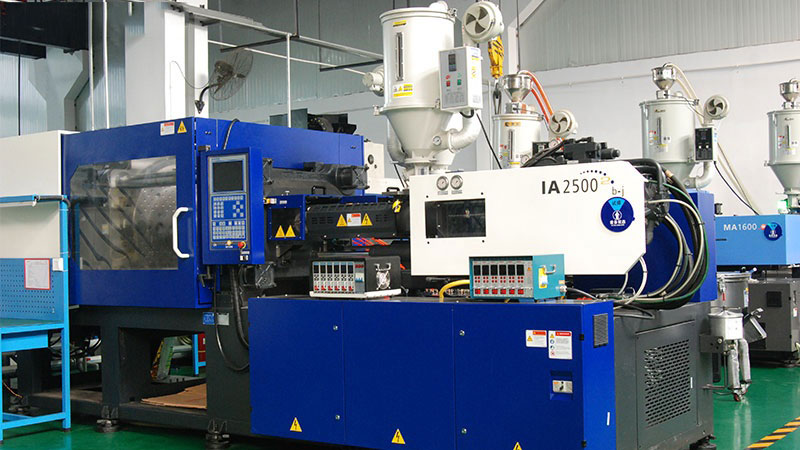
    With your package ready, the critical phase of supplier verification begins. In 2026, due diligence extends far beyond checking an Alibaba storefront. Start by verifying the supplier’s business license and export credentials. Then, conduct a deep-dive into their technical capabilities. Request and scrutinize case studies or portfolios of past projects similar in size and complexity to yours. A crucial step is to initiate a video conference for a virtual factory tour; this allows you to assess their machinery, workshop organization, and engineering team firsthand. Pay close attention to their mold-making equipment and injection molding presses. Ask pointed questions about their experience with your specific material and part geometry. Furthermore, insist on speaking directly with the project engineer who would handle your account. This process separates true manufacturing partners from trading companies or under-resourced workshops, ensuring your injection mold is in capable hands.

    Once a supplier is selected, the focus shifts to the technical and commercial negotiation, where clarity prevents future conflict. The mold is a capital investment, and its ownership, maintenance, and warranty terms must be explicitly defined in your contract. Specify who owns the intellectual property and the physical mold tooling. Negotiate a clear mold warranty period, typically covering workmanship and materials for a set number of shots. The quotation should be broken down transparently: mold cost, sample part cost, and piece-part price at various volume tiers. Discuss payment terms strategically; a common and balanced structure is 50% for mold fabrication, 40% upon sample approval, and 10% upon mass production shipment. This milestone-based approach aligns incentives and protects both parties. Ensure all agreed-upon specifications, including the final resin grade and quality standards, are documented in a formal Product Specification Sheet attached to the purchase order.

    Proactive quality control is the single most important factor in ensuring the delivered parts match your expectations. Do not wait for the shipment to arrive at your dock to inspect. Implement a staged QC protocol. First, after the mold is built, require a First Article Inspection report with detailed measurements and photographs from the China mold factory. Next, arrange for an independent third-party inspection during the initial production run to verify part dimensions, functionality, and visual standards against your approved sample. For ongoing orders, define an Acceptable Quality Level and require statistical process control data from the supplier. Establishing clear packaging standards is also vital to prevent damage in transit. By embedding these checkpoints throughout the production process, you move from reactive problem-solving to proactive supply chain management, catching issues early when they are less costly to correct.

    The final phase, often overlooked, is fostering a long-term partnership. View your supplier not as a transactional vendor but as an extension of your manufacturing team. Provide clear, constructive feedback on samples and production parts. Schedule regular business reviews to discuss performance, upcoming projects, and potential cost-optimization ideas. As trust builds, this relationship can yield significant dividends, such as preferential pricing, faster turnaround on new projects, and the supplier’s proactive investment in process improvements for your account. A collaborative approach transforms the procurement of custom injection molded plastic parts from a periodic challenge into a stable, value-adding pillar of your business operations.

    In conclusion, the complete procurement journey for injection molded parts in 2026 demands a structured, informed, and vigilant approach. Success is built on the pillars of detailed preparation, rigorous supplier verification, transparent contracting, embedded quality control, and relationship management. By following this framework, overseas buyers can confidently navigate the complexities of sourcing from China. The goal is to secure not just a cost-effective price, but a reliable, high-quality supply of components that supports your product’s success in the global market for years to come. Mastering this process turns the challenge of international procurement into a formidable competitive advantage.

    Work With Us

    As a professional China mold manufacturer, we provide one-stop mold solution for overseas buyers.
    📞 Phone: +86-18605944639
    💬 WhatsApp: +8618605944639
    🌐 Website: bestmoldworks.com
    📧 Email: [email protected]
  • silicone mold factory near me: Ultimate Guide for Buy 2026

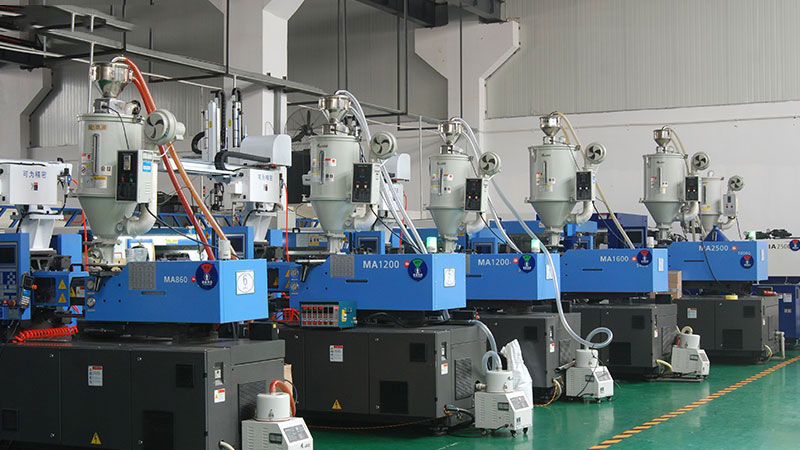
    For overseas businesses and entrepreneurs, the search for a reliable “silicone mold factory near me” often leads to a global destination: China. The country’s manufacturing ecosystem offers unparalleled advantages in cost, scalability, and technical capability for injection molds and silicone tooling. However, navigating this landscape from afar presents unique challenges in supplier verification, quality control, and procurement. This guide is designed to cut through the complexity, providing you with a professional, actionable roadmap for successfully importing high-quality molds from China in 2026 and beyond.

    The core misunderstanding for many international buyers begins with the phrase “near me.” Physically, a factory in China will never be geographically close. However, with the right strategy, you can create a partnership that feels local—responsive, transparent, and aligned with your quality standards. The goal shifts from finding a nearby facility to identifying a China mold factory that operates with the professionalism and communication efficiency of a local partner. This involves a meticulous process that begins long before a quote is requested and continues through to final delivery.

    Your first and most critical step is thorough supplier verification. In 2026, due diligence goes beyond a website and a few email exchanges. Start by verifying business licenses and export credentials. Utilize third-party inspection reports and platforms like Global Sources or Made-in-China, but dig deeper. Request virtual factory tours via video call; a reputable supplier will readily showcase their workshop, machinery, and workflow. Ask for specific, verifiable case studies or client references from your region or industry. Crucially, communicate directly with their engineering team early on. A supplier’s willingness to engage technically on your project is a strong indicator of their capability and seriousness. This phase is not about finding the cheapest option, but the most competent and transparent China mold factory for your specific needs.

    Once a potential partner is identified, mastering the procurement and specification phase is essential. The adage “garbage in, garbage out” holds true. Provide exceptionally detailed and clear technical drawings, specifying material grades (e.g., food-grade silicone, high-temperature resistant resins), Shore hardness, tolerances, and expected production volume. For injection mold projects, discuss mold flow analysis upfront to prevent costly defects. Clearly outline all stages: 3D modeling, prototype development, sampling, and mass production. A professional factory will ask clarifying questions and may suggest design-for-manufacturability (DFM) improvements to enhance durability or reduce cost. Ensure your purchase agreement explicitly covers intellectual property (IP) protection, payment terms (staged payments are standard), delivery schedule, and protocols for handling deviations from the agreed specifications.

    Implementing rigorous quality control is non-negotiable. Do not leave inspection until the final shipment is ready. Insist on a First Article Inspection (FAI) after the initial samples are produced. This involves a detailed dimensional and functional check against your drawings. For ongoing production, define the Acceptable Quality Level (AQL) for sampling inspections. While you can hire third-party inspection services for critical checkpoints, the most effective approach is to build quality checks into the timeline and cost. Require high-resolution photos and videos of the molds at key milestones: steel inspection, T1 sample, and pre-shipment. For silicone molds, test the first cast samples yourself for material feel, detail reproduction, and release properties. Proactive quality control prevents surprises and fosters a culture of accountability with your supplier.

    Finally, view the relationship as a strategic partnership. Successful importation is not a one-time transaction. Consistent communication, respectful negotiation, and clear expectations are the bedrock. Use project management tools to track progress. Consider visiting the factory in person for significant projects; the investment in a site visit can pay dividends in relationship building and process understanding. Discuss their capacity for mold maintenance, repair, and future modifications. A true partner will be interested in your long-term success, as it ensures repeat business and referrals. In 2026, the most competitive silicone mold factory near me—in a operational sense—will be one that is integrated into your supply chain as a reliable extension of your own production.

    In conclusion, importing molds from China remains a highly strategic move for overseas buyers in 2026. The path to success lies in methodical supplier verification, precise technical procurement, uncompromising quality control, and fostering a partnership mindset. By shifting your focus from geographical proximity to operational closeness, you unlock the vast potential of Chinese manufacturing. The ultimate “silicone mold factory near me” is not defined by distance, but by its reliability, expertise, and commitment to turning your design into a flawless, market-ready product. Begin your search with these principles, and you will build a supply chain asset that drives your business forward for years to come.

    Work With Us

    As a professional China mold manufacturer, we provide one-stop mold solution for overseas buyers.
    📞 Phone: +86-18605944639
    💬 WhatsApp: +8618605944639
    🌐 Website: bestmoldworks.com
    📧 Email: [email protected]
  • custom injection molders: Reliable Manufacturers Guide 2026

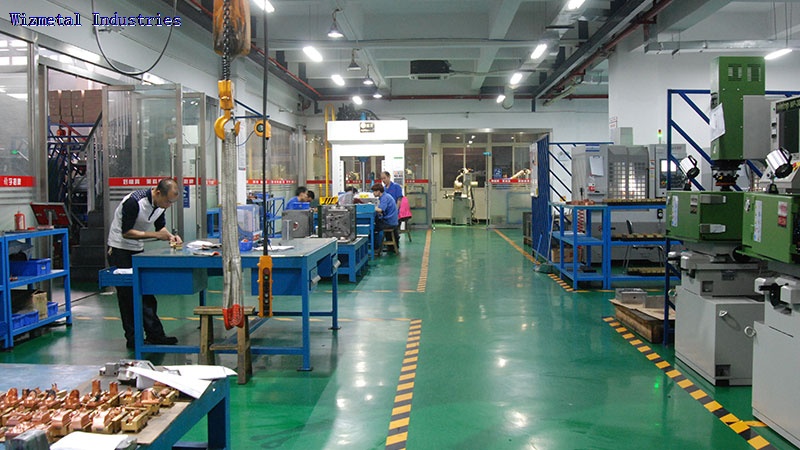
    For overseas buyers, sourcing custom injection molders in China represents a significant opportunity for cost efficiency, advanced manufacturing capability, and scalability. However, the path to a successful partnership is often paved with challenges: communication gaps, inconsistent quality, and the daunting task of verifying a trustworthy supplier from afar. This guide for 2026 cuts through the noise to provide a professional, actionable framework for procuring high-quality injection molds from China, ensuring your project’s success from design to production.

    The cornerstone of a successful import project is meticulous supplier verification. Moving beyond a simple Alibaba search is non-negotiable. Begin by identifying a shortlist of China mold factory candidates with proven experience in your specific industry, whether automotive, medical, consumer electronics, or packaging. Scrutinize their online presence; a professional website with detailed case studies, technical blog posts, and clear certifications (like IATF 16949 for automotive or ISO 13485 for medical) is a positive indicator. Utilize third-party verification platforms and insist on a video conference tour of their facility. Observe their workshop organization, machinery brands (e.g., Haitian, Engel, or Sodick EDMs), and quality control stations in real-time. This step filters out trading companies and aligns you with capable custom injection molders who have the technical depth to understand your requirements.

    Once a potential partner is identified, the procurement process must be anchored in crystal-clear technical communication. The single most critical document is the comprehensive Request for Quotation (RFQ). This should extend beyond part drawings and include a fully detailed mold specification sheet. Specify the mold base steel (e.g., P20, H13, S136), cavity material, expected lifecycle (number of shots), surface finish requirements (SPI standards), cooling line layout, and ejection system design. Clearly state your expectations for deliverables: 3D mold flow analysis reports, DFM (Design for Manufacturability) feedback, and a milestone-based payment schedule linked to design approval, T1 sample delivery, and final acceptance. Proactive Chinese manufacturers will engage deeply with your RFQ, asking clarifying questions and offering constructive DFM suggestions to optimize the injection mold for manufacturability and cost.

    Managing quality control remotely is the paramount concern for overseas buyers. A robust QC strategy must be implemented in stages, not just as a final inspection. Require and review in-process documentation: material certificates for steel and resins, first-article inspection reports, and precision measurement charts for critical dimensions. For the initial sampling phase (T1), insist on witnessing sample trials via live stream. Observe the molding process, part ejection, and conduct real-time dimensional checks on the first shots. For ultimate assurance, especially for high-volume or precision-critical projects, engage a local third-party quality inspection firm to perform Pre-Shipment Inspections (PSI) or During Production Inspections (DPI). This independent verification of the injection mold and its produced parts mitigates risk and provides objective data before shipment, aligning your chosen China mold factory’s output with your contractual specifications.

    The final phase involves navigating logistics, intellectual property (IP) protection, and building a long-term relationship. Ensure your contract includes clear terms for IP confidentiality, mold ownership (the mold is typically owned by the buyer unless stated otherwise), and storage fees. Discuss and agree on logistics responsibilities—Incoterms like FOB or EXW are common. A reliable partner will assist in preparing proper commercial invoices, packing lists, and harmonized system codes for smooth customs clearance. View this procurement not as a one-time transaction but as a partnership. A trustworthy supplier becomes an extension of your engineering team. Providing clear feedback, settling payments promptly, and planning for future projects fosters a collaborative relationship that yields better pricing, priority scheduling, and continuous improvement on subsequent molds.

    Successfully importing from Chinese custom injection molders in 2026 demands a disciplined, informed approach that prioritizes verification, precise communication, and proactive quality management. By treating the supplier selection process with due diligence, mastering the technical procurement dialogue, implementing a multi-layered QC protocol, and formalizing the partnership with clear agreements, you transform geographical distance from a liability into a strategic advantage. The goal is to secure not just a cost-effective injection mold, but a reliable manufacturing partner capable of delivering consistent quality and supporting your product’s lifecycle for years to come.

    Work With Us

    As a professional China mold manufacturer, we provide one-stop mold solution for overseas buyers.
    📞 Phone: +86-18605944639
    💬 WhatsApp: +8618605944639
    🌐 Website: bestmoldworks.com
    📧 Email: [email protected]
  • Mold for ABS parts: Reliable Manufacturers Guide 2026

    For overseas buyers and product developers, sourcing a high-quality mold for ABS parts is a critical step that bridges design and mass production. ABS (Acrylonitrile Butadiene Styrene) remains one of the world’s most popular engineering thermoplastics, prized for its strength, rigidity, and excellent surface finish. However, the performance of your final ABS component is intrinsically linked to the precision and durability of the injection mold that creates it. Navigating the vast landscape of Chinese manufacturing can be daunting. This guide for 2026 cuts through the noise, providing a professional, actionable framework to identify, vet, and partner with a reliable China mold factory for your project’s long-term success.

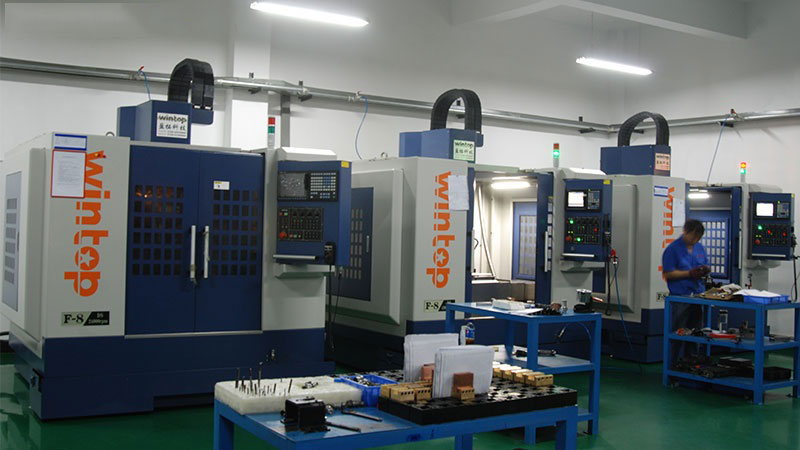
    The cornerstone of a successful procurement journey is thorough supplier verification. In 2026, due diligence goes beyond a simple website check. Start by identifying factories with demonstrable expertise in molding engineering plastics like ABS. Request and scrutinize detailed case studies of similar projects, focusing on part complexity, tolerances, and cosmetic requirements. Utilize video calls to conduct virtual factory tours; a reputable injection mold maker will readily showcase their machining centers (look for Swiss, German, or Japanese CNC and EDM equipment), mold polishing stations, and quality control lab. Crucially, verify their in-house capabilities versus outsourcing. A factory that manages core processes like design, machining, and trial internally ensures better communication, accountability, and timeline control. Third-party verification platforms and industry-specific B2B websites with verified supplier badges can provide an initial filter, but direct, in-depth engagement remains irreplaceable.

    Once a shortlist of potential partners is established, shifting the focus to technical and process transparency is vital. A professional China mold factory will engage deeply in a Design for Manufacturability (DFM) review before any steel is cut. They should provide annotated feedback on your part design, suggesting draft angles, wall thickness uniformity, gate locations, and ejection strategies optimized for ABS material flow and shrinkage. Discuss mold flow analysis as a non-negotiable step. This simulation software predicts how molten ABS will fill the mold cavity, identifying potential defects like air traps, weld lines, or sink marks before manufacturing begins. Furthermore, clarify the mold construction standards. Specify mold base materials (e.g., pre-hardened steel like P20 or hardened steel like H13 for high-volume runs), cavity/core steel grade, surface treatments (e.g., nitriding for wear resistance), and the brand of standard components (like HASCO or DME). Documenting these specifications in a formal Technical Agreement prevents cost-cutting substitutions later.

    Proactive quality control integration throughout the mold manufacturing lifecycle is what separates reliable partners from mere vendors. Agree on a staged inspection and communication protocol. Key milestones typically include a First Article Inspection (FAI) of the finished mold steel components before assembly, and a comprehensive Trial Run Report with samples from the first shots. For the trial, ensure the supplier uses material identical or equivalent to your production-grade ABS. The report should include high-resolution photos of samples, dimensional measurement data against your CAD drawings, and process parameters. For critical projects, consider engaging a local third-party inspection company to conduct an on-site audit during the Trial Sample Approval (TSA) stage. This independent verification of mold build quality and part conformity provides an additional layer of security before final payment and shipment. Remember, a robust quality control process for the mold itself is your most effective strategy to avoid costly part defects and production delays during mass manufacturing.

    The final, often overlooked, phase encompasses logistics, IP protection, and long-term partnership. Ensure you understand the complete Incoterms and the logistics chain for shipping a heavy, high-value mold for ABS parts. Reliable suppliers have experience in secure crating and can assist with freight forwarding. Intellectual property protection is a valid concern; a professional manufacturer will sign a Non-Disclosure Agreement (NDA) and a Mold Ownership Agreement. This legal document should unequivocally state that you own the design and the physical mold, often referenced by a unique serial number engraved on the tool. Finally, view your chosen supplier as a strategic partner. Discuss their capacity for mold maintenance, repair, and future modifications. A factory invested in a long-term relationship will provide better post-sales support, spare parts, and responsiveness when you need to ramp up production or address wear and tear over the mold’s lifespan.

    In conclusion, sourcing a high-performance injection mold for ABS parts from China in 2026 demands a strategic blend of rigorous verification, technical collaboration, and structured quality oversight. The landscape rewards informed buyers who move beyond price-centric comparisons to value engineering expertise, process transparency, and contractual clarity. By following this guide—focusing on in-depth supplier verification, insisting on DFM and mold flow analysis, implementing staged quality control checks, and solidifying terms for logistics and IP—you transform the procurement process from a risky necessity into a competitive advantage. The right partnership with a capable China mold factory results not just in a tool, but in a reliable foundation for producing superior ABS components, ensuring your product’s quality and market success for years to come.

    Work With Us

    As a professional China mold manufacturer, we provide one-stop mold solution for overseas buyers.
    📞 Phone: +86-18605944639
    💬 WhatsApp: +8618605944639
    🌐 Website: bestmoldworks.com
    📧 Email: [email protected]

  • plastic injection mould manufacturer in china: Profess 2026

    For overseas businesses, partnering with a plastic injection mould manufacturer in China remains one of the most strategic decisions to achieve cost efficiency and scalable production. However, the landscape is evolving rapidly. As we approach 2026, the process is less about finding the cheapest option and more about identifying technically proficient, reliable, and transparent partners who can serve as an extension of your engineering team. This guide cuts through the noise to provide actionable, professional strategies for your procurement journey, ensuring you solve real problems related to quality, communication, and project management.

    The cornerstone of a successful import project is rigorous supplier verification. Moving beyond Alibaba listings is crucial. Start by scrutinizing the manufacturer’s core competencies. Do they have a proven track record with parts similar to yours in material, size, and complexity? Request detailed case studies, not just glossy images. In 2026, a reputable China mold factory will leverage digital tools; expect virtual facility tours via video call to inspect machinery brands, cleanliness, and workshop organization. Verify business licenses and, for critical applications, ask about industry-specific certifications like IATF 16949 for automotive or ISO 13485 for medical devices. This due diligence filters out trading companies and unqualified workshops, focusing your efforts on genuine manufacturers.

    Once a shortlist is established, mastering the technical and commercial discussion is your next step. The quotation phase is a critical filter. A professional plastic injection mould manufacturer in China will provide a detailed breakdown, not a single lump sum. Analyze the cost structure: mold base steel (pre-hardened vs. hardened), cavity and core material (such as NAK80, S136, or imported steels), number of cavities, expected cycle life, and surface finish specifications. Clearly define all post-mold requirements—will they handle sampling, first article inspection reports, and minor revisions? Discuss payment terms strategically; a standard 50% deposit with 50% before shipment is common, but for larger projects, negotiating milestones tied to design approval and T1 sample approval mitigates risk. This clarity prevents costly misunderstandings later.

    Proactive quality control, integrated from the very beginning, is non-negotiable. Do not treat QC as a final inspection step. Instead, require a Design for Manufacturability (DFM) report before any steel is cut. A competent partner will analyze your 3D files and suggest modifications to improve moldability, reduce cost, and enhance part strength. During manufacturing, insist on regular progress updates with photos or videos—key milestones include material certification, mold base machining, EDM and polishing stages, and assembly. For the first shot samples, a comprehensive First Article Inspection Report with full CMM data should be mandatory. Consider engaging a local third-party inspection agency for the final pre-shipment audit. This layered QC approach transforms quality from a hope into a managed, verifiable process.

    The final logistical and partnership phase determines long-term success. Clearly define shipping Incoterms—FOB is standard, giving you control over freight and insurance. Ensure all documentation, including a detailed commercial invoice, packing list, and mold manual with maintenance instructions, is prepared accurately for customs. However, the true test of a supplier is their post-delivery support. Discuss their policy on engineering changes and mold modifications. Will they store your mold design and manufacturing files for future orders? A forward-thinking injection mold supplier views the initial project as the start of a partnership, offering reliable maintenance and support for the mold’s entire lifecycle. This ongoing relationship is where the true value of a well-chosen manufacturer is realized.

    As the global manufacturing ecosystem advances towards 2026, the procurement of injection molds from China has matured into a discipline of precision, verification, and collaborative partnership. The goal is no longer merely to purchase a tool, but to secure a competitive advantage through a reliable supply chain. By implementing a structured approach focused on deep supplier verification, technical clarity, embedded quality control, and long-term partnership planning, overseas buyers can confidently navigate the market. The most successful importers will be those who treat their chosen China mold factory not as a distant vendor, but as a critical, integrated component of their own product development and manufacturing success.

    Work With Us

    As a professional China mold manufacturer, we provide one-stop mold solution for overseas buyers.
    📞 Phone: +86-18605944639
    💬 WhatsApp: +8618605944639
    🌐 Website: bestmoldworks.com
    📧 Email: [email protected]

  • custom molds: Reliable Manufacturers Guide 2026 | China Mold Factory

    For overseas buyers, sourcing custom molds from China represents a significant opportunity to achieve cost efficiency, access advanced manufacturing capabilities, and accelerate product development. However, the path to a successful partnership with a China mold factory is often paved with challenges, from supplier verification to consistent quality control. This guide is designed to cut through the noise and provide you with a professional, actionable framework for your procurement strategy in 2026 and beyond. We will focus on solving real problems you face, ensuring your next project for an injection mold or other custom tooling is a resounding success.

    The cornerstone of any successful import project is rigorous supplier verification. Moving beyond a simple website check or Alibaba storefront is non-negotiable. Begin by demanding concrete evidence of capability. A reputable China mold factory should readily provide a detailed company profile, including years in operation, machinery list (brands and models of CNC, EDM, CMM machines), and engineering team structure. Request and scrutinize case studies or portfolios specifically related to your industry, whether it’s automotive components, consumer electronics, or medical devices. Crucially, initiate a video conference for a virtual factory tour. This allows you to assess workshop organization, equipment condition, and overall professionalism in real-time. Third-party verification platforms can also offer valuable insights into a supplier’s business license and export history.

    Once a potential partner is shortlisted, the technical and commercial discussion phase becomes critical. Your ability to provide precise, comprehensive requirements directly influences the outcome. For any custom molds project, develop a detailed Request for Quotation (RFQ) package. This should include not just 3D CAD files (STEP or IGES) and 2D drawings with critical dimensions and tolerances clearly marked, but also material specifications for both the mold (e.g., P20, H13, stainless steel) and the intended final plastic part. Specify expected annual volumes, cycle time targets, and cosmetic requirements (e.g., SPI finish standards). A professional manufacturer will respond with a technical review, suggesting design for manufacturability (DFM) improvements to enhance mold life and part quality. Transparently discuss payment terms; a standard 50% deposit with 50% before shipment is common, but terms can vary. Ensure the quotation clearly breaks down costs for mold fabrication, sample parts, and any ancillary charges.

    Proactive and structured quality control is your most powerful tool to mitigate risk. Do not relegate QC to a final pre-shipment inspection. Implement a staged inspection protocol. The first critical checkpoint is after the mold base machining and before heat treatment; this verifies core and cavity dimensions. The second is after the first sample trial (T1). You should receive a comprehensive First Article Inspection (FAI) report with dimensional data, photos, and sample parts shipped to you for hands-on evaluation. For high-value or high-volume projects, engaging a local third-party quality inspection firm for these stages is a highly recommended investment. They can act as your eyes on the ground, verifying materials, hardness, and critical tolerances. Clearly define the sample approval process with your supplier, including the number of sample iterations included in the mold price and the criteria for formal sign-off.

    A reliable partnership extends beyond the delivery of the physical mold. Therefore, assessing a supplier’s project management and post-sales support is essential. Evaluate their communication cadence and clarity. Do they assign a dedicated project manager who provides regular updates with photos and videos? What is their protocol for handling design changes? Furthermore, explicitly discuss post-sales terms. A confident manufacturer will offer a warranty period on the custom molds, typically covering workmanship and material defects for 12-24 months. Understand their policy on mold maintenance, repair, and future modifications. Will they store your mold design files for potential future orders? Establishing these protocols upfront prevents misunderstandings and ensures a long-term, valuable relationship, turning a one-time procurement into a strategic sourcing alliance.

    In conclusion, importing custom molds from China in 2026 demands a shift from a purely cost-centric approach to a value and partnership-driven strategy. The landscape is competitive, and the most reliable manufacturers are those who welcome thorough verification, engage in technical collaboration, and uphold transparent quality control processes. By methodically implementing the steps outlined—from deep supplier vetting and detailed RFQs to staged inspections and clear post-sales agreements—you significantly de-risk your procurement process. The goal is to transform the complexity of overseas sourcing into a competitive advantage, securing not just a tool, but a collaborative partnership with a China mold factory that ensures quality, reliability, and innovation for your production needs.

    Work With Us

    As a professional China mold manufacturer, we provide one-stop mold solution for overseas buyers.
    📞 Phone: +86-18605944639
    💬 WhatsApp: +8618605944639
    🌐 Website: bestmoldworks.com
    📧 Email: [email protected]

  • custom injection mold: Best Suppliers & Quality Control 2026

    For overseas buyers, procuring a custom injection mold from China represents a significant opportunity to achieve cost efficiency without compromising on capability. The Chinese manufacturing ecosystem offers unparalleled expertise, advanced technology, and competitive pricing. However, the journey from concept to a perfect, production-ready mold in your facility is fraught with potential pitfalls. The core challenge is not finding a manufacturer, but identifying the right partner and implementing a robust quality control framework that ensures your investment delivers value for years. This guide for 2026 focuses on actionable strategies to navigate supplier verification and quality assurance, turning the complexity of overseas procurement into a competitive advantage.

    The foundation of a successful project lies in meticulous supplier verification. Moving beyond basic online directories is crucial. Start by categorizing potential China mold factory partners by their core competency: high-volume automotive precision, rapid-turn consumer goods, or complex medical-grade molds. Request detailed case studies that mirror your project’s complexity. In 2026, a credible supplier should readily provide virtual facility tours, showcase their CNC, EDM, and mold testing equipment, and present certifications not as mere logos, but with explanations of their internal audit processes. Crucially, initiate a technical dialogue early. Present your part design and gauge their engineering feedback. A proactive partner will discuss gate locations, cooling channel optimization, and draft angles before quoting, demonstrating problem-solving intent rather than just order-taking.

    Once a shortlist is established, the procurement process must be detailed and transparent. A comprehensive request for quotation (RFQ) package is your first control point. This should include not only 3D part files (STEP or IGES) and 2D drawings with critical tolerances but also material specifications, expected annual volumes, and target part cost. For your custom injection mold, demand a breakdown that separates mold base cost, cavity/core machining, surface treatment, and trial run fees. Beware of ambiguous all-in quotes. Furthermore, clarify intellectual property protection in your purchase agreement. A reputable injection mold supplier will sign NDAs and provide clear protocols for data handling and mold ownership upon final payment, safeguarding your design investment.

    The most critical phase, and where many projects falter, is proactive quality control integrated throughout the mold lifecycle. Do not relegate QC to a final inspection before shipment. Instead, implement a staged approval process tied to milestone payments. Key checkpoints include: approving the mold design (DFM report), reviewing steel material certificates, inspecting first article cavity/core blocks via CMM reports, and most importantly, witnessing the initial sample trials (T1). For 2026, leverage technology. Insist on high-definition video of the mold trial, showing part ejection, cycle time, and any imperfections. Require dimensional reports of the T1 parts measured against your drawing. Consider partnering with a local third-party quality inspection firm for an impartial pre-shipment audit, focusing on mold finish, actuator function, and documentation completeness.

    Building a sustainable partnership requires viewing your supplier as a strategic extension of your operations. Consistent communication is vital; establish regular update schedules and a single point of contact on both sides fluent in technical English. Discuss long-term plans, such as future mold maintenance, spare component availability, and potential design revisions. The best suppliers appreciate this long-term view and will often provide better support. Finally, plan for knowledge transfer. Ensure you receive full mold design files, maintenance manuals, and a detailed record of steel grades and heat treatments used. This empowers your team for future troubleshooting and ensures the longevity of your custom injection mold investment.

    In conclusion, successfully importing a high-quality injection mold from China in 2026 is a deliberate process of strategic partner selection and disciplined process control. It transcends simply finding the lowest bidder. By rigorously verifying supplier capabilities, structuring a transparent procurement agreement, embedding quality control at every manufacturing stage, and fostering a collaborative partnership, overseas buyers can mitigate risks and unlock exceptional value. The goal is to secure not just a tool, but a reliable manufacturing solution that delivers precision, consistency, and a strong return on investment for your production line.

    Work With Us

    As a professional China mold manufacturer, we provide one-stop mold solution for overseas buyers.
    📞 Phone: +86-18605944639
    💬 WhatsApp: +8618605944639
    🌐 Website: bestmoldworks.com
    📧 Email: [email protected]