Category: Custom molds for resin

  • injection moulding factory near me: Best Suppliers & 2026

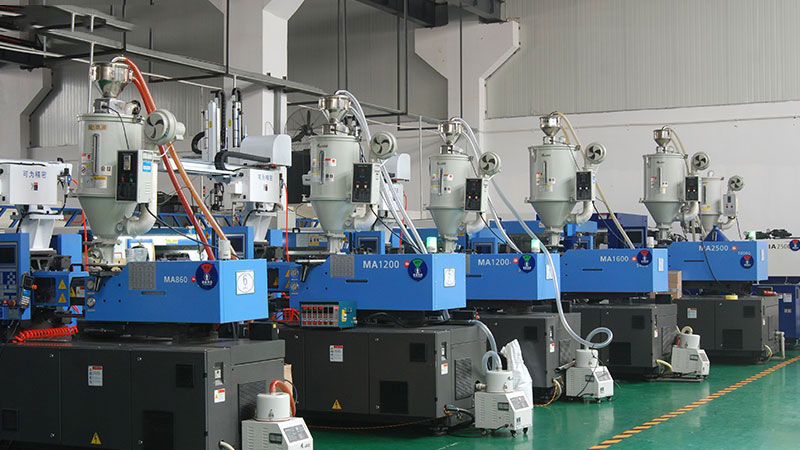
    For overseas buyers, the search for an “injection moulding factory near me” often evolves into a global quest for the optimal combination of quality, cost, and capability. While local sourcing offers logistical ease, China remains the undisputed epicenter for mold manufacturing and injection molding services, offering unparalleled expertise and economies of scale. However, navigating this vast market requires a strategic approach to move beyond simple supplier lists and build profitable, long-term partnerships. This guide for 2026 is designed to transform your procurement process from a daunting challenge into a structured, successful endeavor, providing actionable steps to identify, verify, and collaborate with top-tier Chinese manufacturers.

    The foundational step in your procurement journey is redefining what “near me” means in a global context. It is no longer purely about geographic proximity but about logistical and communicative closeness. Your goal is to find a China mold factory that operates as a seamless extension of your operations. This begins with deep self-assessment: define your project’s precise requirements for mold complexity, material, expected lifecycle, and part tolerances. This clarity becomes your benchmark, allowing you to filter the immense number of suppliers and engage with those whose advertised capabilities align with your technical needs. Initial sourcing should leverage professional platforms like Alibaba, Made-in-China, and Global Sources, but use them as directories, not vetting agencies. Pay closer attention to suppliers with detailed process descriptions, quality certifications (ISO 9001, IATF 16949), and, crucially, a portfolio of work for overseas clients in your industry.

    Supplier verification is the critical phase where many procurement efforts succeed or fail. A professional website and fluent English sales contact are basic prerequisites, not indicators of reliability. In 2026, due diligence must be multi-layered. First, insist on a video conference tour of the facility. A reputable injection molding factory will readily showcase their workshop, machinery (note the brands and condition of injection molding machines and EDM/CNC equipment), and quality control stations. Second, request and meticulously contact 2-3 references from past or current international clients. Ask specific questions about communication, problem-solving, and adherence to schedule. Third, verify business licenses and audit reports through third-party services. Finally, consider an in-person audit by a trusted agent or inspection company. This upfront investment in verification mitigates the substantial risk of partnering with an unqualified vendor.

    The core of your partnership will be defined by a transparent and rigorous quality control protocol, agreed upon before any tooling begins. A professional China mold factory expects and respects this. Your agreement must detail every stage of inspection: First Article Inspection (FAI) reports, Dimensional Reports (using CMM data), and process capability studies (Cp/Cpk). Clearly define the approval process for mold design (DFM report), mold trial samples (T1, T2), and production part approval (PPAP if required). Specify the use of internationally recognized measurement standards and the format for reporting. During production, discuss and agree on ongoing QC measures, such as periodic inspections, packaging standards, and the protocol for addressing non-conforming shipments. A supplier comfortable with your stringent QC is a supplier confident in their own capabilities.

    Effective procurement transcends the transactional; it builds a collaborative bridge. Managing the inherent challenges of distance, language, and culture is paramount. Establish a single point of contact on both sides who possesses both technical and commercial understanding. Utilize collaborative tools for drawing markups, schedule tracking, and document sharing. Understand that cultural differences can affect communication styles—directness may be perceived differently. Always confirm understandings in writing. Furthermore, develop a clear cost structure beyond the initial quote. Understand the breakdown for the injection mold tooling versus the per-part price, including costs for mold maintenance, future modifications, and shipping terms (Incoterms 2020). A partner invested in your success will provide transparency here, ensuring no hidden costs emerge.

    Logistics and intellectual property protection are the final, crucial pillars. For molds, decide whether they will remain with the supplier or be shipped to you. Each option has cost and control implications. For finished parts, develop a reliable and flexible shipping strategy, considering a mix of air for samples and urgent orders, and sea freight for bulk production. Crucially, protect your IP from the outset. A robust Non-Disclosure Agreement (NDA) is mandatory, but it must be enforceable under Chinese law. Work with legal counsel to ensure your design patents, if applicable, are registered in China. Contractually bind the supplier to confidentiality and stipulate that all molds, designs, and tooling are your exclusive property. A trustworthy partner understands and respects these requirements, viewing them as a foundation for a serious business relationship.

    Ultimately, finding the right injection moulding factory near me—in the sense of a responsive, reliable, and capable global partner—is a deliberate process of research, verification, and relationship building. The Chinese manufacturing landscape in 2026 is characterized by a clear divide: high-volume, low-cost workshops and sophisticated, quality-driven mold factories. Your strategy must be designed to attract the latter. By meticulously defining your needs, conducting multi-faceted supplier verification, instituting bulletproof quality control, fostering proactive collaboration, and securing your assets, you transform the perceived risks of overseas procurement into your greatest competitive advantages. The best suppliers are not merely found; they are identified through diligent process and built into your supply chain with clarity and mutual respect, ensuring a partnership that delivers value far beyond the initial cost savings.

    Work With Us

    As a professional China mold manufacturer, we provide one-stop mold solution for overseas buyers.
    📞 Phone: +86-18605944639
    💬 WhatsApp: +8618605944639
    🌐 Website: bestmoldworks.com
    📧 Email: [email protected]
  • custom mold: Reliable Manufacturers Guide 2026 | China Mold Factory

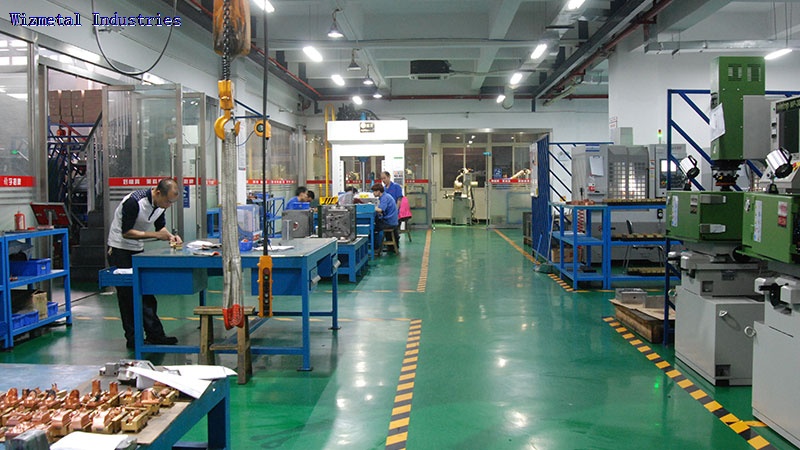
    For overseas buyers, sourcing a custom mold from China represents a significant opportunity to achieve cost efficiency without sacrificing capability. The Chinese manufacturing ecosystem for tooling is vast, advanced, and competitive. However, navigating this landscape to find a truly reliable partner can be daunting. The difference between a successful project that launches on time and budget and a costly, delayed nightmare often lies in the procurement process. This guide for 2026 cuts through the noise, providing a professional, actionable framework for identifying and partnering with a reputable China mold factory.

    The cornerstone of successful procurement is rigorous supplier verification. Moving beyond Alibaba listings and glossy websites is non-negotiable. Start by demanding evidence of technical capability. A professional China mold factory should readily provide a detailed portfolio showcasing past projects, specifically for injection molds or other mold types relevant to your industry. Request case studies that include challenges and solutions. Crucially, insist on a live video tour of their facility. This 2026 due diligence step allows you to verify the existence and condition of their CNC machines, EDM equipment, mold trial presses, and quality control labs. Check for relevant industry certifications, but understand their context; focus on IATF 16949 for automotive or ISO 13485 for medical, as these imply a systemic approach to quality. Furthermore, use professional networks and, if possible, hire a third-party verification service for an on-ground assessment to confirm operational scale and reputation before any commitment is made.

    Once a potential partner is shortlisted, mastering the technical communication and quotation phase is critical. A professional custom mold project lives and dies by the clarity of its specifications. Provide not just a 3D CAD model (STEP or IGS format), but a comprehensive Technical Requirement Document. This should include material specifications (brand and grade of mold steel, e.g., P20, H13, S136), cavity surface finish requirements (SPI standards), tolerances, expected production volume, and part end-use. For injection molds, detail the resin type, fillers, and any corrosive elements. Analyze the quotation meticulously. A suspiciously low bid is a major red flag, often indicating substandard materials, outdated machinery, or hidden costs. A transparent quote from a reliable supplier will itemize costs for mold design, materials, machining, heat treatment, surface treatment, trial shots, and packaging. It will also clearly state payment terms (e.g., 50% deposit, 40% after T1 sample approval, 10% before shipment) and a realistic timeline with milestones.

    Proactive and structured quality control is your most powerful tool for risk mitigation. Do not assume quality; inspect and verify at every stage. Implement a milestone-based inspection protocol. Key inspection points typically include: a First Article Inspection (FAI) of the mold steel material certification, an in-process inspection of the finished mold cavity and core (using CMM reports), and a final pre-shipment inspection during the mold trial. For the trial, specify that samples must be produced on a machine comparable to your production press, using your exact material. These T1 samples should be rigorously measured and tested for form, fit, and function. Many reputable factories will provide full Dimensional Reports and a mold trial report with parameters. For high-value projects, engaging a local third-party quality control agency to conduct these inspections is a wise investment. This layered QC approach ensures that any non-conformity is caught early, when corrections are most feasible and least expensive.

    The final phase, encompassing logistics, intellectual property protection, and long-term partnership, solidifies the investment. Ensure your contract includes clear terms for IP protection, stating that the design and tooling are your property. Physically marking the mold with your company name and number is a basic but effective step. Discuss post-sales support upfront: what is the warranty period (typically 12-24 months against manufacturing defects)? What are the terms for mold repair and maintenance? For logistics, understand the Incoterms (e.g., FOB, EXW, DAP) completely. FOB is common, placing responsibility on you for shipping and insurance once the mold leaves the Chinese port. Ensure the mold is crated securely for ocean freight, with desiccants to prevent rust. Finally, view a successful first custom mold project as the foundation for a strategic partnership. A reliable China mold factory that understands your quality standards and communication style becomes an invaluable asset for future projects, potentially offering better pricing and priority scheduling.

    In conclusion, importing a high-quality custom mold from China in 2026 is a highly achievable strategic decision when approached with a disciplined, verification-focused methodology. The process demands more than price shopping; it requires investing time in supplier vetting, excelling in technical communication, enforcing rigorous quality control checkpoints, and formalizing the partnership with clear contracts. By following this professional guide, overseas buyers can systematically navigate the procurement journey, mitigate inherent risks, and build a productive relationship with a China mold factory that delivers precision, reliability, and value, turning your injection mold or tooling concept into a competitive manufacturing reality.

    Work With Us

    As a professional China mold manufacturer, we provide one-stop mold solution for overseas buyers.
    📞 Phone: +86-18605944639
    💬 WhatsApp: +8618605944639
    🌐 Website: bestmoldworks.com
    📧 Email: [email protected]
  • injection mold manufacturers near me: Ultimate Guide f 2026

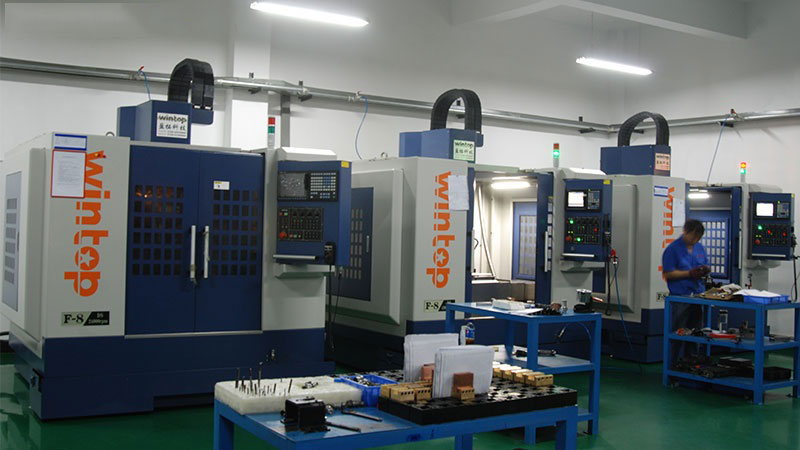
    For overseas buyers, the search for “injection mold manufacturers near me” often ends with a realization: the most competitive solutions, especially for complex, high-volume, or cost-sensitive projects, are frequently found not locally, but across the globe in China. The Chinese manufacturing ecosystem for injection molds is vast, technologically advanced, and offers significant advantages in cost and scalability. However, navigating this landscape from afar presents unique challenges in supplier verification, communication, and quality control. This ultimate guide for 2026 is designed to shift your perspective from a local search to a strategic global procurement process, providing you with actionable steps to successfully identify, vet, and partner with a reliable China mold factory.

    Rethink the Search: From Geographic Proximity to Strategic Partnership

    The initial impulse to find local injection mold manufacturers is understandable, driven by desires for easier communication and logistical simplicity. However, for the vast majority of plastic part production, this approach can severely limit your options and inflate costs. In 2026, the paradigm has shifted. The question is no longer “who is closest?” but “who is the most capable partner for my specific project?” China’s mold industry has matured dramatically, with countless factories specializing in niches from precision micro-molds to massive automotive tooling. Your first step is to clearly define your project requirements: material, volume, tolerance, lifecycle, and budget. This clarity becomes your compass, allowing you to search for specialized expertise within the Chinese market rather than settling for a geographically convenient but potentially less suitable local shop.

    Mastering Supplier Discovery and Verification in the Digital Age

    Finding potential suppliers has never been easier, but verifying their credibility requires a disciplined approach. Start with comprehensive online platforms like Alibaba, Made-in-China, and Global Sources, but use them as directories, not arbiters of quality. Filter searches using your detailed specifications. Crucially, move beyond the platform. A professional China mold factory will have its own website, showcasing its machinery (e.g., German or Japanese CNC, EDM, CMMs), case studies, and client testimonials. Use tools like Google Earth to verify the factory’s size and location. In 2026, due diligence must include a review of their digital footprint across professional networks like LinkedIn. The core of verification, however, is a direct audit. While visiting in person is ideal, a live video audit is now a non-negotiable minimum. Demand a real-time factory tour via video call to see equipment, workshop organization, and ongoing projects. This step alone will filter out trading companies masquerading as manufacturers.

    The Pillars of Effective Communication and Technical Alignment

    Clear communication is the single greatest hurdle and opportunity in overseas procurement. Overcome it by investing in precision. All technical discussions must be based on a fully detailed, 3D CAD model (e.g., STEP, IGES file) and a comprehensive 2D drawing with GD&T (Geometric Dimensioning and Tolerancing) callouts. This drawing is your universal technical language. When requesting quotes, provide a standardized RFQ packet including the CAD, drawing, material specification, expected annual volumes, and cosmetic requirements. During discussions, insist on a Design for Manufacturability (DFM) report. A competent injection mold supplier will provide feedback on draft angles, wall thickness, gate locations, and ejection strategies. This report is a critical indicator of their engineering prowess. Establish a single point of contact on their side who is proficient in English and technically knowledgeable, and utilize collaborative tools like shared cloud folders for drawings and markups.

    Implementing Rigorous Quality Control from Design to Delivery

    Quality cannot be inspected into a mold; it must be built into the process. Your agreement with the China mold factory must outline a milestone-based quality control protocol. This starts with the approval of mold flow analysis (if applicable) and the DFM report. The next critical stage is First Article Inspection (FAI). Upon mold completion and initial sampling, you must receive sample parts along with a detailed inspection report, including CMM data verifying critical dimensions against your 2D drawing. For higher-value projects, engage a third-party quality inspection service in China to perform an on-site Tooling Trial Run (TTR) and dimensional inspection before the mold is shipped. They can witness the molding process, check part performance, and validate the mold’s functionality. Define clear acceptance criteria for part appearance (e.g., acceptable vs. rejectable sink marks, weld lines) in a signed document. Controlling the process through these checkpoints is far more effective than inspecting the final mold upon arrival at your doorstep, when remediation is costly and slow.

    Navigating Logistics, IP Protection, and Partnership Development

    Securing a well-built injection mold is only part of the journey. Protect your intellectual property from the outset with a robust Non-Disclosure Agreement (NDA) and a contract that clearly states ownership of all design and tooling. Discuss payment terms that balance risk; a common structure is 30-50% deposit, 40-60% before shipment, and sometimes a 10% retention after successful sampling at your facility. For logistics, work with the supplier or a freight forwarder experienced in mold shipping. Molds are heavy, high-value items; ensure they are crated properly and insured for maritime or air transport. Finally, view this not as a one-time transaction but as a partnership development. A reliable Chinese mold manufacturer is an asset for your product lifecycle. Transparent communication, fair dealings, and timely payments build trust, leading to better pricing, priority scheduling, and proactive support for future projects and mold maintenance.

    Conclusion

    The search for “injection mold manufacturers near me” in 2026 is best framed as a global sourcing strategy with China at its center. By redefining your search criteria from location to capability, conducting thorough digital and visual supplier verification, enforcing clear technical communication, implementing staged quality control checkpoints, and strategically managing logistics and IP, you can mitigate the risks of overseas procurement. The result is access to world-class injection mold manufacturing at unparalleled value, turning the challenge of distance into a formidable competitive advantage for your business. The ultimate guide is not about finding a nearby supplier, but about building a reliable bridge to the right one.

    Work With Us

    As a professional China mold manufacturer, we provide one-stop mold solution for overseas buyers.
    📞 Phone: +86-18605944639
    💬 WhatsApp: +8618605944639
    🌐 Website: bestmoldworks.com
    📧 Email: [email protected]
  • plastic injection mold manufacturer in china: Complete 2026

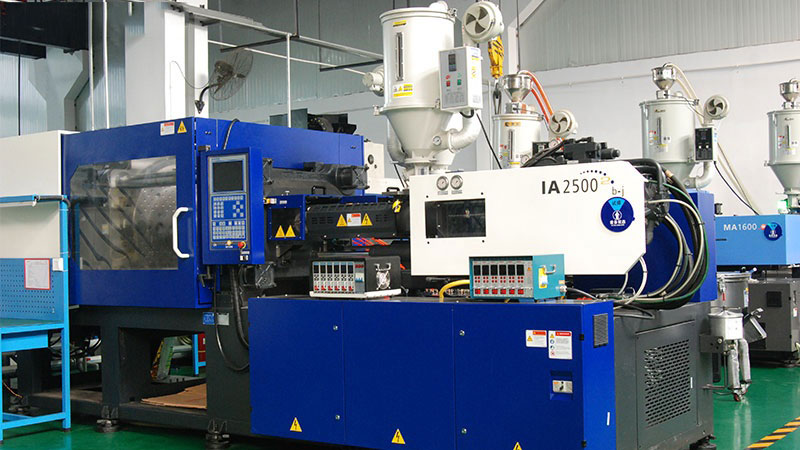
    For businesses worldwide, sourcing a reliable plastic injection mold manufacturer in China remains a cornerstone strategy for achieving competitive advantage. The landscape, however, is perpetually evolving. As we move through 2026, the dynamics of technology, communication, and global supply chain expectations have shifted. This guide is crafted not as a generic overview, but as a practical, actionable framework for overseas buyers. We will dissect the modern procurement journey, moving beyond simple supplier lists to solve the real challenges you face in verification, communication, quality assurance, and logistics. The goal is to transform a complex overseas endeavor into a streamlined, predictable, and successful partnership.

    The foundational step, and arguably the most critical, is systematic supplier verification. The term “China mold factory” can represent a vast spectrum, from rudimentary workshops to fully automated, digitally integrated production hubs. Your first task is to align technical capability with your project’s specific demands. Begin with a deep audit of potential partners. Require detailed case studies and, crucially, contactable references from clients in your region or industry. In 2026, a virtual factory tour is non-negotiable. A reputable supplier will readily conduct a live video walkthrough of their facility, showcasing their CNC machining centers, EDM equipment, mold trial presses, and quality control lab. Verify certifications like ISO 9001, but dig deeper into industry-specific standards relevant to your sector, such as automotive or medical. This proactive verification filters out unqualified candidates and builds a shortlist of partners with proven capacity.

    Once a potential partner is identified, mastering the technical and commercial dialogue is paramount. The complexity of an injection mold project demands precision from the outset. Your Request for Quotation (RFQ) package must be comprehensive. Include a fully detailed 3D product design (STEP or IGS format), material specifications, expected annual volumes, and clear part quality standards. Anticipate and discuss key mold specifications upfront: cavity count, mold base standard (LKM, HASCO, DME), steel grade, cooling system design, and expected cycle time. During negotiations, move beyond unit price. Adopt a Total Cost of Ownership perspective, factoring in mold lifespan, maintenance, lead time, and payment terms. Clear, documented agreements on intellectual property (IP) protection, typically through a Non-Disclosure Agreement (NDA) and specific IP clauses in the contract, are essential before any technical data exchange.

    The core of a successful import lies in a robust, multi-stage quality control protocol. Passive hope is not a strategy; active verification is. For a plastic injection mold manufacturer in China to be a true partner, they must demonstrate transparency in their quality processes. Insist on a staged inspection plan. Critical milestones include a Design Review meeting, T1 sample approval from the actual mold trial, and a Final Random Inspection (FRI) before shipment. For high-value or high-volume projects, engaging a trusted third-party quality control service in China for an on-site inspection during the T1 trial and pre-shipment is a wise investment. They can verify dimensional accuracy using CMM reports, check mold surface finish, and assess the quality of initial shot samples against your approved master. This proactive approach identifies and rectifies issues while the mold is still at the factory, avoiding costly rework after it arrives at your doorstep.

    The journey does not end when the mold is shipped. Logistics, post-sales support, and long-term partnership management define the ongoing value of your supplier. Ensure you understand the Incoterms 2026 agreed upon (e.g., FOB, EXW, CIF) and have a reliable freight forwarder experienced in handling sensitive industrial equipment. Proper mold packaging—using desiccants, rust inhibitors, and secure, wooden crates—is a must. Discuss and agree on post-sales terms clearly: what is the warranty period for workmanship and materials? How are repair costs handled? What is the process and cost for future mold modifications? A forward-thinking supplier will provide comprehensive documentation, including mold design drawings, maintenance manuals, and a detailed test report. Viewing this relationship as a strategic partnership, rather than a one-time transaction, opens doors to better pricing on future projects, priority scheduling, and collaborative problem-solving.

    In conclusion, successfully importing an injection mold from China in 2026 is a disciplined process built on research, clear communication, and vigilant oversight. The market offers unparalleled value and expertise, but accessing it requires a structured approach. By meticulously verifying your China mold factory, mastering the technical procurement dialogue, implementing rigorous quality control checkpoints, and planning for the entire lifecycle of the mold, you mitigate risks and maximize your return on investment. The landscape will continue to evolve, but the principles of due diligence and partnership remain constant. Embrace this framework to build a resilient and productive supply chain that delivers not just a tool, but a foundation for your manufacturing success for years to come.

    Work With Us

    As a professional China mold manufacturer, we provide one-stop mold solution for overseas buyers.
    📞 Phone: +86-18605944639
    💬 WhatsApp: +8618605944639
    🌐 Website: bestmoldworks.com
    📧 Email: [email protected]
  • custom injection molded plastic parts: Complete Procu 2026

    For overseas buyers, sourcing custom injection molded plastic parts from China remains a strategic move to achieve significant cost savings without sacrificing quality. However, the landscape of procurement is evolving rapidly. The process involves more than just finding a low quote; it is about building a reliable, transparent, and efficient supply chain partnership. This guide for 2026 cuts through the noise to provide a professional, actionable framework for successfully importing high-quality custom injection molded plastic parts from China, focusing on the critical steps from supplier selection to final delivery.

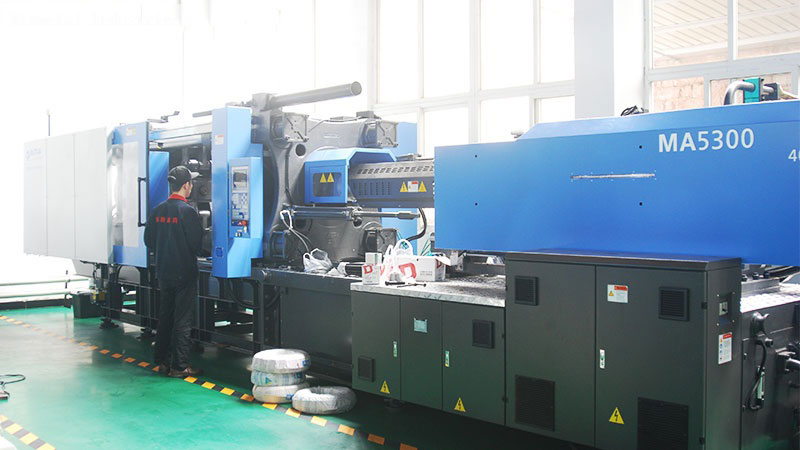
    The cornerstone of any successful project is selecting the right China mold factory. In 2026, due diligence goes beyond website reviews and Alibaba storefronts. Begin with a technical audit. A competent supplier should readily discuss your part design, suggesting design for manufacturability (DFM) improvements to reduce cost and enhance performance. They should explain their standard mold steel choices, such as pre-hardened steels like P20 or hardened steels like H13, for different production volumes. Evaluate their core competency: do they specialize in small, precision components or large, complex parts? Utilize video calls to conduct virtual factory tours, insisting on seeing live production floors and quality control stations, not just curated presentation areas. This step in supplier verification separates marketing from capability.

    Once a potential partner is identified, the injection mold development phase demands meticulous management. Clear communication of all technical specifications is non-negotiable. This includes providing a fully detailed 3D CAD model (STEP or IGS format), 2D drawings with critical dimensions and tolerances clearly marked, material specifications (including grade and color), and expected annual volumes. A professional China mold factory will return a formal DFM report. Scrutinize this document; it is a key indicator of their engineering expertise. Agree on a formal mold trial procedure. Specify the number of trial shots included, the format for sharing trial reports (which should include photos, videos, and data on key dimensions), and the process for approving samples before mass production begins. This structured approach prevents costly misunderstandings.

    Procurement success hinges on robust quality control systems, not hope. In your agreement, define the quality protocol explicitly. For initial production runs, mandate a First Article Inspection (FAI) report that verifies critical dimensions against your drawings. Discuss statistical process control (SPC) for high-volume orders to ensure consistency. Determine who will bear the cost and responsibility for third-party inspections if required. Many reputable suppliers are open to visits from your appointed third-party QC agency during production or pre-shipment inspections. Furthermore, clarify packaging standards to prevent damage during ocean freight. Implementing these quality control measures upfront protects your investment and brand reputation, ensuring the custom injection molded plastic parts you receive meet your exact specifications.

    Navigating logistics and total cost understanding is the final practical hurdle. The quoted price for the mold and per-part cost is just one component. For 2026, factor in volatility. Discuss Incoterms clearly—FOB is common, but understand all responsibilities it entails. Work with your supplier or a freight forwarder to get accurate shipping estimates, considering current container availability and rates. Plan for customs clearance in your country, ensuring your supplier provides all necessary documents, such as a commercial invoice, packing list, and certificate of origin. A comprehensive cost analysis should include mold cost, part price, shipping, insurance, import duties, and any potential costs for rework or quality disputes. Transparent discussions with your supplier about these elements will lead to a smoother procurement process and avoid unexpected expenses.

    Mastering the procurement of custom injection molded plastic parts from China in 2026 is a systematic exercise in partnership building and risk mitigation. It moves from a transactional price hunt to a collaborative engineering and quality-focused endeavor. By rigorously verifying your China mold factory, managing the injection mold development with clear protocols, enforcing stringent quality control, and understanding total landed costs, you establish a supply chain that is both cost-effective and reliable. This professional approach not only secures high-quality components for your current project but also builds a valuable manufacturing partnership capable of supporting your growth for years to come.

    Work With Us

    As a professional China mold manufacturer, we provide one-stop mold solution for overseas buyers.
    📞 Phone: +86-18605944639
    💬 WhatsApp: +8618605944639
    🌐 Website: bestmoldworks.com
    📧 Email: [email protected]
  • custom plastic injection moulding company: Best Suppli 2026

    For overseas buyers, the decision to import molds from China remains one of the most strategic moves to achieve cost efficiency and scalable production. However, the landscape in 2026 is not about finding the cheapest option; it’s about intelligently identifying a partner that delivers precision, reliability, and long-term value. The quest for the right custom plastic injection moulding company is fraught with challenges, from supplier verification to consistent quality control across continents. This guide cuts through the noise to provide actionable, professional strategies for securing your ideal China mold factory partnership in the coming year.

    Mastering Supplier Verification and Capability Assessment

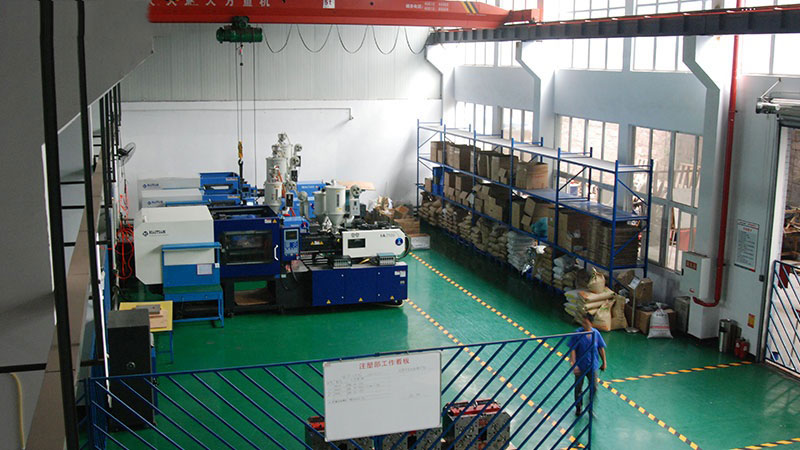
    The foundation of a successful import project is rigorous supplier verification. Moving beyond a simple website check or Alibaba storefront is non-negotiable in 2026. Start by demanding concrete evidence of capability. A professional custom plastic injection moulding company will readily provide facility videos, machine lists detailing tonnage and brands (e.g., Haitian, Engel), and certifications like IATF 16949 for automotive or ISO 13485 for medical. Crucially, insist on a live video audit. This allows you to inspect factory cleanliness, material handling, gauge calibration rooms, and overall operational discipline. Furthermore, scrutinize their project portfolio for components similar to yours in size, complexity, and industry. A supplier experienced in high-cavitation molds for precision gears is inherently different from one specializing in large, single-cavity housings. Deep due diligence at this stage mitigates the majority of procurement risks.

    Navigating Design for Manufacturability and Technical Collaboration

    A common pitfall is finalizing a product design before engaging your injection mold partner. The best China mold factories operate as collaborative engineering hubs. Engage them during the prototyping or final design stage for a Design for Manufacturability analysis. A competent partner will analyze your 3D files to suggest draft angles, wall thickness uniformity, gate locations, and ejection strategies that prevent defects and reduce cycle times. This collaborative approach transforms the procurement process from a simple transaction into a technical partnership. Clear communication of all specifications—material type, expected annual volumes, cosmetic requirements (e.g., SPI finish), and critical tolerances—is paramount. Utilize detailed technical data sheets and marked-up drawings to ensure both parties have identical expectations before tooling fabrication begins.

    Implementing a Robust Stage-Gate Quality Control Protocol

    Passive hope is not a quality control strategy. To secure consistent output, you must implement a proactive, stage-gated QC process managed either by your team or a trusted third-party inspection service. Key inspection milestones are non-negotiable. First, the First Article Inspection after the T1 sample: every dimension on the drawing must be verified against the produced part. Second, the pre-shipment inspection of the physical injection mold itself, checking core/cavity steel, cooling line layouts, ejector systems, and surface finishes. Finally, define Production Part Approval Process requirements for initial production batches. This protocol ensures issues are caught and rectified at the source, before the mold is shipped overseas. A reliable supplier will not resist this transparency; they will expect it and have processes to facilitate it.

    Structuring Contracts and Managing Logistics for Long-Term Success

    The commercial and logistical framework protects your investment. A clear, detailed contract should cover far more than just price and delivery. It must specify steel grade and hardness (e.g., P20, H13, S136), cavity polish levels, expected mold life (number of shots), warranty terms for repair and maintenance, and ownership of the design files. For logistics, understand Incoterms thoroughly. FOB Shanghai gives you control over shipping and insurance, while DDP might simplify the process but at a higher cost and less visibility. Plan for mold maintenance—discuss upfront the supplier’s policy and cost for repairing wear and damage. Establishing these terms transparently with your chosen custom plastic injection moulding company turns a project into a sustainable supply chain asset, ensuring the mold delivers value through its entire lifecycle.

    Conclusion

    Importing injection molds from China in 2026 demands a sophisticated, process-driven approach that prioritizes partnership over price alone. The journey from sourcing to consistent production hinges on meticulous supplier verification, early technical collaboration, uncompromising quality control gates, and watertight commercial agreements. By adopting these actionable strategies, you transform the inherent complexities of overseas procurement into a competitive advantage. The result is a successful partnership with a China mold factory that delivers not just a tool, but reliability, quality, and value for years to come, truly making them your best supplier in 2026.

    Work With Us

    As a professional China mold manufacturer, we provide one-stop mold solution for overseas buyers.
    📞 Phone: +86-18605944639
    💬 WhatsApp: +8618605944639
    🌐 Website: bestmoldworks.com
    📧 Email: [email protected]
  • plastic molding factory near me: Ultimate Guide for Buy 2026

    For overseas buyers and procurement specialists, the search for a “plastic molding factory near me” often concludes with a strategic pivot towards a global manufacturing leader: China. The rationale is compelling—unmatched expertise in tooling, scalable production capacities, and significant cost advantages. However, navigating the vast landscape of Chinese mold manufacturing requires a modern, informed approach to mitigate risks and secure true value. This ultimate guide for 2026 is designed to move you beyond simple supplier directories, providing a professional framework for successfully importing high-quality injection molds from China.

    **Redefining Your Search: From Proximity to Strategic Partnership**

    The initial impulse to find a local plastic molding factory near you is understandable, driven by desires for easier communication and logistical simplicity. Yet, for most volume-driven projects requiring custom tooling, limiting your search geographically can drastically reduce options and increase costs. The contemporary solution is to treat your search for a China mold factory as the foundation of a long-term strategic partnership. This begins with a precise definition of your project: material specifications, expected annual volumes, tolerance requirements, and post-molding processes. A detailed Request for Quotation (RFQ) package, including comprehensive 3D drawings and a target price range, is your first critical filter. It separates responsive, capable suppliers from those unable to engage at a professional level, effectively bringing a world-class manufacturing base to your virtual doorstep.

    **The 2026 Protocol for Supplier Verification and Vetting**

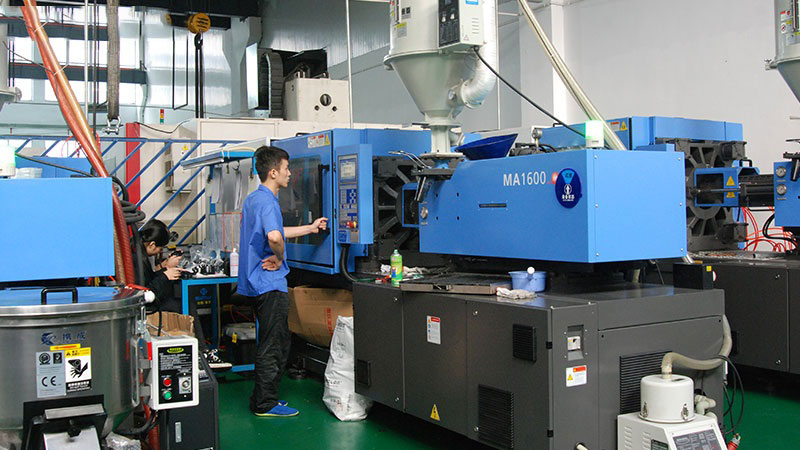
    Supplier verification has evolved far beyond checking a website and requesting a catalog. In the current landscape, due diligence is multi-layered. Start with a deep dive into digital presence: an operational, informative website is a baseline. Examine their listed clientele and case studies, particularly for projects similar to yours. However, the true verification happens through direct engagement. Utilize video call platforms to conduct virtual factory tours; insist on seeing live production floors, quality control labs, and mold testing procedures. Request contact information for two or three existing international clients and follow up. Furthermore, leverage third-party verification services to check business licenses, export history, and any red flags. This rigorous process transforms an anonymous China mold factory into a vetted, transparent potential partner.

    **Mastering Technical Alignment and Quality Control Gates**

    A common pitfall in importing injection molds is the assumption that technical specifications are universally interpreted. To prevent costly misunderstandings, you must establish crystal-clear technical alignment. This involves direct communication between your engineering team and the mold factory’s technical lead. Discuss core design elements: gate type and location, cooling channel layout, ejection system, and steel grade selection for the mold. Agree upon a staged quality control protocol with defined milestones. Key gates should include: a design review for the mold flow analysis (DFM report), first article inspection (FAI) after mold trial using your specified material, and pre-shipment inspection against agreed-upon dimensional criteria. Implementing these gates, often facilitated by a trusted third-party quality inspector located in China, is non-negotiable for ensuring the output matches your design intent.

    **Navigating Logistics, IP Protection, and Total Cost Analysis**

    Finalizing the mold design and passing quality checks is only part of the journey. A smooth procurement process requires upfront planning for logistics and intellectual property (IP) protection. For IP, ensure a robust Non-Disclosure Agreement (NDA) is signed before sharing any technical data. Consider registering your design patents in China for stronger legal standing. Regarding logistics, decide early on incoterms—FOB is commonly preferred as it gives you control over shipping and insurance once the mold leaves the factory. Factor in all ancillary costs: mold fabrication, trial sessions, shipping, import duties, and potential spare parts. The lowest mold price can be misleading if it leads to premature wear or production downtime. Your analysis should focus on the total cost of ownership over the mold’s expected lifecycle, evaluating the supplier’s ability to support future maintenance and modifications.

    **Building a Relationship for Long-Term Supply Chain Resilience**

    The most successful import transactions in 2026 view the initial mold purchase as the first step in a sustained collaboration. A reliable China mold factory is not just a vendor but an extension of your production capability. Foster this relationship through clear communication, timely payments, and respectful feedback. Discuss their capacity for ongoing production if you plan to source molded components from them. A partner invested in your success will proactively suggest design for manufacturability (DFM) improvements, provide maintenance advice, and support you efficiently for future projects or mold modifications. This transforms a one-off transaction into a pillar of your supply chain resilience.

    In conclusion, while the search for a plastic molding factory near me may begin locally, the strategic destination for competitive advantage in 2026 is a meticulously vetted Chinese partner. By adopting a structured approach—centered on detailed specification, rigorous supplier verification, staged quality control, and total cost analysis—you convert the perceived complexities of international procurement into a reliable, high-value supply chain asset. The ultimate goal is not merely to buy an injection mold but to secure a manufacturing partnership that delivers quality, consistency, and innovation for years to come.

    Work With Us

    As a professional China mold manufacturer, we provide one-stop mold solution for overseas buyers.
    📞 Phone: +86-18605944639
    💬 WhatsApp: +8618605944639
    🌐 Website: bestmoldworks.com
    📧 Email: [email protected]

  • custom plastic mold manufacturers: Reliable Manufactur 2026

    For overseas buyers, sourcing custom plastic injection molds from China remains a powerful strategy for achieving cost efficiency and scaling production. However, the landscape is evolving. As we look toward 2026, the challenge is no longer merely about finding a low-cost provider but about identifying and partnering with truly reliable custom plastic mold manufacturers. Success hinges on a strategic, informed approach that mitigates risk and ensures long-term value. This guide provides actionable, professional insights to navigate the procurement process effectively, turning potential pitfalls into a competitive advantage.

    The foundation of a successful partnership begins with rigorous supplier verification. Moving beyond basic online directories and Alibaba listings is crucial for 2026. Start by conducting a deep-dive analysis of a potential China mold factory. Essential checks include verifying business licenses, export history, and physical factory addresses via tools like China’s National Enterprise Credit Information Publicity System. Request detailed case studies and contact past international clients for unbiased references. Furthermore, a virtual factory tour via video call is now a non-negotiable step. It allows you to assess shop floor organization, machinery quality (look for modern CNC, EDM, and CMMS equipment), and technical capabilities in real-time. This process filters out trading companies and under-equipped workshops, directing you to legitimate manufacturers with proven expertise in injection mold making.

    Once a shortlist of qualified candidates is established, mastering the technical and commercial communication phase becomes critical. The goal is to achieve perfect clarity to avoid costly revisions. Provide potential partners with a comprehensive RFQ package that includes not just part drawings, but also material specifications, intended annual volumes, expected cycle times, and cosmetic requirements (e.g., SPI finish standards). A professional custom plastic mold manufacturer will respond with a detailed design for manufacturing (DFM) report. Scrutinize this document closely; it is a key indicator of their engineering prowess. It should address potential issues like wall thickness, gate locations, ejection, and warpage. Simultaneously, ensure all commercial terms are explicit: breakdown of mold cost, payment schedule tied to milestones (e.g., 30% upon order, 40% after T1 sample approval), delivery timeline with buffers, and intellectual property protection clauses in the contract.

    Proactive and structured quality control is the single most important factor in ensuring reliability. Do not assume quality; validate it at every stage. For 2026, leading buyers are integrating QC checkpoints directly into the production timeline. Insist on First Article Inspection (FAI) reports with full dimensional results from the initial sample shots. Partner with a reputable third-party quality inspection firm in China to conduct critical inspections during mold trial (T1) and pre-shipment. They will check not only the plastic parts but also the mold itself—hardness, cavity polish, venting, and action of sliders and lifters. This objective assessment provides leverage and ensures issues are identified and resolved before the mold leaves the factory, saving immense time and cost on rework after international shipment.

    Building a relationship with your chosen China mold factory for the long term transforms a transactional purchase into a strategic asset. Reliable manufacturers value consistent, predictable business. After successful initial projects, discuss frameworks for ongoing collaboration. This could include agreements for mold maintenance, storage, and repair services. As you plan for 2024 and beyond, consider involving your manufacturer early in the new product development process. Their input can optimize designs for manufacturability, yielding faster cycle times and lower per-part costs. A true partnership fosters open communication, continuous improvement, and joint problem-solving, which is far more valuable than a one-time price reduction.

    In conclusion, securing a reliable partnership with custom plastic mold manufacturers in China for 2026 demands a shift from price-centric sourcing to value-centric procurement. The process is systematic: invest time in thorough supplier verification, enforce crystal-clear technical communication, implement unwavering quality control protocols, and focus on cultivating a long-term collaborative relationship. By adopting this professional framework, overseas buyers can confidently navigate the complexities of international procurement. The result is not just a high-quality injection mold, but a resilient supply chain partner capable of supporting your growth and innovation for years to come.

    Work With Us

    As a professional China mold manufacturer, we provide one-stop mold solution for overseas buyers.
    📞 Phone: +86-18605944639
    💬 WhatsApp: +8618605944639
    🌐 Website: bestmoldworks.com
    📧 Email: [email protected]

  • how to find china manufacturers: Complete Procurement 2026

    For overseas buyers, the decision to import molds from China is driven by compelling advantages: cost efficiency, advanced manufacturing capabilities, and scalable production. However, the path to a successful partnership begins with the most critical step: identifying the right manufacturer. The process of how to find China manufacturers that are reliable, technically proficient, and aligned with your quality standards can be daunting. This guide for 2026 cuts through the noise to provide a complete, actionable procurement strategy, ensuring you partner with a China mold factory that delivers precision, value, and peace of mind.

    The foundation of your search must move beyond simple online directories. While platforms like Alibaba, Made-in-China, and Global Sources are legitimate starting points, they are merely digital catalogs. Your goal is to transform a list of potential suppliers into a vetted shortlist. Begin with a highly targeted search. Use specific keywords related to your project, such as “precision injection mold for automotive components” or “multi-cavity plastic mold factory.” This filters out generalists and surfaces specialists. Scrutinize company profiles for business licenses, years in operation, and industry certifications like IATF 16949 for automotive or ISO 13485 for medical devices. Remember, the initial phase of how to find China manufacturers is about efficient qualification, not final selection.

    Once you have a preliminary list, rigorous supplier verification becomes non-negotiable. This is your primary defense against risk. First, conduct a deep dive into company legitimacy. Request their official business license (营业执照) and verify it through third-party services or local contacts. Check for any patent registrations or proprietary technologies, which indicate investment in innovation. Second, initiate technical communication. Present a detailed RFQ (Request for Quotation) including part drawings, material specifications, tolerances, and expected volumes. A competent injection mold specialist will respond with insightful questions about gate design, cooling channels, ejection methods, and surface finish—not just a bare price. Their technical response is a more valuable indicator than the quotation itself at this stage.

    No virtual audit can replace the value of a physical factory visit. If feasible, plan a trip to inspect your top two or three candidates. During the visit, focus on tangible evidence of capability and professionalism. Observe the workshop floor: are the machines (such as CNC, EDM, wire-cutting) modern and well-maintained? Is there a dedicated quality control department with measuring equipment like CMMs and profilometers? Examine sample molds and finished parts, assessing fit, finish, and consistency. Engage with the engineering and project management team directly. This face-to-face interaction builds crucial rapport and allows you to assess communication fluency and project management structure, key factors for smooth procurement.

    Securing a reliable partnership hinges on structured quality control and clear contractual agreements. Before full production, insist on a First Article Inspection (FAI) and a pre-production sample from the trial mold. Use this stage to validate all critical dimensions and functions against your CAD data. Employ a trusted third-party quality inspection service in China for impartial Dimensional Reports and Material Certification checks. Contractually, your agreement must be explicit. Detail technical specifications, milestone payments linked to deliverables (e.g., design approval, T1 sample acceptance), acceptance criteria for quality, procedures for handling defects, and intellectual property protection clauses. A professional China mold factory will expect and respect such thoroughness.

    In conclusion, the process to import molds from China successfully is a structured journey from broad search to deep verification. The modern approach to how to find China manufacturers leverages online tools for discovery but relies on old-fashioned due diligence, technical dialogue, and on-ground verification to make the final decision. By methodically progressing through targeted sourcing, rigorous supplier verification, physical assessment, and ironclad quality control protocols, you transform procurement from a cost-centric exercise into a strategic partnership. As you navigate the 2026 landscape, remember that the goal is not merely to find a supplier, but to find a competent extension of your own production team—a China mold factory committed to turning your design into a flawless, market-ready product.

    Work With Us

    As a professional China mold manufacturer, we provide one-stop mold solution for overseas buyers.
    📞 Phone: +86-18605944639
    💬 WhatsApp: +8618605944639
    🌐 Website: bestmoldworks.com
    📧 Email: [email protected]

  • china plastic mould manufacturer: Expert Tips & Soluti 2026

    For overseas businesses, partnering with a China plastic mould manufacturer represents a significant strategic advantage, offering unparalleled cost efficiency and manufacturing scalability. However, the path to a successful partnership is often paved with challenges—from supplier verification to quality assurance and logistical hurdles. This guide cuts through the noise to provide actionable, professional solutions for 2026, helping you navigate the procurement process with confidence and secure a reliable supply chain for your injection mold needs.

    The cornerstone of any successful import venture is rigorous supplier verification. Moving beyond a simple Alibaba listing is non-negotiable. Start by verifying the China mold factory’s business license via official Chinese platforms. Insist on a live video tour of their facility; a reputable manufacturer will readily showcase their CNC machines, EDM equipment, and assembly areas. Crucially, request and contact references from their existing overseas clients. Ask specific questions about communication, problem-solving, and adherence to timelines. Furthermore, examine their portfolio for projects similar in complexity and industry to yours. A manufacturer experienced in automotive components may not be the best fit for consumer electronics housings. This due diligence phase, while time-consuming, is your primary defense against future complications.

    Once a potential partner is identified, mastering the technical and commercial quotation process is vital. A professional china plastic mould manufacturer will not provide a credible price based on a simple sketch. You must invest in a complete, detailed 3D product design (e.g., STEP or IGES file) and a comprehensive specification document. This should include material type (e.g., ABS, PP), expected annual volume, cavity number, mold steel grade (such as 718H or S136), surface finish requirements (SPI standards), and tolerance expectations. With this, you can solicit and compare like-for-like quotations. Be wary of prices that seem too good to be true; they often indicate the use of inferior materials or hidden costs. A transparent quote will itemize costs for mold design, materials, machining, trials, and shipping.

    The most critical phase of your engagement is proactive quality control, which must be structured and evidence-based. Do not wait until the final inspection to assess the mold. Implement staged QC checkpoints. First, approve the mold design (DFM report) before steel is cut. Second, request material certificates for the mold steel and components. Third, insist on in-process photos and videos of the machining and fitting. Finally, the Pre-Shipment Inspection (PSI) is paramount. This should not be a simple photo of the finished mold. You must require a full mold trial (T1 sample) video, where parts are injected using your specified material on their press. The video should show the molding process, and you must receive the actual sample parts for dimensional verification and functional testing. Consider engaging a local third-party QC agency for this final audit if you cannot be present. This layered approach shifts quality control from a reactive to a proactive process.

    A smooth procurement cycle extends beyond the factory floor to encompass logistics, intellectual property (IP), and long-term partnership. Clearly define Incoterms (e.g., FOB Shanghai) in your contract to avoid shipping misunderstandings. Discuss and agree upon post-sales support: who handles mold modifications, repair, and maintenance? For IP protection, a robust Non-Disclosure Agreement (NDA) and a product confidentiality clause within the manufacturing contract are essential. While legal enforcement has complexities, working with established, brand-conscious factories reduces IP risk. View your chosen supplier not as a one-time vendor but as a strategic partner. Clear, consistent communication, timely payments, and realistic timelines foster a cooperative relationship that can yield cost savings and innovation in the long run.

    In conclusion, importing molds from China in 2026 demands a blend of diligent verification, technical clarity, and structured quality oversight. The journey from identifying a potential China plastic mould manufacturer to receiving a high-performance injection mold is complex but immensely rewarding when approached systematically. By implementing these expert tips—thorough supplier vetting, detailed technical sourcing, staged quality control, and strategic partnership management—you transform potential procurement pitfalls into a competitive edge. The goal is to build a transparent, reliable bridge between your design and production, ensuring your mold investment delivers quality, consistency, and value for years to come.

    Work With Us

    As a professional China mold manufacturer, we provide one-stop mold solution for overseas buyers.
    📞 Phone: +86-18605944639
    💬 WhatsApp: +8618605944639
    🌐 Website: bestmoldworks.com
    📧 Email: [email protected]