Category: Custom molds for resin

  • custom molded parts: Ultimate Guide for Buyers 2026

    For overseas businesses, sourcing custom molded parts represents a significant opportunity to achieve cost efficiency, scalability, and design freedom. However, navigating the manufacturing landscape in China, while highly rewarding, comes with its own set of challenges. Missteps in supplier selection, communication, or quality assurance can turn a promising project into a costly delay. This guide for 2026 is designed to cut through the complexity, offering a professional, actionable roadmap for international buyers to successfully import high-quality custom molded parts from China, ensuring a smooth and profitable procurement journey.

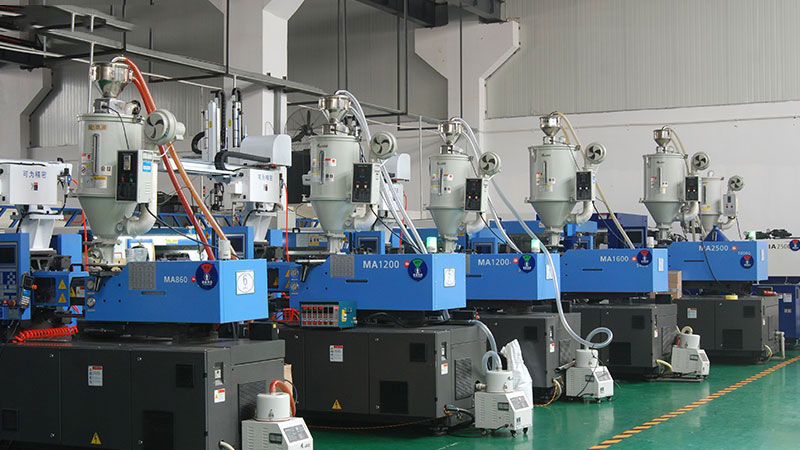
    The foundation of any successful project lies in selecting the right China mold factory. This step goes far beyond a simple online search. Begin by defining your project’s precise specifications: material, annual volumes, tolerance requirements, and surface finish. This clarity allows you to target factories with demonstrated expertise in your niche, whether it’s automotive components, medical devices, or consumer electronics. Utilize professional B2B platforms but prioritize suppliers with verifiable credentials. A critical action is to examine their portfolio for projects of similar complexity and request physical samples. In 2026, a reputable manufacturer should readily offer a virtual factory tour via video call, providing transparent insight into their capabilities, machinery, and workshop organization. This initial diligence filters out trading companies and aligns you with capable producers from the outset.

    Once a potential partner is identified, rigorous supplier verification is non-negotiable. Due diligence must extend past a website. Request a business license and, importantly, inquire about export experience to your region, as this familiarity with customs and logistics is invaluable. Check for relevant industry certifications, such as ISO 9001 for quality management or specific standards like IATF 16949 for automotive. The most telling step is to conduct a comprehensive background check. This can involve third-party verification services, checking for consistent online presence and reviews across multiple platforms, and directly contacting their existing overseas clients if references are provided. A trustworthy partner in 2026 will be transparent, responsive, and view this process as a standard part of building an international business relationship, not an intrusion.

    The technical heart of your project is the injection mold itself. Clear communication and detailed agreement here prevent the vast majority of future problems. Never proceed on a verbal agreement. A formal Request for Quotation (RFQ) package should include 3D drawings (STEP or IGS files), 2D technical drawings with GD&T, material specifications, and expected part lifecycle. Discuss and document critical mold design aspects upfront: mold flow analysis, gate type and location, cooling channel design, steel grade (e.g., P20, H13), and the number of cavities. Establish a milestone-based payment schedule tied to key deliverables: deposit upon order, payment after mold design approval, payment after T1 sample approval, and final balance before shipment. This approach aligns interests and ensures you maintain leverage and visibility throughout the development phase.

    Proactive quality control is what separates successful importers from those facing container loads of defective parts. Do not assume quality; inspect and verify at every stage. Implement a multi-tiered QC strategy. First, insist on a First Article Inspection (FAI) report from the initial samples (T1), comparing critical dimensions against your drawings. Second, engage a local third-party inspection company for pre-shipment inspections during production or before container loading. These professionals provide an unbiased report on dimensions, appearance, and function. For critical projects, consider having your own representative present for the initial sample trials. Furthermore, discuss and agree on the protocol for Part Approval Process (PPAP) documentation if required. This systematic approach to quality control mitigates risk and ensures the delivered custom molded parts meet your exact specifications consistently.

    Effective procurement management extends beyond the factory gate. A professional partner will assist with logistics, but understanding the basics is crucial. Clarify Incoterms 2020 explicitly—FOB Shanghai is common, but ensure you understand your responsibilities versus the supplier’s. Discuss packaging requirements for both the delicate injection mold and the production parts to prevent transit damage. Plan for lead times realistically, factoring in mold design, manufacturing, sampling, revisions, and mass production. Finally, be aware of import duties and regulations in your destination country. A reliable China mold factory should be able to provide necessary documents like the commercial invoice, packing list, and certificate of origin, but consulting with a freight forwarder experienced in machinery and plastic parts from China is highly recommended for a seamless door-to-door experience.

    Importing custom molded parts from China in 2026 remains a strategically sound decision for businesses worldwide. The landscape is increasingly professional, with top-tier manufacturers investing in advanced technology and international compliance. Your success hinges on a methodical approach: meticulous supplier sourcing, thorough verification, precise technical communication, and uncompromising quality control. By treating your Chinese manufacturing partner as a collaborative extension of your team and investing time in the front-end processes outlined in this guide, you transform the procurement challenge into a competitive advantage. The result is a reliable pipeline for high-quality, cost-effective custom molded parts that drive your product’s success in the global market.

    Work With Us

    As a professional China mold manufacturer, we provide one-stop mold solution for overseas buyers.
    📞 Phone: +86-18605944639
    💬 WhatsApp: +8618605944639
    🌐 Website: bestmoldworks.com
    📧 Email: [email protected]
  • silicone mold making factory: Best Suppliers & Qualit 2026

    For overseas buyers and procurement specialists, China remains the epicenter of manufacturing efficiency and capability, especially for custom tooling like silicone molds. Sourcing from a proficient silicone mold making factory offers unparalleled advantages in cost, scalability, and technical expertise. However, the path to a successful partnership is paved with the need for diligent supplier verification and rigorous quality control. This guide is designed to cut through the noise, providing you with actionable, professional strategies to identify the best suppliers and secure top-tier quality for your import projects in 2026 and beyond.

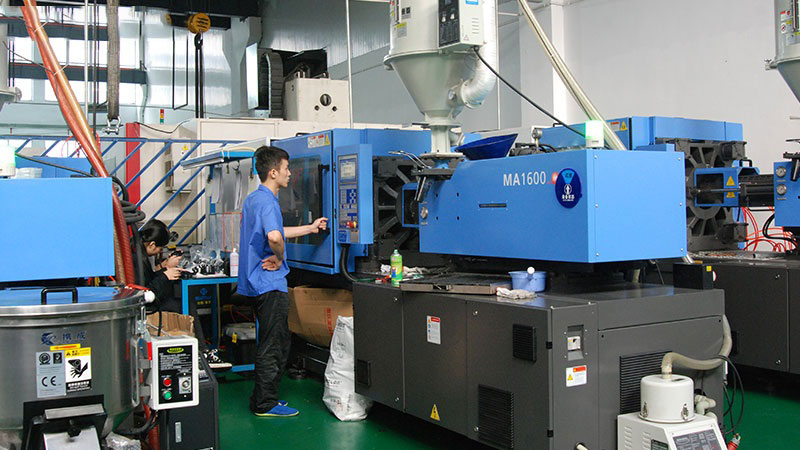
    The foundation of a successful import venture lies in meticulous supplier verification. Moving beyond a simple Alibaba search is crucial. Begin by identifying a shortlist of China mold factory candidates with proven experience in your specific niche, whether it be baking molds, concrete forms, resin casting, or industrial applications. Scrutinize their business licenses, export history, and client testimonials. Request detailed case studies and, if possible, contact their existing overseas clients. A legitimate supplier will be transparent. Utilize third-party verification services and insist on a video conference to tour their facility virtually. This first step filters out trading companies masquerading as factories and aligns you with manufacturers who have the genuine infrastructure and a track record of international compliance.

    Once a potential partner is identified, the next critical phase is technical communication and prototyping. Ambiguity in design specifications is the primary cause of mold defects and project delays. Provide your chosen silicone mold making factory with comprehensive, dimensioned 3D drawings (STEP or IGS files are preferred) and clearly outline material specifications. Discuss the silicone rubber type—whether it’s food-grade platinum-cure, industrial-grade tin-cure, or high-temperature resistant varieties—and the required hardness (Shore A). A reputable factory will offer a Design for Manufacturability (DFM) review, suggesting optimizations for draft angles, undercuts, and venting to enhance mold life and part quality. Always invest in a prototype sample before authorizing full production. This step, though incurring a minor cost and time delay, is non-negotiable for validating design, material feel, and final product quality.

    Implementing a robust quality control framework is what separates successful importers from those facing costly rejections. Do not assume quality; build it into your procurement contract. Define and agree upon measurable Quality Control (QC) checkpoints. Key inspections should include: raw material certification for silicone compounds, first-article inspection (FAI) against your drawings, and pre-shipment random sampling to check for defects like air bubbles, tears, dimensional accuracy, and surface finish. For high-volume orders, consider hiring a local third-party QC inspector to conduct an on-site inspection during production or before container loading. This objective assessment provides a final gate before shipment. Document all agreed standards in a Quality Inspection Agreement to serve as a binding reference, ensuring both parties have aligned expectations for the final output.

    Understanding the total cost of ownership and navigating logistics are final, practical hurdles. While unit price is important, evaluate the supplier’s quote holistically. It should detail mold tooling costs, per-unit price, packaging specifications, and Incoterms (e.g., FOB Shanghai or EXW). Be clear on payment terms; a secure structure like 30-50% deposit with balance paid against copy of Bill of Lading is standard. Discuss production lead times realistically and build in buffer for unforeseen delays. For logistics, if you are inexperienced, consider using the factory’s recommended freight forwarder or sourcing your own reliable agent. Ensure the silicone molds are packed correctly to prevent deformation during transit, and verify that all commercial invoices and packing lists are accurate for smooth customs clearance in your country. A professional China mold factory will be adept at handling export documentation.

    Forging a strategic, long-term partnership with your injection mold or silicone mold supplier yields significant dividends. View your supplier not as a transactional vendor but as an extension of your production team. Consistent communication, fair negotiation, and timely payments build trust. This relationship can lead to priority scheduling, collaborative problem-solving on future projects, and valuable insights into material innovations or process improvements. As you plan for 2026, aligning with a factory that demonstrates a commitment to R&D and adapting to new technologies, such as advanced liquid silicone rubber (LSR) processing or more sustainable materials, will future-proof your supply chain and provide a competitive edge.

    In conclusion, sourcing silicone molds from China in 2026 demands a blend of strategic diligence and clear communication. The journey from identifying a credible silicone mold making factory to receiving quality-certified products hinges on systematic supplier verification, precise technical dialogue, embedded quality control protocols, and savvy logistics management. By adopting these professional and actionable approaches, overseas buyers can transform the complexity of international procurement into a reliable, streamlined, and highly advantageous component of their business strategy, ensuring quality and value with every shipment.

    Work With Us

    As a professional China mold manufacturer, we provide one-stop mold solution for overseas buyers.
    📞 Phone: +86-18605944639
    💬 WhatsApp: +8618605944639
    🌐 Website: bestmoldworks.com
    📧 Email: [email protected]
  • injection mold china manufacturers: Ultimate Guide for 2026

    For product developers, engineers, and procurement specialists worldwide, sourcing injection molds from China remains a strategic decision to balance quality, innovation, and cost-effectiveness. However, the landscape is evolving rapidly. As we look toward 2026, navigating the vast market of injection mold China manufacturers requires updated knowledge and a refined approach. This guide is designed to cut through the noise and provide you with a professional, actionable framework for successful procurement. We will move beyond basic directories and address the real challenges you face in supplier verification, communication, and quality assurance, ensuring your project launches with confidence.

    Mastering Supplier Verification and Selection

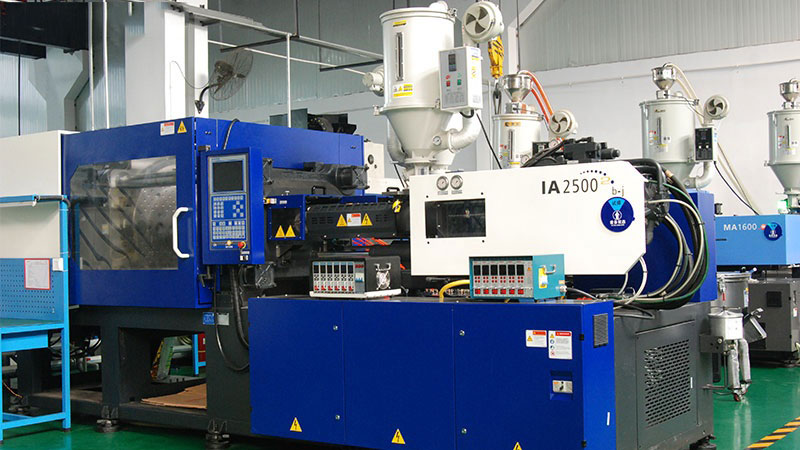
    The initial search will yield hundreds of potential partners, making verification the most critical first step. In 2026, due diligence goes beyond a simple website check. Start by scrutinizing their digital footprint: a professional website with detailed case studies, technical blogs, and client testimonials (preferably from overseas companies) is a positive indicator. Utilize third-party verification platforms like ImportYeti or Panjiva to examine their real export history. Crucially, insist on a video conference to conduct a virtual factory tour. Observe the workshop organization, the age and brand of machinery (e.g., Sodick, DMG Mori, Haitian), and the working environment. Request and contact references from past international clients, asking specific questions about communication, problem-solving, and adherence to timelines. This multi-layered verification process separates marketing from manufacturing capability.

    Streamlining Technical Communication and RFQ Process

    Miscommunication is the primary source of delays and cost overruns. To engage effectively with a China mold factory, your Request for Quotation (RFQ) package must be impeccable. Provide a comprehensive 3D product design (STEP or IGS format) alongside fully detailed 2D drawings with GD&T (Geometric Dimensioning and Tolerancing) callouts. Clearly specify the material you intend to mold, expected annual volumes, and the number of cavity requirements. Most reputable injection mold manufacturers will perform a Design for Manufacturability (DFM) analysis. View this as a collaborative opportunity, not a mere formality. A competent supplier will provide annotated feedback on draft angles, wall thickness, potential sink marks, and gate locations, optimizing your part for production. Establishing a single point of technical contact on both sides, who is fluent in technical English, is non-negotiable for efficient problem-solving.

    Implementing Proactive Quality Control Protocols

    Quality cannot be inspected into a mold; it must be built in. Your agreement must define clear, measurable quality control milestones. For standard molds, insist on a First Article Inspection (FAI) report and a pre-shipment sample molded from the actual production material. For critical projects, consider a multi-stage inspection process. This typically includes a T1 sample inspection after the initial mold trial, where dimensional reports (using CMM data) and functional tests are performed. Many overseas buyers now employ third-party quality control services in China, such as SGS or Asia Inspection, to conduct these checks impartially. Define your acceptance criteria for surface finish (using SPI standards), part dimensions, and performance in advance. A reliable partner will welcome this structured approach, as it aligns expectations and prevents disputes before shipment.

    Navigating Logistics, IP Protection, and Payment Terms

    The business framework protects your investment. Intellectual Property (IP) protection is a valid concern. Work with manufacturers who are willing to sign a comprehensive Non-Disclosure Agreement (NDA) and a product-specific confidentiality contract. While absolute guarantees are complex in a foreign jurisdiction, choosing established factories with their own R&D and a reputation to uphold significantly mitigates risk. Regarding payment terms, the standard 50% deposit and 50% before shipment is common, but for larger orders, negotiating a 40/40/20 structure (40% deposit, 40% after T1 approval, 20% before shipment) aligns payments with project milestones. Finally, clarify Incoterms 2026. FOB Shenzhen is typical, but understand all responsibilities. Ensure the supplier provides a complete mold data pack, including 2D drawings, maintenance instructions, and a list of spare parts, which is crucial for your long-term production.

    Building a Partnership for Long-Term Production

    The most successful sourcing relationships view the initial mold procurement as the beginning of a partnership. Discuss future needs upfront. Will you require serial production of the molded parts after the mold is complete? Many injection mold manufacturers also offer injection molding services, providing a streamlined turnkey solution. Evaluate their production floor, material handling, and post-molding capabilities (assembly, ultrasonic welding, packaging). Establishing a transparent communication rhythm, such as weekly update reports with photos and videos during the mold-making process, builds trust. A partner invested in your long-term success will be proactive about mold maintenance schedules and spare part availability, ensuring your production line runs smoothly for years.

    Conclusion

    Sourcing from injection mold China manufacturers in 2026 demands a blend of rigorous vetting, technical clarity, and strategic partnership building. The competitive advantage lies not in finding the cheapest supplier, but in identifying the most competent and transparent partner for your specific project. By implementing the structured approaches outlined in this guide—from deep supplier verification and precise RFQs to staged quality control and clear commercial terms—you transform a complex overseas procurement process into a predictable, professional, and highly rewarding endeavor. The ultimate goal is to secure a high-precision tool that delivers consistent part quality, enabling you to bring your product to market with reliability and confidence.

    Work With Us

    As a professional China mold manufacturer, we provide one-stop mold solution for overseas buyers.
    📞 Phone: +86-18605944639
    💬 WhatsApp: +8618605944639
    🌐 Website: bestmoldworks.com
    📧 Email: [email protected]

  • injection mould Manufacturerturers in China: Profession 2026

    For global OEMs and product developers, sourcing injection molds from China remains a strategic imperative for balancing cost, capability, and speed to market. However, the landscape is evolving rapidly. The phrase “injection mould manufacturers in China” no longer conjures images of generic workshops, but a sophisticated ecosystem ranging from highly automated giants to specialized technical boutiques. As we look toward 2026, professionalism is the defining theme. Success in procurement now hinges less on finding any supplier and more on identifying the right partner equipped for future challenges. This guide provides actionable strategies for overseas buyers to navigate this mature market with confidence and precision.

    The cornerstone of a successful partnership begins with rigorous supplier verification. Moving beyond Alibaba storefronts is non-negotiable. In 2026, due diligence involves a multi-layered approach. Start with a deep analysis of the China mold factory’s digital footprint: detailed project portfolios, client testimonials (preferably with verifiable overseas references), and technical publications or patents. However, true verification is active. Insist on a live video audit of the facility. This allows you to assess the organization, machinery (look for modern CNC, EDM, and injection molding machines for sampling), and quality control stations in real-time. Furthermore, utilize third-party inspection services for an unbiased review of business licenses, export history, and financial stability. This initial investment filters out subpar options and aligns you with manufacturers whose professed capabilities match reality.

    Once a shortlist is established, mastering the technical and commercial dialogue is critical. A professional injection mold manufacturer expects professional inquiries. Prepare a comprehensive RFQ (Request for Quotation) package that includes not just part drawings (2D and 3D STEP/IGS files), but also key specifications: target material, annual volume, expected cycle time, part cosmetic requirements (e.g., SPI finish standards), and tolerance expectations. Clearly outline your post-mold expectations, such as part sampling requirements and packaging. This clarity prevents misunderstandings and allows for accurate, comparable quotes. During negotiations, focus on total value, not just the lowest tooling price. Discuss payment terms (e.g., 40% deposit, 30% after T1 sample approval, 30% before shipment), intellectual property protection via a robust NNN Agreement (Non-use, Non-disclosure, Non-circumvention), and the protocol for engineering change requests (ECRs). Transparency at this stage sets a collaborative tone for the entire project.

    The most significant shift for 2026 is the integration of proactive quality control throughout the mold manufacturing lifecycle, not just as a final inspection. Partner with suppliers who operate with an Advanced Product Quality Planning (APQP) framework. This means demanding and reviewing critical documents at each stage: Design FMEA (Failure Mode and Effects Analysis), mold flow analysis reports before steel is cut, and dimensional inspection reports for the first article samples using CMM (Coordinate Measuring Machine) data. Establish clear Key Process Indicators (KPIs) for sample approval. The best China mold factories will provide a comprehensive sample report pack with the T1 samples, including the mold trial parameters, part measurements, and high-resolution photos. Consider employing in-process inspections by a trusted third-party agency at milestone stages, such as after mold base machining and cavity polishing. This staged approach mitigates risk and ensures corrections are made early, when they are least costly.

    Building a sustainable partnership requires viewing your chosen injection mold manufacturer as a long-term extension of your production team. The most successful procurement relationships in 2026 are collaborative. Facilitate open communication channels, often using platforms like WeChat or Microsoft Teams for daily updates, but schedule regular structured video conferences for project reviews. Encourage your supplier to provide design for manufacturability (DFM) feedback; their expertise can often optimize part design for easier molding, reduced cost, and improved quality. Furthermore, discuss their roadmap for sustainability and digitalization. Are they adopting technologies like IoT-enabled mold monitoring or using sustainable materials? A forward-thinking partner invested in their own technological advancement is more likely to ensure your products remain competitive. Finally, plan for mold maintenance and lifecycle management from the outset, clarifying responsibilities and costs for spare components and repairs.

    In conclusion, the era of sourcing from China based solely on cost advantage is over. The market is defined by a professional tier of injection mould manufacturers in China who compete on technological sophistication, quality assurance, and project management excellence. Your procurement strategy must evolve accordingly. By implementing rigorous supplier verification, engaging in detailed technical commerce, enforcing staged quality control, and fostering collaborative partnership, overseas buyers can unlock immense value and build a resilient, innovative supply chain. As we advance toward 2026, the goal is not merely to purchase a mold, but to secure a competitive advantage through a professional and reliable manufacturing alliance. The depth of expertise available makes this an opportune time to refine your approach and partner with manufacturers who are shaping the future of precision tooling.

    Work With Us

    As a professional China mold manufacturer, we provide one-stop mold solution for overseas buyers.
    📞 Phone: +86-18605944639
    💬 WhatsApp: +8618605944639
    🌐 Website: bestmoldworks.com
    📧 Email: [email protected]

  • precision mold: Complete Procurement Guide 2026 | China Mold Factory

    For overseas buyers, the decision to import a precision mold from China represents a significant strategic move to leverage world-class manufacturing capabilities at a competitive cost. The Chinese mold industry has evolved dramatically, moving far beyond its roots in low-cost labor to become a global hub for high-tech, high-precision tooling. However, navigating this complex landscape to find a reliable China mold factory requires a methodical and informed approach. This complete guide for 2026 is designed to provide you with actionable, professional insights to streamline your procurement process, mitigate risks, and secure a partnership that delivers quality, value, and precision.

    The cornerstone of successful procurement is identifying and verifying the right supplier. In 2026, a factory’s online presence is a starting point, not a credential. Begin with a deep technical evaluation. Examine their portfolio for projects with tolerances and complexities similar to yours. A supplier proficient in simple consumer goods may not be equipped for a medical device or optical component precision mold. Prioritize factories that openly discuss their CNC machining centers, EDM equipment, and CMM inspection technology. Certifications like ISO 9001:2015 are a baseline; industry-specific certifications (IATF 16949 for automotive, ISO 13485 for medical) are powerful indicators of a mature quality management system. The verification step is non-negotiable. Conduct a virtual factory audit via video call, request raw material certificates for standard steels like P20, 718, or S136, and ask for contact information of existing overseas clients. A reputable China mold factory will be transparent and view this due diligence as a sign of a serious buyer.

    Once a potential partner is shortlisted, the transition to technical communication and design finalization is critical. This phase prevents the vast majority of future disputes. Invest in a comprehensive Technical Data Sheet and a formally signed mold design contract. This document must detail every specification: steel grade and hardness for each mold component, surface finish requirements (SPI standards), tolerance bands for critical features, lifecycle expectations, and the exact cooling channel layout. For an injection mold, clearly specify the gate type, location, and ejection method. Utilize 3D CAD file exchange (STEP or IGES formats are preferred) and insist on a formal design review meeting before any steel is cut. During this review, discuss mold flow analysis results to anticipate filling, cooling, and warpage issues. Paying for this analysis upfront is a minor cost that saves tremendous expense in modifications later. Precise communication here ensures both parties have identical expectations for what constitutes a precision mold.

    A robust quality control protocol, executed at defined milestones, is your primary financial safeguard. Do not settle for a simple “first article inspection” after the mold is complete. Implement staged inspections. Stage 1: After machining of the core and cavity, request photos and CMM reports of the finished steel components. Stage 2: Upon mold assembly and trial, the factory must provide a detailed trial report with parameters (injection speed, pressure, temperature), photos of the trial shots, and dimensional measurement data of the produced parts. For critical projects, engage a trusted third-party quality inspection firm in China to conduct an on-site Pre-Shipment Inspection (PSI). They can verify dimensions, functionality, and assembly. Furthermore, discuss the sampling procedure: how many shots are run before samples are taken? Are the samples from a continuous cycle? Proper QC is not mistrust; it is a professional standard that protects both your investment and the supplier’s reputation by catching issues early, when they are least expensive to correct.

    The commercial and logistical framework of your order is as important as the technical specifications. Be explicit in your Request for Quotation. A detailed RFQ should separate costs for mold design, mold manufacturing, mold trials, and per-unit part cost for initial samples. Understand the payment terms standard in the industry, such as 50% deposit, 40% after trial approval, and 10% before shipment. Consider trade assurance platforms for initial orders, but recognize that long-term trust is built on performance, not escrow. For logistics, clarify Incoterms 2026. FOB Shenzhen is common, giving you control over shipping and insurance once the mold leaves the factory dock. Ensure the supplier’s responsibilities include proper mold preservation: anti-rust treatment, protective packaging, and complete documentation (drawings, maintenance guide, material certificates). A professional China mold factory will manage this process seamlessly, ensuring your precision mold arrives in operational condition.

    Finally, view your procurement as the beginning of a partnership, not a transaction. The true test of a supplier is their responsiveness during the mold commissioning phase at your facility and their support throughout the tool’s lifecycle. Establish clear protocols for handling minor issues or wear over time. Will they provide spare parts? At what cost and lead time? Do they offer mold maintenance services? A forward-thinking supplier will see this as an opportunity for recurring business and will be proactive in their support. Building this relationship, founded on clear communication, mutual technical respect, and professional conduct during the procurement phases outlined above, is the ultimate key to long-term success in importing high-quality tooling from China.

    In conclusion, importing a precision mold from China in 2026 is a highly viable and strategic decision for overseas buyers, provided it is approached with diligence and expertise. The process, from rigorous supplier verification and meticulous design collaboration to staged quality control and clear commercial terms, demands a professional framework. By following this guide, you move beyond price comparison to value partnership. You empower yourself to select a China mold factory capable of delivering not just a tool, but a reliable production asset that meets your exacting standards for precision, durability, and performance, ensuring your product’s success in the global marketplace.

    Work With Us

    As a professional China mold manufacturer, we provide one-stop mold solution for overseas buyers.
    📞 Phone: +86-18605944639
    💬 WhatsApp: +8618605944639
    🌐 Website: bestmoldworks.com
    📧 Email: [email protected]

  • Mold for PC parts: Best Suppliers & Quality Control 2026

    For overseas buyers, sourcing a high-precision mold for PC parts from China represents a significant strategic advantage, offering access to advanced manufacturing capabilities at competitive costs. However, the path to a successful procurement is fraught with challenges, from identifying a capable China mold factory to ensuring the final product meets stringent quality and performance standards. This guide is designed to cut through the noise and provide a clear, actionable roadmap for your 2026 sourcing strategy, focusing on practical supplier verification and robust quality control protocols.

    The foundation of a successful import project lies in meticulous supplier verification. Not all mold factories are created equal, especially for the demanding realm of PC components, which require exceptional precision, expertise in engineering plastics, and often, experience with complex geometries and tight tolerances. Begin your search with a focus on specialization. A supplier claiming to make “all kinds of molds” is often less reliable than one with a proven portfolio in computer enclosures, keyboard frames, connector housings, or cooling fan components. Utilize B2B platforms not as a final directory, but as a preliminary filter to identify candidates with relevant case studies. The critical step, however, is direct engagement. Request detailed documentation: company audits, certifications (like IATF 16949 for automotive-grade precision, which is a strong indicator of process control), and a list of past clients, preferably with non-disclosure agreements in place. A legitimate and professional China mold factory will be transparent and willing to undergo a structured qualification process.

    Once a shortlist is established, the technical procurement phase begins. This is where clarity prevents costly errors. Your request for quotation must be an exhaustive technical data package. Beyond basic part drawings, include material specifications (e.g., PC-ABS, flame-retardant grades), expected annual volumes, cavity requirements, and key quality benchmarks such as surface finish (SPI standards), critical dimensions and their tolerances, and gate location preferences. Discuss the injection mold design philosophy upfront. Inquire about their standard for mold flow analysis—this simulation is non-negotiable for predicting filling patterns, weld lines, and potential sink marks in the final PC parts. A competent supplier will proactively suggest design for manufacturability (DFM) adjustments to simplify the mold, reduce cost, and enhance part quality. This collaborative engineering approach is a hallmark of a top-tier partner.

    Implementing a staged quality control framework is your primary risk mitigation tool. Quality cannot be inspected into a finished mold; it must be built into every step. Insist on milestone inspections with documented evidence. The first critical stage is the First Article Inspection (FAI) after the mold trial. This isn’t just about checking a few sample parts. You should receive a comprehensive report including CMM (Coordinate Measuring Machine) data for all critical dimensions, photographs of the parts, and a record of the trial parameters. The second, often overlooked, stage is a pre-shipment audit of the completed mold itself. This audit should verify steel hardness (using a durometer), check the conformity of mold components like sliders and lifters, inspect cooling channel layouts, and ensure proper labeling and packaging for overseas transport. For ongoing production, define a Statistical Process Control (SPC) plan for part consistency.

    Building a sustainable partnership requires looking beyond the initial transaction. The best suppliers for a mold for PC parts are those invested in the long-term lifecycle of the tool. Discuss their policy on mold maintenance and repair. Will they provide spare parts lists and maintenance manuals? What is their response time for troubleshooting support, considering the time zone difference? Establishing clear communication protocols—using project management tools, scheduling regular video calls during key phases, and designating single points of contact on both sides—ensures alignment. Furthermore, consider the factory’s technological roadmap. Are they investing in newer technologies like conformal cooling or high-precision machining that could benefit future iterations of your components? A partner that grows with you provides enduring value.

    In conclusion, securing a high-quality mold for PC parts from China in 2026 is a highly achievable goal that demands a disciplined, process-oriented approach. It transitions from a simple purchase to a managed engineering project. Success is built on targeted supplier verification, technically detailed procurement, a multi-stage quality control regime, and the cultivation of a communicative, long-term partnership. By focusing on these core principles, overseas buyers can confidently leverage the expertise of specialized Chinese mold manufacturers. The result is not merely a cost-effective injection mold, but a reliable production asset that delivers consistent, precision-molded PC parts, forming a solid foundation for your product’s quality and market competitiveness for years to come.

    Work With Us

    As a professional China mold manufacturer, we provide one-stop mold solution for overseas buyers.
    📞 Phone: +86-18605944639
    💬 WhatsApp: +8618605944639
    🌐 Website: bestmoldworks.com
    📧 Email: [email protected]

  • custom plastic molding services near me: Complete Procu 2026

    For overseas buyers and product developers, the search for “custom plastic molding services near me” often reveals a challenging reality: high costs, limited capacity, or lengthy lead times from local suppliers. This frequently leads businesses to look abroad, where China stands as the world’s foremost hub for mold manufacturing and plastic injection molding. However, procuring from a distant China mold factory introduces complexities in communication, quality assurance, and logistics. This 2026 guide is designed to move beyond simple supplier listings and provide a structured, actionable framework for successfully importing high-quality injection molds from China, turning geographic distance into a strategic advantage.

    The foundational step in your procurement journey is precise specification and comprehensive supplier verification. The term “custom plastic molding services near me” implies a need for tailored solutions, which demands exceptional clarity. Before engaging any potential partner, develop a detailed mold design specification including material (e.g., POM, ABS), cavity requirements, expected cycle life, tolerances, and part CAD models. This document becomes your technical bible. Subsequently, use it to vet China mold factories. Move beyond Alibaba storefronts. Utilize professional B2B platforms like Global Sources or Made-in-China for higher-tier suppliers, and insist on video conferences to tour facilities virtually. Verify business licenses, ask for past project portfolios specifically for overseas clients, and request contactable references. In 2026, a reputable supplier will be transparent, asking as many questions about your specifications as you do about their capabilities.

    Once a shortlist is established, mastering the quotation and contract phase is critical to avoid costly misunderstandings. A professional injection mold quote from China should be broken down clearly: mold base cost, cavity and core machining, material cost for sampling, and per-unit part price for mass production. Beware of suspiciously low bids; they often signal corner-cutting on steel quality or machining precision. Your contract must be exhaustive. It should specify all technical standards (e.g., using DME or HASCO standard components), milestone payment schedules (30% deposit, 40% after T1 sample approval, 30% before shipment), intellectual property ownership, and penalties for delays. Crucially, define the sample approval process. Stipulate that pre-production samples from the mold will be shipped to you for rigorous testing before mass production is authorized. This contract is your primary legal safeguard.

    The core of a successful import strategy lies in proactive and multi-stage quality control. You cannot manage quality from overseas by hoping for the best. Implement a layered QC protocol. First, insist on in-process photos and videos at key stages: material certification for the mold steel, finished CNC machining, electrical discharge machining (EDM) texturing, and assembly. Second, engage a third-party quality inspection firm based in China for critical pre-shipment inspections. These inspectors will check the finished mold for dimensions, cooling line pressure tests, and surface finish, and will oversee the initial trial run to ensure the produced plastic parts meet your specifications. This step, while an added cost, prevents the far greater expense and delay of receiving a faulty mold. It transforms quality assurance from an abstract hope into a documented, controlled process.

    Navigating logistics, communication, and post-delivery support finalizes the procurement cycle. Understand Incoterms thoroughly. For mold procurement, FOB (Free On Board) is common, giving you control over shipping and insurance. Use a reliable freight forwarder experienced in handling industrial machinery. Clear communication is paramount; assign a dedicated project manager on your side to serve as the single point of contact with the supplier’s project lead. Utilize tools like shared cloud folders for drawings and WeChat/WhatsApp for quick updates. Finally, discuss post-delivery support. A trustworthy China mold factory will provide mold maintenance advice, offer spare component recommendations, and be available to troubleshoot initial production runs. This establishes a partnership for future projects, effectively creating your own reliable, cost-effective extension of “custom plastic molding services near me,” albeit located across the globe.

    In conclusion, importing molds from China in 2026 is a process best approached with meticulous planning and disciplined execution. The journey from searching locally to sourcing globally requires shifting from finding a simple vendor to managing a professional project. By investing time in thorough supplier verification, crafting iron-clad contracts, enforcing rigorous quality control measures, and managing logistics with expertise, you mitigate the inherent risks of overseas procurement. The outcome is access to world-class manufacturing capabilities, significant cost savings, and the ability to scale production efficiently. Ultimately, the most strategic “custom plastic molding services near me” may not be geographically near at all, but rather, a meticulously vetted and professionally managed China mold factory that delivers consistent quality, reliability, and value directly to your doorstep.

    Work With Us

    As a professional China mold manufacturer, we provide one-stop mold solution for overseas buyers.
    📞 Phone: +86-18605944639
    💬 WhatsApp: +8618605944639
    🌐 Website: bestmoldworks.com
    📧 Email: [email protected]

  • Custom molds for candles: Best Suppliers & Quality Cont 2026

    For overseas buyers, the global candle market’s demand for unique, intricate, and themed products has never been higher. Sourcing the right production tooling is the critical first step to capturing this demand. China remains the world’s premier hub for manufacturing precision tooling, offering a compelling blend of technical expertise, advanced materials, and cost-effectiveness. However, navigating the landscape of Chinese mold factories to procure a perfect **custom molds for candles** requires a strategic, informed approach. This guide for 2026 cuts through the noise, providing actionable insights to help you identify the best suppliers and implement robust quality control (QC) protocols from the outset.

    The cornerstone of a successful import project is rigorous supplier verification. Moving beyond a simple Alibaba search is non-negotiable. Begin by identifying factories with demonstrable experience in your specific niche. A manufacturer proficient in industrial **injection mold** for automotive parts may not understand the nuances of candle mold design, such as optimal draft angles for easy release, material compatibility with waxes, or the finish required for a flawless candle surface. Prioritize suppliers whose portfolios showcase silicone, aluminum, or steel molds for decorative, pillar, or container candles. Request detailed case studies and, crucially, contact past international clients. Utilize video calls for virtual factory tours, focusing on their design engineering department, machining centers (like CNC and EDM), and finishing workshops. This due diligence phase filters out trading companies and aligns you with capable production partners, setting the stage for a smooth **procurement** process.

    Once a shortlist of potential partners is established, mastering the technical and commercial discussion is key. Professional Chinese mold factories expect precise inquiries. When requesting a quote, provide more than a simple sketch. Offer detailed 3D drawings (STEP or IGS files are ideal), specify desired materials (e.g., food-grade silicone, 6061 aluminum, or P20 steel for plastic injection molds for candle containers), and state expected production volumes. Clearly communicate your quality standards upfront: what is the acceptable tolerance for dimensions? What is the required surface finish (mirror, texture, etc.)? Discuss the mold lifecycle and ask about their design-for-manufacturability (DFM) feedback. A reputable factory will provide DFM notes to optimize your design for durability and cost-efficiency. This collaborative approach during the quotation stage prevents misunderstandings and establishes you as a knowledgeable buyer, leading to more accurate pricing and realistic timelines.

    The phrase “quality control” must be an active, structured process, not a hopeful afterthought. For **custom molds for candles**, quality is defined long before the first wax pour. Insist on a staged inspection protocol integrated into your contract. The first critical checkpoint is the First Article Inspection (FAI) after the mold is manufactured but before it is shipped. This involves the supplier producing sample castings (using actual or simulated wax) from the finished mold. You should receive comprehensive inspection reports with high-resolution photos and videos of these samples, verifying dimensions, finish, and assembly. For higher-value orders, engaging a trusted third-party quality inspection service in China for an on-site Pre-Shipment Inspection (PSI) is a wise investment. They can verify the mold’s workmanship, material certificates, and functionality. This proactive QC strategy mitigates the severe risk of receiving a non-conforming tool, which would lead to costly rework and international shipping delays.

    Building a sustainable partnership with your chosen China mold factory extends beyond the initial purchase. The most successful import relationships are framed as long-term collaborations. Discuss post-sales support explicitly. What is their policy on mold modification if you need to tweak the design? How do they handle wear and tear or repair needs? Understanding their communication channels and response times for technical support is crucial. Furthermore, consider the long-term roadmap for your candle line. A factory capable of scaling with you—from a single intricate **custom molds for candles** to a full collection—adds immense value. Foster this relationship through clear communication, timely payments, and reasonable feedback. A reliable partner becomes an asset, offering better pricing, priority scheduling, and invaluable advice on future projects, directly impacting your product development agility and market competitiveness.

    In conclusion, sourcing custom candle molds from China in 2026 presents a formidable opportunity for overseas buyers to achieve unparalleled design freedom and production scalability. The path to success is systematic: invest time in thorough supplier verification, engage in detailed technical dialogue, implement ironclad quality control measures at the source, and nurture the supplier relationship for the long term. By focusing on factories with specific candle mold expertise and treating the **procurement** process as a professional engineering project, you transform potential supply chain challenges into a definitive competitive advantage. The result is not just a mold, but a precision tool that reliably produces stunning, market-ready candles, batch after batch, laying a solid foundation for your brand’s growth in the years to come.

    Work With Us

    As a professional China mold manufacturer, we provide one-stop mold solution for overseas buyers.
    📞 Phone: +86-18605944639
    💬 WhatsApp: +8618605944639
    🌐 Website: bestmoldworks.com
    📧 Email: [email protected]

  • custom molds for plastic part: Expert Tips & Solutions 2026

    For overseas buyers, procuring custom molds for plastic parts from China remains a strategic move to achieve significant cost savings and access world-class manufacturing capabilities. However, the landscape is evolving rapidly. What worked in procurement five years ago may lead to costly delays and quality issues today. This guide, tailored for 2026, cuts through the noise to provide expert, actionable solutions for navigating the complexities of sourcing injection molds from China. We focus on solving real problems—from supplier verification to final quality assurance—ensuring your project launches successfully and on budget.

    Mastering Supplier Verification in the Digital Age

    The foundation of a successful import project is a reliable China mold factory. In 2024, verification goes beyond a simple website check. Start with a deep-dive into digital footprints: analyze their professional social media presence on LinkedIn and industry-specific B2B platforms. Look for detailed project case studies, not just glossy renderings. The next non-negotiable step is a video audit. In 2026, reputable suppliers expect this and can facilitate live virtual tours of their facility via video call. Observe their machinery (look for modern CNC, EDM, and mold-testing presses), workshop organization, and ask to see similar molds they are currently building. Always request and independently contact 2-3 references from clients in your region for unfiltered feedback on communication, problem-solving, and post-sales support. This multi-layered verification process mitigates your primary risk.

    Strategic RFQ and Technical Documentation for Clear Alignment

    A vague request for quotation is the leading cause of mismatched expectations. Your procurement process must begin with a comprehensive RFQ package. This should include not only part drawings (2D & 3D STEP/IGES files) but also a detailed specification sheet. Specify the plastic material (e.g., ABS, PP, POM), expected annual volumes, cavitation requirements, mold life expectancy (e.g., 500,000 shots), and critical surface finishes. Clearly state all tolerance requirements for critical dimensions. For injection mold projects, it is wise to include a Design for Manufacturability (DFM) review as a mandatory step in the quotation. This encourages the mold factory to engage their engineering team early, identifying potential issues in part design that could affect mold cost, cycle time, or part quality. A precise RFQ aligns technical understanding and forms the basis for a comparable, accurate quotation.

    Implementing Phased Payments and Milestone-Based Quality Gates

    Financial terms are a critical tool for risk management and quality control. The old standard of 50% deposit and 50% before shipment offers you little leverage. Advocate for a phased payment structure tied to tangible milestones. A progressive model, such as 30% upon order confirmation, 40% after approval of mold design and DFM report, 25% upon approval of first article inspection (FAI) samples from the trial, and 5% after final delivery, aligns interests perfectly. Each payment gate should be preceded by a defined deliverable: 3D mold design reviews, material certificates for mold steel, pre-shipment sample reports with CMM data. This approach keeps the project on track, provides continuous visibility, and ensures quality is built into the process, not just inspected at the end.

    Proactive Quality Control: From T1 Samples to Final Audit

    Hands-off procurement is a recipe for disappointment. Proactive, informed quality control is your most powerful tool. The first trial (T1) sample run is a pivotal event. Whenever possible, have your representative or a trusted third-party inspector present. Evaluate not just the plastic parts, but also the mold’s performance: cycle time, ejection, cooling, and any necessary adjustments. Before mass production of the mold or parts, insist on a First Article Inspection Report with full dimensional results. For final acceptance, do not rely solely on supplier-provided photos. Schedule a pre-shipment inspection (PSI) at the China mold factory to check the final mold for workmanship, completeness of spare parts, and documentation. This final audit verifies that the delivered asset matches the purchase order and approved samples, safeguarding your investment.

    Building a Partnership for Long-Term Success

    View your chosen supplier not as a one-time vendor, but as a long-term manufacturing partner. This mindset shift is crucial for 2026 and beyond. Open, consistent communication via structured weekly update meetings builds trust and prevents small issues from becoming major problems. Discuss future projects and their roadmap for technology adoption, such as Industry 4.0 integration or sustainable manufacturing practices. A partner invested in your success will be more proactive in suggesting design improvements for cost-saving, maintaining your mold, and supporting production ramp-ups. This relationship becomes a significant competitive advantage, ensuring a reliable pipeline for all your future custom molds for plastic part needs.

    Conclusion

    Importing injection molds from China in 2026 demands a sophisticated, proactive approach grounded in verification, clear communication, and controlled processes. By meticulously vetting your China mold factory, preparing exhaustive technical documentation, tying payments to quality milestones, enforcing rigorous inspections, and fostering a partnership mindset, you transform inherent risks into managed, predictable steps. The goal is not just to procure a tool, but to secure a critical asset that will produce high-quality plastic parts efficiently for years to come. Implement these expert tips and solutions to navigate your next procurement project with confidence and achieve a definitive competitive edge.

    Work With Us

    As a professional China mold manufacturer, we provide one-stop mold solution for overseas buyers.
    📞 Phone: +86-18605944639
    💬 WhatsApp: +8618605944639
    🌐 Website: bestmoldworks.com
    📧 Email: [email protected]

  • china plastic mold factory: Ultimate Guide for Buyers 2026

    For businesses worldwide, partnering with a China plastic mold factory remains a cornerstone strategy for achieving competitive manufacturing costs, accessing extensive engineering expertise, and scaling production efficiently. However, the landscape of procurement is constantly evolving. For overseas buyers in 2026, success hinges on moving beyond simple price comparisons to building strategic, transparent, and resilient partnerships. This guide cuts through the noise to provide actionable, professional insights for navigating the Chinese mold manufacturing sector, ensuring your next project balances cost, quality, and reliability.

    The foundation of a successful import project is a rigorous and systematic supplier verification process. In 2026, due diligence is non-negotiable. Begin by moving past glossy online profiles. Insist on a live video tour of the prospective China mold factory. This allows you to verify the existence and scale of their facilities, inspect the machinery (look for modern CNC, EDM, and CMM equipment), and observe shop floor organization. Crucially, request and contact a minimum of three past international clients. Ask specific questions about communication, adherence to timelines, and post-delivery support. Furthermore, verify business licenses and export credentials. A professional mold manufacturer will have no issue with these requests; hesitation is a significant red flag. This phase is not about finding the cheapest option, but about identifying a competent and trustworthy partner for your injection mold project.

    Once a potential partner is identified, mastering the technical and commercial quotation process is critical to avoid costly misunderstandings. A professional quotation from a reputable China mold factory should be exceptionally detailed. It must break down all costs: mold base material and hardness (e.g., P20, 718, S136), cavity and core material, number of cavities, expected cycle time, surface finish (SPI standards), and all ancillary costs for components like hot runners, sliders, and lifters. Crucially, the quote must define the approval process. Insist on a First Article Inspection (FAI) report and 3D scan data of the finished mold or initial sample parts for comparison against your CAD model. Clearly outline payment terms—a common and secure structure is 40% deposit, 50% upon pre-shipment approval, and 10% after successful trial. Never proceed with a vague quote, as it leaves you vulnerable to unexpected charges and disputes.

    Proactive and continuous quality control is the single most effective practice for overseas buyers. Do not assume quality; validate it at every stage. Implement a structured QC protocol. First, require and review Design for Manufacturability (DFM) analysis before steel is cut. This collaborative step can prevent fundamental design flaws. Second, mandate milestone inspections. A third-party or your own agent should conduct a T1 inspection when the first samples are produced from the finished mold. This inspection checks part dimensions, assembly, and function. For the injection mold itself, demand mold flow analysis reports to predict and mitigate filling issues, and photos or videos of the mold trial. Document everything. This staged approach to quality control transforms the procurement from a blind purchase into a managed, transparent engineering project, significantly de-risking your investment.

    The final phase—logistics, IP protection, and long-term partnership—solidifies the value of your procurement effort. Understand Incoterms 2020 thoroughly; for mold imports, FOB or EXW are common, giving you control over shipping and insurance. Ensure the China mold factory provides a complete mold manual, including assembly drawings, maintenance instructions, and a spare parts list. Regarding Intellectual Property, a robust NDA and mold ownership clause in your contract are essential. Physically, consider having your company logo and a unique serial number engraved on the mold steel. For long-term success, view your chosen supplier not as a one-time vendor but as a strategic partner. Transparent communication, fair negotiation, and consistent order flow can lead to prioritized service, continuous improvement, and collaborative problem-solving, which is far more valuable than a marginally lower initial cost.

    In conclusion, importing from a China plastic mold factory in 2026 is a sophisticated endeavor that rewards preparation, diligence, and partnership. The journey from supplier verification and detailed quotation to rigorous quality control and strategic logistics requires a professional and proactive approach. By implementing the actionable steps outlined in this guide, overseas buyers can confidently navigate the market, mitigate inherent risks, and unlock the tremendous value that a competent Chinese mold manufacturer offers. The ultimate goal is to secure not just a tool, but a reliable extension of your production capability, driving your product’s success for years to come.

    Work With Us

    As a professional China mold manufacturer, we provide one-stop mold solution for overseas buyers.
    📞 Phone: +86-18605944639
    💬 WhatsApp: +8618605944639
    🌐 Website: bestmoldworks.com
    📧 Email: [email protected]