For overseas buyers, the prospect of sourcing a cheap injection mold from China presents a compelling opportunity to reduce upfront tooling costs and enhance product competitiveness. However, the journey from initial inquiry to receiving a high-quality, durable mold is fraught with potential pitfalls. The true objective is not merely to find the lowest price, but to secure reliable, cost-effective tooling that performs consistently in production. This guide provides actionable, expert strategies for 2026, designed to help you navigate the Chinese manufacturing landscape with confidence, mitigate risks, and build successful partnerships with reputable suppliers.
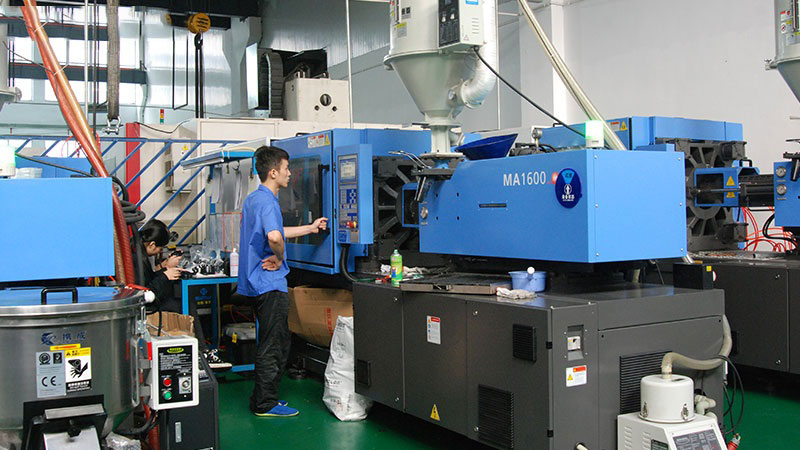
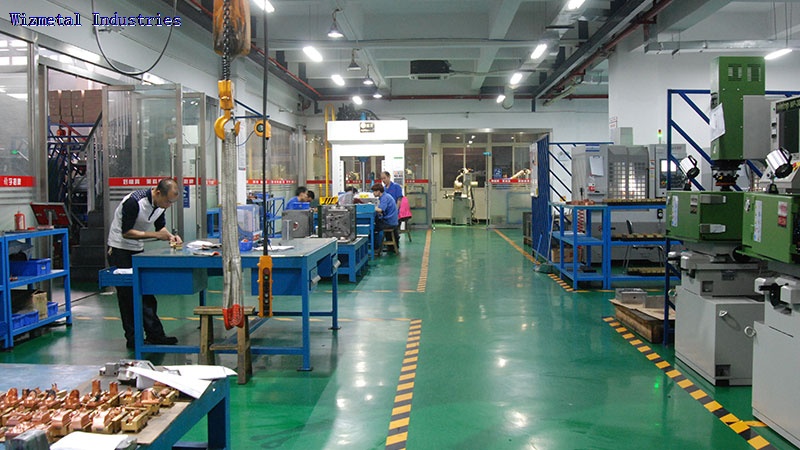
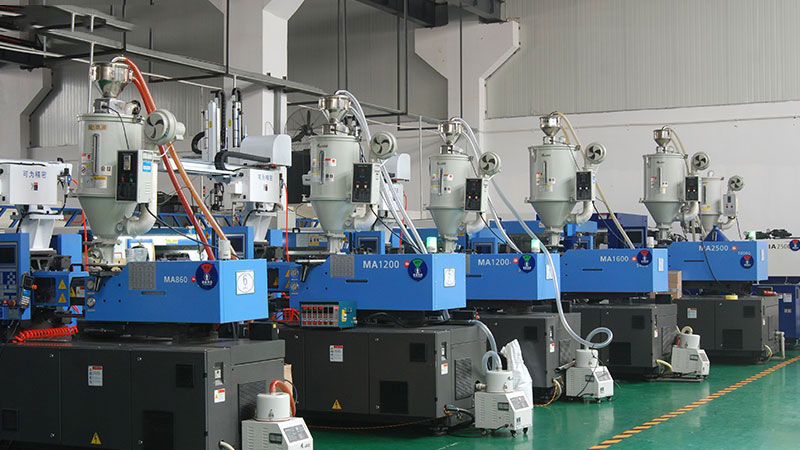
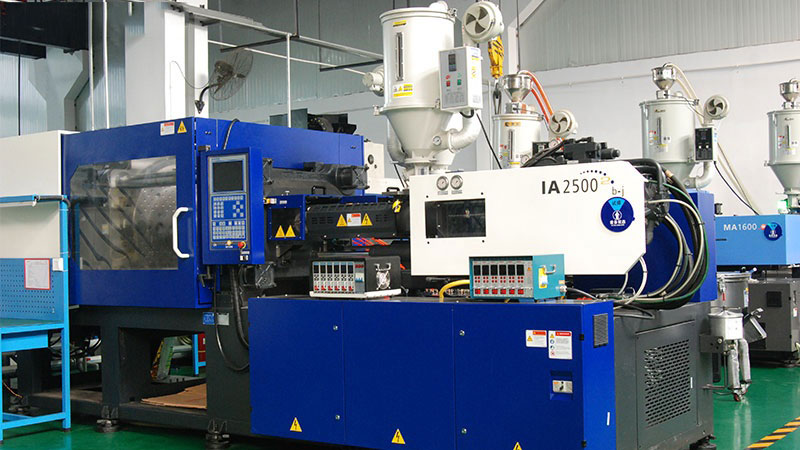
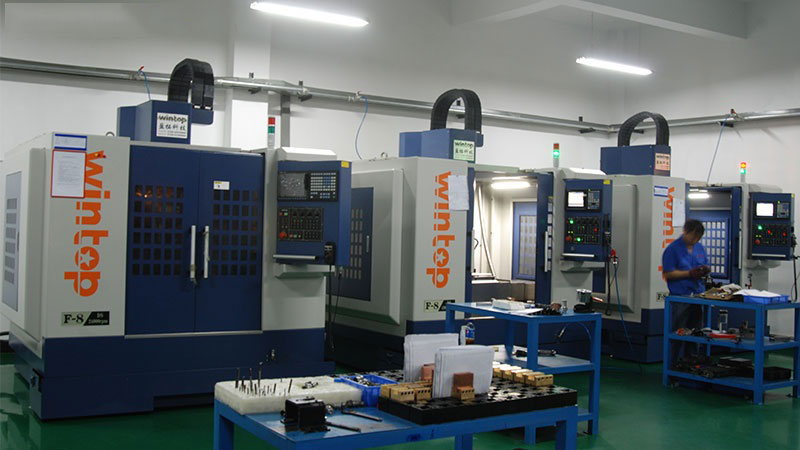
The foundational step in securing a truly valuable cheap injection mold is rigorous supplier verification. Moving beyond Alibaba listings and website claims is non-negotiable. Begin by conducting a thorough background check: verify the China mold factory’s business license, physical address, and years in operation. Request a detailed company profile and client list. The most critical action, however, is a virtual or in-person factory audit. Insist on a live video tour of their facility. Observe their machinery (brands and condition of CNC, EDM, and milling centers), their workshop organization, and their engineering team. Ask to see examples of previous molds, particularly those for export markets similar to yours. This due diligence filters out trading companies masquerading as manufacturers and identifies partners with genuine capability, turning a search for an inexpensive solution into a quest for verified competence.
Once a potential partner is verified, mastering the quotation and specification phase is where significant value is protected. A surprisingly low quote for an injection mold often signals omitted essentials or substandard materials. To avoid this, provide an exceptionally detailed Request for Quotation (RFQ). Your RFQ must include a fully reviewed 3D product model (STEP or IGS format), desired material (e.g., P20, H13, Stainless 420), cavity surface finish (SPI standards), expected lifetime (number of shots), and all critical tolerances. Explicitly state requirements for mold flow analysis before manufacturing begins, as this upfront simulation prevents costly design flaws. Clarify what is included: number of cavities, hot runner system (brand preference), cooling line design, and base materials. Demand a breakdown of costs for mold, trial shots, and post-processing. This precision ensures all bidders are quoting on the exact same scope, allowing you to compare true value rather than just price tags.
Proactive quality control integrated throughout the manufacturing lifecycle is the single most effective strategy to ensure your investment is sound. Do not adopt a “wait and see” approach until shipment. Implement staged inspection points. Key milestones include a First Article Inspection (FAI) after the mold base is procured, a Dimensional Inspection after core and cavity machining, and a comprehensive Trial Run Report with sample parts. Partner with a reliable third-party quality inspection firm based in China to conduct these inspections on your behalf. They can verify steel hardness, critical dimensions, and the performance of the mold during trial shots. Review the T1 sample parts meticulously, measuring them against your specifications. This process identifies issues while the mold is still at the factory, where corrections are affordable and timely. This layer of oversight transforms the procurement of a cheap injection mold from a gamble into a managed, low-risk project.
Clear contractual agreements and managed logistics are the final safeguards. A professional proforma invoice (PI) or contract should detail every agreed specification, payment terms (e.g., 30% deposit, 40% after T1 approval, 30% before shipment), warranty period (typically 12-18 months against workmanship and material defects), and protocols for handling non-conformities. Specify Incoterms 2026 clearly—FOB Shanghai is common, placing responsibility for shipping and insurance on you after the mold leaves the Chinese port. For a cheap injection mold, sea freight is the most economical choice, but ensure proper crating and waterproofing are stipulated to prevent transit damage. Consider insuring the shipment. Having these terms documented prevents disputes and ensures both parties have aligned expectations for the entire process, from the factory floor to your production line.
In conclusion, sourcing a cheap injection mold from China in 2026 demands a strategy built on verification, specification, inspection, and clear agreement. The goal is intelligent cost-saving, not reckless cost-cutting. By investing time in vetting your China mold factory, providing exhaustive specifications, enforcing staged quality control, and securing a detailed contract, you transform the inherent risks of overseas procurement into a structured, predictable pathway to success. This professional approach enables you to leverage China’s manufacturing strengths to obtain durable, high-performance tooling that delivers genuine long-term value, fueling your product’s success in the global marketplace.
Work With Us
As a professional China mold manufacturer, we provide one-stop mold solution for overseas buyers.
📞 Phone: +86-18605944639
💬 WhatsApp: +8618605944639
🌐 Website: bestmoldworks.com
📧 Email: [email protected]