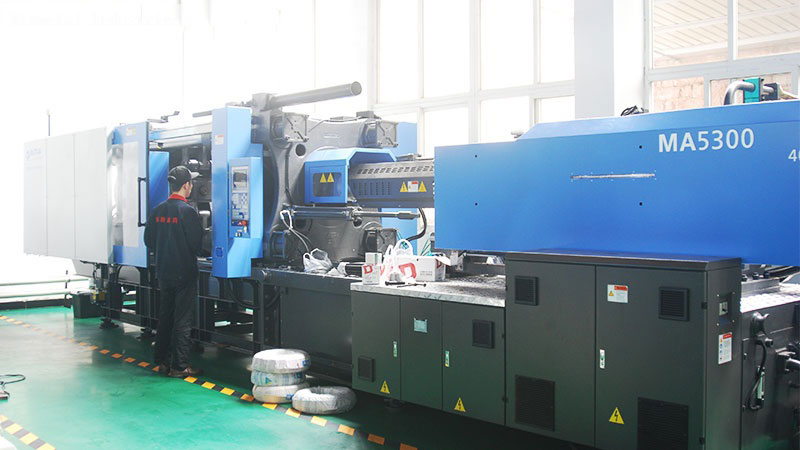
For overseas buyers, sourcing from an injection mold factory in China remains a strategic decision to balance high quality with competitive cost. However, the landscape is evolving rapidly. As we look toward 2026, success hinges on moving beyond simple price comparisons to implementing a sophisticated procurement and management strategy. This guide provides actionable, forward-looking solutions to the real challenges you face, ensuring your partnership with a China mold factory is built on reliability, transparency, and exceptional results.
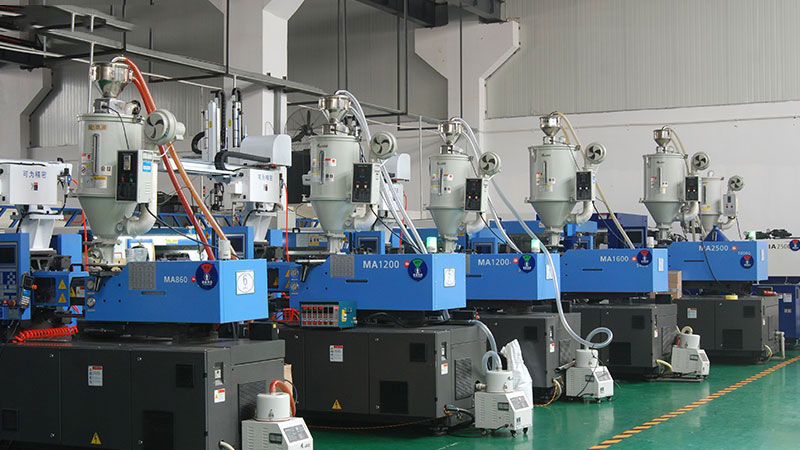
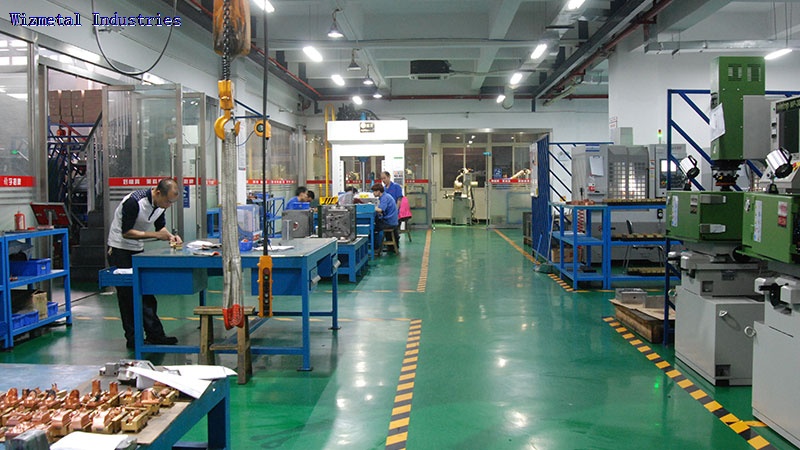
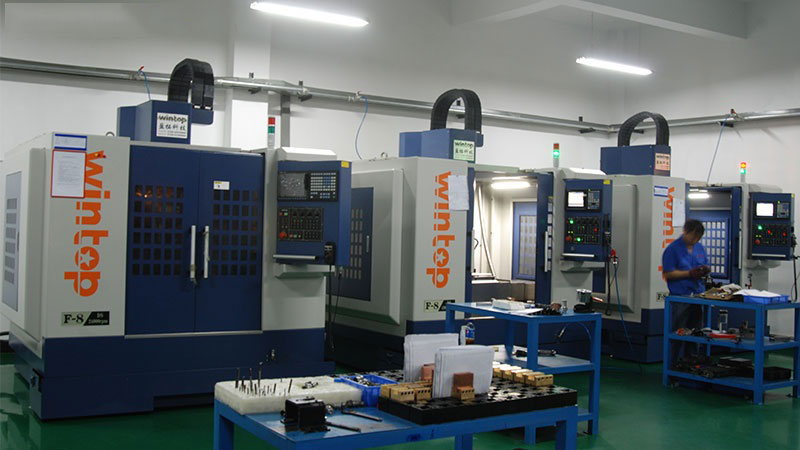
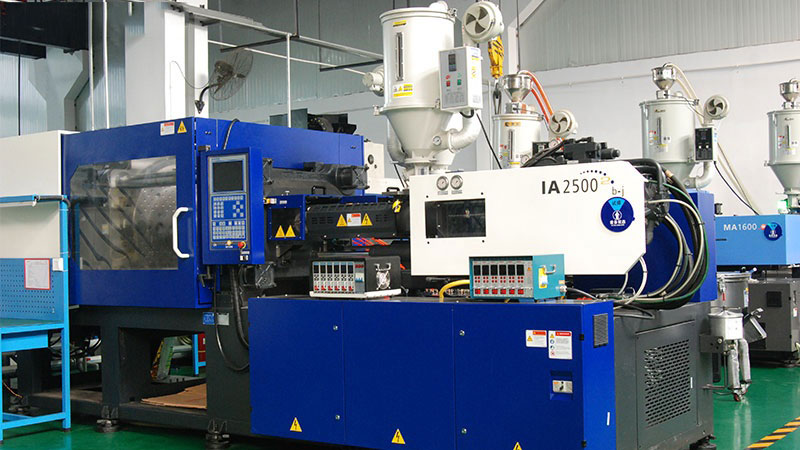
The cornerstone of a successful import project is rigorous supplier verification. The era of selecting a partner based solely on an Alibaba storefront is over. In 2026, due diligence must be multi-layered. Start with a deep technical review. Request detailed case studies of molds similar to yours in material, complexity, and industry. A professional injection mold factory will readily provide these, often with videos of first-shot trials. Utilize video calls to conduct virtual factory tours; insist on seeing the shop floor, measuring equipment like CMMs, and the mold trial area. Verify business licenses and export credentials. Furthermore, check for international quality certifications like ISO 9001, which, while not a guarantee, indicates a baseline process orientation. This phase is not about finding a vendor but auditing a potential long-term technical partner.
Once a qualified supplier is shortlisted, mastering the quotation and development phase is critical to avoid cost overruns and delays. A surprisingly low quote is often the most expensive option. Demand a transparent, line-item breakdown. This should detail mold base steel grade, cavity and core material specifications, surface finish requirements, expected lifespan in shots, and the scope of T1 sample approval. Clarify what is included: are hot runner systems, spare parts, and mold design iterations part of the fixed price? For 2026, leverage digital collaboration tools. Use shared cloud folders for design files (STEP, IGES) and ensure all feedback is documented. Establish a milestone-based payment schedule tied to clear deliverables: 30% upon design approval, 40% after steel cutting, 30% after successful sample approval. This aligns interests and maintains cash flow control.
Proactive quality control integrated throughout the manufacturing cycle is non-negotiable. Do not wait for the finished mold to inspect. Implement critical stage inspections. The first is the pre-production inspection after steel cutting, verifying material certificates and initial machining accuracy. The second is the Trial Sample Inspection (TSI) or First Article Inspection (FAI). This is paramount. Your contract must stipulate that no mass production shipping occurs without your signed sample approval. For high-value projects, consider hiring a local third-party quality inspection firm to conduct these checks. They can measure sample dimensions, document surface finishes, and validate part functionality against your drawings. This objective layer between you and the injection mold factory provides immense risk mitigation and ensures specifications are met before the mold leaves China.
Clear communication and project management protocols will define smooth operations in 2026. Overcome language and time zone barriers by appointing a single, technically proficient point of contact on both sides. Use visual communication: annotated screenshots, marked-up drawings, and short video clips are far more effective than lengthy emails for clarifying issues. Establish a regular update schedule, such as a weekly video conference with a shared agenda and minutes. Discuss not just progress, but also potential risks early. Furthermore, plan for the mold’s lifecycle. Negotiate terms for mold maintenance, repair, and storage at the factory. A reliable partner will offer reasonable rates for these services, ensuring your asset is preserved for future production runs, which is a key aspect of total cost of ownership.
Finally, a strategic perspective extends beyond the initial procurement. View your chosen China mold factory as a supply chain partner. Discuss their capacity for future design changes or family mold development. Inquire about their capabilities in adjacent technologies like overmolding or two-shot molding that you may need later. Building a relationship based on successful projects and transparent communication opens doors to better pricing, priority scheduling, and collaborative problem-solving for future initiatives. This long-term approach transforms a transactional purchase into a valuable competitive advantage for your business.
Importing molds from China in 2026 demands a blend of traditional diligence and modern collaborative tools. The journey from supplier verification to final quality control is paved with detailed processes and clear communication. By implementing these expert tips—vetting partners deeply, managing the development phase contractually, enforcing staged quality inspections, and fostering professional project management—you significantly de-risk your investment. The goal is to build a partnership with an injection mold factory in China that delivers not just a tool, but consistent quality, innovation, and value for years to come.
Work With Us
As a professional China mold manufacturer, we provide one-stop mold solution for overseas buyers.
📞 Phone: +86-18605944639
💬 WhatsApp: +8618605944639
🌐 Website: bestmoldworks.com
📧 Email: [email protected]