Blog

  • injection molding machine manufacturer in china: Reli 2026

    For overseas businesses, sourcing from an injection molding machine manufacturer in China represents a significant strategic advantage, offering a balance of advanced technology, cost efficiency, and scalable production. However, navigating this complex landscape to find a truly reliable partner requires a methodical approach. As we look toward 2026, the market is evolving with greater emphasis on smart manufacturing, sustainability, and supply chain resilience. This guide provides actionable, real-world strategies for international procurement professionals to successfully identify, verify, and collaborate with a top-tier China mold factory, ensuring your investment in precision injection molds and machinery delivers long-term value.

    Conducting In-Depth Supplier Verification Beyond Surface-Level Checks

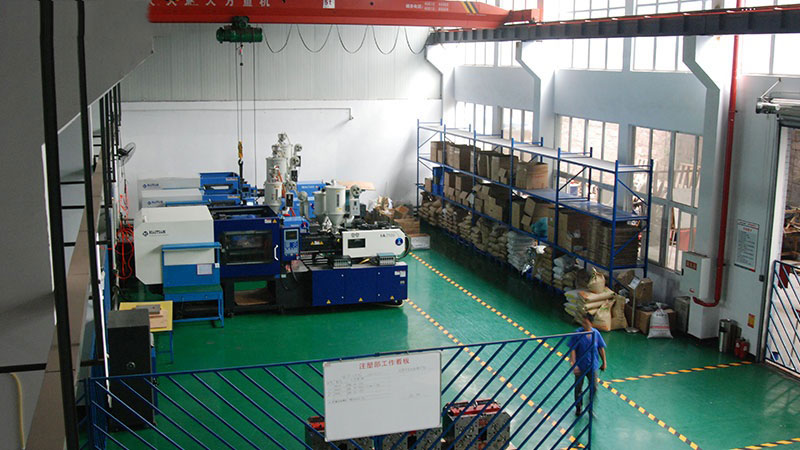
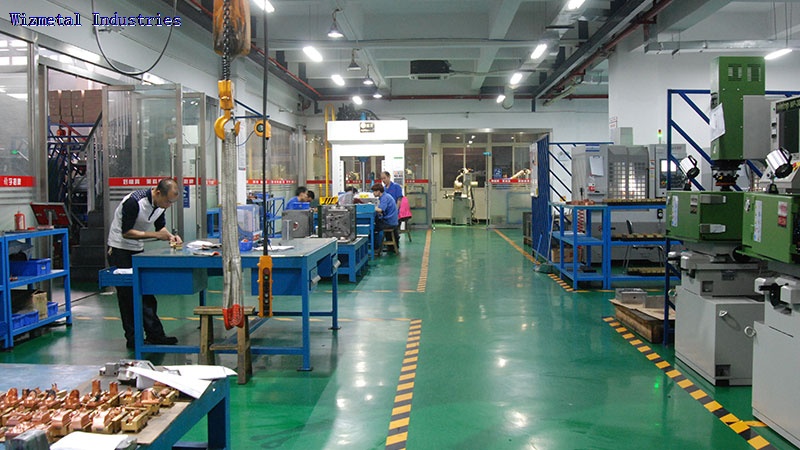
    The first and most critical step is moving beyond Alibaba listings and company websites. A credible injection molding machine manufacturer in China should withstand rigorous verification. Start with a deep dive into business licenses and registrations using Chinese official platforms to confirm legal standing and scope of operation. However, true verification extends to technical capability. Request detailed case studies for projects similar in complexity, material, and volume to yours. Insist on virtual or, ideally, in-person factory audits. In 2026, these audits should focus not just on the number of machines, but on the integration of IoT systems for machine monitoring, the presence of clean rooms for high-precision molds, and their approach to preventive maintenance. Furthermore, check for relevant international certifications beyond ISO 9001, such as specific automotive (IATF 16949) or medical (ISO 13485) standards if applicable. This multi-layered verification process separates marketing claims from manufacturing competence.

    Establishing a Robust Framework for Quality Control and Communication

    Clear, unambiguous communication is the bedrock of successful procurement. From the outset, establish a single point of contact who possesses both technical and English language proficiency. When discussing your injection mold project, move beyond simple drawings. Provide comprehensive 3D CAD files (STEP, IGES), detailed material specifications (including resin grade and supplier preferences), and a complete GD&T (Geometric Dimensioning and Tolerancing) scheme. Define your quality control protocol explicitly in the purchase agreement. Stipulate milestones for First Article Inspection (FAI) reports, Process Capability (Cpk) data for critical dimensions, and the schedule for pre-shipment inspections. Specify who will conduct these inspections—a trusted third-party agency like SGS or BV is often a wise investment for high-value projects. This framework turns subjective expectations into objective, measurable standards.

    Navigating Intellectual Property Protection and Contractual Safeguards

    Intellectual property concerns are paramount when dealing with any overseas supplier. A professional China mold factory understands this and will engage in good-faith protections. Your contract must be explicit. It should state unequivocally that all molds, designs, and associated tooling are your exclusive property. Include clauses that prohibit the supplier from using your designs for other clients or manufacturing duplicate molds for sale. Consider registering your designs in China where possible. Furthermore, the contract should detail warranty terms for the injection mold—typically covering workmanship and material defects for a set period or number of cycles—and outline the process and cost structure for mold repairs and maintenance. A supplier confident in their own engineering and business ethics will not resist these clear contractual terms.

    Planning for Logistics, After-Sales Support, and Long-Term Partnership

    The responsibility of the supplier does not end at the factory gate. Discuss and agree upon Incoterms 2020 that clearly delineate responsibilities for shipping, insurance, and customs clearance. A competent manufacturer will have experience in packaging molds for overseas transport, using proper desiccants and rust inhibitors in sealed crates. For machinery procurement, they should offer comprehensive documentation, including English manuals, electrical schematics, and compliance certificates (CE mark is essential for most markets). Crucially, probe their after-sales support structure. What is their response time for technical queries? Do they offer remote troubleshooting via video call? Do they have a network of service technicians in your region, or can they dispatch an engineer for critical installations? A supplier planning for Reli 2026 views the initial sale as the beginning of a partnership, not the end of a transaction.

    Leveraging Technological Trends and Sustainable Practices

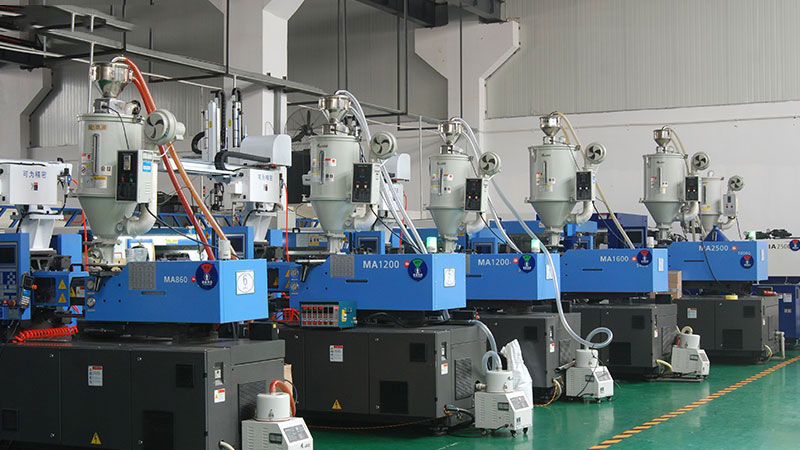
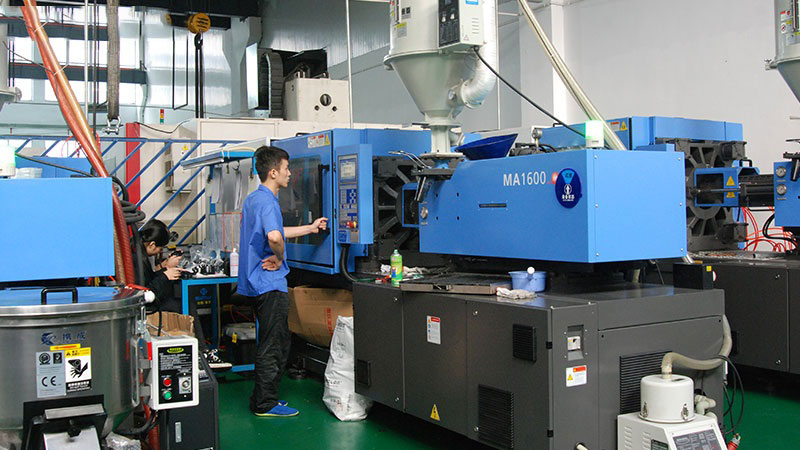
    Forward-thinking procurement in 2026 will align with suppliers who are investing in the future. In your evaluations, prioritize injection molding machine manufacturers who are adopting Industry 4.0 principles. Machines equipped with real-time monitoring systems that provide data on cycle times, energy consumption, and predictive maintenance needs add tremendous value. Similarly, inquire about their stance and capabilities in sustainable manufacturing. Are they using energy-efficient servo-driven machines? Do they have experience with bioplastics or recycled material grades? A supplier actively engaged in technological and ecological advancements is more likely to be a stable, innovative partner capable of helping you stay competitive in your own market.

    Conclusion

    Importing molds and machinery from China remains a highly viable strategy for cost-effective, quality manufacturing. The journey to finding a reliable injection molding machine manufacturer in China hinges on a disciplined, detail-oriented process. By implementing thorough supplier verification, establishing ironclad quality control and communication protocols, securing your intellectual property contractually, and planning for the full lifecycle of your asset, you mitigate risk and build a foundation for success. As the industry advances toward 2026, aligning with a technologically adept and partnership-oriented China mold factory is not just a procurement decision—it is a strategic business move that can enhance your product quality, operational efficiency, and bottom line for years to come.

    Work With Us

    As a professional China mold manufacturer, we provide one-stop mold solution for overseas buyers.
    📞 Phone: +86-18605944639
    💬 WhatsApp: +8618605944639
    🌐 Website: bestmoldworks.com
    📧 Email: [email protected]
  • custom made plastic pieces: Ultimate Guide for Buyers 2026

    For businesses worldwide, sourcing custom made plastic pieces from China remains a strategic move to balance quality, innovation, and cost-effectiveness. However, navigating the complex landscape of Chinese manufacturing requires updated knowledge and a meticulous approach. As we move into 2026, the dynamics of global procurement are shifting, demanding greater transparency, technological integration, and supply chain resilience. This guide is designed to cut through the noise and provide overseas buyers with a professional, actionable framework for successfully importing high-quality injection molds and the plastic components they produce. We will solve real problems, from initial supplier verification to final quality control, ensuring your project’s success from concept to delivery.

    The cornerstone of obtaining superior custom made plastic pieces is selecting the right China mold factory. This step is where many projects are defined, for better or worse. Begin your search beyond generic platforms; utilize industry-specific B2B portals and leverage professional networks on LinkedIn. Focus on factories that explicitly showcase expertise in your required sector, whether automotive, medical, consumer electronics, or packaging. In 2026, a credible supplier’s digital footprint should include detailed case studies, technical blog posts, and videos of their production floor and testing processes. Prioritize communication: a responsive, technically proficient English-speaking sales engineer is a strong positive indicator. Initial inquiries should be detailed, requesting information on similar projects, standard lead times, and their approach to design for manufacturability (DFM). This phase is not about finding the lowest quote, but the most capable and communicative partner.

    Once a shortlist is formed, rigorous supplier verification is non-negotiable. The modern due diligence process extends far beyond a business license check. Insist on a virtual factory tour via video call to assess machinery, workshop organization, and cleanliness. Request references from their existing overseas clients, preferably in your region, and actually contact them. Verify certifications relevant to your industry, such as ISO 9001 for quality management, and for medical or food-contact parts, ISO 13485 or FDA compliance. Crucially, investigate their tooling material sourcing. A professional China mold factory will transparently disclose the origin and grade of their steel (e.g., pre-hardened 718H or hardened S136) and critical components like mold bases and hot runner systems. In 2026, leveraging third-party inspection services for an initial audit can be a wise investment to de-risk the partnership before any contract is signed.

    The technical heart of your project lies in the injection mold design and prototyping phase. Never proceed directly to mass production tooling. A reliable partner will always recommend and provide a prototype, which can be achieved through lower-cost methods like 3D printing or soft aluminum tooling for small batch testing. This stage is critical for validating form, fit, and function. Actively engage in the DFM feedback loop. A professional factory will provide a detailed DFM report highlighting potential issues like wall thickness inconsistencies, sink marks, undercuts, and gate locations. Their expertise should guide you toward designs that are not only aesthetically pleasing but also optimized for manufacturability, cost-efficiency, and longevity of the production mold. Clear agreement on mold ownership, maintenance schedules, and storage terms after production concludes is also a key part of the procurement discussion that must be finalized upfront.

    Implementing a robust, multi-stage quality control protocol is what separates successful imports from costly failures. Your agreement must specify QC checkpoints. First, a First Article Inspection (FAI) when the initial samples come off the production mold is essential, comparing them against all dimensional drawings. Second, during mass production, define the frequency of In-Process Quality Checks (IPQC) and the use of Statistical Process Control (SPC) data where applicable. For final goods, a Pre-Shipment Inspection (PSI) is mandatory. In 2026, leading factories are adopting digital QC tools; request inspection reports with annotated photos and video of functional tests. For critical components, consider hiring a third-party inspection company to conduct an independent PSI. Clearly define Acceptable Quality Limits (AQL) in your purchase order based on industry standards. Remember, quality control is an integrated process, not a final box to be ticked.

    Finally, mastering logistics and fostering a long-term partnership are the hallmarks of strategic procurement. Understand Incoterms 2026 thoroughly; terms like FOB or EXW are common, defining responsibility and cost at each transit stage. Work with your supplier or a trusted freight forwarder to ensure proper packaging of molds and plastic pieces to prevent damage. For the molds themselves, consider crate dimensions and weight for air or sea freight. After a successful first run, view your China mold factory as a strategic partner. A strong relationship leads to better priority, proactive communication on material market changes, and continuous improvement on future projects. Discuss their capabilities in secondary operations, assembly, or sub-supply management to potentially consolidate your supply chain.

    In conclusion, importing custom made plastic pieces from China in 2026 is a highly viable strategy that demands a professional, informed, and process-driven approach. The journey from concept to delivered parts hinges on systematic supplier verification, collaborative design and prototyping, and an unwavering commitment to quality control at every stage. By viewing your chosen China mold factory not merely as a vendor but as a technical partner in your product’s success, you build a foundation for innovation and competitive advantage. The landscape is advanced, but with this actionable guide, overseas buyers are equipped to navigate it with confidence, securing high-quality injection molds and components that meet exact specifications, budgetary requirements, and timeline expectations.

    Work With Us

    As a professional China mold manufacturer, we provide one-stop mold solution for overseas buyers.
    📞 Phone: +86-18605944639
    💬 WhatsApp: +8618605944639
    🌐 Website: bestmoldworks.com
    📧 Email: [email protected]
  • custom molds for aluminum: Ultimate Guide for Buyers 2026

    For overseas buyers, sourcing custom molds for aluminum represents a critical strategic decision. It offers unparalleled potential for cost efficiency and manufacturing scalability, yet the path is fraught with challenges if navigated incorrectly. The difference between a successful project that delivers for years and a costly, time-consuming failure often lies in the procurement process. This guide for 2026 cuts through the noise to provide a professional, actionable framework for engaging with a China mold factory. We will focus on solving real problems—from initial supplier verification to final quality control—ensuring your investment in a custom aluminum injection mold is sound, secure, and successful.

    The foundational step, and arguably the most critical, is rigorous supplier verification. The term “China mold factory” encompasses a vast spectrum, from world-class engineering hubs to rudimentary workshops. Your first task is to move beyond Alibaba listings and conduct deep due diligence. Start by verifying business licenses and requesting a detailed company profile that outlines their specific experience with aluminum components. Aluminum has distinct flow characteristics and cooling requirements compared to plastics; not every injection mold specialist is proficient. Demand to see a portfolio of past projects for aluminum parts, preferably with similar size, complexity, and required surface finish. Utilize video calls to conduct a virtual factory tour; observe the machinery (look for high-precision CNC, EDM, and deep-hole drilling equipment), workshop organization, and quality assurance stations. Furthermore, check for international certifications relevant to your industry. This proactive verification filters out unqualified vendors before any technical discussion begins, saving immense time and mitigating your primary risk.

    Once a qualified shortlist is established, mastering the technical and commercial procurement phase is essential. The quotation you receive is a direct reflection of the clarity of your request. To obtain accurate and comparable quotes, you must provide a comprehensive Request for Quotation (RFQ) package. This should include not just the 3D part model (STEP or IGS format), but also a detailed specification document. Specify the aluminum alloy (e.g., A380, ADC12, A360), expected annual volumes, cycle time targets, and critical part tolerances. Clearly state requirements for mold base steel (e.g., H13 for cavitation and cores), surface treatments (nitriding, etc.), and hot runner system preferences if applicable. Discuss and agree on mold ownership and intellectual property protection clauses in the contract. A professional China mold factory will engage in a collaborative technical review, suggesting design for manufacturability (DFM) changes to improve part quality and mold longevity. View this collaboration as a positive indicator of expertise. Remember, the cheapest quote often leads to the highest total cost when considering repairs, downtime, and poor part quality.

    The significance of in-process quality control cannot be overstated. For custom molds for aluminum, waiting to inspect the finished tool is a high-risk strategy. Insist on a staged inspection protocol with documented evidence at key milestones. This typically includes a pre-production meeting to finalize drawings, a mold design review, and critical stage inspections. The first major checkpoint is after the mold base machining and cavity/core roughing. The second is after the electrical discharge machining (EDM) and finishing of the critical surfaces. The most important is the first sample inspection (T1) from the trial shot. You or a trusted third-party inspection agency should be present for the mold trial. Evaluate the first article parts against your specifications, checking dimensions, surface finish, and structural integrity. Analyze the trial report from the supplier, which should document parameters like injection speed, temperature, and any issues like porosity or flashing. Paying for these inspections is an investment that identifies corrections early, when they are least expensive and time-consuming to fix.

    Effective logistics and post-delivery support are the final pillars of a successful import project. Clarify all shipping terms (Incoterms 2020) explicitly. Will the China mold factory handle export formalities, or will you? For high-value tooling, consider arranging your own cargo insurance. Packaging must be robust to prevent damage from humidity or shock during ocean freight. Upon arrival, have a qualified technician ready for installation and initial production. However, the relationship should not end at delivery. Discuss and agree on a warranty period (typically 12-24 months) covering workmanship and material defects. Understand the supplier’s policy on maintenance, spare parts (like wear-prone components), and technical support. Will they provide detailed mold maintenance manuals? A reliable partner views the mold as the start of a long-term relationship for potential future parts or maintenance needs, not a one-time transaction.

    In conclusion, importing custom molds for aluminum from China in 2026 is a process best approached with meticulous planning and partnership. The landscape is competitive, and the advantages for informed buyers are significant. By implementing a disciplined process of thorough supplier verification, detailed technical procurement, stringent in-process quality control, and clear logistics planning, you transform a complex overseas venture into a streamlined and reliable supply chain solution. The goal is to move beyond being just a buyer to becoming a valued partner to a proficient China mold factory. This strategic approach ensures that your custom aluminum injection mold is not merely a purchased item, but a durable, high-performance asset that drives your manufacturing success for years to come. Let this guide be your blueprint for confident and successful procurement.

    Work With Us

    As a professional China mold manufacturer, we provide one-stop mold solution for overseas buyers.
    📞 Phone: +86-18605944639
    💬 WhatsApp: +8618605944639
    🌐 Website: bestmoldworks.com
    📧 Email: [email protected]
  • injection mold manufacturers in china: Expert Tips & 2026

    For overseas buyers, partnering with injection mold manufacturers in China remains one of the most effective strategies to achieve significant cost savings without necessarily compromising on quality. However, the path from initial inquiry to receiving a perfect mold at your dock is fraught with potential pitfalls. Miscommunication, hidden costs, and quality discrepancies can quickly erode the projected savings. This guide cuts through the noise to provide actionable, professional advice for 2026, helping you navigate the procurement landscape with confidence and secure a reliable partnership with a top-tier China mold factory.

    The cornerstone of a successful import project is rigorous supplier verification. Moving beyond a simple website check or Alibaba storefront is non-negotiable. Start by demanding evidence of capability. A professional injection mold manufacturer will readily provide a detailed portfolio with case studies, preferably for international clients in your industry. Request videos of their factory floor—live video calls are even better—to assess the level of machinery (look for brands like DMG Mori, Sodick, or Haitian injection machines), workshop organization, and cleanliness. Crucially, verify their business licenses and ask for references from past overseas buyers. A reputable supplier understands this due diligence and will be transparent. Remember, the goal is not to find the cheapest provider, but the most competent and communicative partner for your specific project.

    Once you have shortlisted potential partners, mastering the technical and commercial discussion is critical. The single most important document is a comprehensive, unambiguous Request for Quotation (RFQ). Your RFQ must include not just part drawings (in a universal format like .step or .igs), but a detailed specification sheet. This should cover the mold steel grade (e.g., P20, H13, S136), expected lifespan (number of shots), cavity count, tolerance requirements, surface finish specifications (SPI standards), and hot runner system preferences if needed. For the injection molding process itself, define the plastic material, part weight, and any critical cosmetic requirements. By providing this level of detail, you force standardization of quotes, making them comparable and minimizing assumptions that lead to change orders and cost overruns later. This clarity separates serious buyers from casual inquiries and attracts more professional responses from injection mold manufacturers in China.

    The negotiation phase extends far beyond unit price. A professional procurement approach focuses on total cost of ownership and risk mitigation. Scrutinize the payment terms; a common and balanced structure is 50% deposit, 40% upon approval of sample parts, and 10% before shipment. Be wary of suppliers demanding 100% upfront. Discuss and agree on all Incoterms 2020—FOB Shanghai is often the most straightforward for buyers. Ensure the quote includes all costs: mold design, materials, trial run samples, mold certification reports, and standard mold base. Most importantly, institute a phased quality control protocol. This should include in-process inspection reports (material certificates, heat treatment reports), a First Article Inspection (FAI) after the trial shot, and a pre-shipment inspection (PSI) to verify the mold’s dimensions and function against your agreed checklist. Budgeting for a third-party QC firm in China for the PSI can be an excellent investment for high-value tools.

    Effective project management and communication are what transform a good technical agreement into a successful delivery. Designate a single point of contact on both sides and insist on regular, structured updates. A professional China mold factory should provide a project timeline with key milestones: design approval, material procurement, machining completion, assembly, and trial shot. Use collaborative tools for design review; mark up PDFs or use cloud-based annotation platforms to avoid endless email chains. When sample parts arrive, conduct a thorough evaluation and provide consolidated, clear feedback. Document everything. Finally, plan for the long term. Discuss post-sales support, warranty period for workmanship and materials, and the process for future mold maintenance or modifications. A reliable partner views this as the start of a relationship, not the conclusion of a transaction.

    Importing injection molds from China is a proven strategy for competitive advantage, but its success hinges on a systematic, informed approach. By prioritizing deep supplier verification, excelling in technical specification, negotiating with a focus on total value and quality control, and managing the project with professional rigor, you can mitigate the inherent risks. The landscape in 2026 will favor buyers who are partners, not just price-shoppers. Implementing these expert tips will empower you to identify and collaborate with exceptional injection mold manufacturers in China, turning the complexity of global procurement into a reliable pillar of your supply chain and product development success.

    Work With Us

    As a professional China mold manufacturer, we provide one-stop mold solution for overseas buyers.
    📞 Phone: +86-18605944639
    💬 WhatsApp: +8618605944639
    🌐 Website: bestmoldworks.com
    📧 Email: [email protected]
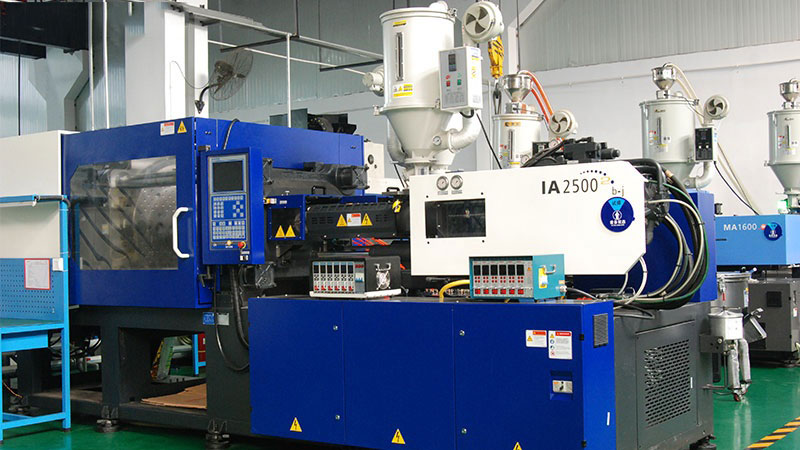
  • injection molding machine manufacturer in china: Exper 2026

    For overseas businesses, sourcing from an injection molding machine manufacturer in China represents a significant strategic advantage, offering a blend of advanced technology, cost efficiency, and scalable production. However, the landscape is complex and navigating it successfully requires more than just finding a low quote. As we look toward 2026, the dynamics of procurement are shifting, with a greater emphasis on technological integration, supply chain resilience, and verified quality. This guide cuts through the noise to provide actionable, professional insights for overseas buyers aiming to build successful, long-term partnerships with Chinese manufacturers. The goal is not merely to purchase a machine but to secure a reliable production asset that will drive your manufacturing efficiency for years to come.

    The foundation of a successful import project begins with precise technical specification and supplier categorization. Not every injection molding machine manufacturer in China serves the same market segment. In 2026, the differentiation is clearer than ever. You must distinguish between manufacturers specializing in standard, high-volume machines and those focusing on specialized applications like all-electric presses, large-tonnage machines for automotive parts, or high-precision machines for medical components. Start your procurement process by creating a detailed technical document that goes beyond clamp force and shot weight. Include requirements for repeatability accuracy, energy efficiency ratings (look for CE, UL, or China GB standards), compatibility with Industry 4.0 protocols for data monitoring, and specific safety standards required in your country. This clarity will immediately filter out unsuitable suppliers and attract serious, capable partners, streamlining your initial search and aligning expectations from the very first communication.

    Once you have a shortlist, rigorous supplier verification becomes the most critical step. This transcends checking a business license. In the current environment, due diligence must be multi-faceted. First, verify the manufacturer’s production capability through a virtual or, ideally, in-person factory audit. Request video tours of their assembly lines, quality control labs, and testing facilities. Scrutinize their component sourcing; reputable manufacturers will use branded servo systems, PLCs, and screws. Second, investigate their export experience. Request contact information for at least two or three overseas clients in your region and actually follow up. Inquire about machine performance, after-sales support responsiveness, and the overall professionalism of the collaboration. Third, examine their R&D investment. A manufacturer investing in new technologies like AI-driven process optimization or IoT connectivity is likely a more future-proof partner for 2026 and beyond. This thorough verification process mitigates the primary risk of engaging an unqualified China mold factory for your production needs.

    The negotiation and contracting phase is where you institutionalize quality and service. Your purchase contract must be comprehensive and legally sound. Move beyond a simple proforma invoice. The contract should explicitly detail payment terms (using secure methods like LC), a milestone-based payment schedule tied to factory acceptance tests (FAT), and detailed packaging specifications for ocean freight. Crucially, incorporate clear quality control protocols. Stipulate that the injection mold machine undergoes a full FAT, with you or a trusted third-party inspector present to verify performance against the agreed specifications. Define the warranty period, scope, and the terms for spare parts supply. Specify the training materials and remote support to be provided. A robust contract protects both parties and ensures that the relationship is built on clarity and professionalism, preventing costly misunderstandings after the machine has shipped.

    Effective quality control and logistics management are the final hurdles to successful import. For high-value capital equipment, pre-shipment inspection is non-negotiable. Engage a reputable third-party inspection company familiar with heavy machinery to conduct the FAT. They will check for manufacturing defects, electrical safety, hydraulic system integrity, and operational performance, generating a report that can be used for payment release. Concurrently, work with a experienced freight forwarder who understands the nuances of shipping heavy machinery. They will advise on crating requirements, optimal Incoterms (FOB is common, but CIP may offer more peace of mind), and handle customs clearance in your country. Proper planning for logistics ensures your machine arrives undamaged and ready for installation, avoiding demurrage fees and project delays.

    Finally, view the purchase as the start of a partnership, not a transaction. The most successful overseas buyers in 2026 will be those who foster collaborative relationships with their Chinese manufacturers. Discuss your long-term production plans; a reliable supplier can advise on machine scalability and future upgrades. Establish clear communication channels for technical support and routine maintenance. Inquire about their digital support capabilities, such as remote diagnostics, which are becoming standard. By treating your chosen manufacturer as a strategic partner, you gain an ally who is invested in your production success, ensuring smoother operations, quicker troubleshooting, and better adaptability to your evolving manufacturing needs for the lifespan of the injection mold.

    Conclusion

    Importing an injection molding machine from China in 2026 is a strategic endeavor that offers immense value when executed with diligence and foresight. The process demands a structured approach, from precise technical sourcing and uncompromising supplier verification to iron-clad contracts and meticulous quality control. By focusing on these actionable steps, overseas buyers can confidently navigate the market, mitigate inherent risks, and secure a high-quality manufacturing asset. The ultimate goal is to transform the complexity of international procurement into a competitive advantage, establishing a productive partnership with a Chinese manufacturer that drives efficiency, innovation, and growth for your business in the years ahead.

    Work With Us

    As a professional China mold manufacturer, we provide one-stop mold solution for overseas buyers.
    📞 Phone: +86-18605944639
    💬 WhatsApp: +8618605944639
    🌐 Website: bestmoldworks.com
    📧 Email: [email protected]

  • injection mold factory near me: Reliable Manufacturers 2026

    For overseas buyers, the search for an “injection mold factory near me” often transcends geographical proximity. It is a quest for reliable, cost-effective, and high-quality manufacturing partnerships. In today’s globalized market, “near me” has evolved to mean strategic proximity to expertise and supply chains, with China remaining the epicenter for precision tooling. As we look toward 2026, navigating the vast landscape of Chinese mold manufacturing requires updated strategies and a sharp focus on verification and quality. This guide provides actionable insights for international procurement specialists to identify and partner with reliable injection mold factories in China, ensuring your project’s success in the coming years.

    The foundation of successful procurement lies in meticulous supplier verification. Moving beyond a simple online directory search is crucial. Begin by shortlisting potential China mold factory partners based on their specific industry experience. A supplier specializing in automotive components may not be the best fit for delicate medical device molds. Scrutinize their digital presence: a professional website with detailed case studies, technical capabilities, and clear contact information is a positive indicator. Utilize third-party verification platforms for business license checks and to read unbiased reviews. The most critical step, however, is to initiate direct video calls. Request virtual factory tours to inspect machinery, workshop cleanliness, and gauge their team’s technical communication skills. This process transforms an anonymous “injection mold factory near me” search into a vetted shortlist of credible candidates.

    Once a potential partner is identified, the focus must shift to a comprehensive technical and commercial discussion. The initial quotation phase is a litmus test for professionalism. Provide a detailed RFQ (Request for Quotation) including part drawings, material specifications, expected volumes, and quality standards. A reliable supplier will ask clarifying questions rather than provide an immediate, suspiciously low quote. Discuss their mold flow analysis process, the steel grades they stock, and their standard tolerances. For 2026, also inquire about their integration of smart manufacturing technologies and data tracking, which can predict maintenance and ensure consistency. Transparency in cost breakdowns—mold base, cavity/core machining, trials, and post-processing—is essential. This stage separates true technical partners from mere job shops.

    Implementing rigorous quality control from the outset is non-negotiable. Agree on a staged inspection protocol before production begins. This should include a First Article Inspection (FAI) report after the initial mold trial, often supported by dimensional reports and CMM data. For overseas buyers, partnering with a reputable third-party quality inspection service in China is a highly recommended investment. These inspectors act as your eyes on the ground, conducting Pre-Shipment Inspections (PSI) during production runs and checking the final shipment against agreed specifications. A reliable China mold factory will have no objection to such arrangements and will often have their own QC documentation, such as control plans and inspection reports. Establishing clear, documented quality gates ensures the injection mold meets your standards every time.

    Effective communication and project management are the glue that holds international procurement together. Define clear points of contact and expected response times. Utilize project management tools or shared platforms for tracking milestones like design approval, steel purchase, T1 trial, and shipping. A professional supplier will provide regular updates without prompting. Furthermore, a thorough understanding of logistics and Incoterms is vital. Clarify responsibilities for mold transportation, export documentation, and insurance. Discuss post-sales support explicitly: what is their policy on mold modifications, repair, and warranty? A partner invested in a long-term relationship will offer clear terms, ensuring you have support long after the mold has been delivered to your “near me” production facility.

    Finally, view your procurement strategy through the lens of building a partnership for 2026 and beyond. The most successful import relationships are those that evolve beyond transactional interactions. Consider starting with a smaller, less critical project to evaluate performance before committing to larger, more complex tools. Provide constructive feedback and be open to their engineering suggestions for design for manufacturability (DFM). As trust builds, this collaboration can lead to innovation, cost savings on future projects, and a supplier that truly acts as an extension of your own operations. In the long term, the ideal “injection mold factory near me” is not defined by distance but by reliability, transparency, and a shared commitment to quality.

    In conclusion, finding a reliable injection mold factory in China for your 2026 projects demands a proactive and discerning approach. By prioritizing in-depth supplier verification, engaging in detailed technical procurement discussions, enforcing stringent quality control measures, and fostering transparent communication, overseas buyers can mitigate risks and unlock significant value. The goal is to transform the daunting search for a distant manufacturer into the confidence of working with a trusted, strategic partner. As the industry advances, those who master this nuanced process will secure not just molds, but a competitive advantage in their own markets.

    Work With Us

    As a professional China mold manufacturer, we provide one-stop mold solution for overseas buyers.
    📞 Phone: +86-18605944639
    💬 WhatsApp: +8618605944639
    🌐 Website: bestmoldworks.com
    📧 Email: [email protected]

  • plastic moulding factory near me: Professional Buying 2026

    For overseas buyers, the search for a “plastic moulding factory near me” often concludes with a strategic pivot towards a global manufacturing leader: China. The rationale is compelling—unmatched expertise, scalable production, and significant cost advantages. However, navigating the vast landscape of Chinese mold manufacturing requires a modern, professional approach. The old methods of sourcing are obsolete. This guide for 2026 provides actionable, real-world strategies to transform your procurement process, mitigate risks, and build a profitable, long-term partnership with a top-tier China mold factory.

    The core challenge is no longer about finding a manufacturer; it’s about efficiently identifying and verifying the right one. The digital era presents both opportunity and noise. Your goal is to move beyond basic Alibaba listings and price-centric negotiations to a partnership built on technical capability, process transparency, and shared quality standards. This professional buying journey begins long before a request for quotation is sent.

    **Conducting Deep-Digital Due Diligence and Supplier Verification**

    Your first step is a comprehensive digital audit. In 2026, a credible China mold factory must have a robust online footprint that demonstrates its capabilities. Scrutinize their website for technical details: listed machinery (brands and tonnage of injection mold presses), mold flow analysis examples, quality control certifications (ISO 9001, IATF 16949 for automotive), and detailed case studies. Use platforms like Google Earth to verify the scale of their facility—a simple but effective step in supplier verification. Cross-reference their claimed existence on Chinese business registries and industry-specific B2B platforms. Furthermore, analyze their professional content. Do they publish technical articles or videos explaining complex injection mold processes? This indicates investment in expertise and a desire to educate clients, a hallmark of a serious partner. This phase replaces the initial “plastic moulding factory near me” search with a targeted shortlist of pre-qualified specialists.

    **Mastering the Technical Dialogue and RFQ Process**

    A precise Request for Quotation (RFQ) is your most powerful filtering tool. Submitting a vague drawing or a simple idea will yield inaccurate quotes and attract low-quality suppliers. Your RFQ must be a professional dossier including: a fully detailed 3D product design (STEP or IGES file), 2D technical drawings with GD&T (Geometric Dimensioning and Tolerancing), material specifications (grade and supplier if critical), expected annual volumes, and clear cosmetic requirements (texture, gloss level). This forces the injection mold manufacturer to engage technically from the outset. Evaluate their response not just on price, but on the questions they ask. A professional factory will query design for manufacturability (DFM), suggest gate locations, recommend steel types for durability, and propose mold action to simplify your part. This collaborative technical dialogue is the foundation of a successful project and separates true engineers from mere sales agents.

    **Implementing a Phased Quality Control and Inspection Protocol**

    Assuming quality will be managed solely by final inspection is a critical error. Professional buying in 2026 mandates a phased quality control (QC) protocol integrated into the contract. This starts with First Article Inspection (FAI) reports on the initial molded samples, comparing them directly to your 2D drawings. The most critical phase is the pre-shipment mold trial and sampling. Insist on attending this trial virtually via live-stream if not in person. Observe the mold in action, review the process parameters, and approve the final samples against signed-off master samples. Engage a reputable third-party inspection firm in China for critical milestones, such as the Initial Sample Inspection Report (ISIR) or Production Part Approval Process (PPAP) for automotive projects. This structured approach ensures issues are caught and resolved before mass production, protecting your investment and timeline.

    **Building the Partnership Beyond a Single Transaction**

    Viewing your chosen China mold factory as a mere vendor is a short-sighted strategy. The most successful import relationships are treated as strategic partnerships. This involves clear, consistent communication, often facilitated by tools like WeChat or dedicated project management platforms. Schedule regular update calls. Be fair and prompt with payments according to the agreed milestones. Discuss future projects and their roadmap. A partner invested in your success will proactively manage mold maintenance, offer production scheduling advantages, and provide early insights into material cost fluctuations. This relational equity is invaluable and turns your supplier into a true extension of your own engineering and production team, fulfilling the ultimate goal of a seamless, offshore manufacturing operation.

    The modern quest for manufacturing excellence logically extends beyond a local “plastic moulding factory near me” to the specialized industrial clusters of China. By adopting a 2026-ready approach—centered on rigorous digital verification, technical collaboration, embedded quality control, and partnership building—you transform procurement from a risky cost-center into a definitive competitive advantage. The objective is clear: to leverage China’s manufacturing prowess not with anxiety, but with the confidence and control of a professional buyer, securing quality, reliability, and innovation for years to come.

    Work With Us

    As a professional China mold manufacturer, we provide one-stop mold solution for overseas buyers.
    📞 Phone: +86-18605944639
    💬 WhatsApp: +8618605944639
    🌐 Website: bestmoldworks.com
    📧 Email: [email protected]

  • custom molded plastic parts: Best Suppliers & Quality C 2026

    For overseas buyers and procurement teams, sourcing custom molded plastic parts from China remains a powerful strategy for achieving cost efficiency and scalable production. However, the journey from concept to consistent, high-quality parts is fraught with potential pitfalls, from supplier misalignment to quality fade. As we look toward 2026, the landscape is evolving, demanding more sophisticated approaches. This guide cuts through the noise to provide actionable strategies for identifying the best suppliers and implementing robust quality control for your custom molded plastic parts projects.

    The foundation of a successful import project lies not in finding the cheapest vendor, but in identifying a capable and reliable China mold factory. Begin your search with a focus on specialization. A supplier claiming to do everything often masters nothing. Look for manufacturers with proven expertise in your specific industry, whether it’s automotive components, medical devices, consumer electronics, or precision engineering. A deep portfolio of relevant projects is a stronger indicator than a long company history. Utilize B2B platforms for initial longlisting, but understand their limitations. True verification requires direct engagement. Before discussing your project in detail, request a virtual factory tour. This is non-negotiable in the modern sourcing process. A reputable supplier will readily showcase their facility, injection mold machining centers, molding presses, and quality lab. Observe the organization, technology level, and working environment. It provides invaluable context beyond a glossy brochure.

    Once you have a shortlist, rigorous supplier verification separates potential partners from risks. Move beyond basic business license checks. Investigate their export experience with your target market, as familiarity with your regional standards and compliance requirements is crucial. Request and actually contact references from past overseas clients, particularly those with similar part complexity. A critical, often overlooked step is assessing their engineering capability. The design for manufacturability (DFM) stage is where a great China mold factory adds immense value. Present them with your part design or concept and evaluate their DFM feedback. Do they proactively suggest material alternatives, gate locations, or wall thickness adjustments to improve moldability and reduce cost? Their questions and insights at this stage are a direct reflection of their technical proficiency and commitment to project success, not just order fulfillment.

    The heart of your project is the injection mold itself. Treating mold procurement as a commodity purchase is a primary reason for project failure. Clearly define and agree upon mold specifications, steel grade, cavity life expectancy, and maintenance protocols in a formal mold contract. This document should be separate from the parts purchase order. It should stipulate ownership, storage, and repair responsibilities. For initial sampling, a structured First Article Inspection (FAI) process is essential. Do not approve production based on a few hand-picked samples. Require a statistically significant sample run from the approved production mold. Measure all critical dimensions, test functionality, and validate material certifications. This step verifies both the part design and the mold’s capability before high-volume production commences. Investing time and resources here prevents exponential losses later.

    Implementing proactive quality control is your most powerful tool for ensuring consistency. Relying solely on pre-shipment inspections (PSI) is a reactive and often inadequate strategy. For 2026 and beyond, integrate quality checks at the source throughout the production cycle. This can be achieved through a dedicated third-party quality agency or, for strategic partners, by training and empowering the supplier’s own QC team with your specific checklists and measurement protocols. Key inspection points include material incoming checks, first-off production approval after mold setup, and during-production audits. For critical custom molded plastic parts, consider implementing process capability studies (CpK) for key dimensions to ensure statistical control. Furthermore, clear and documented packaging standards are part of quality control; damaged parts upon arrival are a failure of the process. Define packaging materials, carton markings, and palletization requirements to protect your investment in transit.

    Building a successful partnership for your custom molded plastic parts requires viewing your Chinese supplier as a strategic extension of your operations. Clear, consistent, and documented communication is paramount. Appoint a single point of contact on both sides and use shared platforms for drawings, revisions, and reports. Foster a collaborative, rather than purely transactional, relationship. Recognize cultural differences in business communication and be clear about your expectations and requirements. Finally, plan for the long term. The goal is not a single successful order, but a reliable supply chain pillar. Discuss future plans, technology upgrades, and how you can grow together. This strategic alignment incentivizes your supplier to invest in the relationship, prioritizing your projects and maintaining consistent quality.

    In conclusion, securing the best suppliers and ensuring unwavering quality for your custom molded plastic parts from China in 2026 demands a methodical, informed approach. It transitions from simple price comparison to a focus on technical partnership, rigorous verification, and embedded quality control. By specializing your search, vetting suppliers on engineering merit, mastering mold procurement, implementing in-process QC, and fostering strategic communication, you transform the inherent complexities of overseas sourcing into a sustainable competitive advantage. The result is a reliable pipeline of high-quality components that support your product innovation and market growth for years to come.

    Work With Us

    As a professional China mold manufacturer, we provide one-stop mold solution for overseas buyers.
    📞 Phone: +86-18605944639
    💬 WhatsApp: +8618605944639
    🌐 Website: bestmoldworks.com
    📧 Email: [email protected]

  • plastic mould manufacturers china: Reliable Manufactur 2026

    For overseas buyers, sourcing from plastic mould manufacturers in China represents a significant strategic advantage, offering unparalleled expertise, scalability, and cost efficiency. However, navigating this complex landscape to identify truly reliable partners can be daunting. The year 2026 brings evolved challenges and opportunities, where success hinges on a methodical, informed approach beyond simple price comparison. This guide provides actionable, professional insights to help you secure a high-quality injection mold and build a resilient, profitable supply chain.

    The foundation of a successful import project lies in meticulous supplier verification. In 2026, digital presence is a starting point, not a finish line. Begin by shortlisting potential China mold factory candidates through detailed analysis of their websites, technical portfolios, and client testimonials. Look for manufacturers with documented experience in your specific industry, whether automotive, medical, consumer electronics, or packaging. The critical next step is to move beyond the screen. Insist on a live video tour of their facility. A reputable supplier will transparently showcase their workshop, machinery (look for modern CNC, EDM, and injection molding machines), and quality control stations. Verify business licenses and export credentials. Furthermore, request and contact past international clients. Direct references provide invaluable, unbiased insight into a manufacturer’s communication reliability, problem-solving ability, and adherence to schedules.

    Once a potential partner is identified, precision in technical communication becomes paramount. Ambiguity is the primary cause of mold defects, delays, and cost overruns. Develop a comprehensive and unambiguous Request for Quotation (RFQ). This must include not just part drawings (preferably 3D STEP files and 2D PDFs with GD&T), but also critical specifications: plastic material type, expected annual volumes, cavitation requirements, mold steel grade (such as 718H, S136), surface finish expectations, and lifecycle expectations. Clearly outline your post-mold requirements, such as sampling procedures and part validation reports. During discussions, confirm their capability in flow simulation (Moldflow analysis) and their standard mold design review process. A professional China mold factory will proactively ask detailed questions and suggest design for manufacturability (DFM) improvements to optimize part quality and mold longevity.

    A rigorous, staged quality control protocol integrated throughout the manufacturing process is non-negotiable for reliable procurement. Do not settle for a single pre-shipment inspection. Agree on defined checkpoints with your chosen plastic mould manufacturers in China. These typically include: a design review approval, steel material certification, first article inspection (FAI) after core and cavity machining, and a thorough tryout report from the initial sample shots. The T1 sample is your most critical checkpoint. Evaluate not just the part dimensions (using their CMM report and your own verification), but also the mold’s performance—cycle time, ejection, cooling efficiency, and any flash. Clearly define acceptable quality limits (AQL) for part defects. Consider engaging a trusted third-party quality inspection firm based in China for impartial audits at key stages. This proactive investment mitigates the severe risk of receiving a non-conforming mold, which is far more costly to rectify after shipment.

    The commercial and legal framework of your agreement safeguards your investment. A professional proforma invoice (PI) should detail every cost component: mold cost, material, hardening treatments, number of sample sets, and payment terms. The standard terms like 50% deposit and 50% before shipment are common, but for larger projects, negotiate milestones tied to design approval and T1 sample approval. Crucially, ensure the contract includes clear provisions for intellectual property (IP) protection, stating that all mold and part designs remain your exclusive property. Define warranty terms explicitly—what is covered (e.g., workmanship, major structural defects) and for what duration (often 1-2 years or a specified number of shots). Clarify responsibilities for mold repair and maintenance. Understanding Incoterms 2020 is essential; FOB is typical, giving you control over shipping and insurance. Ensure all documentation, including a detailed data pack (drawings, maintenance instructions), is part of the delivery.

    Building a sustainable partnership is the ultimate goal for 2026 and beyond. View your selected China mold factory not as a one-time vendor but as a technical extension of your team. Foster open, regular communication using tools like WeChat or email with photo/video updates. Plan a site visit if volume justifies it; the relationship built face-to-face is invaluable. Discuss future needs, as a reliable partner can efficiently manage mold modifications, family molds, or additional cavities as your business grows. Recognize and respect cultural differences in business communication, favoring clarity and patience. A manufacturer that feels valued as a partner is more likely to prioritize your projects, provide better support during troubleshooting, and offer favorable terms for ongoing collaboration.

    In conclusion, reliably importing an injection mold from China in 2026 is a highly achievable and advantageous endeavor when guided by a structured, diligent process. It transitions from a simple purchase to a managed project encompassing thorough supplier verification, unambiguous technical communication, staged quality control, and a solid commercial agreement. By implementing these professional strategies, overseas buyers can confidently tap into the sophisticated manufacturing ecosystem of Chinese plastic mould manufacturers, securing not just a tool, but a cornerstone for product quality and market success. The journey demands attention to detail, but the reward is a competitive edge built on a foundation of reliability and excellence.

    Work With Us

    As a professional China mold manufacturer, we provide one-stop mold solution for overseas buyers.
    📞 Phone: +86-18605944639
    💬 WhatsApp: +8618605944639
    🌐 Website: bestmoldworks.com
    📧 Email: [email protected]

  • custom molded plastic part: Best Suppliers & Quality C 2026

    For overseas buyers and procurement specialists, sourcing a custom molded plastic part represents a significant investment in both time and capital. The promise of China’s manufacturing ecosystem—combining advanced technical capabilities with competitive cost structures—is compelling. Yet, the path to a successful partnership with a China mold factory is often fraught with challenges, from supplier verification to consistent quality control. As we look toward 2026, the landscape is evolving, demanding a more strategic and informed approach. This guide provides actionable insights to navigate this complex market, ensuring you secure not just a price, but a reliable, high-quality supply chain for your injection mold and finished components.

    The foundation of a successful import project lies in meticulous supplier verification. Moving beyond simple online directories or trade show contacts is non-negotiable. Begin by shortlisting manufacturers with demonstrable expertise in your specific industry, whether automotive, medical, consumer electronics, or industrial packaging. A credible China mold factory should readily provide a detailed company profile, client references (preferably from your region), and certifications like IATF 16949 for automotive or ISO 13485 for medical devices. The critical next step is a virtual or, ideally, in-person audit. Utilize video calls to conduct factory tours, inspect machinery (e.g., CNC, EDM, injection molding machines), and interview engineering staff. In 2026, transparency is the first true indicator of reliability; suppliers unwilling to showcase their operations openly should raise immediate concerns.

    Once a potential partner is identified, the technical and commercial dialogue begins. This phase is where clarity prevents costly errors. Provide a comprehensive request for quotation (RFQ) package that includes not just a 3D model, but also material specifications, expected annual volumes, cosmetic requirements (e.g., SPI finish standards), and critical-to-function dimensions. A professional supplier will analyze your design for manufacturability (DFM) and provide feedback. This DFM report is a vital litmus test—it reveals their engineering prowess and proactive approach to saving you time and money. Discuss the mold lifecycle: who owns the tooling, what are the payment terms (typically staggered across design approval, T1 sample, and mass production), and what is the protocol for mold maintenance and repair. Clear agreements here prevent disputes and ensure the longevity of your injection mold.

    The transition from approved design to first article inspection is the most critical juncture. Implementing a rigorous quality control protocol from the outset is what separates successful importers from those facing endless rectifications. Insist on a First Article Inspection Report (FAIR) for the initial samples (T1) from the injection mold. This should include a dimensional report using CMM (Coordinate Measuring Machine) data, material certification, and functional testing results. For ongoing production, define your Acceptable Quality Level (AQL) and require statistical process control (SPC) data from the production line. Partnering with a reputable third-party quality inspection service in China for pre-shipment inspections provides an essential unbiased layer of oversight. They can verify product quality, packaging, and documentation before shipment, mitigating the risk of receiving non-conforming goods. In the context of a custom molded plastic part, this proactive QC investment is non-negotiable for protecting your brand and bottom line.

    Looking ahead to 2026, the most forward-thinking suppliers are integrating sustainability and digital transparency into their offerings. Environmental regulations in your market may dictate requirements for recycled content, material traceability, or energy-efficient manufacturing. Inquire about a supplier’s capabilities in this area early in the process. Furthermore, the digitization of the supply chain is accelerating. Leading China mold factories now offer digital portals for real-time order tracking, document sharing, and even remote monitoring of production progress. This level of transparency not only builds trust but also streamlines communication across time zones. Embracing partners who invest in such technologies positions your procurement process for greater resilience and efficiency in the coming years.

    Securing a high-quality custom molded plastic part from China is a systematic process that rewards diligence and strategic partnership. It extends far beyond a simple price comparison to encompass thorough supplier verification, precise technical communication, and an uncompromising quality control framework. As the market advances toward 2026, aligning with manufacturers who demonstrate technical expertise, operational transparency, and a commitment to evolving standards in sustainability and digital integration will be paramount. By applying these actionable principles, overseas buyers can confidently build a robust and reliable supply chain, transforming the complexity of international procurement into a definitive competitive advantage for their business.

    Work With Us

    As a professional China mold manufacturer, we provide one-stop mold solution for overseas buyers.
    📞 Phone: +86-18605944639
    💬 WhatsApp: +8618605944639
    🌐 Website: bestmoldworks.com
    📧 Email: [email protected]