Blog

  • custom molded plastic parts: Best Suppliers & Quality C 2026

    For overseas buyers and procurement teams, sourcing custom molded plastic parts from China remains a powerful strategy for achieving cost efficiency and scalable production. However, the journey from concept to consistent, high-quality parts is fraught with potential pitfalls, from supplier misalignment to quality fade. As we look toward 2026, the landscape is evolving, demanding more sophisticated approaches. This guide cuts through the noise to provide actionable strategies for identifying the best suppliers and implementing robust quality control for your custom molded plastic parts projects.

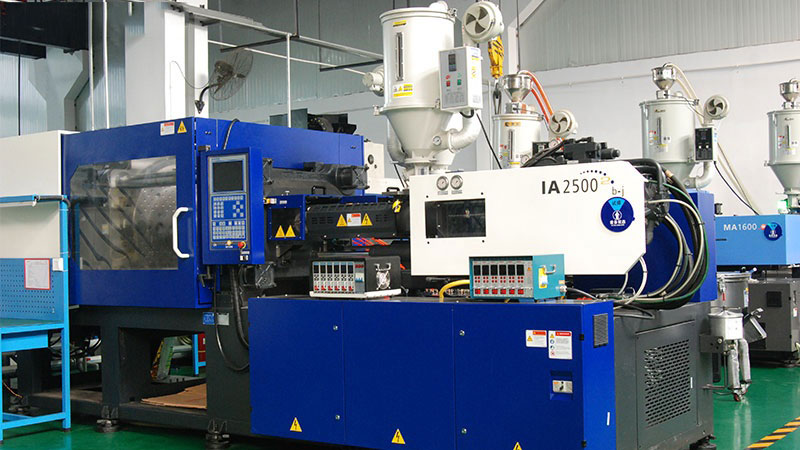
    The foundation of a successful import project lies not in finding the cheapest vendor, but in identifying a capable and reliable China mold factory. Begin your search with a focus on specialization. A supplier claiming to do everything often masters nothing. Look for manufacturers with proven expertise in your specific industry, whether it’s automotive components, medical devices, consumer electronics, or precision engineering. A deep portfolio of relevant projects is a stronger indicator than a long company history. Utilize B2B platforms for initial longlisting, but understand their limitations. True verification requires direct engagement. Before discussing your project in detail, request a virtual factory tour. This is non-negotiable in the modern sourcing process. A reputable supplier will readily showcase their facility, injection mold machining centers, molding presses, and quality lab. Observe the organization, technology level, and working environment. It provides invaluable context beyond a glossy brochure.

    Once you have a shortlist, rigorous supplier verification separates potential partners from risks. Move beyond basic business license checks. Investigate their export experience with your target market, as familiarity with your regional standards and compliance requirements is crucial. Request and actually contact references from past overseas clients, particularly those with similar part complexity. A critical, often overlooked step is assessing their engineering capability. The design for manufacturability (DFM) stage is where a great China mold factory adds immense value. Present them with your part design or concept and evaluate their DFM feedback. Do they proactively suggest material alternatives, gate locations, or wall thickness adjustments to improve moldability and reduce cost? Their questions and insights at this stage are a direct reflection of their technical proficiency and commitment to project success, not just order fulfillment.

    The heart of your project is the injection mold itself. Treating mold procurement as a commodity purchase is a primary reason for project failure. Clearly define and agree upon mold specifications, steel grade, cavity life expectancy, and maintenance protocols in a formal mold contract. This document should be separate from the parts purchase order. It should stipulate ownership, storage, and repair responsibilities. For initial sampling, a structured First Article Inspection (FAI) process is essential. Do not approve production based on a few hand-picked samples. Require a statistically significant sample run from the approved production mold. Measure all critical dimensions, test functionality, and validate material certifications. This step verifies both the part design and the mold’s capability before high-volume production commences. Investing time and resources here prevents exponential losses later.

    Implementing proactive quality control is your most powerful tool for ensuring consistency. Relying solely on pre-shipment inspections (PSI) is a reactive and often inadequate strategy. For 2026 and beyond, integrate quality checks at the source throughout the production cycle. This can be achieved through a dedicated third-party quality agency or, for strategic partners, by training and empowering the supplier’s own QC team with your specific checklists and measurement protocols. Key inspection points include material incoming checks, first-off production approval after mold setup, and during-production audits. For critical custom molded plastic parts, consider implementing process capability studies (CpK) for key dimensions to ensure statistical control. Furthermore, clear and documented packaging standards are part of quality control; damaged parts upon arrival are a failure of the process. Define packaging materials, carton markings, and palletization requirements to protect your investment in transit.

    Building a successful partnership for your custom molded plastic parts requires viewing your Chinese supplier as a strategic extension of your operations. Clear, consistent, and documented communication is paramount. Appoint a single point of contact on both sides and use shared platforms for drawings, revisions, and reports. Foster a collaborative, rather than purely transactional, relationship. Recognize cultural differences in business communication and be clear about your expectations and requirements. Finally, plan for the long term. The goal is not a single successful order, but a reliable supply chain pillar. Discuss future plans, technology upgrades, and how you can grow together. This strategic alignment incentivizes your supplier to invest in the relationship, prioritizing your projects and maintaining consistent quality.

    In conclusion, securing the best suppliers and ensuring unwavering quality for your custom molded plastic parts from China in 2026 demands a methodical, informed approach. It transitions from simple price comparison to a focus on technical partnership, rigorous verification, and embedded quality control. By specializing your search, vetting suppliers on engineering merit, mastering mold procurement, implementing in-process QC, and fostering strategic communication, you transform the inherent complexities of overseas sourcing into a sustainable competitive advantage. The result is a reliable pipeline of high-quality components that support your product innovation and market growth for years to come.

    Work With Us

    As a professional China mold manufacturer, we provide one-stop mold solution for overseas buyers.
    📞 Phone: +86-18605944639
    💬 WhatsApp: +8618605944639
    🌐 Website: bestmoldworks.com
    📧 Email: [email protected]
  • plastic mould manufacturers china: Reliable Manufactur 2026

    For overseas buyers, sourcing from plastic mould manufacturers in China represents a significant strategic advantage, offering unparalleled expertise, scalability, and cost efficiency. However, navigating this complex landscape to identify truly reliable partners can be daunting. The year 2026 brings evolved challenges and opportunities, where success hinges on a methodical, informed approach beyond simple price comparison. This guide provides actionable, professional insights to help you secure a high-quality injection mold and build a resilient, profitable supply chain.

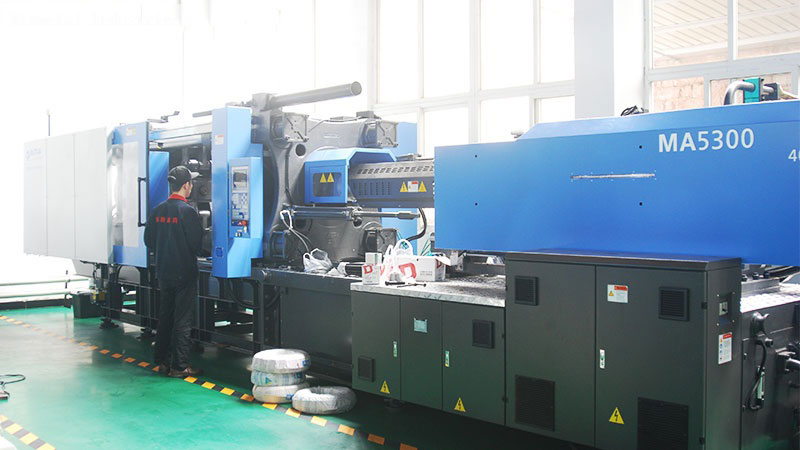
    The foundation of a successful import project lies in meticulous supplier verification. In 2026, digital presence is a starting point, not a finish line. Begin by shortlisting potential China mold factory candidates through detailed analysis of their websites, technical portfolios, and client testimonials. Look for manufacturers with documented experience in your specific industry, whether automotive, medical, consumer electronics, or packaging. The critical next step is to move beyond the screen. Insist on a live video tour of their facility. A reputable supplier will transparently showcase their workshop, machinery (look for modern CNC, EDM, and injection molding machines), and quality control stations. Verify business licenses and export credentials. Furthermore, request and contact past international clients. Direct references provide invaluable, unbiased insight into a manufacturer’s communication reliability, problem-solving ability, and adherence to schedules.

    Once a potential partner is identified, precision in technical communication becomes paramount. Ambiguity is the primary cause of mold defects, delays, and cost overruns. Develop a comprehensive and unambiguous Request for Quotation (RFQ). This must include not just part drawings (preferably 3D STEP files and 2D PDFs with GD&T), but also critical specifications: plastic material type, expected annual volumes, cavitation requirements, mold steel grade (such as 718H, S136), surface finish expectations, and lifecycle expectations. Clearly outline your post-mold requirements, such as sampling procedures and part validation reports. During discussions, confirm their capability in flow simulation (Moldflow analysis) and their standard mold design review process. A professional China mold factory will proactively ask detailed questions and suggest design for manufacturability (DFM) improvements to optimize part quality and mold longevity.

    A rigorous, staged quality control protocol integrated throughout the manufacturing process is non-negotiable for reliable procurement. Do not settle for a single pre-shipment inspection. Agree on defined checkpoints with your chosen plastic mould manufacturers in China. These typically include: a design review approval, steel material certification, first article inspection (FAI) after core and cavity machining, and a thorough tryout report from the initial sample shots. The T1 sample is your most critical checkpoint. Evaluate not just the part dimensions (using their CMM report and your own verification), but also the mold’s performance—cycle time, ejection, cooling efficiency, and any flash. Clearly define acceptable quality limits (AQL) for part defects. Consider engaging a trusted third-party quality inspection firm based in China for impartial audits at key stages. This proactive investment mitigates the severe risk of receiving a non-conforming mold, which is far more costly to rectify after shipment.

    The commercial and legal framework of your agreement safeguards your investment. A professional proforma invoice (PI) should detail every cost component: mold cost, material, hardening treatments, number of sample sets, and payment terms. The standard terms like 50% deposit and 50% before shipment are common, but for larger projects, negotiate milestones tied to design approval and T1 sample approval. Crucially, ensure the contract includes clear provisions for intellectual property (IP) protection, stating that all mold and part designs remain your exclusive property. Define warranty terms explicitly—what is covered (e.g., workmanship, major structural defects) and for what duration (often 1-2 years or a specified number of shots). Clarify responsibilities for mold repair and maintenance. Understanding Incoterms 2020 is essential; FOB is typical, giving you control over shipping and insurance. Ensure all documentation, including a detailed data pack (drawings, maintenance instructions), is part of the delivery.

    Building a sustainable partnership is the ultimate goal for 2026 and beyond. View your selected China mold factory not as a one-time vendor but as a technical extension of your team. Foster open, regular communication using tools like WeChat or email with photo/video updates. Plan a site visit if volume justifies it; the relationship built face-to-face is invaluable. Discuss future needs, as a reliable partner can efficiently manage mold modifications, family molds, or additional cavities as your business grows. Recognize and respect cultural differences in business communication, favoring clarity and patience. A manufacturer that feels valued as a partner is more likely to prioritize your projects, provide better support during troubleshooting, and offer favorable terms for ongoing collaboration.

    In conclusion, reliably importing an injection mold from China in 2026 is a highly achievable and advantageous endeavor when guided by a structured, diligent process. It transitions from a simple purchase to a managed project encompassing thorough supplier verification, unambiguous technical communication, staged quality control, and a solid commercial agreement. By implementing these professional strategies, overseas buyers can confidently tap into the sophisticated manufacturing ecosystem of Chinese plastic mould manufacturers, securing not just a tool, but a cornerstone for product quality and market success. The journey demands attention to detail, but the reward is a competitive edge built on a foundation of reliability and excellence.

    Work With Us

    As a professional China mold manufacturer, we provide one-stop mold solution for overseas buyers.
    📞 Phone: +86-18605944639
    💬 WhatsApp: +8618605944639
    🌐 Website: bestmoldworks.com
    📧 Email: [email protected]
  • custom molded plastic part: Best Suppliers & Quality C 2026

    For overseas buyers and procurement specialists, sourcing a custom molded plastic part represents a significant investment in both time and capital. The promise of China’s manufacturing ecosystem—combining advanced technical capabilities with competitive cost structures—is compelling. Yet, the path to a successful partnership with a China mold factory is often fraught with challenges, from supplier verification to consistent quality control. As we look toward 2026, the landscape is evolving, demanding a more strategic and informed approach. This guide provides actionable insights to navigate this complex market, ensuring you secure not just a price, but a reliable, high-quality supply chain for your injection mold and finished components.

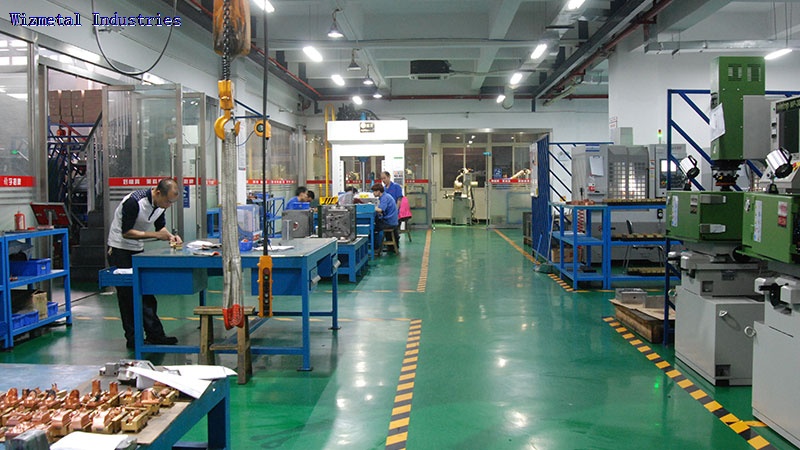
    The foundation of a successful import project lies in meticulous supplier verification. Moving beyond simple online directories or trade show contacts is non-negotiable. Begin by shortlisting manufacturers with demonstrable expertise in your specific industry, whether automotive, medical, consumer electronics, or industrial packaging. A credible China mold factory should readily provide a detailed company profile, client references (preferably from your region), and certifications like IATF 16949 for automotive or ISO 13485 for medical devices. The critical next step is a virtual or, ideally, in-person audit. Utilize video calls to conduct factory tours, inspect machinery (e.g., CNC, EDM, injection molding machines), and interview engineering staff. In 2026, transparency is the first true indicator of reliability; suppliers unwilling to showcase their operations openly should raise immediate concerns.

    Once a potential partner is identified, the technical and commercial dialogue begins. This phase is where clarity prevents costly errors. Provide a comprehensive request for quotation (RFQ) package that includes not just a 3D model, but also material specifications, expected annual volumes, cosmetic requirements (e.g., SPI finish standards), and critical-to-function dimensions. A professional supplier will analyze your design for manufacturability (DFM) and provide feedback. This DFM report is a vital litmus test—it reveals their engineering prowess and proactive approach to saving you time and money. Discuss the mold lifecycle: who owns the tooling, what are the payment terms (typically staggered across design approval, T1 sample, and mass production), and what is the protocol for mold maintenance and repair. Clear agreements here prevent disputes and ensure the longevity of your injection mold.

    The transition from approved design to first article inspection is the most critical juncture. Implementing a rigorous quality control protocol from the outset is what separates successful importers from those facing endless rectifications. Insist on a First Article Inspection Report (FAIR) for the initial samples (T1) from the injection mold. This should include a dimensional report using CMM (Coordinate Measuring Machine) data, material certification, and functional testing results. For ongoing production, define your Acceptable Quality Level (AQL) and require statistical process control (SPC) data from the production line. Partnering with a reputable third-party quality inspection service in China for pre-shipment inspections provides an essential unbiased layer of oversight. They can verify product quality, packaging, and documentation before shipment, mitigating the risk of receiving non-conforming goods. In the context of a custom molded plastic part, this proactive QC investment is non-negotiable for protecting your brand and bottom line.

    Looking ahead to 2026, the most forward-thinking suppliers are integrating sustainability and digital transparency into their offerings. Environmental regulations in your market may dictate requirements for recycled content, material traceability, or energy-efficient manufacturing. Inquire about a supplier’s capabilities in this area early in the process. Furthermore, the digitization of the supply chain is accelerating. Leading China mold factories now offer digital portals for real-time order tracking, document sharing, and even remote monitoring of production progress. This level of transparency not only builds trust but also streamlines communication across time zones. Embracing partners who invest in such technologies positions your procurement process for greater resilience and efficiency in the coming years.

    Securing a high-quality custom molded plastic part from China is a systematic process that rewards diligence and strategic partnership. It extends far beyond a simple price comparison to encompass thorough supplier verification, precise technical communication, and an uncompromising quality control framework. As the market advances toward 2026, aligning with manufacturers who demonstrate technical expertise, operational transparency, and a commitment to evolving standards in sustainability and digital integration will be paramount. By applying these actionable principles, overseas buyers can confidently build a robust and reliable supply chain, transforming the complexity of international procurement into a definitive competitive advantage for their business.

    Work With Us

    As a professional China mold manufacturer, we provide one-stop mold solution for overseas buyers.
    📞 Phone: +86-18605944639
    💬 WhatsApp: +8618605944639
    🌐 Website: bestmoldworks.com
    📧 Email: [email protected]
  • custom roto molding reviews: Expert Tips & Solutions 2026

    For overseas buyers, navigating the landscape of custom rotational molding in China presents a significant opportunity for cost-efficiency and scale, yet it is fraught with challenges that can turn a promising project into a costly lesson. The quest for reliable information often leads to searching for **custom roto molding reviews**, which, while helpful, only tell part of the story. As we look toward 2026, the dynamics of international procurement are evolving, demanding a more strategic and verified approach. This guide moves beyond simply reading reviews to providing a structured framework for success, focusing on actionable solutions for supplier verification, communication, and quality assurance tailored for the rotational molding process.

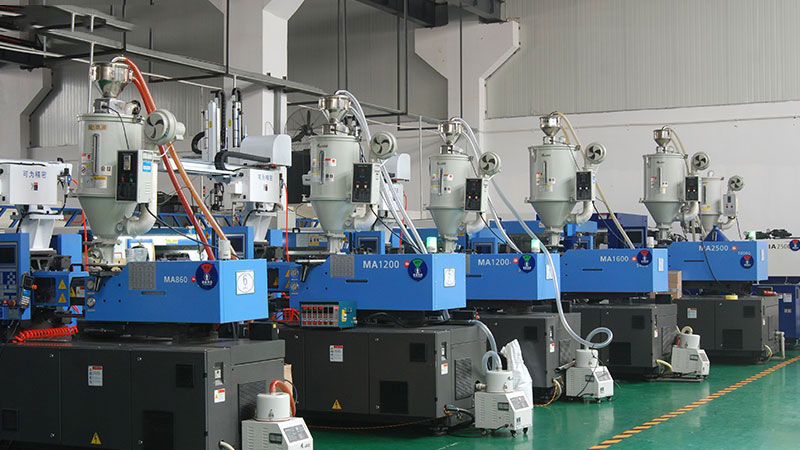
    The cornerstone of a successful import project is rigorous supplier verification, a step that must go deeper than a cursory glance at a **China mold factory**’s website or a handful of positive testimonials. In 2026, due diligence is multi-faceted. Start by verifying business licenses and export credentials. Then, leverage video conferencing to conduct virtual factory tours; insist on seeing their actual roto molding production floor, not just a showroom. Crucially, request and contact past overseas clients specifically for projects similar in complexity to yours. Ask detailed questions about mold design collaboration, material consistency, and post-sales support. Furthermore, distinguish suppliers who specialize in rotational molding from those for whom it is a side operation. A factory proficient in **injection mold** production may not possess the nuanced understanding of oven cycles, cooling, and wall thickness control critical to quality roto molding. This targeted verification separates true specialists from generalists.

    Once a potential partner is identified, mastering the technical and commercial dialogue is your next critical phase. Effective **procurement** in rotational molding hinges on specifications that are unambiguous and collaboratively developed. Provide comprehensive 3D CAD models and clearly outline material specifications (e.g., LLDPE, cross-linked PE), including required UV, chemical, or impact resistance. Discuss critical parameters like wall thickness, tolerances, and desired surface finish upfront. Be explicit about your quality control standards and required certifications (e.g., ISO, FDA for food-grade applications). During quotation analysis, look beyond the unit price. Scrutinize the mold cost breakdown, payment terms (avoiding excessive upfront payments), and logistics responsibilities (Incoterms). A professional supplier will engage in this dialogue, asking clarifying questions and offering constructive design-for-manufacturability (DFM) feedback to optimize your part for the rotational molding process, ultimately saving cost and preventing defects.

    The most common pitfall for overseas buyers is the assumption that a good mold equals good parts. In rotational molding, the process is the product. Therefore, implementing proactive **quality control** (QC) is non-negotiable. Your agreement must stipulate staged inspection points. The first is the First Article Inspection (FAI) after mold trial. Require detailed reports with measurements, photographs, and samples shipped to you for evaluation. The second key point is during pre-shipment inspections. Either employ a trusted third-party inspection service located near the factory or plan for your own representative to visit. They should check not just dimensions, but also material properties (color, density), structural integrity (bubbles, warpage), and cosmetic appearance. Establish Acceptable Quality Level (AQL) standards for production runs. This layered QC approach ensures issues are caught at the source, long before a container arrives at your port, where rejection becomes exponentially more expensive and time-consuming.

    Intellectual property (IP) protection remains a paramount concern, and strategies have matured heading into 2026. While absolute guarantees are complex, you can create strong legal and practical deterrents. Begin with a robust Non-Disclosure Agreement (NDA) and a manufacturing contract governed by a mutually acceptable international arbitration body. Within the contract, explicitly state that all molds, designs, and tooling are your exclusive property. Physically mark your molds with your company name and a unique serial number. Most reputable factories understand that their long-term business relies on trust and will agree to these terms. Additionally, consider diversifying your production by having different components made at separate, vetted suppliers to mitigate risk. This legal and practical framework demonstrates professionalism and significantly reduces the likelihood of IP misuse.

    Finally, view your relationship with a Chinese roto molder as a strategic partnership, not a one-off transaction. Building this partnership involves clear, consistent communication and planning for the long term. Establish regular update schedules and use collaborative project management tools to track progress. Invest time in understanding cultural nuances in business communication. For sustained success, discuss future product development and volume forecasts with your supplier; this can lead to better pricing and prioritized scheduling. A partner invested in your growth will provide better support for mold maintenance, storage, and future modifications. This forward-thinking approach transforms a supplier into an extension of your own manufacturing capabilities, ensuring resilience and adaptability for years to come.

    In conclusion, while researching **custom roto molding reviews** is a sensible starting point, the real-world solutions for 2026 demand a proactive, systematic, and partnership-oriented strategy. The journey from supplier verification and technical procurement to ironclad quality control and IP protection defines the success of importing molds from China. By moving beyond price as the sole deciding factor and focusing on the specialized expertise of your **China mold factory**, you secure not just a cost advantage, but also reliability, quality, and innovation. Embrace these expert tips to build a transparent and productive supply chain, turning the complexity of overseas manufacturing into your most powerful competitive edge.

    Work With Us

    As a professional China mold manufacturer, we provide one-stop mold solution for overseas buyers.
    📞 Phone: +86-18605944639
    💬 WhatsApp: +8618605944639
    🌐 Website: bestmoldworks.com
    📧 Email: [email protected]
  • import mold from China: Professional Buying Guide 2026

    For global manufacturers and product developers, sourcing tooling from China remains a strategic move to balance cost, capability, and speed to market. The process to import mold from China, however, is fraught with complexities that can turn a promising venture into a costly ordeal. This guide is designed to cut through the noise, offering a professional, actionable roadmap for overseas buyers in 2026. We move beyond generic advice to solve the real problems you face in supplier verification, technical communication, quality control, and logistics. By following this structured approach, you can transform your procurement process into a reliable, value-driven partnership.

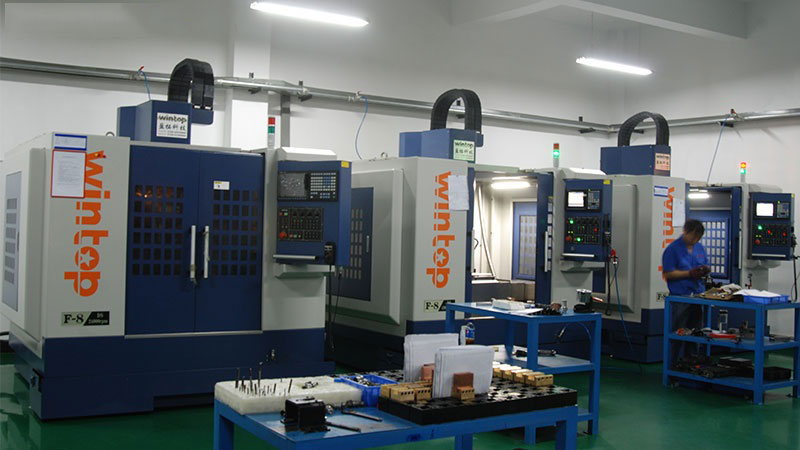
    The foundational step, and arguably the most critical, is rigorous supplier verification. The term “China mold factory” encompasses a vast spectrum, from world-class automated facilities to rudimentary workshops. Your first task is to discern the difference. Begin with a deep due diligence process that goes beyond Alibaba storefronts. Verify business licenses, and insist on audited financial reports for larger orders. In 2026, digital verification tools are indispensable. Use video conferencing to request live, unedited factory tours; focus on their machine park (look for Swiss, German, or Japanese CNC, EDM, and injection molding machines), their floor cleanliness, and their quality lab. Crucially, ask for and contact past overseas clients. A reputable supplier will have a portfolio of successful long-term international partnerships. This phase is not about finding the cheapest bidder, but identifying a competent partner whose capabilities align precisely with your project’s technical requirements and volume expectations.

    Once a potential partner is identified, precise technical and commercial procurement protocols must be established. Ambiguity here is the root cause of most project failures. Your Request for Quotation (RFQ) package must be exhaustive. For an injection mold, this includes not just 3D part files (STEP or IGS), but also detailed 2D drawings with GD&T tolerances, material specifications (including grade and supplier preferences), expected cavitation, lifetime cycles, and a clear definition of the mold trial process. Specify the mold base standard (DME, HASCO, or LKM) and steel grade (e.g., P20, H13, S136). Commercial terms must be crystal clear: break down the price into mold cost, sample cost, and unit cost. Define payment terms (e.g., 30-50% deposit, 40% after first article inspection, 10% after final approval) and use secure, traceable payment methods. A professional contract should cover intellectual property ownership, warranty terms (typically 12-18 months on workmanship and materials), and liability clauses. This meticulous documentation aligns expectations and provides a legal framework for the engagement.

    Proactive and staged quality control is non-negotiable. You cannot inspect quality into a mold; it must be built into the process. The most effective strategy employs a third-party quality inspection agency for key milestones, especially if you cannot station your own engineer on-site. Critical inspection points include: the first article inspection of the mold steel material certification, the T1 sample from the initial mold trial, and the pre-shipment audit. For the T1 samples, the inspection report should be comprehensive, covering part dimensions (against your CAD), appearance (sink marks, weld lines, flash), and functionality. It should also document the mold trial parameters (injection pressure, temperature, cycle time) for future production consistency. Demand a Data Molding Sheet with each sample batch. This disciplined QC approach shifts the relationship from adversarial fault-finding to collaborative problem-solving, ensuring the final tool meets your specifications before it ever leaves the factory.

    The final logistical and partnership phase ensures your investment is protected and future-ready. Understand the Incoterms 2020 thoroughly; for high-value tooling, FOB or EXW terms are common, giving you control over the international freight and insurance. Ensure the mold is properly prepared for shipping: cleaned, sprayed with anti-rust oil, and securely packed in a custom wooden crate. All critical documentation—final drawings, maintenance manuals, steel certificates, and the signed sample approval report—should be shipped with the tool. The journey does not end at delivery. A professional China mold factory will support you through initial production runs. Plan for a post-launch review to discuss any teething issues. Furthermore, discuss their data retention policy for your mold design; this is crucial for future repairs, modifications, or duplications. Building this long-term perspective into the initial agreement turns a transactional purchase into a strategic asset.

    To successfully import mold from China in 2026 requires a blend of traditional procurement diligence and modern digital verification tools. It is a process built on clear communication, enforced through structured quality gates, and sustained by viewing the supplier as a technical partner. By mastering the steps of supplier verification, detailed procurement, staged quality control, and strategic logistics, you mitigate the inherent risks and unlock the significant advantages the Chinese mold-making industry offers. The goal is not merely to buy a tool, but to secure a reliable, high-quality production asset that delivers competitive advantage for years to come.

    Work With Us

    As a professional China mold manufacturer, we provide one-stop mold solution for overseas buyers.
    📞 Phone: +86-18605944639
    💬 WhatsApp: +8618605944639
    🌐 Website: bestmoldworks.com
    📧 Email: [email protected]
  • plastic injection moulding factory near me: Complete Pr 2026

    For overseas buyers, the search for a “plastic injection moulding factory near me” often leads to a critical realization: true competitive advantage and scalability frequently lie in partnering with specialized manufacturers abroad, particularly in China. However, transitioning from a local supplier search to importing precision tooling from a different continent is a significant undertaking. This guide is designed to demystify that process. We will move beyond simple directory listings to provide a structured, actionable 2026 procurement framework. Your goal is not just to find a China mold factory, but to systematically identify, verify, and collaborate with a partner that delivers exceptional value, quality, and reliability.

    The core challenge in 2026 is no longer about finding a list of potential suppliers—the internet solved that. The real task is efficient filtration and risk mitigation. The market is vast, with capabilities ranging from boutique workshops to fully automated industrial giants. A haphazard approach can lead to costly delays, substandard tooling, and production nightmares. This guide reframes your search from “plastic injection moulding factory near me” to “how do I build a verified, high-performance supply chain for injection molds in China?” The following sections provide the concrete steps to answer that question, ensuring your procurement strategy is robust, transparent, and results-driven.

    Conducting Deep-Domain Supplier Verification

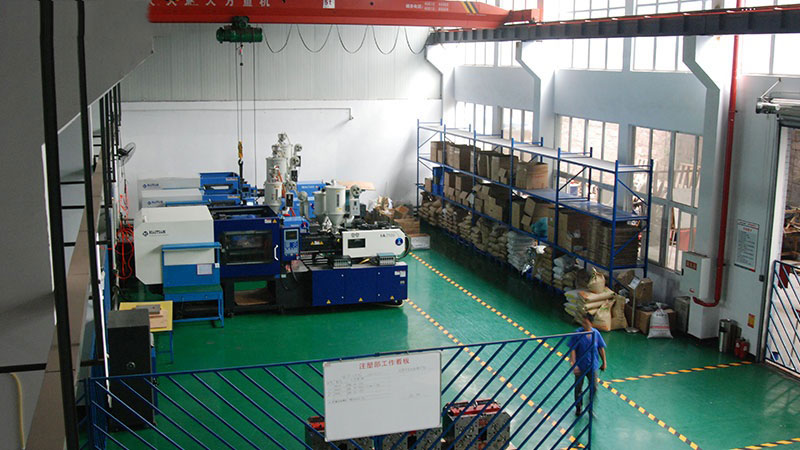
    The first and most crucial step is moving beyond superficial checks. In 2026, verification means due diligence that mirrors an audit. Start by scrutinizing the factory’s specialization. A supplier claiming to do everything may master nothing. Examine their portfolio: do they have proven experience with your specific material (e.g., engineering-grade plastics, LSR) and part complexity? Utilize video verification tours; a reputable China mold factory will readily conduct a live walkthrough of their CNC, EDM, and quality control labs. Demand evidence of international standards compliance, not just claims. Verify business licenses via third-party platforms and check for consistent export history. Crucially, contact their existing overseas clients. A confident supplier will provide references. This phase is about replacing uncertainty with documented capability, ensuring the injection mold producer has the technical depth your project requires.

    Mastering Technical Communication and RFQ Precision

    Ambiguity is the primary source of cost overruns and quality disputes. Your Request for Quotation (RFQ) package must be a comprehensive technical bible. Beyond a 3D CAD file, include a fully detailed specification sheet: material grade, critical tolerances, surface finish requirements (SPI standards), expected cavitation, lifetime cycle expectations, and post-molding requirements. Specify the mold steel grade (e.g., P20, H13, S136) and any special treatments. When discussing the project, use visual aids—annotated screenshots, competitor samples, or even simple sketches. Assume nothing. Clarify who is responsible for mold flow analysis (MFA) and who bears the cost for design-for-manufacturability (DFM) adjustments. Precise communication at this stage aligns expectations, allows for accurate comparative quoting, and establishes a foundation of professional respect. It transforms the procurement process from a price negotiation to a technical collaboration.

    Implementing Tiered Quality Control Milestones

    Quality cannot be inspected into a finished mold; it must be built into every process. Your agreement must stipulate clear, tiered inspection points with release-for-next-stage approvals. Key milestones include: 1) **Design Review:** Approve the final mold design and MFA report before steel is cut. 2) **First Article Inspection (FAI):** Upon mold completion, before trial, verify all dimensions and materials against the CAD and spec sheet. 3) **Trial Run Witnessing:** Ideally, you or a hired third-party inspector should witness the initial mold trials. Evaluate part quality, cycle time, and ease of operation. 4) **Pre-shipment Audit:** Final check of the finished mold and documentation, including a sample batch of parts. Each stage should have a formal sign-off. This phased approach prevents major, costly surprises at the end, allowing for minor corrections throughout the build. It shifts your role from passive buyer to active project manager.

    Navigating Logistics, IP Protection, and Total Cost Analysis

    The final hurdle involves securing your investment and ensuring smooth delivery. For Intellectual Property (IP), a robust NNN Agreement (Non-Use, Non-Disclosure, Non-Circumvention) tailored to Chinese contract law is more effective than a standard Western NDA. Register your design patents in China if the part is highly unique. Regarding logistics, decide on Incoterms 2020 clearly—FOB is common, giving you control over shipping and insurance. Factor in all ancillary costs: mold cost, trial run charges, shipping, import duties, and potential spare parts. The cheapest mold price can become the most expensive if it leads to premature failure or production downtime. Your chosen partner should be transparent about these costs and assist with commercial invoice and packing list documentation for smooth customs clearance.

    Conclusion

    The journey to import high-quality injection molds from China is a structured process of verification, communication, and control. By re-engineering your search from a localized “plastic injection moulding factory near me” to a strategic, global procurement operation, you unlock significant advantages in cost, capability, and scalability. The 2026 landscape rewards buyers who are diligent investigators, clear communicators, and proactive managers. The complete procurement process outlined here—from deep supplier verification and precise RFQs to tiered quality control and savvy logistics planning—provides the blueprint for building a successful, long-term partnership with a Chinese injection mold supplier. Embrace this framework to transform geographical distance into your greatest competitive strength.

    Work With Us

    As a professional China mold manufacturer, we provide one-stop mold solution for overseas buyers.
    📞 Phone: +86-18605944639
    💬 WhatsApp: +8618605944639
    🌐 Website: bestmoldworks.com
    📧 Email: [email protected]

  • mold manufacturer china: Reliable Manufacturers Guide 2026

    For overseas buyers, the decision to import molds from China represents a significant strategic advantage, offering unparalleled cost efficiency and manufacturing scalability. However, navigating the vast landscape of suppliers to identify a truly reliable partner remains a formidable challenge. This guide for 2026 cuts through the noise, providing a professional, actionable framework for procurement. We will move beyond simple directory listings to focus on modern verification processes and quality control protocols essential for securing a profitable, long-term partnership with a competent China mold factory.

    Mastering Supplier Verification in the Digital Age

    The initial search for a mold manufacturer in China has evolved. While platforms like Alibaba remain starting points, they are no longer sufficient for deep verification. In 2026, due diligence must be multi-layered. Begin with a comprehensive digital audit. Scrutinize the supplier’s professional website for detailed case studies, technical whitepapers, and client testimonials from your region. Use international business verification services to check legal registration and financial standing. Crucially, leverage video conferencing for virtual factory tours; a reputable supplier will readily showcase their shop floor, machinery brands (e.g., DMG Mori, Sodick), and quality lab in real-time. This step filters out trading companies and under-equipped workshops, ensuring you engage with a genuine manufacturer capable of handling your project’s specific demands, whether it’s a complex multi-cavity injection mold or a large-scale production tool.

    Defining Technical Specifications and Communication Protocols

    Ambiguity is the primary cause of cost overruns and project failure. Before requesting quotes, invest time in creating a meticulous Technical Specification Sheet. This document must go beyond part drawings and include full mold design requirements: steel grade (e.g., P20, H13, SS420), cavity surface finish (SPI standards), tolerance levels, cooling channel layout, ejection system design, and expected cycle life. Specify all deliverables: 3D mold design for approval, DFM (Design for Manufacturability) report, mold flow analysis results, and sample parts from the production tool. Establishing a clear communication protocol is equally vital. Insist on a dedicated project manager from the China mold factory who is fluent in technical English. Define regular update schedules, approved communication channels (e.g., email, WeChat, project management software), and the format for progress reports, including photos and videos of key milestones like steel material certification, T1 sample trials, and inspection reports.

    Implementing Stage-Gate Quality Control and Inspection

    Relying solely on final inspection is a high-risk strategy. The modern approach is to integrate quality control at every critical stage of the mold manufacturing process. Implement a Stage-Gate payment and approval system. Key inspection points should include: raw material certification, core/cavity machining completion, mold assembly, and first article inspection (FAI) of T1 samples. For high-value projects, partnering with a reputable third-party inspection company in China for critical stage inspections is a wise investment. They can perform on-site checks for hardness, dimensions using CMM, and surface finish, providing an unbiased report before you approve progression to the next stage. This proactive approach prevents major defects from being discovered only after the mold is shipped, saving substantial time and cost on rework.

    Navigating Logistics, IP Protection, and Long-Term Partnership

    Securing a well-made mold is only part of the journey. A reliable mold manufacturer china will also provide expert guidance on logistics, including proper mold packaging, crating, and shipping terms (Incoterms 2020). Ensure you understand responsibilities for customs clearance in your country. Intellectual Property (IP) protection is a paramount concern. A professional supplier will sign a comprehensive NDA and Mold Ownership Agreement before any design work begins. This contract should explicitly state that all design, tooling, and associated IP remain your exclusive property. Viewing this procurement as the start of a partnership, not a transaction, yields long-term benefits. A trustworthy manufacturer will maintain mold maintenance records, offer spare part support, and be your go-to partner for future mold modifications or new projects, ensuring consistent part quality for years to come.

    Conclusion

    Importing molds from China in 2026 demands a blend of rigorous verification, precise technical communication, embedded quality control, and strategic legal foresight. By moving beyond price-centric selection and adopting the structured, professional approach outlined in this guide, overseas buyers can significantly mitigate risk and unlock the full value proposition of Chinese mold manufacturing. The goal is to transform a complex procurement process into a streamlined, reliable partnership with a China mold factory that delivers not just a tool, but consistent quality, innovation, and competitive advantage for your production line. Start your next project with this framework, and build a supply chain foundation that is robust, transparent, and built for the future.

    Work With Us

    As a professional China mold manufacturer, we provide one-stop mold solution for overseas buyers.
    📞 Phone: +86-18605944639
    💬 WhatsApp: +8618605944639
    🌐 Website: bestmoldworks.com
    📧 Email: [email protected]

  • create custom molds: Ultimate Guide for Buyers 2026

    For overseas businesses, the decision to create custom molds in China represents a significant strategic advantage, offering unparalleled cost efficiency and manufacturing scalability. However, the path from concept to a perfect, production-ready mold is fraught with potential complexities. Navigating a different business culture, verifying technical capabilities, and ensuring consistent quality from thousands of miles away are real challenges. This guide is designed specifically for you, the international buyer, cutting through the noise to provide a clear, actionable roadmap for successful mold procurement in 2026. We will move beyond basic supplier lists to focus on the practical strategies that mitigate risk and build profitable, long-term partnerships with Chinese mold factories.

    The journey begins long before you request a quotation. Comprehensive project definition is your most powerful tool for clarity and cost control. To create custom molds successfully, you must provide your potential China mold factory with exhaustive documentation. This includes not just 3D CAD files (STEP or IGS formats are preferred) but also detailed 2D drawings with critical tolerances, surface finish specifications (SPI standards), and material selection for the final plastic or metal parts. Furthermore, include expected annual volumes, cycle time targets, and the type of injection molding machine you plan to use. This level of detail prevents assumptions, allows for accurate quoting, and demonstrates your professionalism, which in turn attracts serious suppliers. A well-defined request for proposal (RFP) is the first filter in separating responsive partners from those who may cut corners.

    With a clear project brief, the critical phase of supplier verification begins. In 2026, due diligence goes far beyond checking a website. Start by verifying business licenses and export credentials. Then, leverage video calls to conduct virtual factory tours; insist on seeing live workshops, not curated presentations. Pay close attention to their equipment—modern CNC machines, EDM, and CMMs are essential for precision. Request and contact references from their existing overseas clients, specifically asking about communication, problem-solving, and post-sales support. Crucially, discuss their project management structure: who will be your single point of contact? Do they have English-speaking project managers or engineers? A reliable partner will be transparent and proactive during this stage, viewing your scrutiny as a sign of a serious buyer.

    The technical and commercial negotiation is where expertise truly matters. When evaluating quotes, remember that the lowest price is often the most expensive in the long run. Scrutinize what is included: is mold flow analysis (MFA) part of the service? How many revisions are allowed? What are the payment terms—30/70 or more progressive milestones? A secure, traceable payment method like Letter of Credit (L/C) or platforms like Escrow.com is advisable. The contract must explicitly state all technical specifications, approval procedures for design reviews (DFM) and first article inspection (FAI), warranty period (typically 1-2 years or a set number of shots), and liability terms. Clarify ownership of the mold design and tooling. This formal agreement protects both parties and sets clear expectations.

    Proactive quality control is non-negotiable for overseas procurement. Do not wait until shipment to inspect the final product. Implement staged inspections: a first inspection after the steel is cut to verify materials, a second during mold trial (T1) to approve part samples, and a final pre-shipment inspection (PSI). For critical projects, hiring a local third-party quality inspection agency to conduct these checks provides an objective, expert eye. They can verify dimensions on a CMM, test assembly, and check surface finishes against your master sample. Furthermore, ensure you receive comprehensive documentation with the mold: final inspection reports, material certificates, and detailed maintenance instructions. This disciplined approach to QC safeguards your investment and prevents costly production delays upon arrival.

    Effective communication and logistics planning finalize the process. Establish regular update schedules with your China mold factory, using shared project management tools or simple weekly email summaries with photos and videos. Discuss and agree on packaging—molds require robust, waterproof wooden crates with proper internal cushioning. Decide on shipping terms (FOB, EXW, CIF) in advance and work with a reputable freight forwarder experienced in handling industrial machinery. Ensure all customs documentation, including a detailed commercial invoice and packing list with harmonized system (HS) codes, is accurately prepared by the supplier to avoid clearance delays in your country. A smooth logistical handover is the culmination of all your careful planning.

    To create custom molds in China successfully in 2026 demands a shift from being a simple purchaser to an informed project manager. The landscape is competitive, but the rewards for diligent buyers are substantial: high-quality tooling at compelling prices that can define your product’s market success. By mastering the steps of meticulous project definition, rigorous supplier verification, contract clarity, staged quality control, and managed logistics, you transform geographical distance from a liability into an advantage. The ultimate goal is to forge a partnership with a China mold factory that is not just a vendor but a seamless extension of your own production team, driving innovation and efficiency for years to come.

    Work With Us

    As a professional China mold manufacturer, we provide one-stop mold solution for overseas buyers.
    📞 Phone: +86-18605944639
    💬 WhatsApp: +8618605944639
    🌐 Website: bestmoldworks.com
    📧 Email: [email protected]

  • custom molds reviews: Best Suppliers & Quality Control 2026

    For overseas buyers, the decision to import molds from China represents a significant strategic advantage, offering unparalleled cost efficiency and manufacturing scalability. However, the path to a successful procurement outcome is often obscured by a critical lack of transparent information. Simply searching for a “China mold factory” yields countless options, but discerning which partners will deliver on promises of precision, durability, and timely delivery is the real challenge. This is where the concept of informed **custom molds reviews** becomes your most valuable tool. This guide is designed to move beyond superficial ratings, providing a structured 2026 framework for supplier verification and quality control that empowers you to make confident decisions and secure a competitive edge.

    The foundation of a successful import project lies not in finding a supplier, but in verifying the right one. In 2026, due diligence must be deeper than a website portfolio. Begin by scrutinizing a factory’s specialization. A manufacturer proficient in large automotive panels may not be optimal for high-precision medical components. Demand evidence through detailed case studies and request contact information for past international clients. Utilize video call factory tours to inspect machinery, workshop organization, and gauge engineering capability in real-time. Crucially, verify business licenses and export credentials. This proactive procurement approach transforms you from a passive buyer into an informed partner, separating marketing claims from manufacturing competence.

    Once a potential partner is identified, the technical dialogue commences. This stage is where quality is either designed in or compromised. Professional Chinese mold makers expect and respect detailed inquiries. For an **injection mold**, discuss core materials—such as pre-hardened steel, H13, or stainless steel—specified for your production volume and material. Inquire about their standard tolerances, cooling channel design, and surface finish processes. Present a comprehensive product design with a fully reviewed 3D file and material specifications. A competent factory will provide a Design for Manufacturability (DFM) report, highlighting potential issues and suggesting optimizations for cost and performance. Their responsiveness and technical suggestions during this phase are a more reliable indicator than any static online review.

    The most critical phase, often where projects falter, is executing a robust quality control protocol. Do not leave inspection solely to the supplier’s final check. Implement a multi-stage QC plan. First, insist on in-process photos and videos at key milestones: material certification, core and cavity machining, electrical discharge machining (EDM) texturing, and assembly. Second, for injection molds, mandate a sample trial run (T1) at the factory. The mold should produce samples using production-intent material. Third, engage a trusted third-party quality inspection service to perform a pre-shipment inspection. They will verify dimensions against your drawings, test mold functionality, and document finish. This layered approach provides objective **custom molds reviews** at the source, preventing costly surprises upon arrival at your facility.

    Effective supplier management extends beyond the first successful delivery. Building a reliable supply chain requires viewing your mold factory as a long-term partner. Establish clear communication protocols and a single point of contact for technical and project management. Discuss terms for mold maintenance, repair, and future modifications. A supplier invested in a lasting relationship will be more proactive in support. Furthermore, stay informed on industry trends within China, such as the increasing adoption of Industry 4.0 smart manufacturing for process monitoring and the growing expertise in multi-material and high-speed molding technologies. This forward-looking perspective ensures your partnerships remain competitive and technologically aligned.

    In conclusion, navigating the landscape of Chinese mold manufacturing in 2026 demands a systematic and vigilant approach. The quest for the best suppliers is ultimately a process of rigorous verification, technical collaboration, and uncompromising quality control. By moving beyond generic searches and implementing the structured steps outlined—from deep-dive supplier verification and technical co-engineering to multi-stage inspections and partnership building—you transform inherent risks into a definitive strategic advantage. Let this framework serve as your essential guide, ensuring that your next procurement project results not just in a mold, but in a durable, high-performance asset that drives your product’s success in the global market.

    Work With Us

    As a professional China mold manufacturer, we provide one-stop mold solution for overseas buyers.
    📞 Phone: +86-18605944639
    💬 WhatsApp: +8618605944639
    🌐 Website: bestmoldworks.com
    📧 Email: [email protected]

  • Mold for ABS parts: Best Suppliers & Quality Control 2026

    For overseas buyers and procurement specialists, sourcing a high-precision mold for ABS parts represents a critical investment. Getting it right unlocks cost efficiency, scalability, and product quality. Getting it wrong leads to protracted delays, budget overruns, and flawed production. As we look toward 2026, the Chinese manufacturing landscape remains the global epicenter for mold making, but navigating it requires updated strategies and rigorous diligence. This guide cuts through the noise to provide actionable insights for identifying the best suppliers and implementing ironclad quality control for your next injection mold project.

    The foundation of a successful import begins long before the first steel block is cut. It starts with precise supplier verification. The term “China mold factory” encompasses a vast spectrum, from highly automated giants to specialized workshops. Your first task is to align your project’s complexity, volume, and tolerance requirements with a factory’s proven capabilities. Start by scrutinizing their portfolio for specific experience with ABS components. ABS, while common, has specific flow and cooling characteristics; a supplier familiar with its nuances will design appropriate gating, cooling channels, and venting. Demand to see case studies or samples of similar complexity, focusing on surface finish, part consistency, and assembly fit. Utilize video calls for virtual factory tours, paying close attention to their machine park—look for modern CNC, EDM, and high-speed milling equipment—and their mold trial area, which indicates a commitment to testing before shipment.

    Once a shortlist of potential partners is established, the focus shifts to the technical and commercial blueprint: the quotation and design phase. A professional China mold factory will not provide a price based solely on a 3D part file. They should engage in a Design for Manufacturability (DFM) review. This collaborative process is where significant value is added and future problems are prevented. A competent engineer will analyze your part design, suggesting draft angles, wall thickness uniformity, rib design, and potential sink mark locations specific to ABS material. They should provide a detailed mold structure proposal, specifying mold base standards (LKM, HASCO, or DME), steel grade selection (such as P20, 718, or S136 for corrosion resistance), cavity count, and ejection system design. The quotation should be transparent, breaking down costs for materials, labor, machining, and trials. Beware of suspiciously low bids; they often signal corner-cutting on steel quality, component standards, or engineering rigor.

    The heart of securing a reliable mold for ABS parts lies in a proactive, multi-stage quality control protocol. Passive hope is not a strategy. For overseas buyers, establishing clear QC milestones is non-negotiable. First, insist on a First Article Inspection (FAI) report for the finished mold cavity and core. This involves 3D scanning or CMM measurement to verify all critical dimensions match the approved drawings. Second, and most crucial, is the mold trial (T1) stage. You must receive actual injection-molded samples from the production material, not just substitute resins. The trial report should include documented parameters (injection speed, pressure, temperatures, cycle time) and high-resolution photos of the samples. Ideally, hire a local third-party QC agent to witness the trial, assess part appearance, measure critical dimensions, and perform basic assembly tests. This on-ground verification provides an objective assessment before the mold leaves the factory.

    Preparing for shipment and fostering a long-term partnership are the final, often overlooked, steps. Prior to shipping, ensure all agreements are documented. This includes final approval of samples, a comprehensive spare parts list (including spare heaters, thermocouples, and ejector pins), and detailed mold maintenance manuals. The contract should clearly state warranty terms, covering workmanship and material defects for a defined period, typically 12-24 months. Discuss post-sales support: how will they handle technical queries or minor design revisions? A supplier interested in a lasting relationship will be responsive and solution-oriented. For the 2026 landscape, also consider a supplier’s digital maturity—can they provide real-time production updates or use collaborative project management tools? This transparency significantly reduces the friction of remote procurement.

    In conclusion, importing a high-quality injection mold for ABS parts from China in 2026 is a highly viable and strategic move, but its success hinges on a disciplined, informed approach. It transcends simply finding a low-cost provider; it is about identifying a competent technical partner through rigorous supplier verification and then managing the process with hands-on quality control at every critical juncture. By investing time in thorough due diligence, engaging deeply in the DFM process, insisting on witnessed mold trials with actual ABS material, and formalizing post-sales support, you transform a complex procurement challenge into a competitive advantage. The result is not just a tool, but a robust foundation for efficient, high-quality production that will deliver value for years to come.

    Work With Us

    As a professional China mold manufacturer, we provide one-stop mold solution for overseas buyers.
    📞 Phone: +86-18605944639
    💬 WhatsApp: +8618605944639
    🌐 Website: bestmoldworks.com
    📧 Email: [email protected]