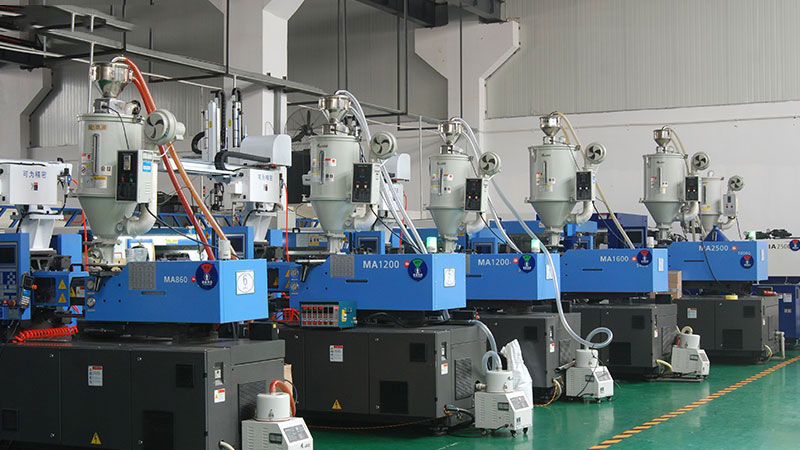
Blog

  • custom plastic molding services near me: Reliable Manu 2026

    For businesses and engineers seeking “custom plastic molding services near me,” the local search often reveals limitations in capability, cost, or scalability. This realization is a pivotal moment in the procurement journey, leading many to look overseas. China, as the world’s manufacturing hub, presents an unparalleled opportunity for high-quality, cost-effective custom molds and parts. However, navigating this landscape requires a strategic shift from local sourcing to global partnership. This guide is designed for overseas buyers, providing actionable insights to transform the challenge of importing molds from China into a reliable competitive advantage for 2026 and beyond.

    The core of successful import lies in moving beyond a simple vendor search to a thorough supplier verification process. A “China mold factory” listing online is just a starting point. Your first actionable step is to conduct deep due diligence. This goes beyond checking a business license. Request detailed company profiles, ask for evidence of experience with projects similar in size, complexity, and industry to yours. A professional supplier will readily provide case studies or references. Utilize video calls to conduct virtual factory tours; insist on seeing their machining centers, EDM equipment, and quality control labs in real-time. Verify their export experience by asking for records of successful shipments to your region. This foundational step filters out trading companies masquerading as manufacturers and identifies partners with the genuine capability to deliver your specific injection mold.

    Once a potential partner is verified, mastering the technical and commercial communication phase is critical. The phrase “injection mold” encompasses a vast range of technologies. Be exceptionally clear in your Request for Quotation (RFQ). Provide not just a 3D file, but a comprehensive package including material specifications, expected annual volumes, tolerance requirements, surface finish expectations, and a detailed mold flow analysis if possible. Discuss the mold steel grade (e.g., P20, H13, S136) suitable for your production volume and plastic material. A professional factory will engage with these details, asking clarifying questions and offering constructive suggestions for design for manufacturability (DFM) improvements. Their responsiveness and technical dialogue at this stage are strong indicators of their expertise and commitment to a successful project, far more telling than a simple low-price quote.

    Implementing a robust quality control framework from the outset is non-negotiable. For overseas buyers, physical distance makes proactive quality management essential. Define and agree upon a Quality Inspection Plan before order confirmation. This plan should mandate staged inspections with documented evidence. Critical checkpoints typically include a First Article Inspection (FAI) after the steel is machined, a Trial Run Report with samples from the finished mold, and a Final Random Inspection before shipment. Specify that reports must include high-resolution photos and videos of critical features, CMM reports for dimensional checks, and material certificates. For higher-value projects, consider engaging a trusted third-party quality inspection service located near the factory to act as your eyes on the ground. This structured approach transforms quality control from a hopeful expectation into a managed, contractual process.

    The logistics of procurement extend beyond the factory gate. A reliable partner understands that their responsibility includes ensuring the mold reaches you in perfect condition. Discuss packaging specifications explicitly; molds should be securely mounted in wooden crates with proper rust prevention. Clarify incoterms (like FOB or EXW) to define responsibilities and costs for shipping and insurance. Ensure all documentation—commercial invoice, packing list, bill of lading, and customs declarations—is accurate and professionally prepared to prevent delays at your port. Furthermore, discuss post-sales support. Will they store your mold? What are the terms for mold modification or repair? A forward-thinking supplier plans for the entire lifecycle of the tool, ensuring your long-term success and transforming a transaction into a lasting partnership.

    In conclusion, the search for “custom plastic molding services near me” ultimately leads to a global solution where reliability is built, not found. By meticulously verifying your China mold factory, engaging in detailed technical procurement discussions, enforcing a rigorous quality control protocol, and planning for seamless logistics, you construct a supply chain that is both competitive and dependable. The goal for 2026 is not merely to find a supplier but to establish a collaborative manufacturing partnership that drives innovation, controls costs, and ensures consistent quality. With this strategic approach, importing custom plastic injection molds from China becomes a powerful, reliable pillar of your business growth.

    Work With Us

    As a professional China mold manufacturer, we provide one-stop mold solution for overseas buyers.
    📞 Phone: +86-18605944639
    💬 WhatsApp: +8618605944639
    🌐 Website: bestmoldworks.com
    📧 Email: [email protected]
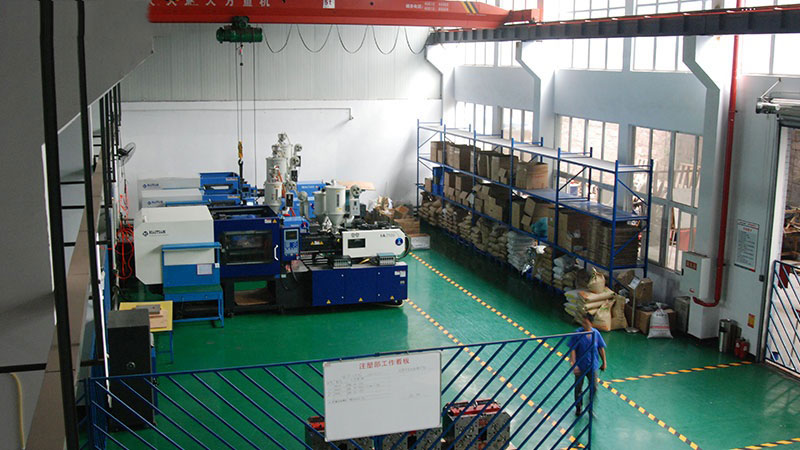
  • pet preform mold manufacturers in china: Expert Tips & 2026

    For overseas buyers in the beverage packaging industry, sourcing high-quality PET preform molds is a critical strategic decision. China remains the global epicenter for precision mold manufacturing, offering a compelling combination of advanced engineering, scalable production, and cost efficiency. However, navigating this vast market to identify truly reliable partners requires a methodical approach. This guide provides expert, actionable tips for 2026, designed to help you mitigate risks, ensure quality, and build a successful, long-term supply chain with proficient **pet preform mold manufacturers in china**.

    The complexity of a PET preform mold—encompassing hot runner systems, high-precision cavities, and demanding cycle time requirements—means that not every **China mold factory** is equipped for the task. The challenge for international procurement teams is to cut through the noise, verify technical capabilities, and establish robust quality protocols from the outset. A failed mold project leads to costly production delays, quality inconsistencies in your preforms, and ultimately, downtime on your blowing lines. This blog addresses these real-world problems directly, offering a clear roadmap for your procurement journey.

    Conducting Deep Supplier Verification and Capability Assessment

    The first and most crucial step transcends simple online searches. Initial supplier shortlisting should be followed by a rigorous verification process. Start by requesting detailed case studies of past PET preform mold projects, specifically asking for cavity counts, cycle times achieved, and the brands served (with confidentiality respected). A competent **pet preform mold manufacturers in china** will readily provide this. Next, insist on a live video tour of their facility. During this tour, focus on their workshop for **injection mold** assembly and testing. Look for dedicated, temperature-controlled clean rooms for final assembly, the presence of high-end CNC and EDM machines, and, critically, ask to see their mold testing presses. Verify if they have machines capable of running production-equivalent tests with actual PET material to validate cycle time and preform quality before shipment.

    Implementing a Proactive and Transparent Quality Control Framework

    Quality cannot be an afterthought; it must be engineered into the process through agreed-upon checkpoints. Move beyond a simple “final inspection” mentality. Work with your chosen **China mold factory** to establish a staged Quality Control (QC) plan with milestones like Design Review Approval (DRA), First Article Inspection (FAI) of critical components, and a Pre-Shipment Sample Testing (PSST) run. For the PSST, define clear acceptance criteria: dimensional accuracy of preforms (weight, wall thickness, neck finish), visual inspection criteria for sinks and flashes, and most importantly, documented cycle time data from a 24-hour continuous test run. Providing your potential supplier with this structured QC framework at the quotation stage is an excellent filter; reputable manufacturers will welcome the clarity, while others may falter.

    Mastering the Technical and Commercial Dialogue

    Effective **procurement** of such specialized tooling demands technical fluency. Prepare a comprehensive and unambiguous Request for Quotation (RFQ). This should include not just part drawings but also detailed technical specifications: target cycle time, expected annual production volume, preferred hot runner system brand (e.g., Husky, Yudo, Mold-Masters), steel grades for cavities and cores (e.g., Stavax, NAK80), and required certifications (e.g., ISO 9001). This precision prevents misunderstandings and allows for accurate, comparable quotes. During negotiations, focus on total lifecycle cost, not just the initial mold price. Discuss terms for warranty (typically 12-18 months for workmanship and materials), the cost and lead time for spare parts like gates and seals, and the availability of ongoing technical support. Clarifying these points upfront prevents unexpected costs and ensures operational continuity.

    Planning for Logistics, IP Protection, and Long-Term Partnership

    The process does not end with a successful sample approval. Consider the logistics of shipping a heavy, high-precision asset. Discuss packaging standards (often wooden crates with desiccant) and Incoterms thoroughly. For Intellectual Property (IP) protection, a well-drafted Non-Disclosure Agreement (NDA) and a product confidentiality agreement are essential legal prerequisites before sharing any design data. View the initial project as the foundation of a partnership. A reliable supplier will be interested in your long-term production plans and can become a strategic ally, advising on design for manufacturability improvements for future projects and providing swift support for maintenance. Establishing clear communication channels and periodic review meetings will solidify this relationship.

    Conclusion

    Sourcing PET preform molds from China in 2026 presents a significant opportunity for cost optimization and access to world-class manufacturing expertise. The key to unlocking this potential lies in a disciplined, detail-oriented approach centered on deep **supplier verification**, embedded **quality control** processes, and clear technical communication. By moving beyond price as the sole deciding factor and investing time in evaluating the true capability and reliability of your potential partner, you transform **procurement** from a transactional risk into a strategic advantage. The goal is to identify a **China mold factory** that operates not just as a vendor, but as a seamless extension of your own production engineering team, delivering molds that perform reliably on your factory floor for years to come.

    Work With Us

    As a professional China mold manufacturer, we provide one-stop mold solution for overseas buyers.
    📞 Phone: +86-18605944639
    💬 WhatsApp: +8618605944639
    🌐 Website: bestmoldworks.com
    📧 Email: [email protected]
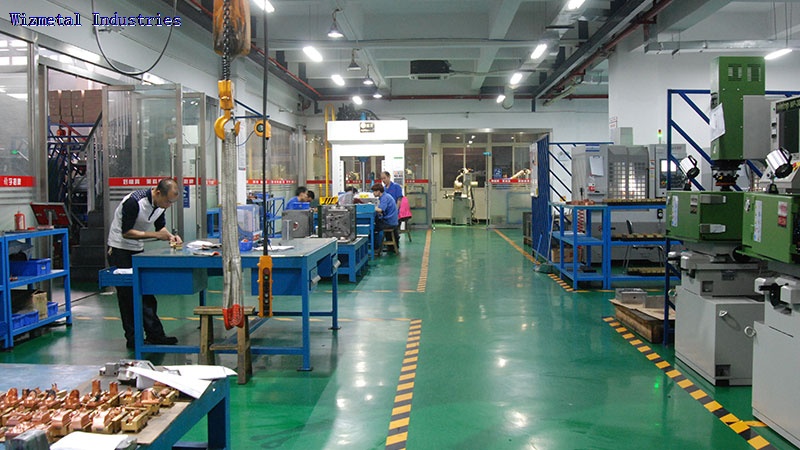
  • custom molding: Best Suppliers & Quality Control 2026

    For overseas buyers, the decision to import molds from China represents a significant opportunity for cost efficiency and manufacturing scalability. However, navigating the vast landscape of suppliers to secure high-quality, reliable custom tooling can be a complex challenge. As we look toward 2026, the dynamics of procurement are evolving, placing greater emphasis on strategic partnership and verifiable quality control. This guide provides actionable, professional insights to help you identify the best China mold factory partners and implement robust quality assurance protocols for your injection mold projects.

    The foundation of a successful custom molding project lies in meticulous supplier verification. Moving beyond simple online directories, a proactive, multi-layered vetting process is non-negotiable. Begin with a deep-dive into the supplier’s specialization. A factory claiming to make “all molds” may lack the specific expertise needed for your complex, tight-tolerance injection mold. Prioritize suppliers with a proven portfolio in your industry, whether automotive, medical, consumer electronics, or packaging. Subsequently, insist on a virtual or, ideally, in-person facility audit. Utilize video calls to inspect workshop organization, machinery brands (e.g., German or Japanese CNC, EDM), and measuring equipment. Crucially, verify their internal quality management certifications; a genuine IATF 16949 certification for automotive or ISO 13485 for medical molds is a far stronger indicator than a generic ISO 9001. Finally, request and contact at least three references from long-term overseas clients to discuss their experiences with communication, problem-solving, and post-sales support.

    Once a potential partner is shortlisted, mastering the technical and commercial dialogue is critical. The quotation phase is your first test of their professionalism. Be wary of abnormally low bids, which often signal corner-cutting on material quality, machining time, or engineering rigor. Provide a comprehensive and clear Request for Quotation (RFQ) package: include 3D CAD models (STEP or IGS format), 2D drawings with full GD&T tolerancing, material specifications (e.g., pre-hardened steel, H13, stainless steel), expected cavitation, and lifetime expectations. A reputable China mold factory will respond with a detailed breakdown, not a single lump sum. This breakdown should itemize mold base, core/cavity materials, machining costs, and trial run charges. Furthermore, discuss and agree upon a stage-gate payment plan—a common and fair structure is 30-40% deposit, 40% after T1 sample approval, and the balance before shipment. This aligns incentives and maintains cash flow control.

    The single most effective strategy to mitigate risk in your custom molding procurement is to implement in-process quality control, not just final inspection. Insist on a documented Quality Control Plan (QCP) at the project’s outset. This plan should mandate critical checkpoints with evidence sent to you for review. Key stages include: material certification for the steel, photos or videos of the finished mold cavity surfaces before assembly, and a full dimensional inspection report of the first article parts from the T1 trial. For precision injection molds, coordinate measuring machine (CMM) reports and mold flow analysis simulations are essential deliverables. Partner with a reliable third-party inspection company in China to conduct Pre-Shipment Inspections (PSI) or, better yet, several During Production Inspections (DPI). An inspector can verify heat treatment hardness, check for proper venting and cooling channel design, and witness the trial run, measuring parts and documenting process parameters. This proactive approach identifies issues while the mold is still at the factory, where corrections are fastest and most affordable.

    Building a successful relationship transcends the initial transaction. View your chosen supplier as a strategic partner in your supply chain. Clear, consistent, and documented communication is vital. Appoint a single point of contact on both sides and use collaborative platforms for sharing drawings and approvals. Encourage transparency regarding any delays or technical hurdles. For ongoing projects, discuss their capacity for mold maintenance, repair, and future modifications. A partner invested in a long-term relationship will be more motivated to ensure the initial custom molding project excels. Furthermore, stay informed on industry trends within China. By 2026, leading mold factories are increasingly integrating smart manufacturing technologies, such as IoT-enabled machining for real-time monitoring and AI-driven process optimization for injection molding. Suppliers adopting these advancements can offer greater consistency, traceability, and potentially longer mold life.

    In conclusion, securing the best suppliers and ensuring impeccable quality control for your custom molding projects in China by 2026 requires a blend of diligent verification, technical clarity, proactive monitoring, and partnership ethos. The landscape is competitive, but by moving beyond price-centric selection and implementing the structured approaches outlined—from rigorous supplier verification to in-process quality checks—you can transform perceived risk into a formidable competitive advantage. The goal is not merely to purchase a mold but to establish a reliable, transparent, and technically proficient manufacturing extension. By doing so, you secure not only a high-quality injection mold but also a foundation for efficient, scalable production for years to come.

    Work With Us

    As a professional China mold manufacturer, we provide one-stop mold solution for overseas buyers.
    📞 Phone: +86-18605944639
    💬 WhatsApp: +8618605944639
    🌐 Website: bestmoldworks.com
    📧 Email: [email protected]
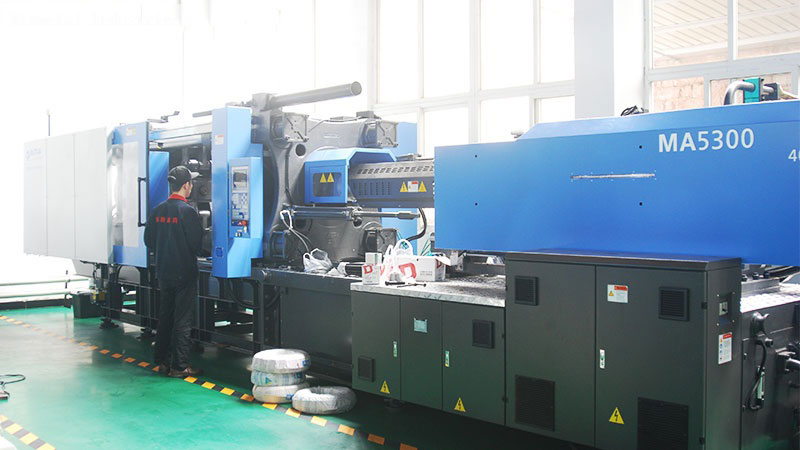
  • injection mold China factory: Professional Buying Guide 2026

    For overseas buyers, sourcing an injection mold from a international manufacturer represents a significant strategic decision. It offers unparalleled potential for cost efficiency and scalable production, yet the path is often perceived as complex, fraught with risks concerning quality, communication, and reliability. This 2026 professional buying guide is designed to demystify the process. We move beyond generic advice to provide actionable, current strategies for engaging with an injection mold China factory, ensuring your procurement journey is calculated, transparent, and successful. This guide focuses on solving the real problems you face: finding a truly capable partner, verifying their credentials, safeguarding quality, and managing the project effectively from quotation to delivery.

    The foundational step, and perhaps the most critical, is precise supplier identification and verification. The term “China mold factory” encompasses a vast spectrum, from rudimentary workshops to world-class manufacturing facilities. Your first task is to align the factory’s capabilities with your project’s specific requirements. Begin with a detailed Request for Quotation (RFQ) that includes not just part drawings, but material specifications, expected annual volumes, tolerance requirements, and desired mold life. Use this detailed RFQ to filter respondents. In 2026, verification goes beyond a website visit. Utilize video calls to request live virtual factory tours; observe the shop floor organization, the level of automation in CNC and EDM departments, and their quality control lab. Check for relevant industry certifications and, crucially, ask for and contact references from their existing overseas clients. This proactive verification separates marketing from capability.

    Once a shortlist of potential partners is established, the focus shifts to technical and commercial clarity. A professional injection mold China factory will provide a comprehensive mold design review before proceeding. Insist on this step. It is during the design phase that potential issues with manufacturability, part ejection, cooling efficiency, and gate location are resolved. Discuss and agree upon all critical components: mold base standards, steel grade, hot runner system brand, and the lifecycle of the mold. Commercially, understand the payment terms. A standard but secure structure is 30-40% deposit, 40-50% after T1 sample approval, and the balance before shipment. Ensure the contract explicitly states what is included: number of trial runs, sample parts, mold warranty period, and ownership of design files. Clear agreements prevent costly misunderstandings.

    Managing quality control remotely is the paramount concern for every overseas buyer. The solution lies in a structured, multi-stage inspection protocol, not in hoping for the best. Define Quality Inspection Points with your supplier. Critical stages include: a pre-production check of the raw mold steel material certificates, an initial trial run evaluation, and a final pre-shipment inspection. For high-value molds, engaging a reputable third-party quality inspection firm based in China for the Final Random Inspection is a wise investment. They will check mold dimensions, part conformity to CAD data, and part functionality. Furthermore, require high-definition photos and videos of the mold trials, focusing on part appearance, ejection, and any issues. This documented evidence allows for informed approval and provides a record for future maintenance. Effective quality control is systematic, not sporadic.

    The final phase encompasses logistics, intellectual property protection, and long-term partnership. Discuss Incoterms 2020 clearly—FOB is common, but understand your responsibilities. Ensure the injection mold is properly packaged for ocean freight, with critical surfaces protected from corrosion. Regarding Intellectual Property, a well-drafted Non-Disclosure Agreement and clear IP clauses in your contract are essential. Work with a factory that respects this; their willingness to sign robust agreements is a sign of professionalism. Finally, view this procurement as the start of a partnership. A reliable China mold factory is an asset for future projects and ongoing mold maintenance. Clear communication channels, documented change orders, and mutual respect transform a transactional purchase into a strategic supply chain advantage.

    Successfully importing an injection mold from a China-based manufacturer in 2026 is a process defined by diligent preparation, transparent communication, and verified trust. It requires moving beyond price-centric selection to a value-driven partnership model. By meticulously verifying your supplier, insisting on technical collaboration, implementing rigorous remote quality control, and formalizing all agreements, you mitigate the inherent risks. The goal is not merely to purchase a tool, but to secure a production-ready asset that delivers consistent, high-quality parts for years. With this professional guide as your framework, you are equipped to navigate the market confidently, turning the global opportunity of sourcing from an injection mold China factory into a competitive advantage for your business.

    Work With Us

    As a professional China mold manufacturer, we provide one-stop mold solution for overseas buyers.
    📞 Phone: +86-18605944639
    💬 WhatsApp: +8618605944639
    🌐 Website: bestmoldworks.com
    📧 Email: [email protected]
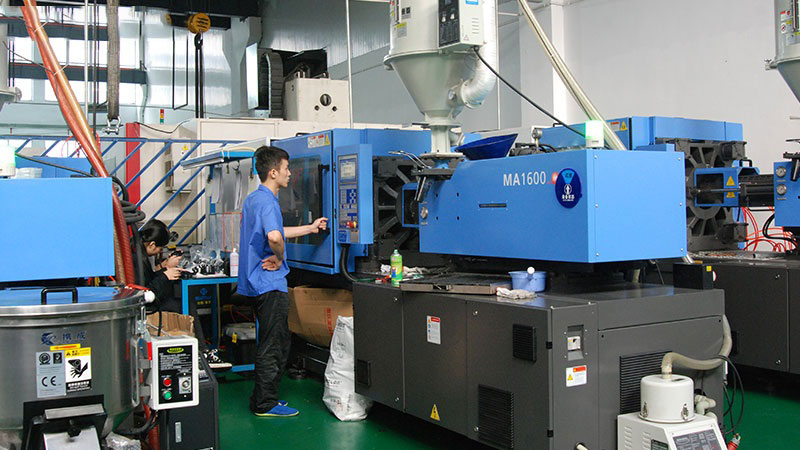
  • mold manufacturer china: Expert Tips & Solutions 2026

    For overseas buyers, partnering with a mold manufacturer in China remains a strategic move for achieving significant cost savings, accessing extensive manufacturing capabilities, and accelerating product development cycles. However, the landscape is evolving rapidly. The challenges of 2026 are less about finding a supplier and more about identifying the right, reliable partner in a sea of options while navigating new technological and logistical complexities. This guide provides actionable, forward-looking solutions to the real problems you face, ensuring your procurement journey is efficient, secure, and successful.

    The cornerstone of any successful import project is rigorous supplier verification. Moving beyond Alibaba listings and website claims is non-negotiable. In 2026, due diligence must be multi-layered. Start with a deep dive into the China mold factory’s specializations. Do they have proven expertise with your specific material (e.g., high-temperature plastics, liquid silicone rubber) and product type? Request and meticulously review a portfolio of past projects, paying close attention to industries with standards comparable to yours. Utilize third-party verification services to check business licenses, export history, and credit reports. Crucially, insist on a live video tour of their facility. This allows you to assess their machinery (look for modern CNC, EDM, and injection molding machines), workshop organization, and quality control stations in real-time, verifying their operational scale and professionalism firsthand.

    Once a potential partner is shortlisted, mastering the technical and commercial negotiation phase is critical. Clear, unambiguous communication of your specifications is paramount. Provide a comprehensive package including 3D CAD files (STEP or IGS), 2D drawings with GD&T, material specifications, and expected production volumes. For injection mold projects, discuss key factors like cavitation, mold flow analysis plans, and cycle time targets upfront. When discussing price, understand the breakdown. A suspiciously low quote often sacrifices steel quality (e.g., using pre-hardened steel instead of hardened tool steel for long runs), cooling efficiency, or critical components like brand-name ejector pins and hot runner systems. In 2026, contracts must be detailed. They should cover IP protection clauses, milestone payment schedules (e.g., 30% deposit, 40% after T1 sample approval, 30% before shipment), delivery timelines with penalties for delays, and protocols for handling design changes (ECN process).

    Proactive quality control, integrated from the start, is your primary defense against costly failures. The era of waiting for the final sample is over. Engage your chosen mold manufacturer china in a collaborative QC process. Mandate and review a Design for Manufacturability (DFM) report and mold flow analysis before steel is cut. This pre-emptive step identifies potential filling, warping, or sinking issues. Establish clear Inspection and Test Plans (ITP) for critical stages: steel material certificates, cavity and core inspection reports, and pre-shipment sample approvals. For T1 samples, conduct a thorough first-article inspection (FAI) against your drawings. Consider engaging a local third-party quality inspection firm for an impartial assessment during the trial run and before container loading. This layer of oversight provides objective assurance that the injection mold meets all agreed specifications.

    The final hurdle, logistics and post-delivery support, is often underestimated. Clarify incoterms explicitly. FOB Shenzhen is common, but understand all charges up to the port of loading. For delicate, high-value molds, invest in professional export crating—not just a wooden box, but a customized, shock-absorbent case with proper desiccant to prevent rust during transit. Ensure the supplier provides a complete mold kit: detailed 2D drawings, a list of spare parts (including supplier codes for critical components), maintenance manuals, and setup instructions. Discuss post-sales support terms. Will they provide remote troubleshooting? What is the warranty period for workmanship and repairs? A reliable partner views the relationship as long-term, offering support to ensure the mold performs optimally in your production facility.

    In conclusion, successfully importing molds from China in 2026 demands a shift from a simple price-focused procurement exercise to a strategic partnership built on verification, communication, and controlled collaboration. By implementing these expert tips—conducting multi-faceted supplier verification, negotiating with technical clarity, embedding quality control throughout the process, and planning for seamless logistics and support—you significantly de-risk your project. The goal is to transform the inherent complexities of overseas sourcing into a competitive advantage, securing not just a tool, but a durable asset from a competent China mold factory. Your diligence in selecting and managing the right mold manufacturer in China is the definitive factor between a problematic venture and a prosperous, long-term supply chain solution.

    Work With Us

    As a professional China mold manufacturer, we provide one-stop mold solution for overseas buyers.
    📞 Phone: +86-18605944639
    💬 WhatsApp: +8618605944639
    🌐 Website: bestmoldworks.com
    📧 Email: [email protected]

  • custom mold cost: Ultimate Guide for Buyers 2026 | China Mold Factory

    Navigating the landscape of custom mold manufacturing in China presents a significant opportunity for overseas buyers to achieve substantial cost savings without compromising on quality. However, the journey from concept to a finished, high-precision mold is fraught with complexities that directly impact your bottom line. The quoted custom mold cost is rarely a simple figure; it is a culmination of engineering decisions, material choices, and process controls. This ultimate guide for 2026 is designed to demystify the procurement process, providing you with actionable strategies to engage with a China mold factory effectively, secure transparent pricing, and ensure the final product meets your exact specifications. Understanding the variables at play is the first step toward a successful and cost-effective partnership.

    A foundational rule in mold procurement is that upfront clarity prevents costly downstream changes. The single most effective way to control your custom mold cost is to invest time in perfecting your design and technical requirements before soliciting quotations. Incomplete or ambiguous drawings are the primary cause of budget overruns and project delays. Provide potential suppliers with a comprehensive package including fully detailed 3D CAD files (STEP or IGS), 2D drawings with critical tolerances and surface finish specifications, and a clear material selection for the final plastic parts. Furthermore, include expected annual volumes, cycle time targets, and any certification requirements (e.g., ISO 9001). When every China mold factory bids on the same, precise information, you receive comparable quotes, allowing you to make decisions based on value and expertise rather than navigating confusing apples-to-oranges comparisons.

    The process of supplier verification is your most critical risk mitigation step. In 2026, due diligence extends far beyond reviewing a website or a glossy brochure. For serious procurement, initiate a video conference to conduct a virtual factory tour. Observe the workshop environment, the level of technology (e.g., EDM, CNC machines, CMM), and the organization of ongoing projects. Request and contact references from past overseas clients, specifically those in your industry. Scrutinize their quality control protocols—do they have a dedicated QC department? What in-process inspection reports will they provide? A reputable China mold factory will be transparent about its capabilities and limitations. Remember, the lowest quoted custom mold cost can become the most expensive if it comes from a supplier lacking the technical skill to execute your design, leading to mold reworks, production delays, and faulty parts.

    Once you have shortlisted competent partners, understanding the quotation breakdown is essential. A professional mold quote should be a detailed line-item cost analysis, not a single lump sum. Key components include mold base material and size, core and cavity steel grade (e.g., P20, H13, Stainless), complexity of machining (number of side-actions, lifters, texture), and the scope of standard components (hot runner system vs. cold runner). This transparency allows you to identify potential areas for value engineering. For instance, could a slightly different steel grade extend mold life without a drastic price increase? Is a hot runner system justified by your production volume? Discussing these elements with your supplier demonstrates professionalism and fosters collaboration, often leading to optimized solutions that balance performance, durability, and initial investment.

    Proactive quality control integrated throughout the manufacturing cycle is non-negotiable. Agree on a milestone-based inspection and communication plan before work begins. Critical checkpoints typically include a design review after mold flow analysis, material certification upon steel purchase, and first article inspection after the mold is trialed. Insist on receiving detailed reports with photos and data from each stage. For the initial sampling, coordinate the production of T1 samples at the China mold factory. These first shots should be thoroughly inspected against your master sample or CAD data. Many experienced buyers engage a third-party inspection service within China for the final pre-shipment audit to provide an unbiased assessment. This layered QC approach ensures issues are identified and resolved before the mold is shipped, saving immense costs and headaches associated with returning a mold overseas for rework.

    In conclusion, mastering the procurement of an injection mold from China in 2026 is a strategic exercise in detailed preparation, rigorous verification, and collaborative management. The true measure of cost extends beyond the initial purchase price to encompass the mold’s performance, longevity, and the quality of the parts it produces. By defining your requirements with precision, conducting thorough supplier verification, analyzing quotes for value, and implementing a robust quality control framework, you transform the process from a transactional purchase into a strategic partnership. This disciplined approach empowers you to leverage the manufacturing prowess of a qualified China mold factory, securing not just a competitive custom mold cost, but a reliable asset that will drive your production success for years to come.

    Work With Us

    As a professional China mold manufacturer, we provide one-stop mold solution for overseas buyers.
    📞 Phone: +86-18605944639
    💬 WhatsApp: +8618605944639
    🌐 Website: bestmoldworks.com
    📧 Email: [email protected]

  • plastic injection molding factory near me: Best Suppli 2026

    For overseas buyers, the search for a “plastic injection molding factory near me” often ends with the realization that the most competitive solutions are not geographically close, but are instead found across the globe in China. The Chinese manufacturing ecosystem offers unparalleled advantages in cost, scalability, and technical capability for injection mold production and part manufacturing. However, navigating this landscape to find a truly reliable partner requires a strategic, informed approach. This guide is designed to move you from generic searches to actionable procurement strategies, ensuring your project in 2026 benefits from a best-in-class China mold factory while mitigating the inherent risks of long-distance supply chain management.

    The core challenge is not simply finding a manufacturer, but verifying a capable and trustworthy partner. The initial online search phase is critical. Move beyond basic directories and leverage industry-specific platforms like Global Sources or Made-in-China, but with a refined tactic. Focus your search on suppliers who explicitly showcase engineering capabilities, such as mold flow analysis simulations, quality control lab certifications, and detailed case studies. A professional China mold factory will transparently display its equipment list, including CNC, EDM, and injection molding machine tonnage ranges. This technical depth in their self-presentation is your first filter, separating marketing-oriented agents from genuine manufacturing entities.

    Once a shortlist is created, rigorous supplier verification must commence. This step transcends checking business licenses. Initiate a video conference call and request a real-time virtual factory tour. Observe the shop floor organization, machinery condition, and ask to see their quality control area and measuring instruments. Demand concrete evidence of experience with projects similar to yours in material, complexity, and industry. Request contact information for two or three existing overseas clients and follow up with them. Inquire about communication responsiveness, problem-solving during tooling debug, and post-sales support. Furthermore, verify their export experience by asking for a sample proforma invoice to understand their familiarity with shipping terms and documentation. This due diligence is the bedrock of a successful partnership.

    The heart of a successful import project lies in uncompromising quality control protocols, established before the first piece of steel is cut. Your agreement with the injection mold supplier must include a detailed Quality Inspection Plan. This plan should define critical checkpoints: First Article Inspection after initial sample shots, Dimensional Reports using CMM or 3D scanning at the mold trial stage, and Pre-Shipment Inspection for mass production parts. Clearly specify the standards, such as SPI mold finish classifications, part tolerances per ASTM D3641, and material certification requirements. For high-volume or critical parts, investing in a third-party inspection service like SGS or Bureau Veritas for an on-site audit during the Trial Run is a prudent safeguard. This structured approach transforms quality from an expectation into a verifiable, documented process.

    Effective procurement strategy also involves mastering the commercial and logistical framework. Be precise in your Request for Quotation. Provide not just a 3D file, but a comprehensive package including material specification, annual volume forecasts, expected mold lifespan, and clear part acceptance criteria. This allows for accurate, comparable quotes. Understand the cost breakdown: mold cost is separate from part price. Discuss payment terms strategically; a common and balanced structure is 50% deposit to commence mold fabrication, 40% upon approval of trial samples, and 10% before shipment. For logistics, work with the factory to decide between EXW, FOB, or CIF terms, and engage a reliable freight forwarder experienced in handling mold shipments to manage customs clearance at your destination port efficiently.

    Building a relationship with your chosen plastic injection molding factory near me in spirit, if not in geography, is the final key to long-term success. View them as a technical extension of your team. Schedule regular update meetings during the mold manufacturing process. Use collaborative tools for sharing drawings and revisions. Cultivate clear, respectful communication to bridge any cultural gaps. A reliable partner in China is an asset that can drive innovation and cost savings for years. By investing time in the selection and onboarding process, you effectively create a dedicated, high-quality manufacturing arm halfway around the world, making the distance irrelevant.

    In conclusion, sourcing an injection mold from China in 2026 demands a shift from a simple buyer mentality to a project management and partnership-building mindset. The journey involves targeted supplier discovery, meticulous verification, ironclad quality control integration, savvy commercial negotiation, and proactive relationship management. By implementing these actionable steps, you transform the daunting prospect of overseas procurement into a competitive advantage. The optimal “plastic injection molding factory near me” for cost, quality, and capability may very well be located in China, and with this disciplined approach, you can confidently import with precision and build a supply chain that ensures product excellence and business growth.

    Work With Us

    As a professional China mold manufacturer, we provide one-stop mold solution for overseas buyers.
    📞 Phone: +86-18605944639
    💬 WhatsApp: +8618605944639
    🌐 Website: bestmoldworks.com
    📧 Email: [email protected]

  • injection molding machine manufacturer in china: Prof 2026

    For overseas buyers, the decision to import molds from China remains one of the most impactful strategies for achieving cost efficiency and scaling production. However, the landscape is evolving rapidly. Simply finding a low-cost **China mold factory** is no longer a guarantee of success or profitability. The true challenge, and opportunity, for 2026 and beyond lies in strategic partnership and technical synergy, particularly with your chosen **injection molding machine manufacturer in China**. This guide cuts through the noise to provide actionable, professional insights for securing not just a mold, but a competitive advantage.

    The core of a successful **injection mold** project extends far beyond the mold cavity itself. It hinges on the intimate relationship between the mold design and the machine that will bring it to life. A misalignment here—in tonnage, shot capacity, platen size, or control systems—can lead to catastrophic delays, flawed parts, and evaporated savings. Therefore, your procurement process must integrate machine compatibility from the very first discussion. The most reliable Chinese manufacturers understand this symbiosis and will proactively address it, transforming your procurement from a transactional order into a technical collaboration.

    Conducting rigorous supplier verification is your first and most critical line of defense. In 2026, this moves past basic business license checks. For a manufacturer claiming to be a proficient **injection molding machine manufacturer in China**, you must validate their technical depth. Request detailed case studies that show a complete process: part design, mold engineering, machine selection, and final production. Use video calls to conduct virtual factory tours; insist on seeing their machine park in operation. Pay close attention to the brands and models of injection molding machines they operate. A factory running a range of modern, well-maintained machines from reputable brands (both domestic and international) signals an investment in precision and stability, which directly translates to the quality of the molds they build for those machines.

    Integrating quality control protocols from the design phase is non-negotiable. A professional partner will employ Design for Manufacturability (DFM) analysis not in isolation, but with specific machine parameters in mind. They should advise on gate locations, cooling channel design, and ejection methods that are optimized for the type and make of machine that will be used for mass production. This is where semantic keywords like **procurement** and **quality control** merge into a single process. Your purchase order should mandate milestone inspections tied to machine-relevant criteria. For instance, a First Article Inspection (FAI) report should include data from a trial run on a production-standard machine, not just a bench test. This verifies cycle time, part consistency, and the mold’s performance under real-world operating conditions, ensuring the mold is not just well-made, but perfectly tuned for its intended application.

    Navigating communication and intellectual property protection requires clear, documented processes. Professional manufacturers expect and respect formal procedures. Utilize detailed technical datasheets, non-disclosure agreements (NDAs), and product drawings with controlled revision levels. When discussing projects, always reference specific machine specifications. Instead of “a mold for a plastic housing,” specify “a mold for a PA6 GF30 housing, optimized for a 280-ton hydraulic machine with a specific screw design for engineering plastics.” This level of detail filters out less capable shops and aligns your partner with your technical requirements. It demonstrates that you are a knowledgeable buyer, which in turn commands a higher level of service and respect for your project’s integrity.

    Planning for the total cost of ownership, not just the initial price, is the hallmark of strategic sourcing. The cheapest mold from a generic **China mold factory** can become the most expensive asset if it causes constant downtime, requires excessive maintenance, or produces inconsistent parts on your injection molding machines. When evaluating proposals, factor in the manufacturer’s commitment to after-sales support. Will they provide comprehensive mold maintenance manuals? Do they offer readily available spare parts for wear components? A true partner, especially a skilled **injection molding machine manufacturer in China** that also produces molds, will understand the long-term operational interplay between the tool and the machine. They will design for durability and serviceability, ultimately protecting your production line’s efficiency and your bottom line far into the future.

    In conclusion, profitable mold importation in 2026 demands a shift from commodity purchasing to engineering partnership. The goal is to identify a manufacturer who views your mold not as an end product, but as a critical component in a larger production system. By focusing your supplier verification on technical machine compatibility, embedding machine-aware quality control throughout the process, communicating with precision, and calculating for long-term operational efficiency, you mitigate the traditional risks of overseas procurement. This disciplined approach allows you to harness China’s formidable manufacturing capabilities not just for cost reduction, but for gaining a reliable, high-quality supply chain pillar that supports your growth and innovation for years to come.

    Work With Us

    As a professional China mold manufacturer, we provide one-stop mold solution for overseas buyers.
    📞 Phone: +86-18605944639
    💬 WhatsApp: +8618605944639
    🌐 Website: bestmoldworks.com
    📧 Email: [email protected]

  • custom plastic mold cost: Ultimate Guide for Buyers 2026

    For overseas businesses, sourcing custom plastic injection molds from China remains a strategic move to balance quality, capability, and cost-effectiveness. However, navigating the landscape to understand the true custom plastic mold cost can be complex. Prices are rarely listed on a menu; they are a reflection of a multitude of variables, and a low initial quote can sometimes lead to high long-term expenses through delays, reworks, or part failures. This guide is designed for procurement professionals and business owners looking to make informed decisions in 2026. We will move beyond simple price lists and delve into the factors that determine cost, providing you with a framework for supplier verification and project management to ensure your investment delivers value.

    Understanding the Core Cost Drivers

    Before you even request a quote, understanding what you are paying for is crucial. The custom plastic mold cost is not arbitrary; it is built from specific, quantifiable elements. Primarily, mold complexity is king. A simple two-plate mold for a flat component costs significantly less than a multi-cavity, hot runner mold with side-actions (slides) and intricate core pulls for a technical part. The material of the mold itself is another major factor. Pre-hardened steels like P20 are cost-effective for prototypes or short runs, while high-grade hardened steels like H13 or stainless steels are essential for longevity in high-volume production but increase the initial investment.

    Furthermore, the part design directly influences expense. Factors such as surface finish requirements (e.g., texture, polish), tight tolerances, and part size (requiring larger steel blocks and more powerful molding machines) all add to the engineering and machining time. Finally, consider the mold lifecycle. A mold designed for 500,000 cycles will be built more robustly than one for 50,000 cycles. Clearly defining these parameters in your technical data pack allows China mold factories to provide accurate, comparable quotes, not guesses.

    The Supplier Verification Process: Your First Line of Defense

    The most significant risk to your project budget is not the quoted price, but selecting the wrong partner. Supplier verification in 2026 goes beyond checking a website. Start with a deep due diligence: request business licenses, visit the facility virtually via a detailed video tour if an in-person audit isn’t feasible, and scrutinize their portfolio for projects similar in complexity to yours. A specialized injection mold maker for medical devices may not be the best fit for automotive interiors, and vice versa.

    Critically, assess their communication and project management structure. Who will be your direct engineering contact? Do they use modern project management tools and provide regular updates? A responsive team that asks detailed questions about your part function and requirements is often a better indicator of professionalism than a silent factory with the lowest bid. Request and contact references from their existing overseas clients. This step provides invaluable, unbiased insight into their reliability, problem-solving approach, and after-sales support, which are all non-negotiable for protecting your investment.

    Strategic Procurement: From RFQ to Negotiation

    A well-structured Request for Quotation (RFQ) package is your most powerful tool for receiving comparable and meaningful quotes. This should include: detailed 3D part files (STEP or IGS), 2D drawings with critical dimensions and tolerances, material specifications for the final plastic part, expected annual volumes, and cosmetic requirements. The more precise your RFQ, the less room for assumptions and future change orders that inflate cost.

    When quotes arrive, conduct a like-for-like analysis. Ensure each China mold factory is quoting on the same steel grade, same level of cooling, same number of cavities, and same warranty terms. Negotiate from a position of knowledge, not just on price, but on value. Discuss payment terms—staggered payments tied to project milestones (e.g., 30% upon order, 40% after T1 sample approval, 30% before shipment) are standard and protect both parties. Remember, the goal is a fair partnership where the supplier is motivated to deliver quality, not a transaction where corners are cut to meet an unsustainable price point.

    Implementing Proactive Quality Control

    Quality control cannot be an afterthought; it must be engineered into the process from day one. Define your QC expectations clearly in the purchase contract. This should mandate a First Article Inspection (FAI) report, dimensional reports using CMM (Coordinate Measuring Machine) data for critical features, and material certificates for the mold steel. For critical projects, consider engaging a local third-party inspection agency to conduct pre-shipment inspections (PSI) at key stages: after mold completion (T0) and during initial sample (T1) production.

    During the sampling phase, the focus shifts from the mold itself to the parts it produces. The T1 samples are your first real-world test. Evaluate them rigorously against your specifications. This stage is for refining the process, not for discovering fundamental design flaws. A reliable supplier will work collaboratively through this phase, providing solutions and adjustments under the agreed terms. Proactive QC measures may represent a small upfront cost but are your primary insurance against catastrophic failures and production downtime, ultimately safeguarding the total cost of ownership of your custom plastic mold.

    Conclusion: Investing in Value, Not Just a Tool

    Navigating the custom plastic mold cost in 2026 requires a shift in perspective from seeking the lowest price to securing the highest value. The true cost encompasses the initial tooling investment, the per-part price, and the risk mitigation achieved through a reliable partnership. By thoroughly understanding cost drivers, executing rigorous supplier verification, managing procurement strategically, and enforcing proactive quality control, you transform the sourcing process from a transactional gamble into a strategic business advantage. The goal is to partner with a China mold factory that acts as an extension of your engineering team, delivering a robust injection mold that produces high-quality parts consistently, ensuring your product’s success in the global market for years to come.

    Work With Us

    As a professional China mold manufacturer, we provide one-stop mold solution for overseas buyers.
    📞 Phone: +86-18605944639
    💬 WhatsApp: +8618605944639
    🌐 Website: bestmoldworks.com
    📧 Email: [email protected]

  • plastic injection mold factory China: Professional Buy 2026

    For global OEMs, product developers, and procurement specialists, sourcing a plastic injection mold factory in China remains a strategic decision to balance cost, quality, and speed. However, the landscape is evolving rapidly. The approach that worked in 2020 is insufficient for 2026. This guide cuts through the noise to provide a professional, actionable framework for your next procurement project, focusing on the modern challenges and solutions for overseas buyers.

    The core challenge is no longer simply finding a low-cost China mold factory. It is about identifying a partner capable of delivering precision, consistency, and transparency in an increasingly digital and quality-conscious market. The risks of poor supplier verification, communication gaps, and inadequate quality control can erase any initial cost savings. This guide is designed to solve these real problems, providing a roadmap to navigate the sophisticated supply chain of Chinese injection mold manufacturing with confidence.

    Conducting Deep-Digital Supplier Verification

    The first critical step is moving beyond Alibaba listings. Professional verification in 2026 involves a multi-layered digital audit. Start with a thorough analysis of the factory’s digital footprint. A professional plastic injection mold factory in China will have a detailed website showcasing engineering capabilities, mold flow analysis examples, and high-resolution images of finished molds and parts. Utilize professional networks like LinkedIn to check the profiles of their sales and engineering managers for industry tenure. Request virtual factory tours via video call as a non-negotiable step; observe workshop organization, machinery brands (e.g., GF, DMG Mori, Sodick), and 5S implementation. Verify business licenses and export records. Crucially, ask for and contact references from their existing overseas clients, specifically in your region or industry. This digital deep dive separates marketing from manufacturing substance.

    Mastering the Technical and Commercial Dialogue

    Effective procurement hinges on a perfectly clear Request for Quotation (RFQ). Your RFQ must be a comprehensive technical package. Include not just part drawings (STEP, IGES) but also material specifications, expected annual volumes, cosmetic requirements (e.g., SPI finish standards), and critical tolerances. Clearly state your expectations for mold design review stages, required documentation (2D drawings, 3D models, inspection reports), and spare parts policy. When discussing price, understand the breakdown. A professional quote will detail costs for mold design, steel (pre-hardened, stainless, etc.), cavity/core machining, standard components (brands like HASCO or DME), hot runner system (brand selection), trial shots, and packaging. This clarity prevents costly change orders later and aligns both parties on deliverables from day one.

    Implementing a Phased Quality Control Gate System

    Quality cannot be inspected into a mold; it must be built in through monitored stages. Insist on a phased Quality Control (QC) protocol with documented evidence at each gate. Key stages include: 1) **Design Review Gate:** Approve mold flow analysis and mold structure drawings before steel is cut. 2) **First Article Inspection (FAI) Gate:** Upon mold assembly, review precision measurement reports for core/cavity dimensions. 3) **Trial Run Gate:** This is paramount. Require high-definition video of the trial run, showing part ejection, cycle time, and process parameters. All initial sample parts should be inspected against your provided GD&T drawings, with a full First Article Inspection Report (FAIR) submitted for approval. For critical projects, engage a local third-party QC firm for an on-site Trial Run Witness (TRW). This structured approach mitigates the risk of receiving a non-conforming mold.

    Navigating Logistics, IP, and After-Sales Service

    The professional relationship extends beyond mold delivery. Address intellectual property (IP) protection contractually. A robust NNN Agreement (Non-Disclosure, Non-Use, Non-Circumvention) governed by Chinese law is more effective than a standard western NDA for protecting your design and part. For logistics, decide on Incoterms clearly (FOB is common) and ensure the factory has experience in secure, wooden-crate packaging for ocean freight. Discuss after-sales service terms upfront. A reliable partner will offer a clear warranty period (typically 12-18 months), commitment to support mold modifications, and provide guidance on maintenance. Establish a protocol for communication during the mold’s production lifecycle.

    Building a Partnership for Future Projects

    Viewing your selected China mold factory as a strategic partner, not just a vendor, yields long-term dividends. A successful first project builds a foundation of trust and shared understanding. This partnership can lead to priority scheduling, more collaborative problem-solving, and continuous improvement on future molds. Share your product roadmap where possible. A forward-thinking factory can advise on Design for Manufacturability (DFM) optimizations for future parts, potentially consolidating molds or suggesting material alternatives that improve performance or reduce cost. This collaborative mindset transforms a transactional procurement into a valuable competitive advantage.

    Conclusion

    Importing injection molds from China in 2026 demands a professional, systematic, and vigilant approach. The journey from supplier verification to final delivery is paved with technical details and clear communication checkpoints. By implementing deep-digital verification, mastering the technical RFQ process, enforcing a phased QC gate system, and solidifying terms for IP and logistics, you significantly de-risk your procurement. The goal is to build a transparent, productive relationship with a capable plastic injection mold factory in China. This professional methodology ensures that your investment translates into a high-precision, durable asset that produces perfect plastic parts, batch after batch, driving the success of your products in the global marketplace.

    Work With Us

    As a professional China mold manufacturer, we provide one-stop mold solution for overseas buyers.
    📞 Phone: +86-18605944639
    💬 WhatsApp: +8618605944639
    🌐 Website: bestmoldworks.com
    📧 Email: [email protected]