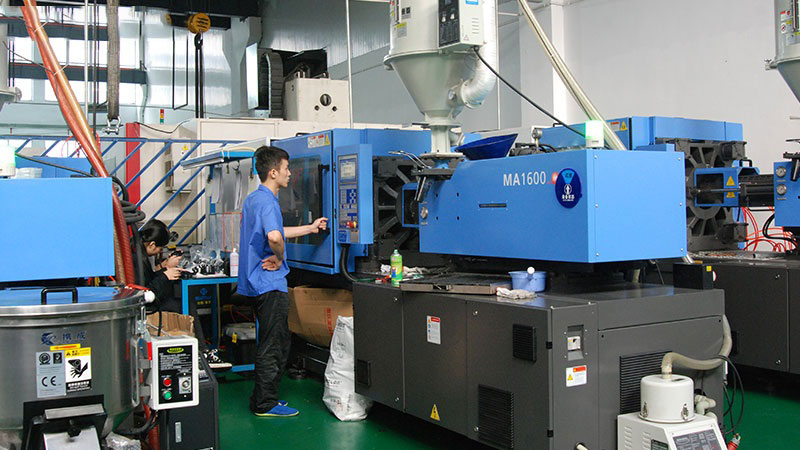
For overseas buyers, the decision to import molds from China remains one of the most strategic moves to balance quality, innovation, and cost-effectiveness. However, the landscape of sourcing from Chinese manufacturers is evolving rapidly. The approach that worked in 2020 is no longer sufficient for 2026. This guide is designed for procurement professionals and business owners who seek a mature, risk-averse partnership with **custom plastic molding companies** in China. We move beyond simple supplier lists to a framework of professional verification and collaborative engineering that defines success in the current market.
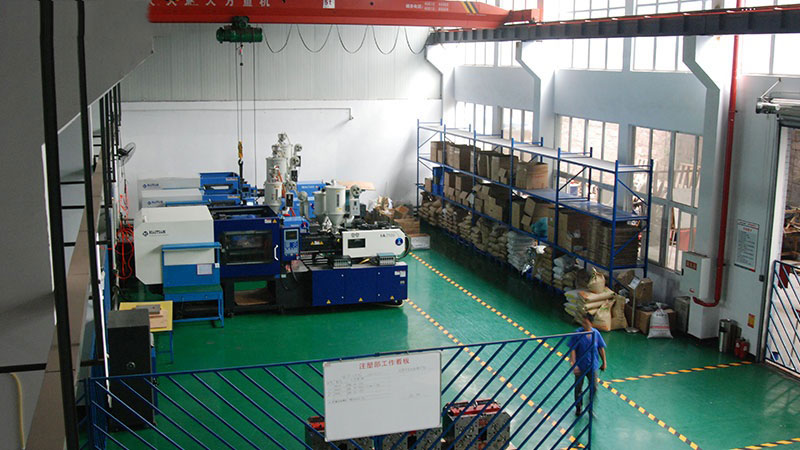
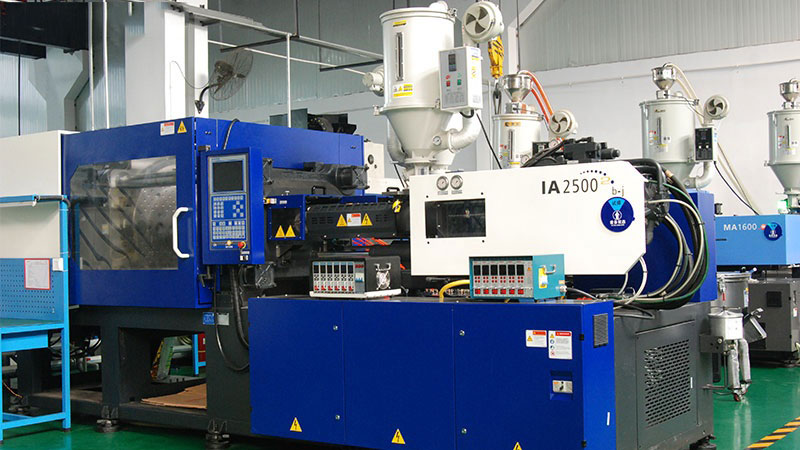
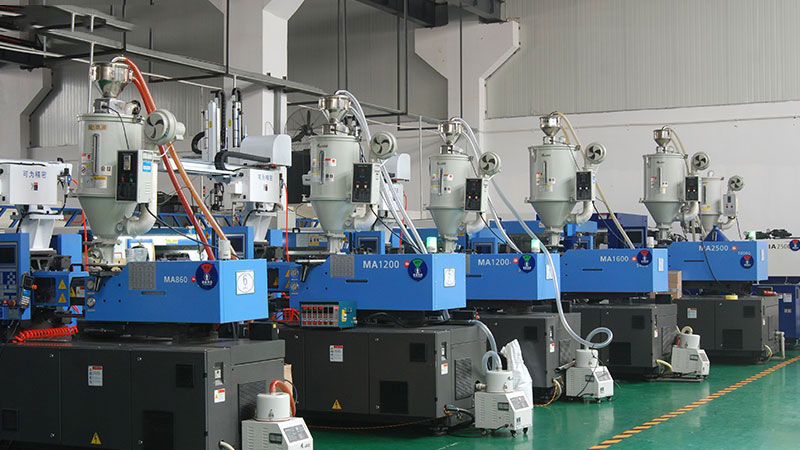
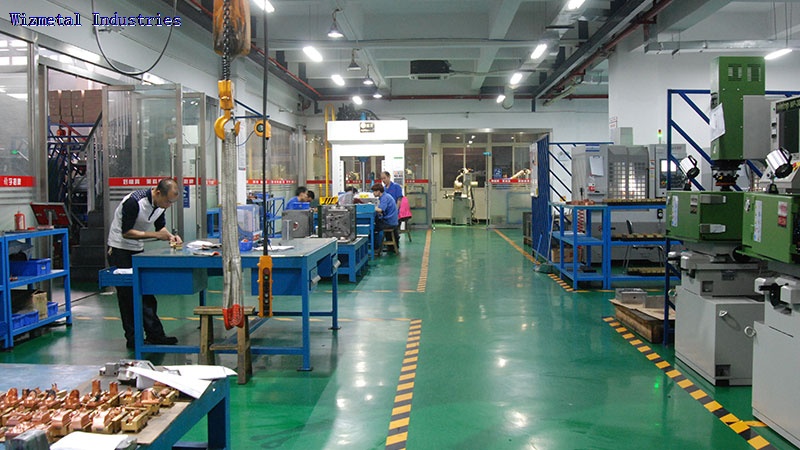
The cornerstone of professional procurement in 2026 is rigorous supplier verification. It is no longer about who has the lowest price on Alibaba. Your first step is to differentiate between a trading company and a true China mold factory. Insist on direct engagement with manufacturers. Begin with a deep-dive into their operational credentials: business licenses, export history, and industry-specific certifications like IATF 16949 for automotive or ISO 13485 for medical devices. However, verification must go deeper. Utilize video calls to conduct virtual factory tours, requesting to see specific departments—the design office, the CNC machining centers, the EDM workshops, and the quality control lab. Ask for case studies of projects similar in complexity and volume to yours. In 2026, due diligence is digital, immersive, and non-negotiable.
A professional partnership is forged during the design and quotation phase. The most reliable **custom plastic molding companies** function as engineering partners, not just order takers. Submit your initial product design or concept and evaluate their response. Do they proactively offer Design for Manufacturability (DFM) analysis? A competent China mold factory will provide detailed feedback on draft angles, wall thickness uniformity, gate locations, and potential sink marks to optimize your part for the injection mold process. Scrutinize their quotation breakdown. It should clearly separate mold cost, sample cost, and per-unit part price. Be wary of suspiciously low mold costs; this often signals corner-cutting on materials like mold steel, which will drastically shorten tool life and increase long-term costs. Transparent communication here sets the stage for the entire project.
The true test of a supplier lies in their systemic approach to quality control, from the first tool steel block to mass production. For your injection mold, insist on a structured First Article Inspection (FAI) process. This involves a comprehensive dimensional report on the first shots from the approved mold, comparing every specified tolerance against your CAD drawings. Furthermore, understand their process control during production. Do they use statistical process control (SPC) charts to monitor critical parameters like injection pressure and cycle time? Are cavity pressure sensors used? On-site presence remains invaluable. If a visit is not feasible, hire a trusted third-party inspection service to conduct audits during the Trial Run Report (TRR) stage and at random during production runs. This layered QC approach mitigates the risk of defective batches reaching your shores.
Finalizing the procurement agreement is where professional terms protect your investment. A clear contract should explicitly detail payment terms (e.g., 30-50% deposit, balance before shipment), but more importantly, it must govern intellectual property (IP), mold ownership, and warranty. Legally, the mold is a tangible asset you are paying to create. The contract must state unequivocally that you own the physical mold and all associated design files. It should be stored at the China mold factory at your discretion, with clauses preventing its use for any other client. The warranty should cover both workmanship and material defects for a defined period, typically 12-24 months or a specified number of shots. Also, formalize communication protocols, including a single point of contact for technical and commercial issues, and regular update schedules.
Logistics and long-term partnership management are the final pillars. Work with your supplier to determine optimal packaging for the mold—often using wooden crates with desiccant to prevent rust during sea freight. Ensure proper commercial invoices and packing lists for smooth customs clearance. Upon successful completion of your first order, view the relationship strategically. A reliable supplier is a long-term asset. Schedule periodic business reviews, discuss potential for cost-down engineering for future parts, and explore their capabilities in secondary operations or assembly. This transforms a transactional supplier into a strategic extension of your manufacturing base.
In conclusion, professional buying from Chinese **custom plastic molding companies** in 2026 is defined by a partnership model built on transparency, engineering collaboration, and systematic verification. It requires moving beyond price-centric conversations to value-driven discussions about tool life, part consistency, and total cost of ownership. By meticulously verifying your China mold factory, engaging them in the DFM process, implementing rigorous quality control protocols, securing your assets with a solid contract, and nurturing the relationship, you transform the inherent complexities of overseas procurement into a competitive advantage. The goal is no longer just to import a mold, but to establish a reliable, high-quality manufacturing pipeline that supports your growth for years to come.
Work With Us
As a professional China mold manufacturer, we provide one-stop mold solution for overseas buyers.
📞 Phone: +86-18605944639
💬 WhatsApp: +8618605944639
🌐 Website: bestmoldworks.com
📧 Email: [email protected]