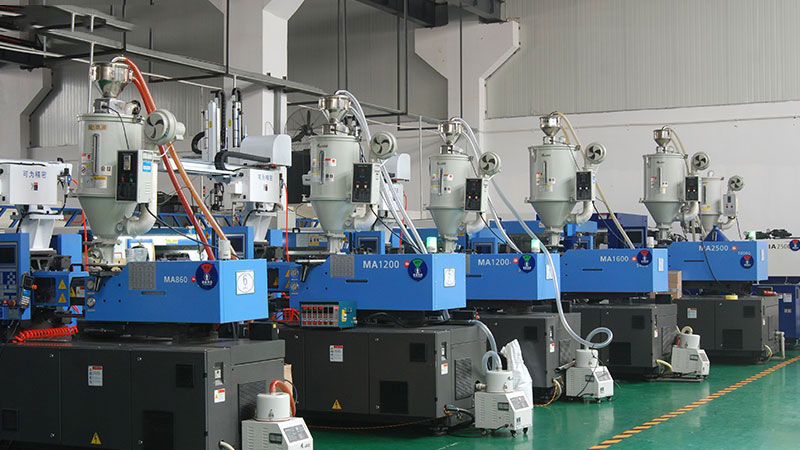
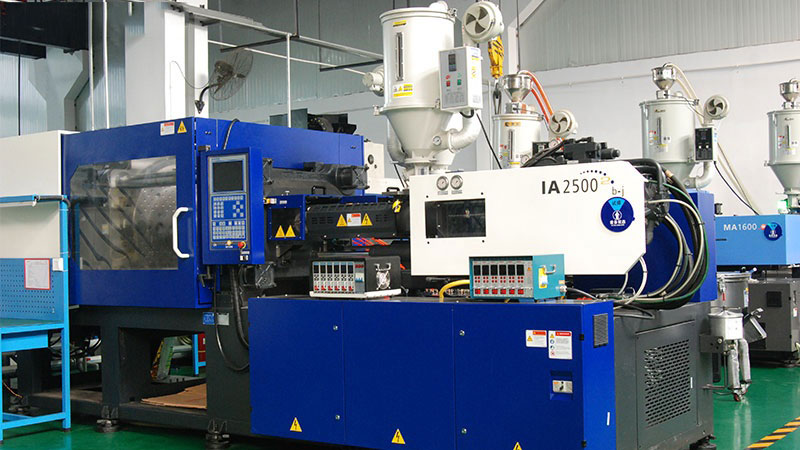
For overseas buyers and product developers, the search for a “custom silicone mold manufacturer near me” often concludes with a strategic pivot towards global sourcing, specifically China. The rationale is clear: accessing unparalleled manufacturing expertise, advanced capabilities, and significant cost efficiencies. However, the geographical and cultural distance can introduce complexities in procurement, supplier verification, and quality control. This guide provides a professional, actionable framework for 2026, designed to help you navigate the process of importing high-quality custom silicone and injection molds from China with confidence and reliability.
The initial challenge is transforming a broad search for a local manufacturer into a targeted, effective procurement strategy with a specialized China mold factory. Rather than viewing distance as a barrier, successful importers treat it as a manageable variable in a well-structured supply chain. The core objective shifts from finding a geographically close supplier to establishing a transparent and dependable partnership with a factory that demonstrates proven expertise in silicone mold manufacturing. This requires moving beyond basic online directories and developing a systematic approach to identification and evaluation, ensuring your project specifications are met with precision and professionalism.
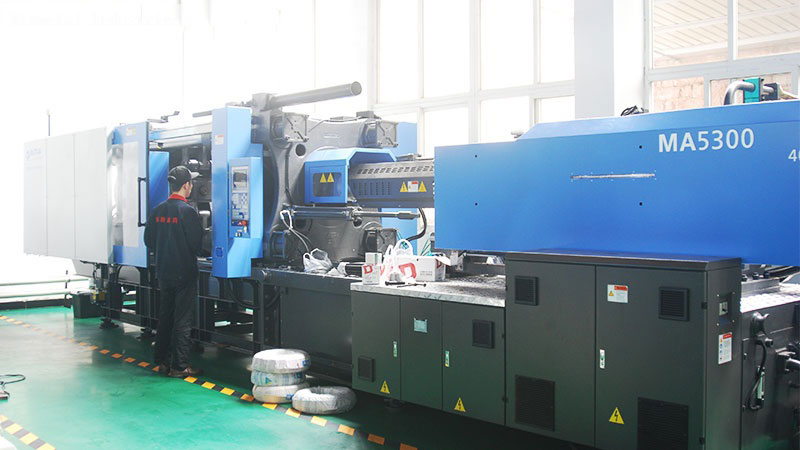
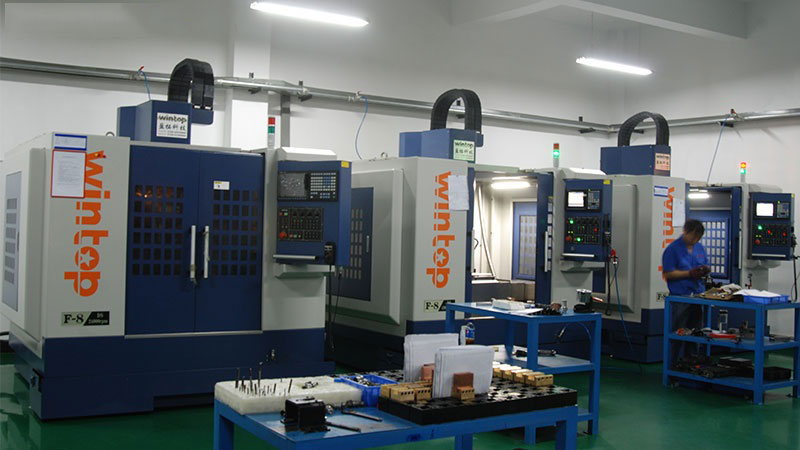
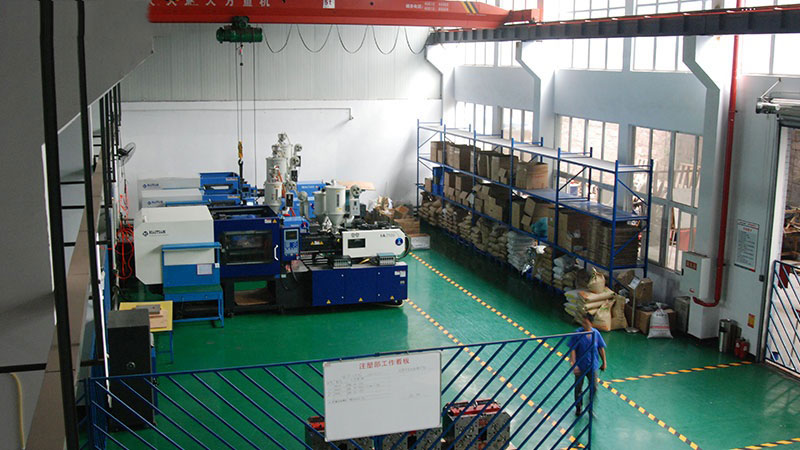
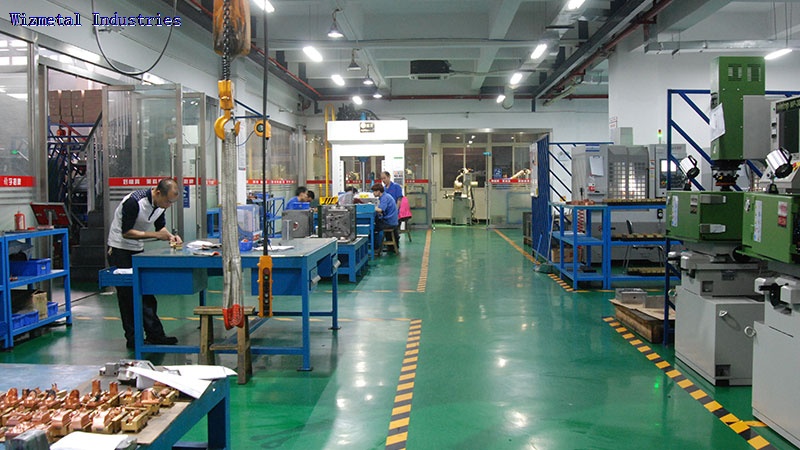
Conducting thorough supplier verification is the non-negotiable first step in mitigating risk. A factory’s online presence is merely a starting point. In 2026, due diligence must be multi-faceted. Begin by verifying business licenses and export credentials. Subsequently, request and scrutinize a detailed portfolio of past projects, specifically looking for molds similar in complexity and industry to yours. Utilize video conferencing to conduct virtual factory tours; a reputable supplier will readily showcase their workshop, machinery, and workflow. Furthermore, insist on speaking directly with their engineering or project management team to assess their technical communication skills. For critical projects, consider commissioning a third-party inspection agency to perform an initial audit of the factory’s quality management systems and production environment before any contract is signed.
Defining and communicating your specifications with absolute clarity is the cornerstone of preventing costly errors. Ambiguity is the enemy of successful custom mold manufacturing. Your technical data package should be comprehensive, including detailed 3D drawings (STEP or IGS files), 2D dimensional drawings with critical tolerances, and a clear material specification for the silicone or other materials to be used. For injection molds, specify the molding machine parameters. Equally important is providing a sample or a precise prototype of the final product you intend to cast. This tangible reference eliminates guesswork for the China mold factory. Establish a formal approval process for each stage: initial design review, mold flow analysis for injection molds, and first article inspection reports from trial shots. Document every revision and agreement in writing.
Implementing proactive quality control throughout the production cycle, not just at the end, is what separates successful importers from those facing setbacks. Agree on a QC plan with your supplier before production begins. This plan should define key inspection points, such as after CNC machining of the mold core and cavity, and after the initial trial shots. For silicone molds, this includes checking shore hardness, dimensional accuracy of cast parts, and surface finish. For plastic injection molds, it involves measuring part dimensions, checking for sink marks or flash, and verifying cycle time. You can perform these checks by requesting high-resolution photos and videos with measurement gauges, or by employing remote inspection services. For larger orders, planning for an in-person pre-shipment inspection by yourself or a hired professional is a highly recommended investment to ensure the batch quality matches the approved samples.
Managing logistics, communication, and intellectual property strategically finalizes a reliable import process. Understand the incoterms in your contract; FOB is common, giving you control over shipping and insurance. Factor in lead times for sea freight and customs clearance in your product launch schedule. Cultivate clear, documented communication by using tools like email for formal instructions and platforms like WeChat for quick operational updates. Assign a single point of contact on both sides. Regarding intellectual property, a well-drafted Non-Disclosure Agreement and a contract that stipulates IP ownership are essential. While legal enforcement has challenges, working with established factories that value long-term client relationships significantly reduces IP risk.
In conclusion, finding a reliable partner for your custom silicone mold needs is less about searching for a “custom silicone mold manufacturer near me” and more about applying a disciplined, modern procurement methodology. By rigorously verifying your China mold factory, defining specifications with precision, enforcing staged quality control, and managing the partnership professionally, you transform the global supply chain into a competitive advantage. The landscape of manufacturing is increasingly connected, and with these reliable methods for 2026, overseas buyers can confidently import exceptional custom silicone and injection molds, ensuring product quality, cost-effectiveness, and a streamlined path from concept to market.
Work With Us
As a professional China mold manufacturer, we provide one-stop mold solution for overseas buyers.
📞 Phone: +86-18605944639
💬 WhatsApp: +8618605944639
🌐 Website: bestmoldworks.com
📧 Email: [email protected]