Category: Custom molds for resin

  • plastic mold manufacturers in china: Best Suppliers & 2026

    For overseas buyers, sourcing from plastic mold manufacturers in China remains a cornerstone strategy for achieving competitive advantage. The combination of advanced manufacturing capabilities, extensive supply chains, and cost efficiency is compelling. However, the path to a successful partnership is often paved with challenges in supplier verification, communication, and quality assurance. As we look toward 2026, the landscape is evolving with greater emphasis on technological integration and sustainable practices. This guide provides actionable, no-fluff insights to help you navigate this complex market and establish profitable, long-term relationships with reliable Chinese mold factories.

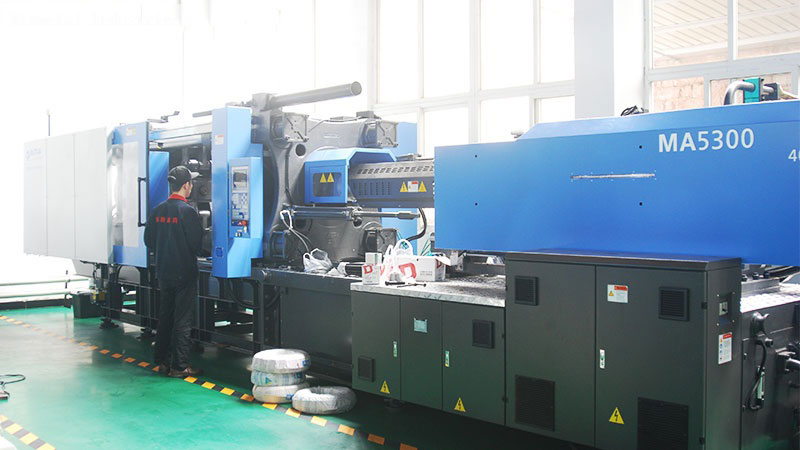
    The foundation of any successful import project is rigorous supplier verification. Moving beyond a simple Alibaba search is non-negotiable. Start by identifying a shortlist of potential **plastic mold manufacturers in China** through industry-specific B2B platforms like Made-in-China.com or Global Sources, and leverage professional networks. Critical due diligence steps include verifying business licenses (via official Chinese government websites), requesting detailed company profiles that outline their machinery (e.g., CNC, EDM), engineering team size, and export history. Insist on video calls to conduct virtual factory tours; a reputable China mold factory will readily showcase their workshop floor, equipment, and ongoing projects. Furthermore, ask for and meticulously contact 3-5 past international clients. This direct feedback is invaluable for assessing reliability, communication effectiveness, and after-sales service.

    Once a potential partner is identified, mastering the technical and commercial discussion is crucial. Your initial inquiry must be detailed to separate serious contenders from less capable shops. Provide a comprehensive request for quotation (RFQ) package including: a 3D model (STEP or IGS format), 2D drawings with critical tolerances, material specifications (e.g., POM, ABS, PP), expected annual volumes, and cosmetic requirements (texture, polish). Discuss mold flow analysis upfront—a top-tier supplier will offer this service to predict and prevent filling issues, warpage, and sink marks. Be explicit about your quality control protocols. State your requirements for First Article Inspection (FAI) reports, dimensional checks, and sample approval processes. Clearly defining these expectations during the **procurement** phase prevents costly misunderstandings and establishes a benchmark for the injection mold quality.

    Proactive quality control is your most powerful tool to mitigate risk. Do not treat QC as a final inspection before shipment; integrate it throughout the mold manufacturing process. Implement a staged inspection plan (IP). Key stages typically include: a design review, steel inspection (to verify material grade), T1 sample approval (first shots from the finished mold), and pre-shipment audit. For critical projects, hiring a reputable third-party inspection company in China to conduct these checks provides an objective layer of oversight. They can verify hardness tests, cavity dimensions, and the functionality of the injection mold. Additionally, during sample approval, test the parts in your own facility or assembly line if possible. Evaluating performance under real-world conditions before mass production begins is the ultimate quality check.

    As we approach 2026, aligning with forward-thinking manufacturers will yield long-term benefits. The leading **plastic mold manufacturers in China** are increasingly investing in smart factory technologies, IoT-enabled machinery, and advanced simulation software. Partnering with such innovators can lead to higher precision, faster turnaround times, and better data transparency throughout production. Furthermore, environmental compliance is shifting from a niche concern to a global imperative. Inquire about the factory’s environmental management systems, their use of sustainable materials, and energy-efficient practices. A supplier prepared for 2026 will also be adept at navigating evolving global trade regulations and logistics complexities, offering you stability in a dynamic market. Their expertise becomes an extension of your own supply chain resilience.

    Building a successful partnership transcends a single transaction. Clear, consistent communication is vital. Designate a single point of contact on both sides, preferably someone with technical English proficiency. Use visual aids—screenshots, marked-up drawings, and video—to clarify issues. Understand and respect cultural differences in business negotiation, focusing on building *guanxi* (relationship) through fairness and reliability. Consider starting with a smaller, less critical project to evaluate the partnership before committing to high-volume production. A trustworthy China mold factory views this pilot project as an opportunity to prove its worth and secure a long-term client. Finally, view your supplier as a strategic partner. Their engineering insights can often suggest design for manufacturability (DFM) improvements that reduce cost and enhance product performance.

    Conclusion

    Importing molds from China is a strategic endeavor that, when executed with diligence, offers unparalleled value. The journey from supplier verification to consistent quality control requires a structured, proactive approach. By treating the selection process as a deep vetting exercise, engaging in detailed technical dialogue, implementing staged quality inspections, and choosing a partner poised for the trends of 2026, you transform potential risks into a robust competitive edge. The goal is not merely to find a vendor but to forge a collaborative partnership with a Chinese mold factory that is committed to turning your product vision into a manufacturable, high-quality, and market-ready reality. With these actionable strategies, you are well-equipped to navigate the market and build a supply chain that is both cost-effective and reliably excellent.

    Work With Us

    As a professional China mold manufacturer, we provide one-stop mold solution for overseas buyers.
    📞 Phone: +86-18605944639
    💬 WhatsApp: +8618605944639
    🌐 Website: bestmoldworks.com
    📧 Email: [email protected]
  • custom plastic injection mold Manufacturerturer: Ulti 2026

    Importing custom plastic injection molds from China remains a cornerstone strategy for businesses worldwide seeking competitive advantage. However, navigating the landscape of China mold factory options can be daunting, with challenges ranging from supplier verification to consistent quality control. For the overseas buyer in 2026, success is no longer just about finding a low cost; it is about forging a strategic partnership with a capable and transparent custom plastic injection mold manufacturer. This guide cuts through the noise to provide actionable, real-world strategies for your procurement journey, ensuring you secure high-quality tooling that meets your precise specifications and timeline.

    Mastering Supplier Verification Beyond the Website

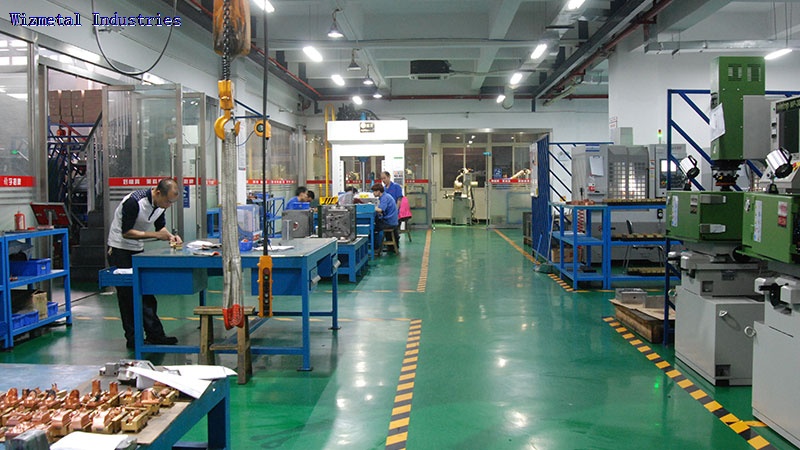
    The initial search will yield countless suppliers, making rigorous verification your most critical first step. In 2026, due diligence goes far beyond reviewing a polished website or Alibaba storefront. Begin by demanding concrete evidence of capability. Request detailed case studies for projects similar in size, complexity, and industry to yours. A professional China mold factory should readily provide these. Next, insist on a live video tour of their production facility. This is non-negotiable. Observe the machinery—are there high-precision CNC, EDM, and mold-testing injection machines on the floor? Assess the workshop organization and ask to see quality control stations. Furthermore, verify business licenses and export credentials. Utilize third-party verification services to check for any red flags in their corporate history. This proactive approach separates marketing from manufacturing reality, ensuring you engage with a true custom plastic injection mold manufacturer equipped for your project.

    Implementing a Phased Payment and Milestone Inspection Protocol

    Financial terms are a primary point of risk. The standard 50% deposit, 50% before shipment model offers little leverage. For 2026, adopt a phased payment schedule tied to irrevocable project milestones. A structure such as 30% upon order confirmation, 40% upon approval of the First Article Inspection (FAI) report and mold trial video, and the final 30% upon pre-shipment inspection is far more secure. Each payment must be contingent on your verified approval of documented deliverables. This method aligns the supplier’s cash flow with your project’s progress and motivates timely, quality completion. It transforms the procurement process from a transaction into a managed project, giving you checkpoints to catch issues early, when they are less costly and time-consuming to correct.

    Enforcing Digital-First Design and Communication Standards

    Miscommunication is the root cause of most mold defects. Eliminate ambiguity by enforcing a digital-first communication protocol. All design reviews must use 3D CAD files (STEP or IGS formats) with shared screen sessions via platforms like Zoom or Teams. Annotate drawings and models directly using cloud-based markup tools, creating a single source of truth. Demand a comprehensive Design for Manufacturability (DFM) report before steel is cut. A competent injection mold partner will provide a detailed analysis of part design, suggesting modifications for optimal moldability, cooling, and ejection. This report is a testament to their engineering expertise. Regular, scheduled update meetings with shared action logs are essential. This structured communication ensures both parties are aligned at every stage, from initial design to final sampling, minimizing costly rework.

    Building Quality Control into the Production Timeline

    Quality cannot be inspected into a mold; it must be built into the process. Your agreement must specify key inspection points with documented evidence. Critical stages include: material certification for the mold steel, core/cavity inspection reports using CMM data, a full mold trial with video documentation, and a First Article Inspection report measuring production samples against your part drawings. For high-volume or critical molds, engage a reputable local third-party inspection company to conduct the pre-shipment audit. They will check for workmanship, conformity, and performance. Do not view these steps as optional costs; they are vital investments in risk mitigation. This layered approach to quality control ensures the injection mold you receive is not just a tool, but a validated asset ready for production.

    Strategic Sourcing for Long-Term Partnership

    View your initial mold project as the foundation of a long-term manufacturing relationship. While price is a factor, the total cost of ownership—including mold life, maintenance, lead time reliability, and communication efficiency—is paramount. Discuss future needs upfront. Does the supplier have the capacity for mold maintenance, repair, and potential future modifications? Can they support production runs if needed? A forward-thinking supplier will appreciate this strategic view. In 2026, the most successful importers are those who move beyond transactional relationships to develop collaborative partnerships with their Chinese mold makers, sharing forecasts and fostering continuous improvement for mutual benefit.

    Conclusion

    Importing a custom plastic injection mold from China in 2026 demands a blend of rigorous process and strategic partnership. By implementing advanced supplier verification, milestone-based payments, digital communication protocols, and embedded quality control, you transform a high-risk procurement into a managed, predictable project. The goal is to identify not just a vendor, but a capable and transparent China mold factory that acts as an extension of your engineering team. This disciplined approach is your ultimate strategy for securing high-quality, cost-effective tooling that drives your product’s success in the global marketplace for years to come.

    Work With Us

    As a professional China mold manufacturer, we provide one-stop mold solution for overseas buyers.
    📞 Phone: +86-18605944639
    💬 WhatsApp: +8618605944639
    🌐 Website: bestmoldworks.com
    📧 Email: [email protected]
  • plastic moulding factory: Complete Procurement Guide 2026

    For overseas buyers, sourcing from a Chinese plastic moulding factory represents a significant strategic advantage, offering cost efficiency, advanced manufacturing capabilities, and scalability. However, navigating this complex landscape requires updated knowledge and a meticulous approach to mitigate risks and ensure a successful partnership. This 2026 procurement guide is designed to provide you with actionable, real-world strategies for importing high-quality injection molds from China, moving beyond basic advice to solve the core challenges you face.

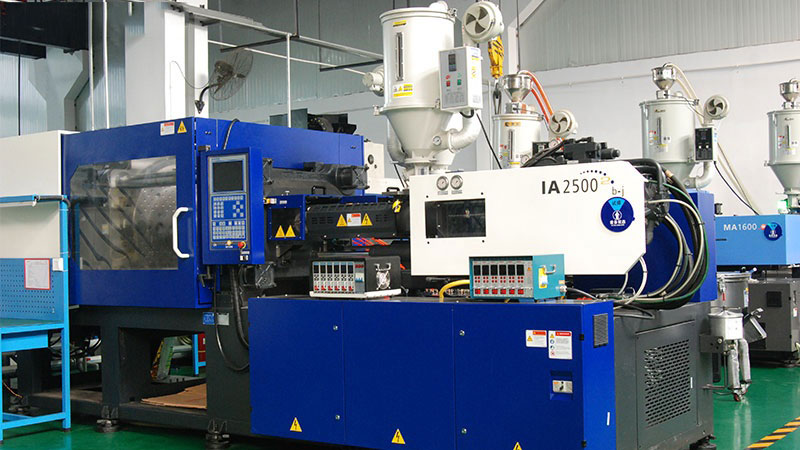
    The foundation of a successful import project lies in precise supplier verification. The term “China mold factory” encompasses a vast spectrum, from highly automated facilities serving global brands to smaller workshops with limited quality systems. Your first step must be to move beyond Alibaba listings and conduct deep due diligence. In 2026, this means utilizing professional verification services to check business licenses, audit reports, and legal records. Insist on a live video tour of the production floor; a reputable supplier will have no issue showcasing their CNC machines, EDM equipment, and cleanroom assembly areas. Critically, verify their experience with your specific material (e.g., POM, Nylon, PP) and product type. Request and contact references from their existing overseas clients, particularly those in your region, to get unfiltered feedback on communication, problem-solving, and after-sales support.

    Once a potential partner is identified, mastering the technical and commercial procurement phase is crucial. A professional plastic moulding factory will treat the initial RFQ (Request for Quotation) process seriously. Provide them with a comprehensive package: detailed 3D drawings (STEP or IGS format), 2D technical drawings with critical tolerances and surface finish requirements (e.g., SPI standards), and a sample or prototype if available. Be wary of quotes that are significantly lower than the market average; this often signals the use of inferior steel (like pre-hardened steel instead of hardened tool steel like H13), outdated machining, or a lack of contingency for mold trials. Negotiate a transparent payment schedule tied to clear milestones—a common and secure structure is 30-50% deposit, 40-50% before shipment, and 10% retained until successful sample approval. Ensure the contract explicitly covers ownership of mold design and intellectual property.

    The most critical phase of your engagement is proactive quality control, which must be integrated from the start, not as a final inspection. Define all quality standards and inspection protocols in the contract. A reliable China mold factory will have a dedicated QC team and should provide a Detailed Inspection Report (DIR) including mold flow analysis results, steel material certificates, and hardness test reports. For high-value or high-volume molds, engaging a third-party inspection company in China for pre-shipment audits is a wise investment. They will check critical factors: cavity and core dimensions, cooling channel pressure tests, ejection system functionality, and the fit and finish of all components. The First Article Inspection (FAI) after the initial mold trial is non-negotiable. The factory must provide T1 trial samples along with a full trial report documenting parameters, issues, and solutions. Measure these samples meticulously against your specifications.

    Effective project management and communication are what separate successful long-term partnerships from failed one-off transactions. Establish a single point of contact on both sides who is technically proficient. Use collaborative project management tools to track open issues, design changes, and delivery timelines. Understand and respect the cultural approach to business in China, which values long-term relationships (Guanxi). Be clear, patient, and firm in your requirements. Discuss and plan for the logistics of mold shipment—Incoterms (FOB, EXW, etc.), packaging for ocean freight, and customs documentation. A professional supplier will handle commercial invoices, packing lists, and the certificate of origin. Finally, clarify the terms for mold maintenance, repair, and future modifications. Knowing the cost and lead time for spare parts or cavity changes will prevent surprises during production runs.

    In conclusion, importing molds from China in 2026 demands a blend of rigorous verification, technical clarity, embedded quality control, and relationship-focused communication. By treating your chosen plastic moulding factory as a strategic partner rather than just a vendor, you unlock immense value. The journey from concept to mass production is complex, but with this structured procurement guide, you are equipped to navigate it with confidence. The goal is not merely to purchase an injection mold, but to establish a reliable supply chain asset that will deliver consistent quality and contribute to your product’s success for years to come.

    Work With Us

    As a professional China mold manufacturer, we provide one-stop mold solution for overseas buyers.
    📞 Phone: +86-18605944639
    💬 WhatsApp: +8618605944639
    🌐 Website: bestmoldworks.com
    📧 Email: [email protected]
  • custom plastic mould Manufacturerturers: Complete Procu 2026

    For overseas buyers, sourcing custom plastic injection molds from China remains a strategic decision to achieve significant cost savings, access advanced manufacturing capabilities, and accelerate product development. However, the path to a successful partnership with a China mold factory is often paved with complexities, from supplier verification to stringent quality control. This guide for 2026 cuts through the noise, offering a professional, actionable framework to navigate the procurement landscape and secure a reliable, high-quality supply chain for your custom plastic injection molds.

    Mastering Supplier Verification and Qualification

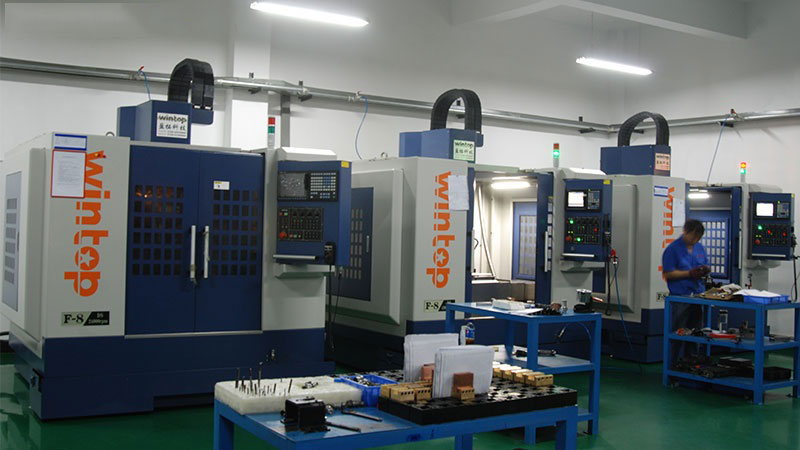
    The foundational step in your procurement journey is rigorous supplier verification. Moving beyond simple online directories is crucial. Begin by shortlisting potential custom plastic mould manufacturers with proven experience in your specific industry, whether it be automotive components, medical devices, consumer electronics, or packaging. Demand transparency: request detailed company profiles, business licenses, and evidence of export experience. In 2026, a reputable supplier should readily provide virtual factory tours via video call, showcasing their workshop, machinery park (look for CNC, EDM, and precision milling equipment), and cleanroom facilities if applicable. Crucially, ask for and meticulously review project portfolios with case studies similar to your intended product. Direct communication with past international clients, if possible, offers invaluable insights into a supplier’s reliability and communication standards, forming the bedrock of trust.

    The Critical Phase of Technical Communication and DFM

    Once a shortlist of qualified candidates is established, precise technical communication becomes the most critical factor in avoiding costly errors. A professional China mold factory will not simply accept your 3D drawings and quote. They will engage in a Design for Manufacturability (DFM) analysis. Provide comprehensive part drawings, material specifications (e.g., ABS, PP, PC), expected annual volumes, and cosmetic requirements. A competent manufacturer will analyze your design and suggest modifications to improve mold flow, reduce stress concentrations, simplify tooling, and ultimately lower unit costs and enhance part quality. This collaborative stage tests their engineering expertise. Be wary of suppliers who quote immediately without questions; their low price may later be offset by tooling failures and part defects. Clear, documented agreement on every technical detail before tooling commences is non-negotiable.

    Structuring a Transparent Quotation and Contract

    A professional quotation for an injection mold should be detailed and itemized, separating tooling costs from part pricing. The mold quote must specify steel grade (such as P20, H13, or stainless steel for medical use), mold life expectancy (number of shots), cavity count, cooling system design, and the standard of included components (like HASCO or DME). For part pricing, clarify the raw material brand, cycle time assumptions, and packaging standards. Your contract must explicitly address key terms: payment schedule (e.g., 30-50% deposit, balance before shipment), intellectual property protection clauses, tooling ownership (it should belong to you), and the protocol for engineering change orders (ECOs). Define the location and terms for the First Article Inspection (FAI) and the process for approving sample parts before mass production begins. A clear contract aligns expectations and protects both parties.

    Implementing Proactive Quality Control Throughout the Process

    Quality control cannot be an afterthought; it must be integrated into every stage. For overseas buyers, a multi-layered approach is essential. Start with an initial audit, either in-person or via a trusted third-party inspection service, to assess the factory’s quality management systems. During mold manufacturing, insist on regular progress reports with photos and videos of key stages: material certification for the steel, CNC machining, EDM texturing, and mold assembly. Upon completion, the Trial Run Report (T1) is vital. It should include samples from the mold, data on process parameters, and a CMM report verifying critical part dimensions. For production runs, define your Acceptable Quality Level (AQL) and arrange for pre-shipment inspections. Building a relationship with reliable custom plastic mould manufacturers means partnering with those who are transparent and proactive in their quality documentation, providing you with confidence from the first sample to the ten-thousandth part.

    Navigating Logistics, Communication, and Long-Term Partnership

    Finalizing the procurement process involves adept handling of logistics and fostering a partnership mindset. Understand Incoterms 2020: decide whether you will purchase under EXW, FOB, or CIF terms, as this dictates responsibilities and costs for shipping, insurance, and customs clearance. For molds, secure packaging is paramount to prevent damage in transit. Establish clear, structured communication channels, using tools like email for formal approvals and platforms like WeChat or Zoom for quick updates. Designate a single point of contact on both sides to streamline information flow. View your successful supplier not just as a vendor but as a long-term manufacturing partner. A trustworthy China mold factory will support you with maintenance, spare parts, and future design iterations, becoming an integral extension of your production capability.

    Conclusion

    Procuring custom plastic injection molds from China in 2026 demands a disciplined, informed approach that prioritizes engineering collaboration and verified reliability over price alone. By meticulously executing supplier verification, engaging deeply in the DFM process, structuring transparent contracts, enforcing rigorous quality control, and managing logistics with clarity, you transform a complex overseas procurement challenge into a competitive advantage. The goal is to build a sustainable partnership with professional custom plastic mould manufacturers who deliver not just a tool, but consistent quality, innovation, and value for years to come. Your success hinges on the details managed today.

    Work With Us

    As a professional China mold manufacturer, we provide one-stop mold solution for overseas buyers.
    📞 Phone: +86-18605944639
    💬 WhatsApp: +8618605944639
    🌐 Website: bestmoldworks.com
    📧 Email: [email protected]
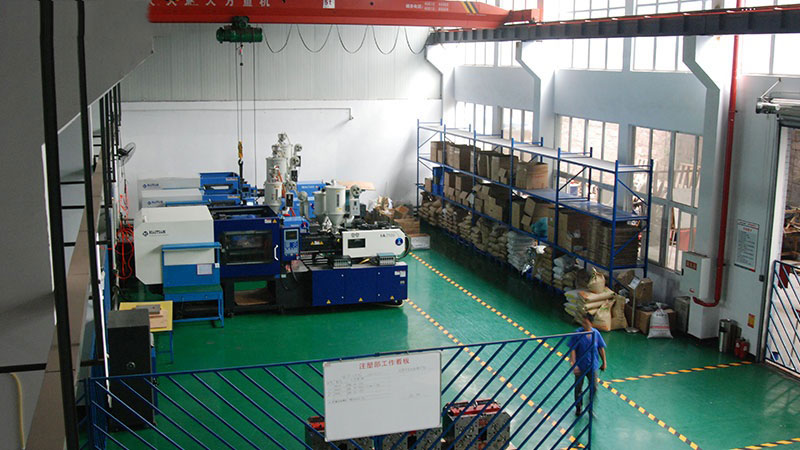
  • stamping mold manufacturer in china: Best Suppliers & 2026

    For global manufacturers and product developers, sourcing precision tooling is a critical strategic decision. China has long been the world’s workshop, not just for finished goods but for the high-precision molds that create them. For stamping molds—essential for producing consistent, high-volume metal parts—finding the right partner in China can unlock significant cost advantages and technical capability. However, navigating a vast and varied landscape of suppliers presents real challenges: How do you verify a factory’s true capability? How can you ensure quality from the other side of the world? This guide is designed to move beyond directory listings and provide actionable, professional strategies for overseas buyers aiming to partner with a reliable stamping mold manufacturer in China in 2026 and beyond.

    The core challenge in procurement from China is not finding a supplier, but identifying the right one. The market spans from highly automated, vertically integrated giants to smaller, specialized workshops. Your goal is to align your project’s technical requirements, volume expectations, and quality standards with a China mold factory that possesses the correct expertise, machinery, and quality culture. A failed mold not only wastes investment but can derail production schedules for months. Therefore, a meticulous, phased approach to supplier verification and engagement is your most valuable tool.

    Conducting Deep Due Diligence and Supplier Verification

    Before discussing technical drawings or price, invest time in verification. Start by moving past Alibaba storefronts. A professional stamping mold manufacturer in China will have a detailed, content-rich website showcasing their engineering team, machine park (look for high-speed CNC, wire-cut EDM, and precision grinding equipment), and case studies of similar projects. Use third-party verification services to confirm business licenses, export history, and factory size. Crucially, request a virtual factory tour via video call. Ask to see the shop floor in real-time—observe housekeeping, machine brands, and gauge plates. Inquire about their primary clientele; a supplier experienced in serving European or North American OEMs will inherently be more familiar with international standards and documentation requirements. This step filters out trading companies masquerading as factories and identifies partners with transparent operations.

    Mastering Technical Communication and RFQ Process

    A precise Request for Quotation (RFQ) package is the foundation of an accurate quote and a successful project. For stamping molds, this must include not just the final part drawing, but material specifications (type and grade of steel for the mold and the stamped part), expected annual volumes, tolerance requirements, and desired mold life (e.g., 500,000 cycles). Clearly state all surface finish requirements and any critical dimensions. Be prepared for a technical dialogue. A competent supplier will ask clarifying questions about part function, potential design for manufacturability (DFM) improvements, and press specifications. Their engineering feedback at this stage is a strong indicator of their expertise. Distinguish between a vendor who simply quotes your drawing and one who offers constructive suggestions to enhance durability or reduce cost. Remember, while your search may focus on stamping, many integrated suppliers also offer injection mold capabilities; understanding their full scope can be beneficial for future projects.

    Implementing Rigorous Quality Control and Prototype Validation

    Never skip the prototyping and sample approval stage. A reputable China mold factory will agree to a staged payment plan linked to key milestones: design approval, mold trial (T1), and final sample approval. Insist on a First Article Inspection (FAI) report for the initial stamped samples, with full dimensional results against your drawing. For critical projects, engage a local third-party quality inspection firm to witness the mold trial and sample production. They can verify the process parameters, measure samples on-site, and assess the mold’s performance and build quality. This step is your primary risk mitigation. It moves quality control from a reactive “checking goods before shipment” activity to a proactive “verifying the tool that makes the goods” process. Document everything: approve sample reports, sign off on engineering change notes, and maintain a clear audit trail.

    Navigating Logistics, IP Protection, and Long-Term Partnership

    Finalizing the mold is only part of the journey. Discuss logistics upfront—molds are heavy, high-value items. Ensure the supplier has experience in proper export packaging (usually wooden crates) and can handle all export documentation. While intellectual property protection is a complex legal matter, practical steps include signing a comprehensive NDA and contract that stipulates ownership of all design and tooling. Consider having the mold base engraved with your company logo and a unique serial number. Viewing the relationship as a long-term partnership yields the greatest returns. A trusted stamping mold manufacturer becomes an extension of your engineering team, capable of supporting maintenance, modifications, and future projects with greater efficiency. Consistent communication and fair dealings foster loyalty and often result in prioritized service.

    Conclusion

    Sourcing stamping molds from China in 2026 will continue to offer a compelling blend of technical sophistication and cost efficiency for overseas buyers. The pathway to success lies in a disciplined, professional approach centered on deep verification, unambiguous technical communication, and proactive quality control. By treating the supplier selection process as a strategic procurement exercise rather than a simple price purchase, you can build a resilient and valuable supply chain partnership. The goal is to transform the geographical distance into a strategic advantage, leveraging the specialized expertise of a proven Chinese mold manufacturer to enhance your product quality and competitive edge in the global market.

    Work With Us

    As a professional China mold manufacturer, we provide one-stop mold solution for overseas buyers.
    📞 Phone: +86-18605944639
    💬 WhatsApp: +8618605944639
    🌐 Website: bestmoldworks.com
    📧 Email: [email protected]

  • mold factory china: Expert Tips & Solutions 2026 | China Mold Factory

    For overseas buyers, sourcing precision tooling from a Chinese mold factory represents a significant strategic advantage, offering potential for substantial cost savings and access to advanced manufacturing capabilities. However, the path to a successful partnership is often paved with challenges, from supplier verification to consistent quality control. This guide provides actionable, expert-level advice for 2026, designed to help you navigate the procurement process confidently and secure a reliable supply chain for your injection molds and other tooling needs.

    The cornerstone of a successful import project is thorough supplier verification. In 2026, due diligence goes beyond checking a company’s website. Start by verifying the business license via official Chinese platforms and cross-referencing the registered address with satellite imagery. For a deeper dive, insist on a live video audit of the production floor. A reputable China mold factory will readily arrange this, allowing you to assess their machinery, workshop organization, and technical team in real-time. Pay close attention to the types of CNC, EDM, and milling equipment they operate, as this directly correlates with their capability to handle complex injection mold projects. Furthermore, request and contact at least three references from long-term overseas clients, specifically asking about communication, problem-solving, and post-sales support.

    Once a potential partner is identified, defining and agreeing upon technical specifications with absolute clarity is non-negotiable. Ambiguity at this stage is the primary cause of disputes and non-conforming products. Your technical package must be exhaustive, including not just 3D CAD files but also detailed 2D drawings with GD&T tolerances, material specifications (including steel grade and pre-hardening requirements), mold flow analysis expectations, and surface finish standards. For injection molds, explicitly state requirements for cycle time, cavitation, runner system type, and ejection mechanism. A professional China mold factory will review this package and provide feedback, highlighting potential manufacturability issues. This collaborative review process is a strong indicator of engineering expertise and a proactive approach to quality control.

    Effective quality control is a phased process, not a single final inspection. Implement a staged inspection protocol (IPQC) with clear milestones. Critical checkpoints typically include: a first article inspection after the mold base machining, a pre-assembly check of core and cavity inserts, and a final sample approval using the actual production material on the factory’s injection molding machines. For high-value projects, engaging a trusted third-party quality inspection service based in China for these key stages is a highly recommended investment. They can provide objective reports with photographic evidence, dimensional validation, and functional testing. This layered approach to quality control ensures issues are identified and rectified early, preventing costly rework and delays before the mold leaves the factory.

    The commercial and logistical framework of your agreement is as critical as the technical specifications. Be explicit in your Request for Quotation (RFQ). The quote should break down costs for design, materials, machining, trial shots, and any ancillary services. Understand the payment terms; a common and balanced structure is 30-40% deposit, 30-40% after T1 sample approval, and the balance before shipment. Ensure the contract clearly outlines ownership of intellectual property and design files. For logistics, discuss and agree on packaging standards—molds require robust, moisture-proof crating—and the responsibilities for export clearance. A reliable partner will manage this process seamlessly. Clear communication channels, potentially using platforms that bridge language gaps, and establishing a single point of technical contact at the mold factory will streamline this phase.

    The journey does not end when the mold is shipped. A truly professional China mold factory offers substantive after-sales support. Discuss and document the warranty period for workmanship and materials, typically one to two years. Understand their policy and process for handling wear and tear or damage, including the turnaround time for repair services. For injection molds, having access to spare part drawings or the option to purchase duplicate spare components upfront can minimize future production downtime. Establishing a long-term relationship with a factory that views this as a partnership, rather than a single transaction, yields significant dividends in continuous improvement, priority service, and collaborative problem-solving for future projects.

    Successfully importing molds from China in 2026 demands a methodical, informed approach that prioritizes verification, clarity, and proactive management. By implementing these expert tips—from rigorous supplier audits and precise technical documentation to phased quality control and robust contractual agreements—you transform perceived risks into manageable, standardized procedures. The goal is to build a partnership with a mold factory in China that is transparent, technically competent, and aligned with your quality and timeline expectations. This strategic foundation not only secures your immediate tooling investment but also establishes a resilient and valuable supply chain asset for years to come.

    Work With Us

    As a professional China mold manufacturer, we provide one-stop mold solution for overseas buyers.
    📞 Phone: +86-18605944639
    💬 WhatsApp: +8618605944639
    🌐 Website: bestmoldworks.com
    📧 Email: [email protected]

  • mould Manufacturerturers in China: Professional Buying 2026

    For overseas buyers, the decision to import molds from China remains one of the most strategic moves for balancing quality, innovation, and cost-effectiveness. As we look toward 2026, the landscape is not just about finding a low-cost provider; it is about forging a professional partnership with capable and reliable **mould manufacturers in China**. This evolution demands a more sophisticated, informed approach to procurement. The potential for significant value is immense, but so are the risks of missteps in supplier selection and project management. This guide is designed to cut through the noise and provide you with a professional, actionable framework for your 2026 sourcing strategy, ensuring your next project is a resounding success.

    The foundation of any successful import project is rigorous supplier verification. Moving beyond a simple Google search or a cursory glance at an Alibaba storefront is non-negotiable. Start by creating a longlist of potential **China mold factory** partners based on their stated capabilities, industry specializations, and client portfolios. The critical next step is deep verification. Request business licenses and export records. Utilize video calls to conduct virtual factory tours; a reputable supplier will readily showcase their shop floor, machinery like CNC centers and EDM machines, and quality control stations. Ask for and contact specific past international clients for references. In 2026, leveraging third-party inspection services for an initial supplier audit can be a wise investment to validate their operational and quality management systems before you even begin discussing your project.

    Once you have identified a verified shortlist, the next phase is mastering technical communication and project definition. Ambiguity in the **injection mold** design phase is the primary cause of delays, cost overruns, and unsatisfactory outcomes. Develop a comprehensive and clear Request for Quotation (RFQ) package. This must include detailed 3D CAD models, fully dimensioned 2D drawings specifying critical tolerances, material specifications for both the mold and the final part, and expected production volumes. Clearly state surface finish requirements using SPI or VDI standards. Discuss mold flow analysis upfront; a professional manufacturer will propose and often include a preliminary analysis to predict and prevent filling issues, weld lines, or sink marks. This collaborative, detail-oriented approach at the quotation stage aligns expectations and separates truly technical partners from basic job shops.

    The pricing model you agree upon will directly influence the project’s alignment and risk sharing. The traditional method of a single lump-sum quote for the entire mold build is giving way to more transparent and collaborative structures. For 2026, consider advocating for an open-book or cost-plus model with a trusted partner, where material, labor, and overhead are detailed, and a agreed-upon margin is applied. Alternatively, a fixed-price contract with very clear, milestone-linked payment terms is essential. A standard structure might be: 30% deposit to commence, 40% upon approval of mold trial samples, and the final 30% upon shipment. Never pay 100% upfront. This milestone approach ties cash flow to tangible progress and gives you leverage to ensure accountability throughout the manufacturing process.

    Proactive and structured **quality control** is the shield that protects your investment. Do not assume quality will be managed; you must plan and enforce it. Define a Quality Inspection Plan (QIP) with your chosen **mould manufacturers in China** before production starts. This plan should specify First Article Inspection (FAI) requirements, critical checkpoints during machining (e.g., after core/cavity finishing), and the formal pre-shipment sample approval process. The gold standard is witnessing the initial Tooling Trial (T1) in person or via a live-streamed session. During this trial, parts are produced, measured, and functionally tested against your approved master sample. All findings are documented in a Trial Report. For high-value or high-volume projects, engaging a local third-party quality inspection firm to conduct audits during production and at the pre-shipment stage provides an invaluable independent layer of assurance.

    Finally, view your mold supplier as a long-term strategic partner, not a one-time vendor. A successful first project opens the door to significant future advantages. A partner familiar with your standards and expectations can ramp up subsequent projects faster, often at a reduced cost. Discuss future possibilities such as mold maintenance, repair services, and storage. Explore their capabilities in related areas like part production, which can streamline your supply chain. Building this relationship involves clear communication, mutual respect, and fair business practices. In the competitive landscape of 2026, a strong partnership with a reliable China mold factory is a formidable competitive asset, enabling faster time-to-market and greater product innovation.

    In conclusion, professional buying from Chinese mold manufacturers in 2026 is a disciplined process built on verification, clarity, and active management. It transcends mere price comparison to focus on total value, technical collaboration, and risk mitigation. By implementing a rigorous framework for **supplier verification**, mastering technical **procurement** documentation, structuring sensible payment terms, enforcing relentless **quality control**, and nurturing the partnership, you transform a complex international transaction into a predictable and highly rewarding engine for your business growth. The opportunities with China’s manufacturing ecosystem are more accessible than ever, but they are seized by those who approach the process with the professionalism and strategic insight outlined here.

    Work With Us

    As a professional China mold manufacturer, we provide one-stop mold solution for overseas buyers.
    📞 Phone: +86-18605944639
    💬 WhatsApp: +8618605944639
    🌐 Website: bestmoldworks.com
    📧 Email: [email protected]

  • custom silicone mold maker near me: Complete Procurem 2026

    For overseas buyers and product developers, the search for a “custom silicone mold maker near me” often concludes with a strategic pivot: sourcing from China. While local suppliers offer proximity, China’s mold manufacturing industry provides an unparalleled combination of advanced capabilities, cost efficiency, and scalability that is essential for competitive product development. However, navigating this complex landscape requires a modern, informed approach to procurement. This guide serves as your essential 2026 roadmap, transforming the challenge of overseas sourcing into a streamlined, reliable process for securing high-quality custom silicone and injection molds.

    The initial search for a “custom silicone mold maker” must evolve from a simple online query to a targeted supplier verification campaign. The most reliable China mold factories are not always the most visible on generic platforms. Begin by leveraging industry-specific B2B portals like Global Sources or Made-in-China, but apply rigorous filters. Prioritize suppliers with verified audit reports, genuine factory photographs, and a portfolio showcasing projects for international clients. Crucially, move beyond email. Initiate video calls to request virtual factory tours; a legitimate China mold factory will readily showcase their workshop floor, machinery (look for modern CNC, EDM, and silicone injection molding machines), and quality control stations. This first step is not about finding a vendor, but identifying a potential manufacturing partner with the technical depth for your specific project, whether it involves intricate silicone rubber molds or complex multi-cavity injection molds.

    Once a shortlist is established, the procurement process hinges on precise technical communication and comprehensive quotation analysis. A professional request for quotation (RFQ) is your most critical tool. It must include detailed 3D drawings (STEP or IGS files), material specifications (e.g., FDA-grade silicone, LSR, or type of steel for injection molds), expected production volumes, and samples or photos of existing products if applicable. When quotes arrive, scrutinize them beyond the bottom line. Break down costs for mold flow analysis, prototype development, mold material (such as P20 or H13 steel), cavity count, and post-processing. Be wary of quotes that seem abnormally low; they often signal compromises in steel quality, machining precision, or process rigor that will lead to mold failure and costly production defects. A transparent quote from a professional custom silicone mold maker near me in China will itemize these elements, reflecting a thorough understanding of your project’s lifecycle.

    The cornerstone of successful importation in 2026 is a proactive, multi-stage quality control protocol. Do not relegate QC to a final pre-shipment inspection. Insist on a First Article Inspection (FAI) after the initial prototype or sample is produced from the new mold. This verifies critical dimensions and functionality against your CAD data. Follow this with in-process checks during the mold trial run, where parameters like curing time, temperature, and pressure are optimized. Finally, a rigorous Pre-Shipment Inspection (PSI) should be conducted by a third-party QC agency or a trusted representative. They will check not only the final products but also the condition of the mold itself—ensuring there is no damage, wear, or machining errors. This layered approach to quality control mitigates the risk of receiving a non-conforming mold, which would be a catastrophic setback, rendering the entire procurement exercise a loss.

    Navigating logistics, intellectual property (IP) protection, and the transition to production are the final, decisive phases. For logistics, work with your chosen China mold factory to determine the optimal shipping method—air freight for speed with a single mold, or sea freight for larger, heavier sets. Ensure proper crating and insurance are included. IP protection is non-negotiable. A robust Non-Disclosure Agreement (NDA) must be signed before sharing any technical data. For critical designs, consider registering your IP in China. Furthermore, discuss and contractually define ownership of the mold design and tooling; you should retain full ownership. Finally, a successful procurement project includes planning for mass production. Clarify terms for mold storage, maintenance, and repair at the factory. Establish clear pricing for future production runs using your mold, and define the process for ordering additional batches. This ensures your initial procurement investment yields long-term, scalable manufacturing results.

    In conclusion, the modern procurement journey for a custom silicone mold maker in 2026 is a disciplined, technology-enabled partnership. It transcends merely finding a low-cost manufacturer. By mastering supplier verification, technical communication, staged quality control, and strategic logistics, you transform a distant China mold factory into a seamless extension of your own product development team. The goal is not just to import a mold, but to secure a reliable, high-quality manufacturing asset that empowers your product’s success for years to come. This comprehensive approach turns the geographical challenge of sourcing a “custom silicone mold maker near me” into your greatest competitive advantage in the global marketplace.

    Work With Us

    As a professional China mold manufacturer, we provide one-stop mold solution for overseas buyers.
    📞 Phone: +86-18605944639
    💬 WhatsApp: +8618605944639
    🌐 Website: bestmoldworks.com
    📧 Email: [email protected]

  • china plastic mold manufacturer: Best Suppliers & Qua 2026

    For overseas buyers, sourcing injection molds from China represents a significant opportunity for cost efficiency and advanced manufacturing capability. However, navigating the vast landscape of suppliers to find a reliable China plastic mold manufacturer can be daunting. The challenges of supplier verification, communication barriers, and ensuring consistent quality control are real and can impact your project’s timeline and budget. This guide for 2026 cuts through the noise, offering actionable strategies to partner with the best Chinese mold factories and secure high-quality tooling for your production needs.

    Conducting Rigorous Supplier Verification Beyond the Website

    The first and most critical step is moving beyond a simple online search. A professional website is a baseline, not a guarantee. True supplier verification requires deeper due diligence. Start by requesting a detailed company profile that includes the year of establishment, registered capital, and a list of key machinery. A reputable China mold factory will readily provide this. Next, insist on a virtual or, if possible, an in-person factory tour. Observe the workshop environment, the condition of the CNC, EDM, and mold testing machines, and the organization of the workflow. Crucially, ask for and contact references from their existing overseas clients, specifically those in your industry or with similar product complexity. This direct feedback is invaluable for assessing reliability, communication effectiveness, and after-sales service.

    Mastering the Technical Dialogue and RFQ Process

    Clear technical communication is the bedrock of a successful mold procurement. To avoid costly misunderstandings, your Request for Quotation must be exceptionally detailed. Beyond part drawings, provide a comprehensive mold specification sheet. This should include the required plastic material, annual production volume, expected mold life, cavity number, and surface finish requirements. Specify the mold steel grade and any hot runner system preferences. Discuss and agree upon tolerance standards upfront. A professional china plastic mold manufacturer will engage with these details, asking clarifying questions and offering constructive feedback. Their responsiveness and technical inquiries at this stage are strong indicators of their expertise and commitment to getting the specification right before manufacturing begins.

    Implementing a Phased Quality Control Protocol

    Quality cannot be inspected into a mold; it must be built in. To ensure this, implement a structured, phased quality control process with your chosen supplier. Agree on critical inspection milestones, typically after mold design completion, after machining of the core and cavity, and before the final trial. At each stage, require documented evidence: 3D design reviews, photos of the finished mold components with critical dimensions verified, and detailed Data Measurement Reports. The most important phase is the initial sample testing. Insist on a formal Trial Report Document that includes video of the molding process, parameters used, and measurements of the first article samples. Many buyers engage a local third-party inspection company to conduct a pre-shipment audit, providing an unbiased assessment of the final mold and sample parts against your agreed specifications.

    Navigating Logistics, IP Protection, and After-Sales Support

    Finalizing the procurement involves safeguarding your investment and planning for the long term. Intellectual property protection is a common concern. Work with a manufacturer that is willing to sign a comprehensive Non-Disclosure Agreement. For further security, you can register your design patents in China. Regarding logistics, clarify Incoterms explicitly in your contract. Understand who is responsible for freight, insurance, and customs clearance in both countries. A reliable partner will have experience in exporting molds and can recommend suitable packaging and shipping methods. Finally, do not overlook after-sales support. Discuss and document the warranty period for the mold, typically one to two years against manufacturing defects. Clarify the process for handling wear and tear, and the cost and timeline for producing replacement components. A supplier confident in their workmanship will offer clear and reasonable after-sales terms.

    Building a Partnership for Long-Term Success

    The ultimate goal is to transition from a transactional buyer to a strategic partner. The most successful importers view their Chinese mold supplier as an extension of their own engineering team. Foster this by providing clear feedback, paying invoices promptly to build trust, and planning future projects collaboratively. As you build a history of successful orders, you will gain priority status, more favorable pricing, and a deeper understanding that leads to even better results. The landscape in 2026 is competitive, and the best China plastic mold manufacturers seek stable, long-term relationships with professional overseas clients.

    Conclusion

    Importing injection molds from China in 2026 demands a professional, process-driven approach. By executing thorough supplier verification, mastering technical communication, enforcing phased quality control, and securing your intellectual property and logistics, you mitigate the inherent risks. The result is access to world-class manufacturing capabilities, significant cost advantages, and a supply chain partnership that fuels your product’s success for years to come. The journey requires diligence, but by following these actionable strategies, you can confidently identify and collaborate with a top-tier China plastic mold manufacturer to bring your designs to market efficiently and reliably.

    Work With Us

    As a professional China mold manufacturer, we provide one-stop mold solution for overseas buyers.
    📞 Phone: +86-18605944639
    💬 WhatsApp: +8618605944639
    🌐 Website: bestmoldworks.com
    📧 Email: [email protected]

  • mold Manufacturerturers in China: Complete Procurement 2026

    For overseas buyers, the decision to import molds from China remains one of the most impactful strategies for achieving cost efficiency and scaling production. The landscape, however, is nuanced. While the concentration of expertise and advanced manufacturing capabilities in regions like Guangdong, Zhejiang, and Jiangsu is unparalleled, navigating the procurement process requires a methodical, modern approach. This guide is designed for procurement professionals and engineering teams looking to build a resilient, quality-driven supply chain with Chinese mold partners in 2026 and beyond. We move beyond simple directory listings to provide a structured framework for success.

    The foundation of any successful import project is rigorous supplier verification. The term “mold manufacturers in China” encompasses a vast spectrum, from backyard workshops to fully automated, digitally integrated factories. Your first task is to segment this market effectively. Begin with a multi-layered verification process. Professional certifications like IATF 16949 for automotive or ISO 9001 are baseline indicators of a systematic approach. However, in 2026, due diligence must go deeper. Utilize video audits as a standard practice; a live walkthrough of the China mold factory can reveal more than a dozen static photos. Scrutinize their engineering team’s structure, the age and maintenance of their CNC and EDM equipment, and their portfolio for projects of similar complexity to yours. Crucially, request and contact past overseas clients. A reliable manufacturer will have a track record of successful exports and be willing to provide verifiable references.

    Once a potential partner is shortlisted, mastering the technical and commercial quotation phase is critical. A professional China mold factory will not provide a price based solely on a rough sketch. They will require a detailed 3D product design (STEP or IGS format) to conduct a thorough Design for Manufacturability (DFM) analysis. This DFM report is a key deliverable that separates serious partners from order-takers. It should highlight potential issues with wall thickness, draft angles, undercuts, and gate locations specific to your injection mold. The quotation must be transparent and itemized, covering mold base steel (e.g., P20, 718, S136), cavity and core material, hot runner system brand (if applicable), lifecycle expectations, and a clear breakdown of all costs including T1 sample, packaging, and documentation. Never choose a supplier based on the lowest bid alone; the true cost is revealed in mold longevity, part quality, and production uptime.

    Implementing proactive quality control from the first article is non-negotiable. Agree on a Quality Control Plan (QCP) before the purchase order is issued. This plan should define critical checkpoints: a pre-production inspection of the mold steel hardness and finish, a First Article Inspection (FAI) report on the T1 samples using your provided CMM data and GD&T drawings, and a final pre-shipment audit. For high-volume or precision parts, consider engaging a local third-party quality inspection service to conduct an independent evaluation at the factory before shipment. This layer of oversight provides an objective assessment of the injection mold’s output and the manufacturer’s internal QC processes. Remember, the goal is to catch and resolve issues while the tool is still in China, where corrections are faster and far less costly than after it has landed in your country.

    The final logistical and partnership phase determines long-term viability. Clear contractual terms are essential. The contract should explicitly cover ownership of the mold design and tooling, payment terms (e.g., 50% deposit, 40% after T1 approval, 10% before shipment), warranty period for workmanship and materials (typically 12-24 months), and protocols for handling design changes. Discuss and document the shipping method—air freight for urgency or sea freight for cost—and ensure the supplier understands export packaging requirements to prevent rust and damage. The most forward-thinking mold manufacturers in China now offer digital monitoring and after-sales support. Establish communication protocols for regular updates and ensure they provide comprehensive mold documentation, including 2D drawings, maintenance manuals, and a list of spare components.

    In conclusion, procuring molds from China in 2026 is a strategic exercise in partnership building, not merely a transactional purchase. The complete procurement journey—from algorithmic supplier verification and technical collaboration to embedded quality control and clear contractual frameworks—empowers you to mitigate risks and unlock significant value. By applying this structured approach, you transform the search for a vendor into the development of a strategic manufacturing asset. The right partner will not just deliver a tool but will become an extension of your engineering capability, ensuring your injection mold projects drive innovation, quality, and competitive advantage for years to come.

    Work With Us

    As a professional China mold manufacturer, we provide one-stop mold solution for overseas buyers.
    📞 Phone: +86-18605944639
    💬 WhatsApp: +8618605944639
    🌐 Website: bestmoldworks.com
    📧 Email: [email protected]